

Understanding Baby Monitor Alerts to Respond Faster at Night
What does understanding baby monitor alerts help parents do at night?
Understanding baby monitor alerts helps parents respond faster and more calmly during nighttime wake-ups. By recognizing sound, motion, and environmental signals, understanding baby monitor alerts reduces guesswork, supports real time baby sound alerts, allows you to hear baby crying remotely, and strengthens parents peace of mind monitoring when every second matters.
Understanding Baby Monitor Alerts to Respond Faster at Night
Understanding baby monitor alerts is the difference between fumbling in the dark and responding with confidence. When alerts are clear, real time baby sound alerts make sense, you can hear baby crying remotely without stress, and parents peace of mind monitoring becomes part of your nightly routine instead of a worry.
⏱ 5 min read

Understanding baby monitor alerts with real time baby sound alerts for calmer nights 💡 See it in action
Why Baby Monitor Alerts Matter at Night
Nighttime parenting is different from daytime care. You’re tired, lights are low, and decisions need to be fast. Alerts act as your second set of ears and eyes when you’re not in the nursery.
Without clear alerts, parents often:
- Wake up unnecessarily from harmless noises
- Miss early signs of discomfort
- Second-guess whether to rush in or wait
- Feel anxious about sleeping deeply
Understanding baby monitor alerts turns those signals into guidance instead of interruptions.
The Main Types of Baby Monitor Alerts Explained
Understanding baby monitor alerts starts with knowing what each alert is designed to tell you. Most modern systems use three core alert types that work together.
Sound alerts
These notify you when noise crosses a set threshold. Not every sound means distress, but patterns matter.
Motion alerts
Motion alerts detect movement in the crib area, helping you tell the difference between restless sleep and full wake-ups.
Environment alerts
Temperature or humidity changes can impact sleep quality and safety, especially overnight.
Many parents pair monitors with other tools from Monitoring Devices and Sleep & Comfort to build a complete nighttime setup.
How Real Time Baby Sound Alerts Help You React Faster
Understanding baby monitor alerts means learning to trust real time baby sound alerts instead of reacting to every noise.
Real time baby sound alerts notify you instantly when crying or unusual sounds occur. Over time, you’ll recognize patterns such as brief fussing versus escalating cries.
- Short whimpers often settle on their own
- Rhythmic crying usually means hunger or discomfort
- Sudden sharp cries may need immediate attention
- Consistent sound alerts help you respond before distress escalates
This is how parents learn to hear baby crying remotely without hovering by the crib all night.
When Motion Alerts Signal Real Needs vs Normal Sleep
Motion alerts can be misunderstood, especially by new parents. Babies move a lot during light sleep.
Understanding baby monitor alerts helps you tell when motion means:
- Normal stretching or rolling
- Self-soothing adjustments
- Early waking before crying starts
- Potential discomfort needing attention
Parents who use motion alerts effectively often pair them with products from Baby Care Essentials to streamline nighttime responses.
Temperature and Environment Alerts for Safer Sleep
Room conditions change overnight. Environment alerts notify you if the nursery becomes too warm or cool.
Understanding baby monitor alerts in this area helps prevent:
- Overheating during deep sleep
- Cold drafts that cause wake-ups
- Humidity shifts that affect breathing comfort
Many parents also rely on Temperature Tools for added reassurance.
Step-by-Step: Setting Alerts for Nighttime Confidence
Understanding baby monitor alerts becomes easier when settings are intentional.
- Set sound sensitivity just above background noise
- Enable motion alerts only for the crib zone
- Turn on temperature alerts within a safe range
- Test alerts during daytime naps
- Adjust based on your baby’s sleep patterns
Parents who follow these steps report fewer false alarms and faster responses when it truly matters.
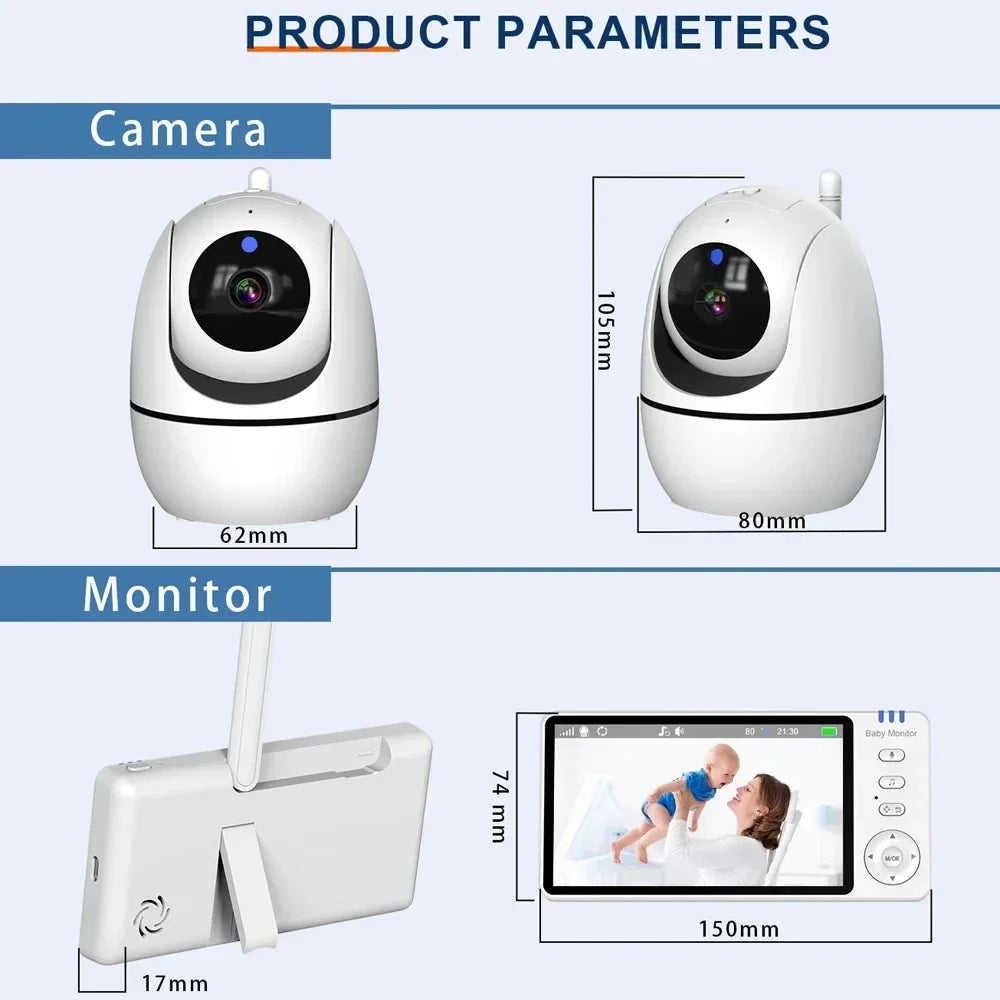
Real time baby sound alerts help you hear baby crying remotely 💡 See it in action
Common Alert Mistakes That Disrupt Sleep
Even good monitors can cause frustration if alerts are misused.
| Common Issue | Better Approach |
|---|---|
| Alerts set too sensitive | Adjust to trigger only meaningful sounds |
| Ignoring environment alerts | Use them to prevent wake-ups |
| Checking video constantly | Trust alerts to notify you |
Combining monitors with calming routines from Massage & Relaxation can also improve nighttime sleep for everyone.
A Simple Monitoring Setup That Makes Nights Easier
Understanding baby monitor alerts is easier with a reliable, clear system designed for nighttime use.
A dedicated video monitor like the 5-inch Video Baby Monitor PTZ HD offers clear audio, adjustable alerts, and smooth camera control so parents don’t need multiple devices.
- Clear sound for real time baby sound alerts
- Wide view to reduce unnecessary checks
- Stable connection to hear baby crying remotely
- Designed for parents peace of mind monitoring
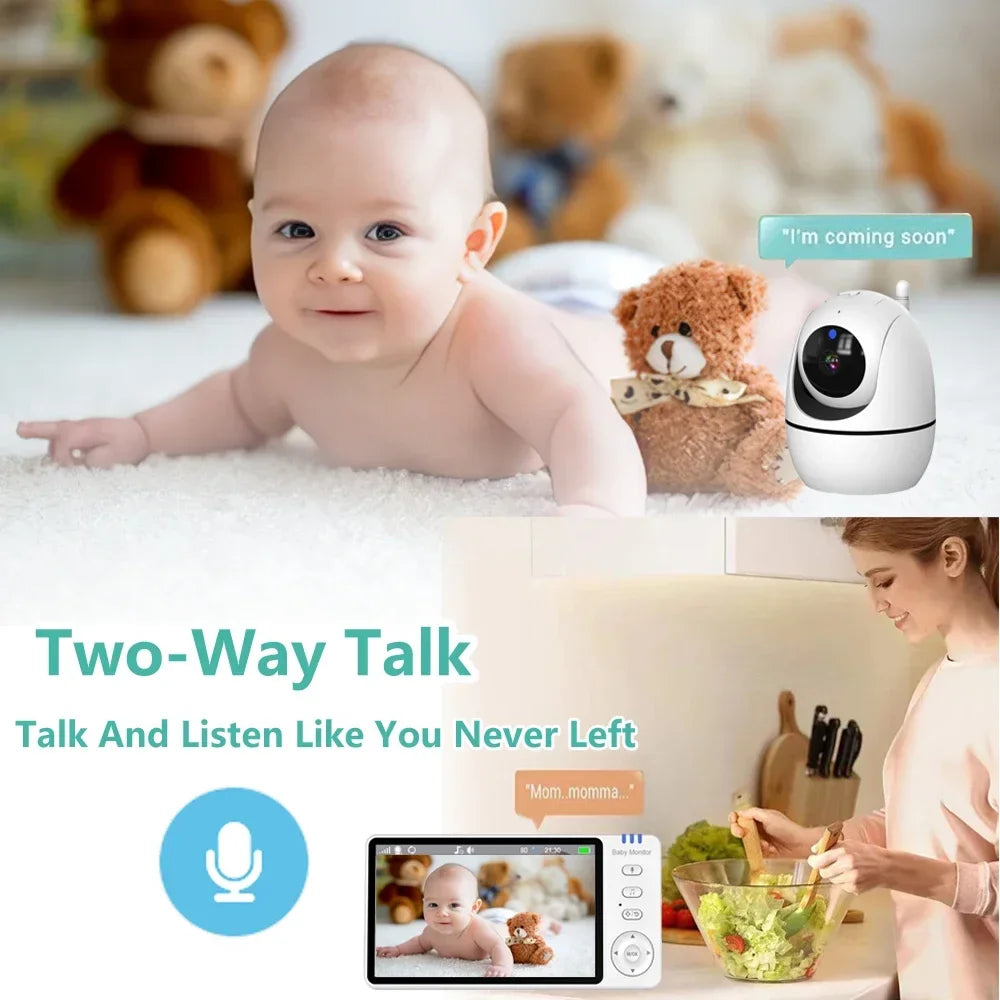
Parents peace of mind monitoring starts with understanding baby monitor alerts 💡 See it in action
Frequently Asked Questions
Do baby monitor alerts replace checking on my baby?
No. Alerts guide you on when to check, reducing unnecessary wake-ups while ensuring timely responses.
How do I know if alerts are set correctly?
If you wake only for meaningful events and feel confident letting your baby self-settle, your settings are working.
Can alerts help new parents sleep better?
Yes. Understanding baby monitor alerts reduces anxiety and builds trust in your monitoring setup.
Related Guide: Monitor Baby While Sleeping Step by Step for Peace of Mind





