

Breast Balance: Why Uneven Breasts Happen & What Helps
What does breast balance mean, and is uneven breast size normal?
Breast balance refers to how similar the two breasts appear in size, shape, position, and fullness. Uneven breast size, also called breast asymmetry, is extremely common and usually a normal variation of the body. Many women have one breast that is slightly larger, fuller, or positioned differently than the other.
Mild differences often become less noticeable as hormones stabilize, breastfeeding ends, posture improves, or chest muscle balance changes. However, significant asymmetry may not completely disappear naturally. The best uneven breast size solutions focus on realistic improvements, comfort, and understanding what changes are possible.
Uneven Breast Sizes: Solutions That Actually Work
⏱ 7 min read
Uneven breast sizes can feel confusing, especially during major body changes like puberty, pregnancy, breastfeeding, or postpartum recovery. If you notice one breast becoming fuller than the other, you may wonder whether uneven breast development is normal, how to even out breast size while breastfeeding, or whether the difference will resolve with time.
This guide explains why breasts become uneven, what changes naturally, which supportive methods may improve appearance and comfort, and when a breast difference should be checked by a healthcare professional.
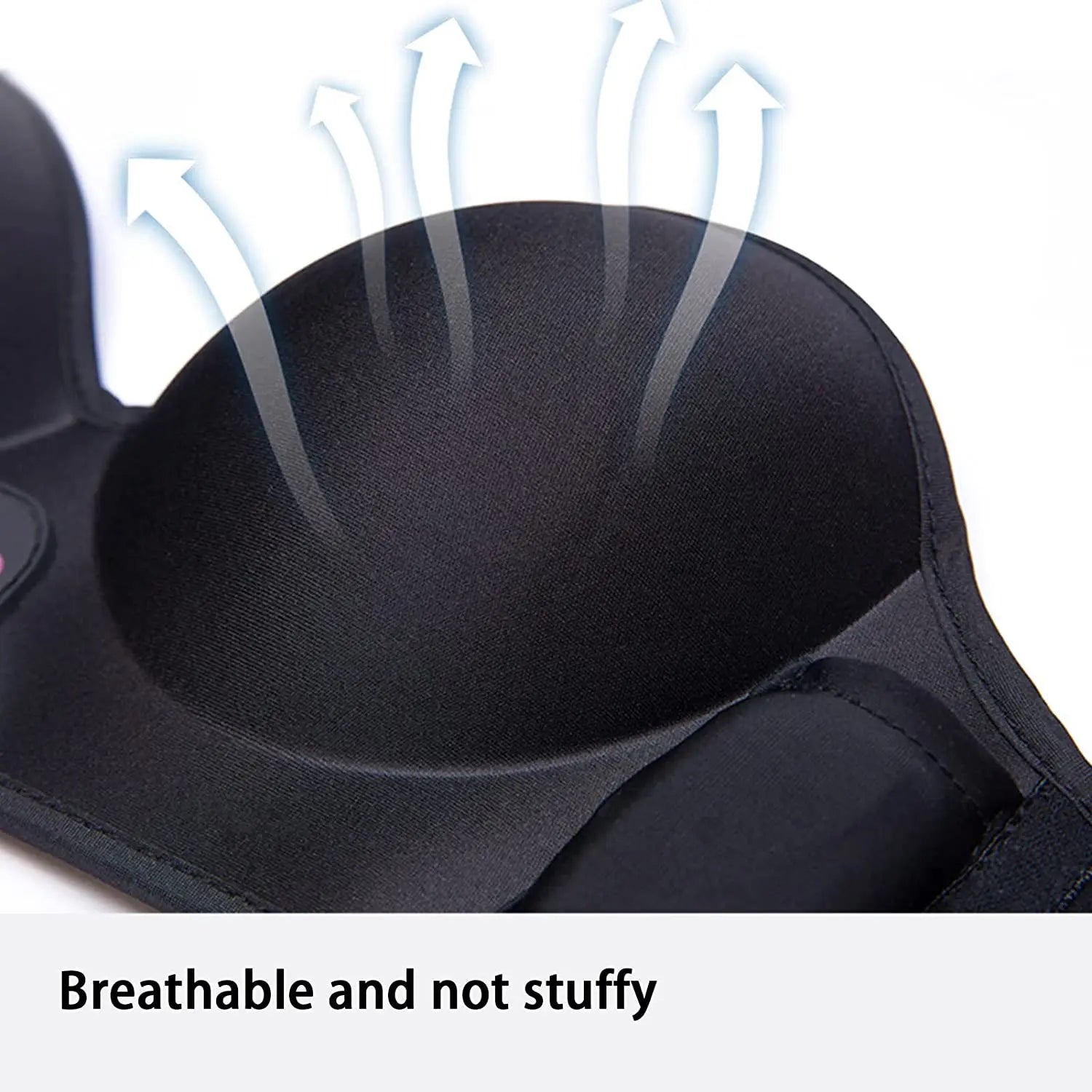
Uneven breast sizes during daily wear — understand causes and gentle solutions See it in action
Curious to explore gentle support options? Many women begin with simple comfort-focused tools designed to fit into everyday routines. Explore a wearable massage option for daily comfort
What does breast balance mean, and is uneven breast size normal?
Breast balance does not mean both breasts must look exactly identical. Natural breast asymmetry is expected because breast tissue, hormones, muscles, and skin elasticity can develop differently on each side.
What breast asymmetry looks like
- One breast appears slightly larger or fuller than the other.
- One nipple or breast sits at a different height.
- One side changes more during hormonal shifts.
- Breast shape differs slightly from left to right.
When uneven breasts are considered normal
Uneven breast size is usually normal when the difference develops gradually and does not involve pain, lumps, skin changes, or sudden enlargement. Many women notice differences during puberty, pregnancy, breastfeeding, or after weight changes.
Why breasts become uneven during and after breastfeeding
Breastfeeding is one of the most common times women notice a size difference between breasts. Milk production is controlled individually by each breast, meaning one side can naturally produce more milk or respond differently to feeding patterns.
Uneven breasts while breastfeeding
Uneven breasts while breastfeeding often happen because babies develop preferences for one side. A baby may latch more easily on one breast, causing that side to receive more stimulation and produce more milk.
- Baby prefers one breast during feeding.
- One side has a stronger milk supply.
- One breast is emptied more frequently.
- Latch differences affect stimulation.
Uneven breasts after breastfeeding
Uneven breasts after breastfeeding can happen because each breast responds differently to pregnancy hormones, milk production, and tissue stretching. After weaning, breast size often changes gradually over several months as milk production stops and tissues recover.
Hormonal and milk supply differences
Hormone fluctuations, breast storage capacity, and natural differences in glandular tissue can all contribute to uneven breast development. These differences do not necessarily indicate a problem.
Will uneven breasts even out naturally?
Many cases of uneven breast size improve naturally, especially when the cause is related to temporary hormonal changes, breastfeeding, or posture. However, results depend on age, genetics, skin elasticity, breastfeeding history, and the amount of asymmetry.
When natural balancing is more likely
- During late puberty as breast development continues.
- After breastfeeding ends and hormones stabilize.
- When temporary swelling or milk imbalance resolves.
- When posture and muscle balance improve.
When changes may be permanent
- Long-standing differences caused by genetics.
- Significant differences in breast tissue volume.
- Changes after pregnancy that do not resolve over time.
Recovery timeline
Breast balance after breastfeeding varies. Some women notice changes within a few months after weaning, while others experience gradual adjustment over a year or longer. Observation is often appropriate when changes are slow, symmetrical, and painless.
How to even out breasts while breastfeeding
If you are looking for how to even out breasts while breastfeeding, the goal is usually to encourage balanced stimulation while protecting milk supply.
Alternate feeding sides
Offer both breasts regularly rather than always starting with the preferred side. Balanced stimulation may help reduce differences caused by uneven demand.
Encourage milk production on the smaller side
- Offer the smaller breast first when your baby is willing to nurse.
- Use gentle breast compression during feeding.
- Ensure proper latch technique.
Pumping strategies
Pumping the less productive side after feeding may provide additional stimulation. However, increasing pumping should be done gradually to avoid discomfort or excessive milk production.
When not to force equal feeding
Do not force a baby to feed from one side if there are latch difficulties, pain, or medical reasons affecting feeding. A comfortable and effective feeding routine is more important than making both sides identical.
Non-surgical solutions for uneven breast size
Many women prefer non-surgical uneven breast size solutions that improve comfort or appearance without invasive procedures.
Supportive bras and inserts
- Correctly fitted bras can immediately improve visual balance.
- Removable inserts can compensate for noticeable size differences.
- Support reduces discomfort caused by uneven weight distribution.
Lifestyle adjustments
- Improve posture to create a more balanced appearance.
- Avoid consistently favoring one sleeping or carrying position.
- Maintain balanced upper-body movement.
When cosmetic options may be considered
Some women with significant asymmetry explore cosmetic procedures. These options should always involve consultation with a qualified medical professional to understand benefits, risks, and realistic outcomes.
Products found in the Beauty & Wellness and Massage & Relaxation collections are often used alongside comfort routines.
Can posture and exercises improve breast asymmetry?
Exercise cannot change breast tissue itself, but it may improve the appearance of uneven breast size by strengthening the chest muscles underneath the breasts and improving body alignment.
Chest-strengthening exercises
- Single-arm chest presses: Help improve muscle balance between sides.
- Wall push-ups: Support gradual chest strength development.
- Chest fly movements: Encourage balanced upper-body activation.
Posture correction
- Shoulder blade squeezes improve upper-body alignment.
- Chest-opening stretches reduce rounded shoulder posture.
- Breathing exercises encourage balanced ribcage movement.
What exercise cannot change
Exercises cannot make breast tissue grow evenly or remove natural differences in breast volume. They are best viewed as appearance-supporting strategies rather than a way to permanently reshape breasts.
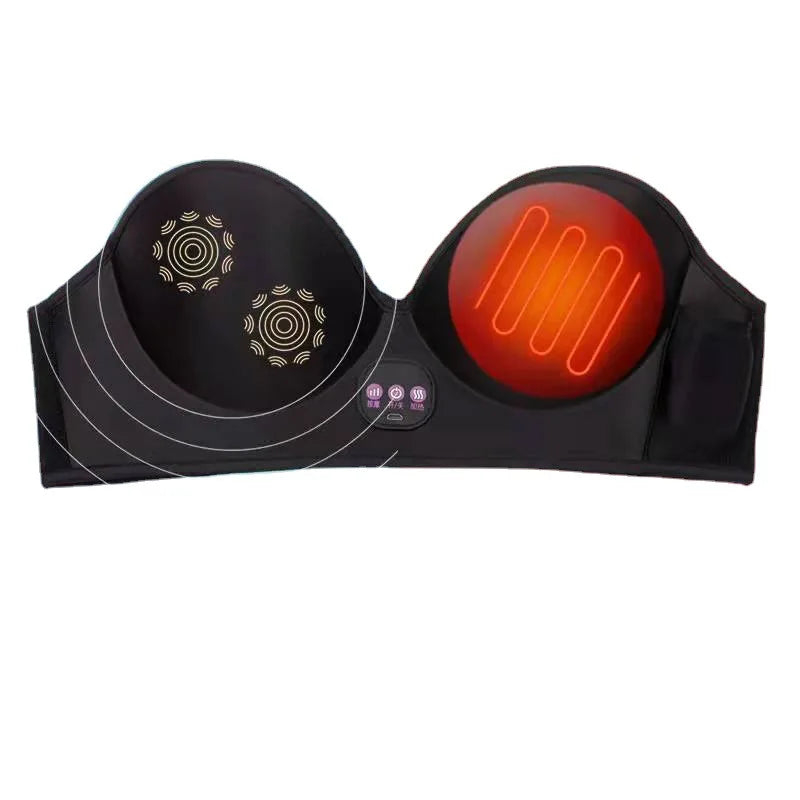
Posture and massage support for extremely uneven breasts See it in action
Want a hands-free way to support relaxation? Learn how wearable massage fits into daily routines
Massage tools and wearable support: what actually helps?
Massage is commonly used as a comfort practice for breast tension and surrounding muscle relaxation. However, it is important to understand the difference between supporting comfort and changing breast structure.
Manual massage
- ✔ Allows control over pressure and technique.
- ✔ Can support relaxation.
- ❌ Requires time and consistency.
Wearable massage support
- ✔ Hands-free and convenient.
- ✔ Fits easily into rest routines.
- ❌ Does not permanently change breast size.
Evidence and limitations
Massage may help some women feel more comfortable, especially when breast fullness or muscle tension is present. It should not be considered a guaranteed method for correcting significant breast asymmetry.
Comparison of common breast balance solutions
Home care vs exercise vs supportive products
| Option | Best For | Time to Notice Changes | Limitations |
|---|---|---|---|
| Supportive bras and inserts | Immediate appearance balance | Instant | Temporary adjustment |
| Posture correction | Visual symmetry and comfort | Weeks to months | Requires consistency |
| Targeted exercises | Chest muscle balance | Several weeks | Cannot change breast tissue size |
| Massage support | Relaxation and comfort | Depends on routine | Not a structural solution |
When uneven breasts could signal a medical problem
Most breast asymmetry is harmless, but sudden or unusual changes should be evaluated by a healthcare professional.
Warning signs
- Sudden breast size change without an obvious cause.
- A new lump or firm area.
- Persistent breast pain.
- Skin dimpling, redness, or unusual changes.
- Nipple discharge unrelated to breastfeeding.
When to see a healthcare professional
If uneven breasts after breastfeeding continue to worsen, appear suddenly, or occur with concerning symptoms, medical evaluation can help identify the cause and provide appropriate guidance.

Daily comfort routines for uneven breast sizes See it in action
Ready to support your routine? Discover a gentle option designed for everyday comfort
Frequently asked questions
Is it normal to have extremely uneven breasts?
Yes. Extremely uneven breasts can occur naturally, especially after puberty, pregnancy, or breastfeeding. However, sudden changes or unusual symptoms should be checked by a healthcare professional.
Can uneven breast development be reversed?
Uneven breast development may improve depending on the cause. Posture correction, balanced muscle development, breastfeeding adjustments, and supportive solutions can improve appearance, but they cannot always change natural breast tissue differences.
When should I seek medical advice?
Seek medical advice if asymmetry appears suddenly, is associated with pain, a lump, skin changes, or other unusual symptoms.
Can breastfeeding permanently change breast size?
Breastfeeding can contribute to lasting changes in breast size and shape for some women. The extent of change varies based on genetics, pregnancy changes, milk production, and skin elasticity.
Why is one breast producing more milk than the other?
One breast may produce more milk because of differences in milk storage capacity, stimulation frequency, latch quality, or natural breast variation.
How long does it take for breasts to become even after weaning?
Some women notice improvement within months after weaning, while others experience slower changes. Breast recovery depends on individual hormone levels and tissue response.
Can pumping help fix uneven breasts while breastfeeding?
Pumping may help stimulate milk production on the smaller side, but it should be used carefully to support feeding goals rather than force equal output.
Do chest exercises make breasts more even?
Chest exercises can improve muscle balance and posture, which may make asymmetry less noticeable. They do not directly change breast tissue size.
Are uneven breasts a sign of breast cancer?
Breast asymmetry alone is usually not a sign of breast cancer. However, new changes, lumps, pain, or skin abnormalities should be evaluated.
Should I always start feeding on the smaller breast?
Starting on the smaller breast may increase stimulation, but feeding comfort, latch quality, and milk supply goals should guide your routine.
Can supportive bras improve the appearance of uneven breasts?
Yes. Supportive bras and inserts can create a more balanced appearance immediately by improving fit and support.
Related Guide: Best Bra for Large Sagging Breasts: Top Picks Compared





