

Upper Back Pain After Workout: Massagers Compared
Does a massager help with upper back pain after workout?
Upper back pain after workout often comes from tight muscles and trigger points that stretching alone can’t release. A deep kneading back massager applies steady pressure to improve circulation, reduce stiffness, and support faster recovery, helping ease upper back soreness after workout when used correctly.
Upper Back Pain After Workout: Massagers Compared
⏱ 6 min read
Upper back pain after workout can linger longer than expected, especially when busy days and family routines leave little time for recovery. If stiffness creeps in while lifting kids, carrying bags, or sitting at a desk, the right massage approach can make a real difference—without adding stress to your schedule.
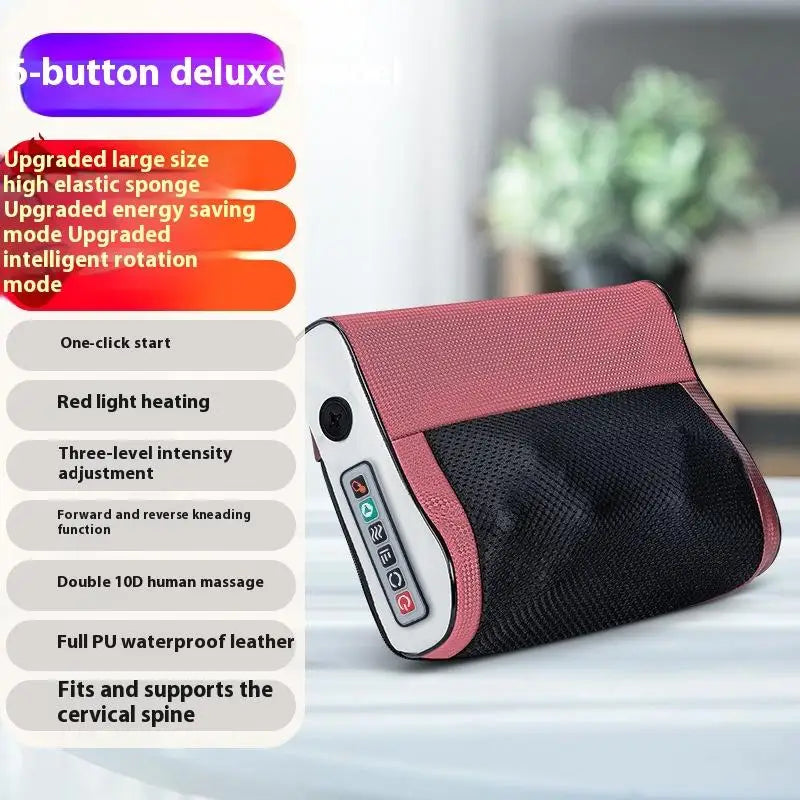
Upper back pain after workout relief starts with the right pressure — 💡 See it in action
Curious which option fits your routine best? Read on to see clear pros and cons and how each choice fits real-life recovery.
Why Does the Upper Back Hurt After a Workout?
Upper back pain after workout commonly appears when muscles like the trapezius and rhomboids work harder than usual. Poor posture, uneven strength, or sudden increases in intensity can cause micro-tension that turns into soreness the next day.
Common triggers parents and active adults notice
- Long hours sitting after training
- Carrying children or gear on one side
- Skipping cooldowns due to time pressure
- Stress tightening the shoulders unconsciously
How Massagers Support Faster Recovery
Upper back pain after workout responds well to consistent pressure and warmth. Massage for sore muscles after workout increases blood flow, helps muscles relax, and may shorten the time soreness sticks around—especially when sessions are short and regular.
What a deep kneading back massager does differently
- Targets trigger points with rotating nodes
- Reaches under shoulder blades more easily
- Provides even pressure without hand fatigue
- Fits into short breaks at home
Many families keep recovery tools near daily essentials to stay consistent. Exploring options in Massage & Relaxation can help pair comfort with routine.
Types of Massagers Compared
Upper back soreness after workout doesn’t have a one-size solution. Here’s how common options compare based on pressure, ease, and everyday use.
Handheld vibration massagers
Lightweight and portable, these offer surface-level relief. They’re easy to grab between tasks but may struggle with deeper knots.
Foam rollers
Effective for broad muscle groups, yet they require floor space and effort—often hard to fit into busy evenings.
Deep kneading back massagers
Designed to mimic hands-on pressure, these focus on stubborn tension and can be used seated, making them practical for parents.
Side-by-Side Comparison
| Option | Pressure Depth | Ease of Use | Best For |
|---|---|---|---|
| Handheld Vibration | Low–Medium | High | Quick touch-ups |
| Foam Roller | Medium | Low | Full-back mobility |
| Deep Kneading Back Massager | High | High | Targeted upper back pain after workout |
Want a focused option? A deep kneading back massager with heat can support relaxation while managing daily responsibilities.
👉 Explore a deep kneading back massager designed for upper back recovery
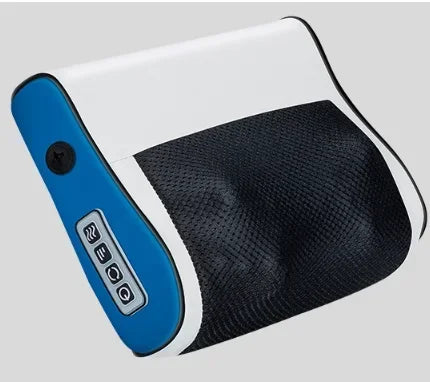
Massage for sore muscles after workout that fits busy evenings — 💡 See it in action
Who Each Option Is Best For
Choosing relief depends on lifestyle as much as soreness level.
- Active parents: Deep kneading back massagers save time and reduce hand strain.
- Gym-focused athletes: Foam rollers complement mobility sessions.
- On-the-go relief: Handheld devices fit travel bags.
Pairing recovery with calming routines—like warm showers or bedtime wind-downs—often improves consistency. Collections such as Beauty & Wellness and Sleep & Comfort can support relaxation habits.
Safe Use at Home
Upper back pain after workout improves when tools are used thoughtfully.
- Start with low intensity for 5–10 minutes
- Avoid direct pressure on the spine
- Use heat only on relaxed muscles
- Stop if sharp pain appears
Keeping safety in mind is especially important in shared spaces. Resources in Health & Safety help maintain peace of mind.
👉 Learn how a heated deep kneading back massager fits into nightly recovery
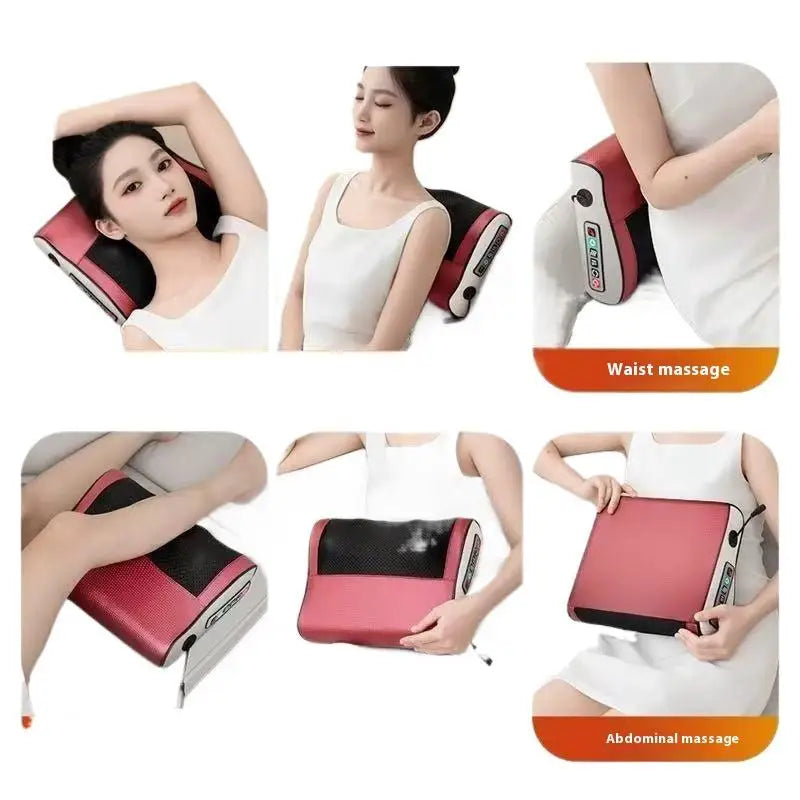
Upper back soreness after workout eased with consistent care — 💡 See it in action
Quick FAQs
How often should I use a massager for upper back pain after workout?
Most people benefit from 5–15 minutes per session, up to once daily, depending on soreness and comfort.
Is heat necessary for recovery?
Heat can help relax muscles and improve comfort, especially after intense training or long days.
Can massagers replace stretching?
They work best together. Massage supports relaxation, while stretching maintains mobility.
👉 Bring faster, calmer recovery into your routine today
Related Guide: Best Massage for Sore Muscles: Top Options Compared





