

Ways to Warm Cold Mattress Before You Get In
What are the best ways to warm a cold mattress before getting in?
Ways to warm cold mattress focus on preheating the bed surface so heat is trapped before your body touches it. Simple steps like using heated layers, choosing heat-retaining fabrics, and warming airflow can quickly solve the problem when the bed feels cold at night and improve consistent warmth sleep comfort.
Ways to Warm Cold Mattress Before You Get In
⏱ 7 min read
Ways to warm cold mattress can completely change how you feel about bedtime—especially when the bed feels cold at night and you’re already exhausted. Instead of bracing yourself for an icy shock, imagine slipping into a cozy, welcoming bed that supports staying warm in bed and promotes consistent warmth sleep comfort from the very first minute.
Have you ever hesitated at bedtime because the mattress felt colder than the room? Many parents, caregivers, and wellness-focused sleepers deal with this nightly frustration—especially during winter or in air-conditioned homes. The good news: you can warm your mattress efficiently without raising energy bills or sacrificing safety.
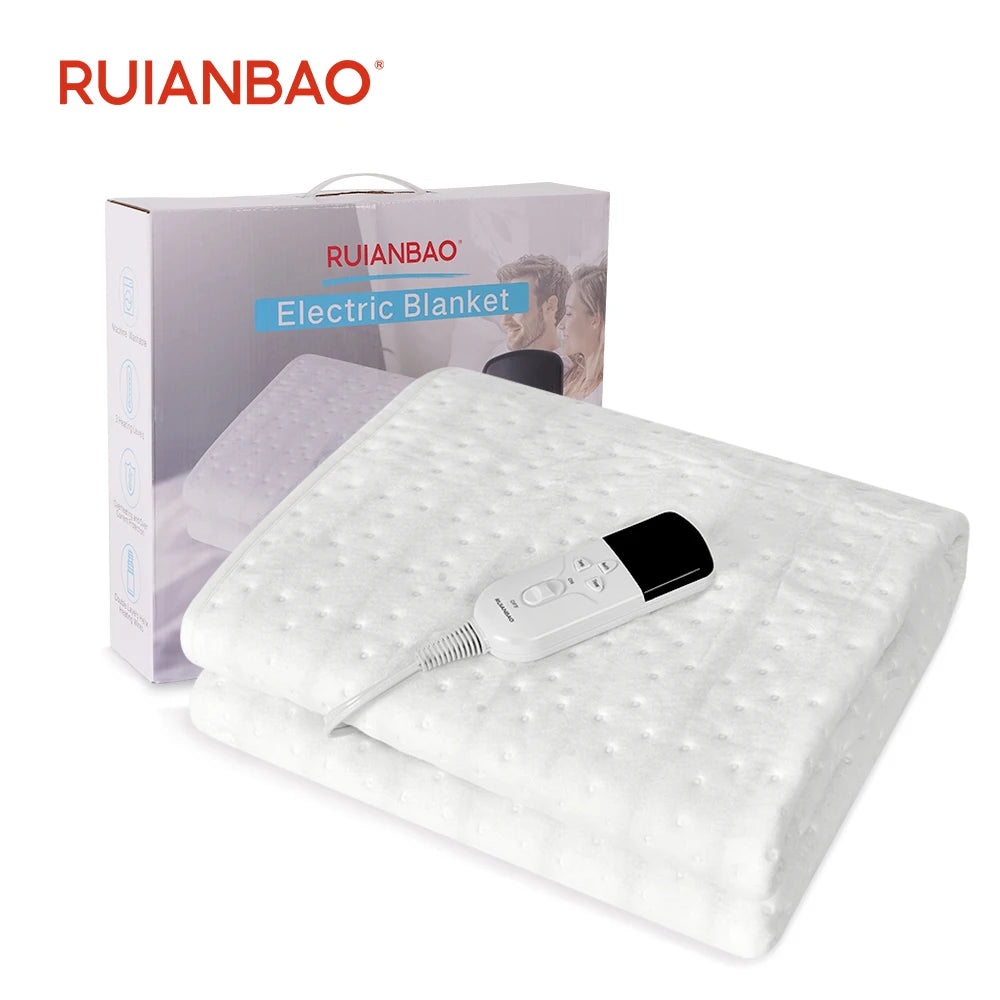
Ways to warm cold mattress when the bed feels cold at night — 💡 See it in action
Why Your Bed Feels Cold at Night (Even in a Warm Room)
A mattress often feels colder than the surrounding air because foam and springs absorb heat slowly. When you lie down, your body transfers warmth into the mattress, creating that initial chill. Drafts, low humidity, and breathable bedding can make the sensation worse.
- Mattresses store cold longer than air
- Thin sheets allow heat to escape quickly
- Nighttime circulation drops body temperature
- Air conditioning or winter drafts cool the bed surface
This is why pre-warming the mattress—not just the room—is key to staying warm in bed.
Fastest Ways to Warm a Cold Mattress Before Bed
Ways to warm cold mattress work best when heat is added before you lie down, not after. Preheating allows materials to trap warmth so your body doesn’t have to do all the work.
- Preheat with a warming layer: Add gentle heat 10–20 minutes before bedtime.
- Trap heat with insulating fabrics: Use materials designed to retain warmth.
- Block cold air: Reduce drafts around the bed area.
- Warm from the bottom up: Heat below the top sheet for better retention.
Which option fits your routine best? Keep reading to see how each method compares.
How Fabric and Layering Create Staying Warm in Bed
The right layers act like insulation, holding warmth close to your body. When the bed feels cold at night, switching fabrics often makes a bigger difference than adding more blankets.
| Fabric Type | Warmth Retention | Best For |
|---|---|---|
| Flannel | High | Cold winter nights |
| Fleece | Very High | Quick heat trapping |
| Cotton | Low–Medium | All-season comfort |
Layering a warming sheet or blanket between the mattress and top sheet is one of the simplest ways to improve consistent warmth sleep comfort.
Why a Heated Blanket Is the Easiest Way to Warm a Cold Mattress
Ways to warm cold mattress become far more effective when controlled heat is applied evenly across the bed. A heated blanket placed over the mattress warms the surface directly, reducing heat loss and eliminating that icy first contact.
Parents often prefer this method because it’s predictable, fast, and easy to turn off once the bed is warm.
- Pre-warms the mattress in minutes
- Even heat distribution
- Helps maintain consistent warmth sleep comfort
- No need to overheat the room
Many families pair this approach with items from Sleep & Comfort collections to create a cozy nighttime routine.
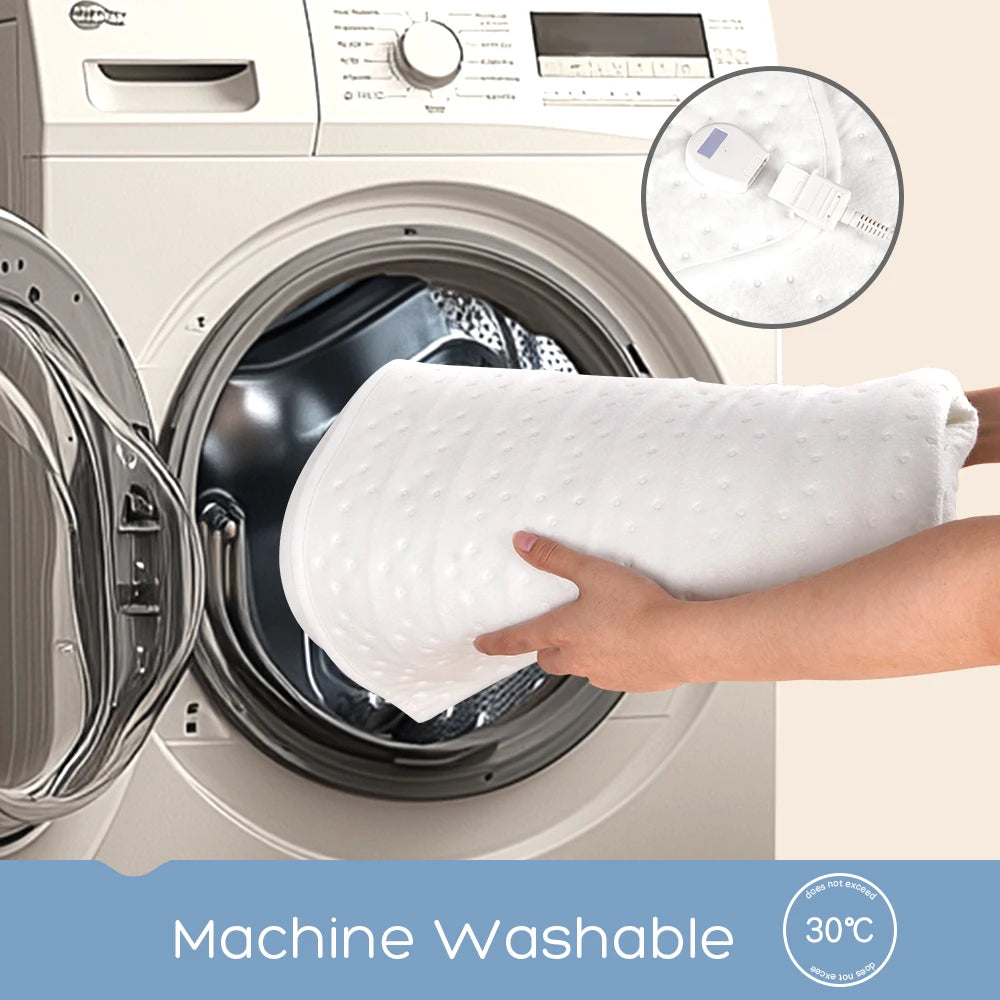
Ways to warm cold mattress fast for staying warm in bed — 💡 See it in action
For those who want a simple setup, a heated blanket with a timer allows preheating without worry. Set it, let the mattress warm, then enjoy climbing into bed without the shock.
Preparing the Bedroom to Support Consistent Warmth Sleep Comfort
Warming the mattress works best when the room supports heat retention. Small changes can prevent warmth from escaping once the bed is ready.
- Close windows and seal drafts near the bed
- Use area rugs to reduce floor cold
- Keep humidity balanced to reduce chill
- Position the bed away from exterior walls
Many caregivers combine these steps with gentle relaxation tools from Massage & Relaxation to help the body unwind and stay warm longer.
Common Mistakes That Keep the Bed Feeling Cold
- Turning heat on only after getting into bed
- Using breathable summer sheets in winter
- Warming the room but not the mattress
- Removing heat sources too early
Avoiding these mistakes can significantly improve staying warm in bed, especially during colder months.

Consistent warmth sleep comfort starts before you lie down — 💡 See it in action
Ready to make bedtime easier? Many households rely on a heated blanket with a timer as their go-to solution for warming the mattress safely and efficiently.
Quick FAQ
How long should I warm my mattress before bed?
Most mattresses feel comfortably warm after 10–20 minutes of preheating, depending on room temperature and bedding layers.
Is warming the mattress better than heating the room?
Yes. Direct mattress warming targets where your body needs heat most, improving comfort without overheating the entire room.
What’s the safest way to keep warmth consistent overnight?
Using controlled heat sources with timers and pairing them with insulating bedding helps maintain consistent warmth sleep comfort without excess heat.
Related Guide: How to Stay Warm Sleeping Through Cold Nights





