

Green Noise vs White Noise: Which One Fits You?
What is the main difference between green noise and white noise?
The main difference between green noise vs white noise is how their sound energy is distributed. White noise spreads energy broadly across the audible frequency range, creating a steady hiss that masks many background sounds. Green noise emphasizes more mid-range frequencies and is often perceived as softer or more balanced. Neither is universally better—comfort and effectiveness depend on the listener, the environment, and the intended use.
Green Noise vs White Noise: Which Sound Is Better?
⏱ 7 min read
Choosing between
green noise vs white noise
depends on what you want the sound to accomplish. Some people prefer white noise for masking distracting household sounds, while others find green noise gentler for relaxation or sleep. Understanding how each sound differs can help you select the right option for sleeping, focusing, studying, or creating a calmer environment.
Background sound has long been used to reduce the impact of sudden noises and create a more consistent listening environment. Whether you're trying to sleep through street traffic, concentrate while working, or relax after a busy day, different noise colors offer different listening experiences.
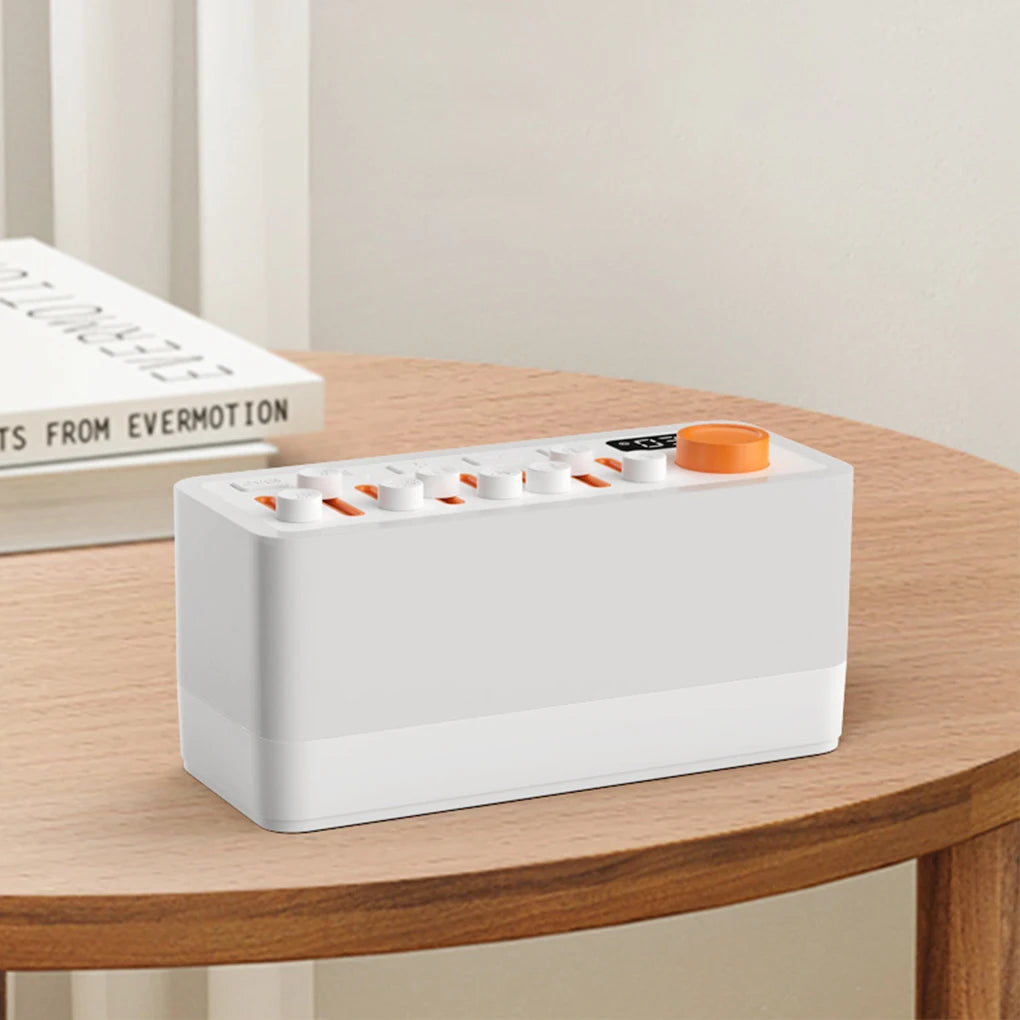
Comparing green noise and white noise helps you choose the sound profile that best matches your listening preferences.
Green Noise vs White Noise: What's the Difference?
The difference between white noise and green noise comes down to their frequency emphasis. White noise contains sound energy across the full range of audible frequencies, giving it a consistent hiss similar to television static or steady airflow. Green noise, by comparison, emphasizes middle frequencies and is commonly described as smoother, softer, or closer to natural ambient sounds.
Although people often debate green noise versus white noise , there is no universally superior option. White noise may provide stronger masking of varied environmental sounds, while green noise may feel more comfortable for listeners who are sensitive to higher frequencies.
Many sound machines include multiple sound colors, allowing users to experiment and discover which profile feels most comfortable for sleep, relaxation, or concentration.
Green Noise vs White Noise: Key Differences at a Glance
| Feature | Green Noise | White Noise |
|---|---|---|
| Frequency Profile | Emphasizes mid-range frequencies | Broad energy across audible frequencies |
| Perceived Sound | Softer, smoother, more natural to many listeners | Steady hiss similar to static or airflow |
| High-Frequency Emphasis | Lower | Higher overall presence |
| Masking Ability | Can reduce distractions while remaining gentle | Excellent for masking a wide range of background noises |
| Common Uses | Sleep, relaxation, meditation | Sleep, studying, offices, noisy environments |
This comparison highlights measurable sound characteristics, but personal listening preferences still play a major role. What sounds calming to one person may feel distracting to another.
What Does Green Noise Sound Like?
Green noise is often described as balanced and gentle. Instead of emphasizing the highest audible frequencies, it focuses more on the middle portion of the sound spectrum. Many listeners compare it to distant waterfalls, flowing rivers, gentle rainfall, or soft wind through leaves, although individual recordings vary.
Because there is no single universally accepted technical definition for green noise, recordings labeled as green noise may sound slightly different from one source to another. Even so, most versions aim to create a calmer listening experience than traditional white noise.
Some people find green noise easier to listen to for long periods because its reduced emphasis on higher frequencies can feel less sharp or fatiguing.
What Does White Noise Sound Like?
White noise distributes sound energy broadly across the audible frequency range, creating the familiar steady hiss heard from television static, fans, or air-conditioning systems. Because all frequencies are present, it provides consistent broadband sound that can effectively reduce the perception of sudden environmental noises.
This broad masking ability explains why white noise is widely used for sleep, office environments, and study sessions. However, some listeners perceive the higher-frequency content as brighter or harsher, especially when played louder than necessary.
Green Noise vs White Noise for Sleep: Which Is Better?
When comparing green noise vs white noise for sleep , neither option works best for everyone. The ideal choice depends on your sound preferences and the types of background noise you're trying to reduce.
When Green Noise May Feel More Comfortable
Green noise may be a good option if you prefer softer ambient sounds or find high-frequency audio tiring. Some listeners describe it as less intrusive during long overnight listening sessions.
When White Noise May Be Better at Masking Disturbances
White noise often masks unpredictable sounds such as conversations, traffic, doors closing, or neighborhood activity because of its broad frequency coverage. If environmental interruptions are your biggest challenge, white noise may provide more effective masking.
Whichever sound you choose, start at the lowest comfortable volume and try each option over several nights before deciding which supports better sleep.
Which Is Better for Focus, Relaxation, and Background Noise?
For Concentration and Studying
Many people choose white noise when working or studying because its steady broadband sound helps reduce awareness of conversations and other distractions. Others prefer green noise if continuous hiss feels distracting.
Green noise is often favored for relaxation because many listeners perceive its mid-frequency emphasis as calmer and less intense. Individual preferences, however, vary considerably.
For Masking Household or Environmental Noise
White noise generally provides broader masking across different types of environmental sounds, while green noise may offer a more comfortable listening experience during extended sessions. The best choice depends on your surroundings and hearing preferences.
Green Noise vs White Noise: How to Choose
Choose Green Noise If You Prefer a Smoother Sound
If you enjoy softer, more natural-sounding background audio, green noise may provide a more relaxing experience for sleep or quiet activities.
Choose White Noise If You Need Broad Noise Masking
White noise is often the better choice when you need to minimize awareness of conversations, traffic, office sounds, or other unpredictable environmental noise.
Try Both If You Are Sensitive to Certain Frequencies
The easiest way to decide between green vs white noise is to test each for several sessions. Pay attention to sleep quality, comfort, concentration, and whether background sounds become less distracting.
Can Green Noise Help With Tinnitus or Sound Sensitivity?
Some people with tinnitus or sound sensitivity experiment with different noise colors because certain frequency profiles feel more comfortable than others. However, neither green noise nor white noise should be considered a treatment for tinnitus.
Preferences vary widely. One listener may find white noise masks ringing effectively, while another may prefer the softer character of green noise. Persistent, worsening, or distressing tinnitus should always be evaluated by a qualified healthcare professional or hearing specialist.
How to Use Green Noise or White Noise Effectively
- Start with a comfortable low volume rather than the loudest setting.
- Select one sound and use it consistently for your intended purpose.
- Test green noise and white noise over several sessions before comparing results.
- Adjust based on sleep quality, concentration, comfort, and background-noise masking rather than assuming one sound is always better.
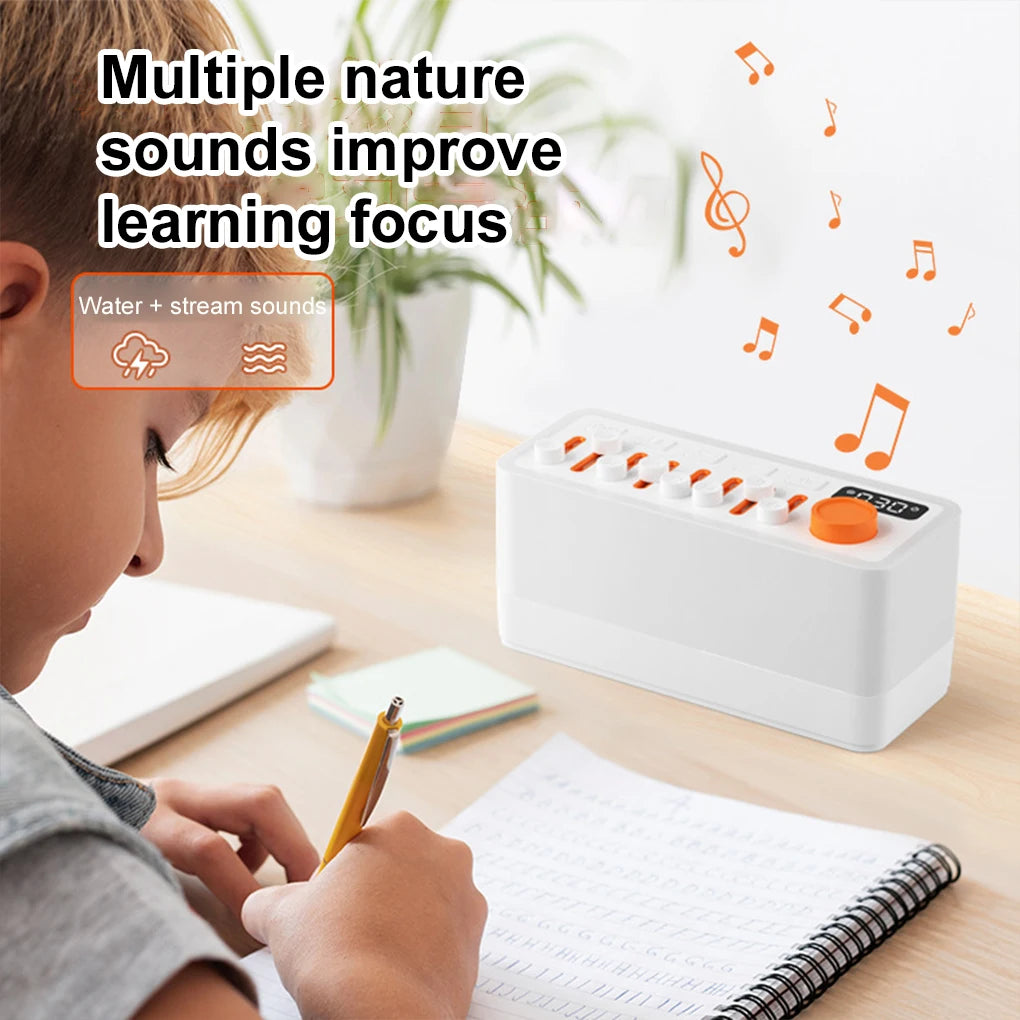
Testing both green noise and white noise at comfortable listening levels helps identify the sound that works best for your environment.
Frequently Asked Questions
What is the main difference between green noise and white noise?
The main difference is frequency emphasis. White noise spreads energy across the audible spectrum, while green noise emphasizes mid-range frequencies and is often perceived as smoother.
Is green noise better than white noise for sleep?
Not necessarily. Some people sleep better with green noise because it feels gentler, while others prefer the stronger masking ability of white noise. Personal preference and environmental noise both matter.
Is green noise better than white noise for focus?
It depends on the individual. White noise often masks distractions more broadly, while green noise may be more comfortable during long study or work sessions.
Which noise is better for masking background sounds?
White noise generally masks a wider variety of background sounds because it contains energy across the audible frequency range. Green noise may still reduce distractions while offering a softer listening experience.
Can I use green noise or white noise every night?
Many people use either sound nightly without issue. Keep the volume at a comfortable level and adjust it if it becomes distracting or uncomfortable.
Why does white noise sound harsher to some people?
Because white noise includes more high-frequency energy than green noise, some listeners perceive it as brighter or sharper. Those who are sensitive to higher frequencies may prefer the smoother character of green noise.





