

Workouts With Resistance Bands Legs for Home and Gym Users
Do workouts with resistance bands legs really work?
Workouts with resistance bands legs are highly effective for building strength, stability, and muscle tone without heavy equipment. The constant tension increases lower body muscle activation, protects joints, and adapts easily for workouts with resistance bands at home or in the gym, making them ideal for a workout with limited equipment.
Workouts With Resistance Bands Legs for Home and Gym Users
⏱ 8 min read
Workouts with resistance bands legs offer a flexible, joint-friendly way to strengthen your lower body whether you’re squeezing in a session at home or adding variety to gym training. For busy parents, caregivers, and wellness-focused adults, resistance bands make it easier to stay consistent, feel stronger, and move better without bulky gear or long setup times.
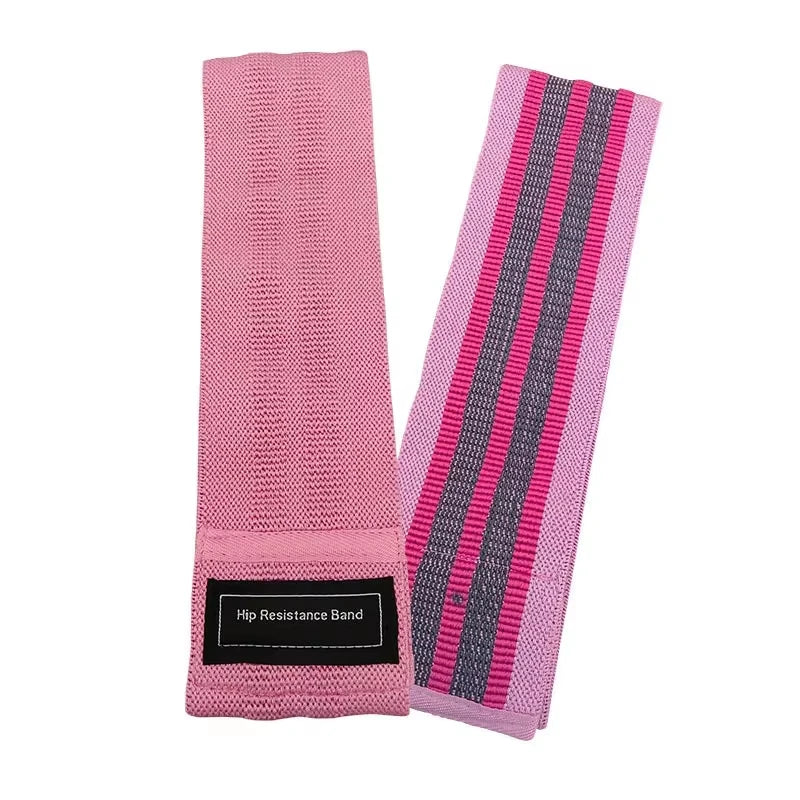
Workouts with resistance bands legs for home routines and small spaces 💡 See it in action
Ever feel like leg workouts fall off your routine because getting to the gym feels impossible? Resistance bands remove that barrier. They fit in a drawer, travel easily, and still deliver a serious burn. For parents balancing family life or anyone prioritizing wellness at home, they turn short windows of time into meaningful strength sessions.
Why Resistance Bands Are Ideal for Leg Training
Resistance bands create tension through the entire movement, unlike free weights that rely on gravity. This makes workouts with resistance bands legs especially effective for controlled strength building and joint support.
- Continuous tension throughout each exercise
- Lower impact on knees, hips, and ankles
- Easy to scale intensity up or down
- Perfect for a workout with limited equipment
Many wellness-focused moms pair band workouts with recovery tools from Massage & Relaxation collections to stay consistent without burnout.
How Resistance Bands Improve Lower Body Muscle Activation
Workouts with resistance bands legs encourage muscles to stay engaged from start to finish. This leads to better mind-muscle connection and balanced strength across glutes, quads, hamstrings, and calves.
Why activation matters
Strong muscle activation supports daily movement, posture, and injury prevention. For parents constantly lifting, squatting, and carrying, this translates into feeling more stable and energized.
Workouts With Resistance Bands at Home: Simple, Effective Routines
Workouts with resistance bands at home are ideal when time and space are limited. A single band can replace multiple machines, making it easier to stay active between family responsibilities.
Key benefits for home users
Workouts with resistance bands legs fit seamlessly into home wellness routines, especially when paired with calming environments and flexible schedules.
- No loud equipment or heavy weights
- Safe to use around children
- Quick setup and cleanup
- Easy to combine with mobility work
For added comfort during floor exercises, many users explore supportive wellness items found in Beauty & Wellness collections.
Using Resistance Bands for Leg Workouts at the Gym
Even experienced gym users benefit from adding bands to traditional routines. They enhance warm-ups, accessory work, and finisher sets.
Smart ways to use bands at the gym
- Activate glutes before squats or deadlifts
- Add tension to leg presses and lunges
- Improve stability during single-leg movements
These techniques help bridge the gap between strength training and functional movement, supporting long-term wellness.
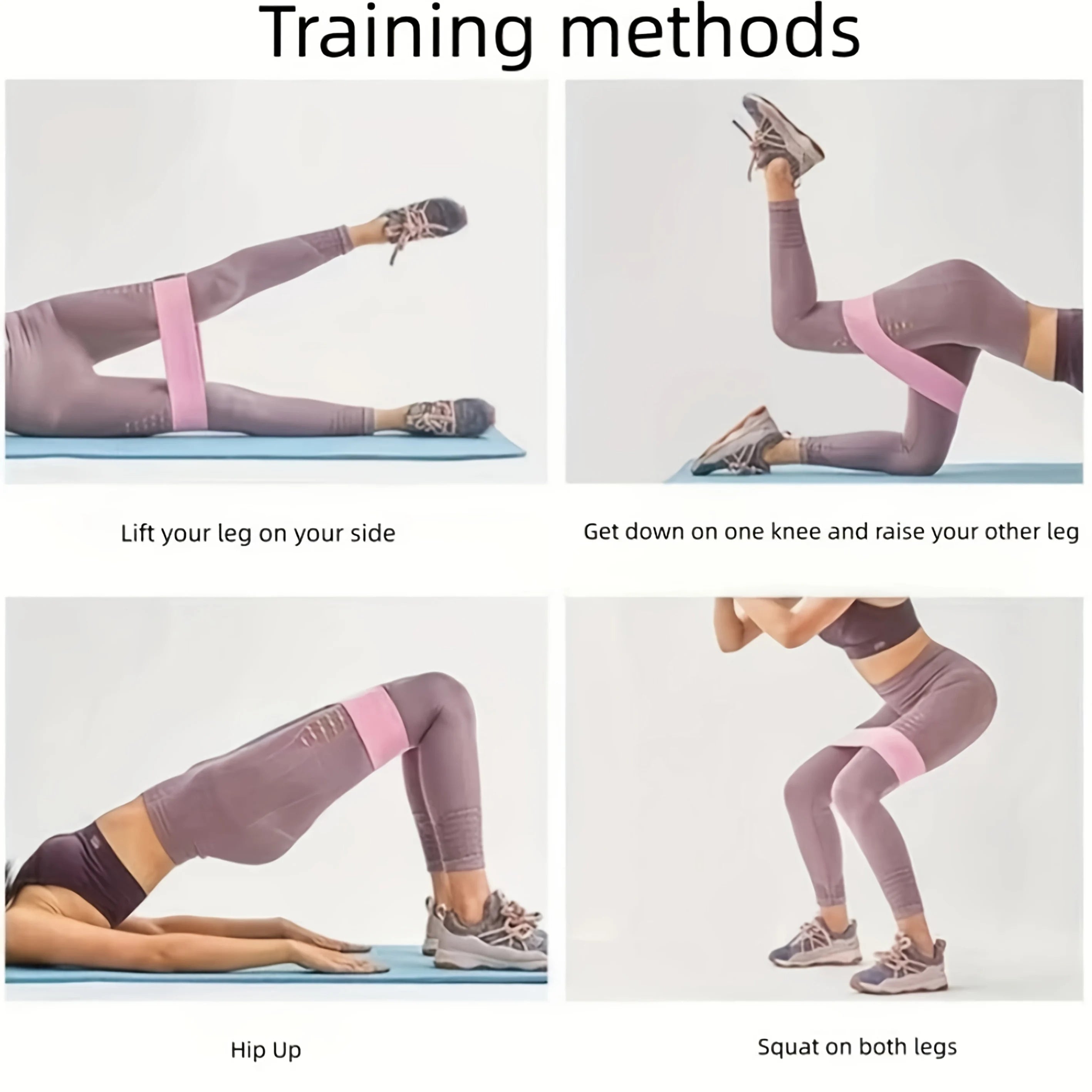
Lower body muscle activation using resistance bands at home and gym 💡 See it in action
Essential Resistance Band Leg Exercises
Workouts with resistance bands legs rely on simple movements performed with control. These exercises target all major lower body muscles.
Top band exercises to include
- Band squats
- Glute bridges
- Lateral band walks
- Standing kickbacks
- Hamstring curls
Rotating these movements keeps workouts engaging and balanced.
How to Structure a Full Leg Day With Bands
A complete band-based leg workout can be done in 25–40 minutes, making it realistic for busy schedules.
- Warm-up with light band activation (5 minutes)
- Main strength sets (15–25 minutes)
- Finisher or burnout set (5 minutes)
- Stretch and recovery (5 minutes)
This structure supports consistency without overwhelming your day.
Who Benefits Most From Resistance Band Leg Training
Workouts with resistance bands legs are especially helpful for:
- Parents returning to exercise after pregnancy
- Adults managing joint sensitivity
- Anyone training at home or traveling
- Wellness-focused users seeking balance
Many parents integrate band workouts alongside gentle mobility tools from Mobility & Training collections to support long-term movement health.
Recovery, Safety, and Comfort Tips
Recovery is just as important as training. Bands reduce impact, but listening to your body remains key.
- Start with lighter resistance
- Focus on slow, controlled movements
- Stretch hips and hamstrings after sessions
- Use supportive recovery routines
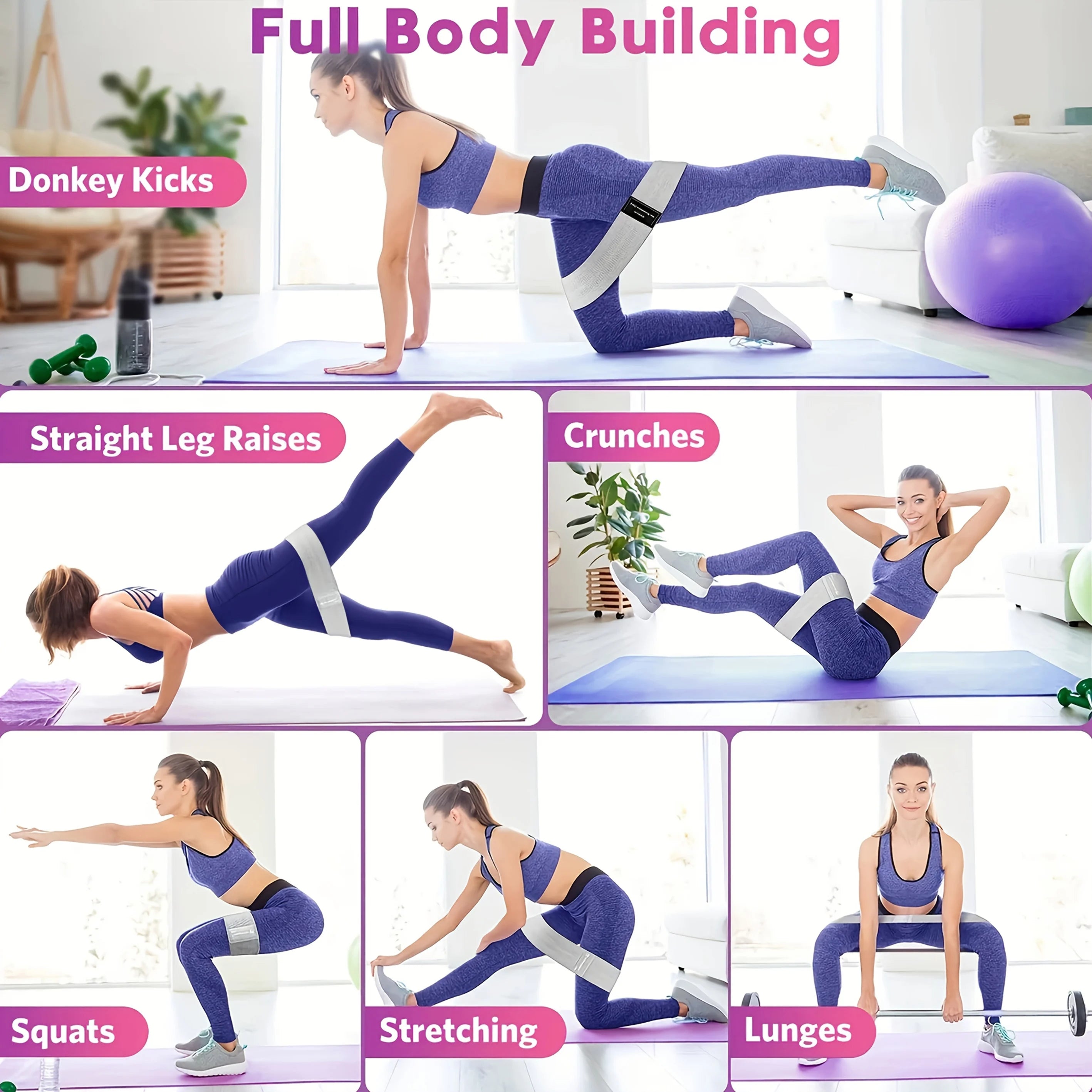
Workout with limited equipment using resistance bands legs 💡 See it in action
Combining resistance band workouts with calming recovery habits helps maintain consistency and confidence.
Frequently Asked Questions
Can resistance bands really build leg strength?
Yes. When used with proper tension and control, resistance bands effectively build strength and endurance by maintaining muscle engagement throughout each movement.
Are resistance band leg workouts safe for beginners?
They are generally safe and beginner-friendly, especially because resistance can be adjusted easily. Starting slow and focusing on form reduces injury risk.
How often should I do leg workouts with resistance bands?
Most people see benefits training legs two to three times per week, allowing rest days for recovery and muscle adaptation.





