

Yoga Ball Pregnancy Exercises to Ease Pain & Build Stability
Yoga Ball Pregnancy Exercises: Benefits, Safety, and Getting Started
What is a yoga ball for pregnancy?
Yoga ball pregnancy exercises use a large stability ball to support gentle movement, improve posture, and reduce strain on joints during pregnancy. Because the ball creates a slightly unstable surface, it encourages your core, hips, and pelvic floor muscles to work together while keeping movements low impact.
Yoga ball pregnancy benefits
For many healthy pregnancies, using a yoga ball can:
- Reduce lower back and pelvic discomfort by encouraging better posture.
- Improve hip mobility as your body prepares for birth.
- Support balance while adapting to a changing center of gravity.
- Promote gentle pelvic floor engagement.
- Encourage healthy movement during long periods of sitting.
- Provide a comfortable position for relaxation and breathing exercises.
Consistent yoga ball pregnancy exercises are especially popular during the second and third trimesters because they can help maintain mobility without placing excessive stress on joints.
Who should avoid yoga ball exercises during pregnancy?
Although pregnancy and yoga ball exercises are appropriate for many expecting mothers, they are not suitable for everyone. Speak with your healthcare provider before beginning if you have:
- Placenta previa after your provider's recommended activity restrictions.
- Preterm labor risk or cervical insufficiency.
- Uncontrolled high blood pressure or preeclampsia.
- Persistent vaginal bleeding.
- Any condition where your obstetrician or midwife has advised limiting exercise.
If you experience dizziness, contractions that become regular, leaking fluid, chest pain, severe headache, or reduced fetal movement, stop exercising and contact your healthcare provider immediately.
Yoga Ball Exercise for Pregnancy: Real User Reviews and Benefits
⏱ 10 min read
Yoga ball exercise for pregnancy offers a gentle way to stay active while easing common pregnancy discomforts. With the right techniques and safety precautions, a stability ball can help improve posture, increase hip mobility, strengthen supporting muscles, and prepare your body for labor throughout every trimester.
Explore the yoga balance ball trusted by moms
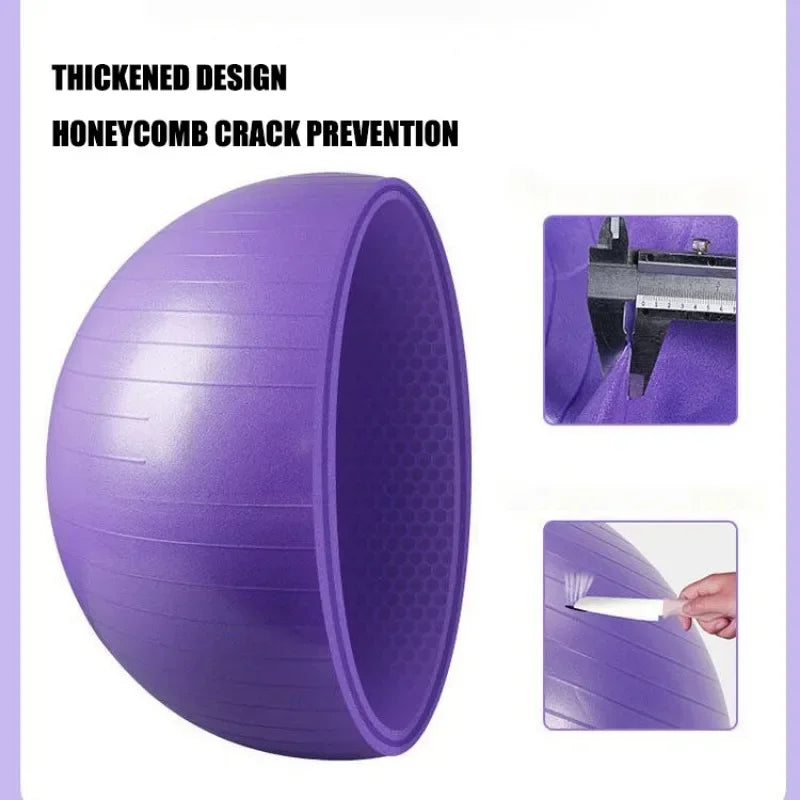
Yoga ball exercise for pregnancy to improve comfort and balance. See it in action.
How to Use a Yoga Ball During Pregnancy Safely
Choose the correct ball size
The correct size allows your hips to sit slightly higher than your knees while your feet remain flat on the floor.
- 55 cm ball: most users under 5 ft 4 in (163 cm)
- 65 cm ball: approximately 5 ft 4 in to 5 ft 10 in (163–178 cm)
- 75 cm ball: taller than 5 ft 10 in (178 cm)
Set up a safe exercise space
- Place the ball on a non-slip floor.
- Exercise near a wall or sturdy chair for support.
- Wear supportive footwear or go barefoot on a stable surface.
- Avoid slippery rugs or uneven flooring.
Breathing and posture tips
Maintain a neutral spine, relax your shoulders, and breathe slowly through each movement. Exhale during effort and avoid holding your breath, which can increase unnecessary pressure.
Warning signs to stop exercising
Stop your pregnancy exercise on a yoga ball if you feel lightheaded, develop painful contractions, experience vaginal bleeding, notice leaking amniotic fluid, or have sudden severe pain. Contact your healthcare provider if symptoms persist.
For additional guidance, explore our resources on Health & Safety .
Best Yoga Ball Pregnancy Exercises
Pelvic tilts
Sit upright and gently rock your pelvis forward and backward while maintaining a tall posture. Repeat for 10–15 slow repetitions to improve pelvic mobility.
Hip circles
Move your hips in slow circles in both directions for one to two minutes to reduce stiffness around the hips and lower back.
Gentle bouncing
Perform small, controlled bounces while sitting tall. This movement promotes relaxation without excessive impact.
Cat-cow at the ball
Place your forearms on the ball while kneeling and gently alternate between rounding and extending your back to relieve spinal tension.
Position the ball between your lower back and a wall. Lower into a comfortable squat while keeping your knees aligned with your toes, then return to standing.
Seated marches
Lift one foot at a time while seated to improve balance and activate deep core muscles.
Pelvic floor engagement
Practice gentle pelvic floor contractions while maintaining relaxed breathing. Avoid excessive tightening or prolonged holds.
Adductor stretch
Sit comfortably with your legs apart and lean forward slightly while supporting yourself on the ball to stretch the inner thighs.
Figure-8 hip movement
Trace a figure-eight pattern with your hips while seated to improve coordination and pelvic mobility.
Child's pose with ball support
Kneel comfortably and rest your upper body over the ball, allowing your shoulders and lower back to relax without compressing your abdomen.
Learn how moms use this yoga balance ball daily
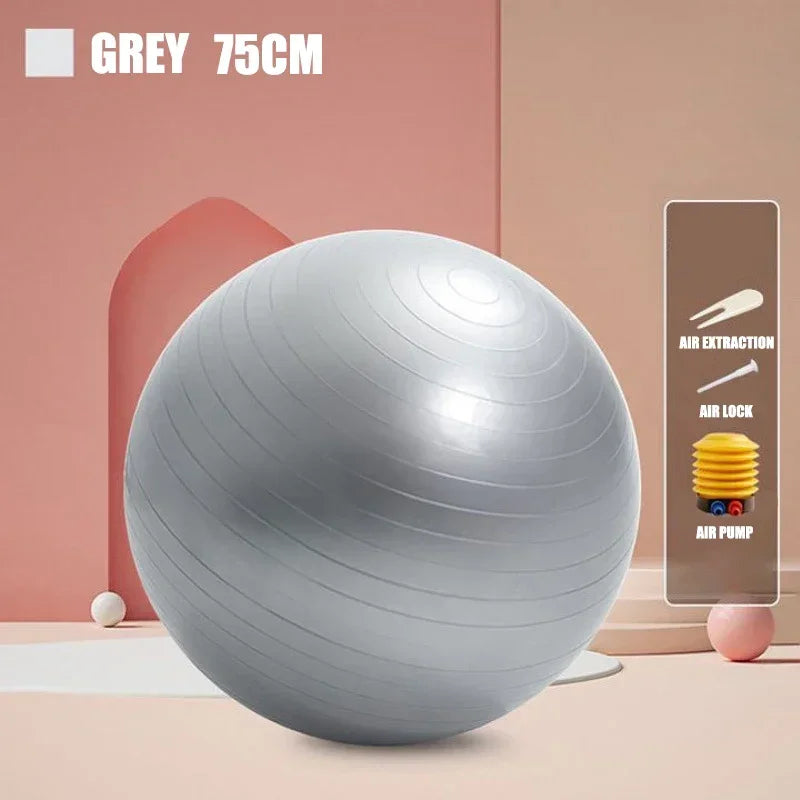
Yoga ball pregnancy workouts for posture and pain relief. See it in action.
Yoga Ball Exercises by Trimester
First trimester
Focus on gentle mobility, posture, and balance. Short sessions of pelvic tilts, seated marches, and hip circles are usually sufficient.
Second trimester
As your bump grows, prioritize hip mobility, supported squats, and gentle stretching while maintaining proper posture.
Third trimester
Third trimester yoga ball exercises emphasize comfort, relaxation, and preparing for labor. Gentle bouncing, hip circles, figure-eight movements, and supported stretches are often the most comfortable choices.
Exercises to avoid
- Fast bouncing or vigorous movements.
- Exercises requiring you to lie flat on your back for prolonged periods after the first trimester.
- Movements that feel unstable or painful.
- High-impact jumping or twisting.
Many moms also combine these movements with supportive items from Mom Essentials .
Yoga Ball Routines for Common Pregnancy Goals
Back pain relief
Combine pelvic tilts, hip circles, and child's pose with ball support for five to ten minutes to reduce muscle tension.
Hip mobility
Alternate figure-eight movements with gentle circles to improve flexibility around the pelvis.
Core stability
Practice seated marches and balanced sitting while maintaining good posture to strengthen supporting muscles safely.
Labor preparation
Gentle bouncing and pelvic mobility exercises may help you stay comfortable while practicing upright positions commonly used during labor. While many women find these movements helpful, they do not guarantee labor induction.
Daily 10-minute routine
- 2 minutes of diaphragmatic breathing.
- 2 minutes of pelvic tilts.
- 2 minutes of hip circles.
- 2 minutes of seated marches.
- 2 minutes of gentle stretching.
After exercising, many moms enjoy products from Massage & Relaxation to help ease muscle tension.
Common Mistakes and Safety Tips
Poor posture
Avoid slouching while seated. Keep your chest lifted, shoulders relaxed, and feet planted firmly on the floor.
Overstretching
Pregnancy hormones naturally increase joint flexibility. Stretch only until you feel gentle tension, never pain.
Loss of balance
Keep movements controlled and use a wall or sturdy chair whenever additional support feels necessary.
When to contact your healthcare provider
Stop exercising and seek medical advice if you experience vaginal bleeding, leaking fluid, severe abdominal pain, persistent contractions, chest pain, dizziness, or unusual swelling.
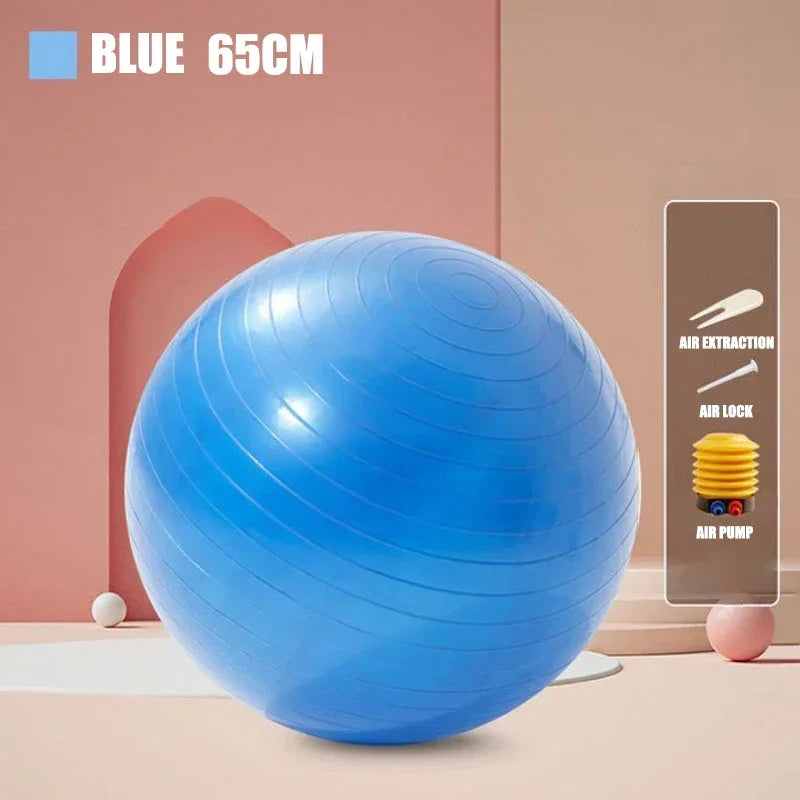
Pregnancy yoga ball exercises for greater comfort, mobility, and confidence throughout pregnancy.
Get your yoga balance ball today — while supplies last
Frequently Asked Questions
Can I use a yoga ball every day during pregnancy?
For most healthy pregnancies, gentle daily sessions lasting 10 to 20 minutes are well tolerated. Always follow your healthcare provider's recommendations.
When should I start yoga ball pregnancy exercises?
Many women begin during the first or second trimester after receiving clearance from their healthcare provider. Exercises should become more supportive rather than more intense as pregnancy progresses.
Can a yoga ball help prepare for labor?
A yoga ball can encourage upright positioning, pelvic mobility, and relaxation, which many women find helpful during labor preparation. However, it does not guarantee an easier labor or induce labor on its own.
What size pregnancy exercise ball should I buy?
Choose a ball that allows your hips to remain slightly higher than your knees while seated comfortably with both feet flat on the floor.
Are yoga ball exercises safe with pelvic girdle pain?
Some gentle movements may be appropriate, but pelvic girdle pain varies greatly. Consult your healthcare provider or a women's health physiotherapist before continuing exercise.
Can beginners do prenatal yoga ball exercises?
Yes. Beginners can start with seated posture work, pelvic tilts, hip circles, and gentle breathing exercises before progressing to more challenging movements.
Related Guide: Workout Tools for Home: In-Depth Review and Comparison





