

Benefits of Yoga Ball Office Chair: Is It Worth the Switch?
Do yoga ball office chairs really help with posture and core strength?
Yes—when used correctly, yoga ball office chairs can encourage active sitting by engaging stabilizing muscles, promoting small postural adjustments, and breaking up long periods of static sitting. Their benefits are generally linked to increased body awareness and gentle core activation rather than dramatic posture correction or strength gains. Proper ball size, desk setup, and alternating with a supportive ergonomic chair are important for comfort and long-term use.
Yoga Ball Office Chairs: Pros, Cons, and Top Picks
⏱ 7 min read
Sitting at a desk for hours can contribute to stiffness, muscle fatigue, and reduced movement throughout the day. As a result, many professionals are exploring alternatives that encourage more dynamic sitting. Yoga ball office chairs have become a popular option because they introduce gentle movement while working, helping users stay more aware of their posture and engage their core muscles. However, the benefits of a yoga ball office chair depend on proper sizing, realistic expectations, and using it as part of a varied ergonomic routine rather than as a complete replacement for a traditional office chair.
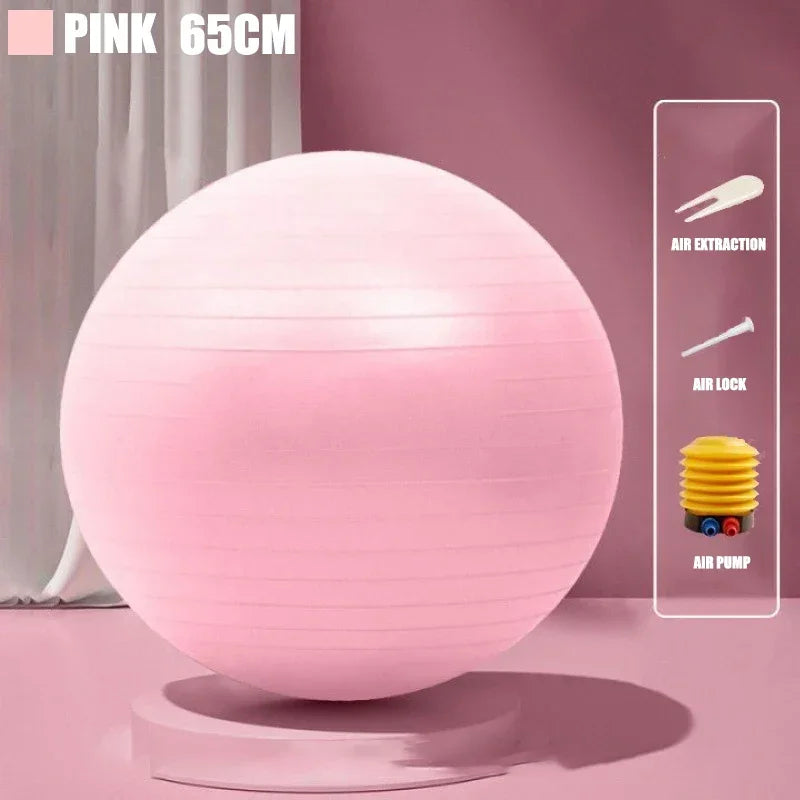
Yoga ball office chairs encourage active sitting and gentle core engagement — See it in action
What are yoga ball office chairs?
Yoga ball office chairs are seating systems built around an inflatable stability ball that is typically secured inside a supportive frame or base. Unlike a standard exercise ball used for workouts, these chairs are designed for desk use, often incorporating features such as anti-slip bases, locking casters, backrests, or ball-retaining rings to improve stability.
Compared with traditional office chairs, yoga office chairs allow subtle, continuous movement while seated. As your body makes small adjustments to remain balanced, your core, hips, and postural muscles work gently to stabilize your position. Rather than holding you in one fixed posture, a yoga ball office chair encourages frequent micro-movements that can reduce prolonged static sitting.
While these chairs may help improve sitting awareness and promote light muscle engagement, they are most effective when properly sized, correctly inflated, and used alongside other healthy workplace habits such as regular standing, walking breaks, and an ergonomically adjusted workstation.
How active sitting supports posture and comfort
Active sitting encourages small, continuous adjustments instead of keeping the body in a fixed position for hours. When using a yoga ball office chair, these gentle movements activate stabilizing muscles in the abdomen, lower back, hips, and pelvis. While this does not automatically improve posture, it can help increase awareness of sitting habits and reduce the tendency to remain in one position for prolonged periods.
How a yoga ball activates core and postural muscles
Unlike a traditional office chair that provides constant support, a yoga ball requires your body to make subtle balance corrections throughout the day. These micro-adjustments recruit deep core and postural muscles that help stabilize the spine and pelvis during seated work. The effort is generally light rather than strenuous, making active sitting different from a dedicated core workout.
- Promotes gentle engagement of core stabilizing muscles
- Encourages a more neutral pelvic position while sitting
- Increases awareness of slouching and prolonged leaning
- Supports light movement similar to a total body ball workout during work breaks
Why movement breaks reduce static sitting strain
One of the primary benefits of a yoga ball chair is that it encourages frequent movement. Changing position regularly may help reduce feelings of stiffness associated with remaining seated for extended periods. However, movement alone is not enough to offset the effects of a full day of sitting. Standing, stretching, and short walking breaks remain important components of an ergonomic work routine.
Many users combine active sitting with wellness routines found in Beauty & Wellness or recovery tools from Massage & Relaxation collections to help ease muscle tension after work.
Yoga ball office chairs: pros and cons
Understanding the exercise ball office chair pros and cons helps set realistic expectations. Yoga ball office chair benefits are most noticeable when the chair is correctly sized, used for moderate periods, and incorporated into a broader ergonomic workspace rather than replacing every other seating option.
Advantages of yoga ball chairs
| Potential Benefits | How They Help |
|---|---|
| Light core muscle engagement | Encourages stabilizing muscles to remain active while sitting |
| Improved posture awareness | Makes prolonged slouching more noticeable |
| Frequent micro-movements | Helps break up static sitting throughout the workday |
| Dual-purpose equipment | Can also be used for stretching, balance, and exercise routines |
Limitations and possible risks
| Consideration | Why It Matters |
|---|---|
| Reduced support during long sessions | Continuous muscle engagement may contribute to fatigue over time |
| Learning curve | New users may need time to become comfortable balancing |
| Limited adjustability | Most models lack the customization available on ergonomic office chairs |
| Proper sizing is essential | An incorrectly sized or poorly inflated ball can affect comfort and posture |
For many people, a yoga ball office chair works best as part of a flexible seating strategy. Alternating between active sitting and a supportive ergonomic chair throughout the day often provides a better balance of movement, comfort, and productivity than relying on either option exclusively.
Yoga ball vs office chair: which is better for work?
Choosing between a yoga ball office chair and a traditional ergonomic chair depends on your daily workload, sitting habits, and comfort needs. A stability ball encourages active sitting and frequent movement, while an ergonomic office chair is designed to provide adjustable support during long periods of focused work. For many people, the best solution is alternating between both rather than relying exclusively on one.
Support and adjustability comparison
| Feature | Yoga Ball Office Chair | Traditional Office Chair |
|---|---|---|
| Movement | Continuous micro-movements encourage active sitting | Primarily static with occasional position changes |
| Core engagement | Moderate, ongoing muscle activation | Minimal muscle activation |
| Back support | Relies on your own stabilizing muscles | Provides adjustable lumbar and back support |
| Adjustability | Limited to ball size and inflation | Typically includes height, armrest, recline, and lumbar adjustments |
| Versatility | Can be used for work, stretching, and exercise | Designed primarily for desk work |
Comfort during short and long work sessions
Yoga ball office chairs are often most comfortable during shorter work periods that benefit from light movement, such as reading, creative work, or virtual meetings. Traditional ergonomic chairs generally provide greater support for prolonged computer work, detailed tasks, and extended periods of concentration because they reduce the effort required to maintain posture.
Best choice based on work style
- Choose a yoga ball office chair if you want to reduce prolonged static sitting and enjoy frequent posture changes throughout the day.
- Choose a traditional ergonomic chair if you spend many uninterrupted hours at your desk and require adjustable back and arm support.
- Consider using both if you prefer alternating between active sitting and fully supported seating for greater ergonomic variety.
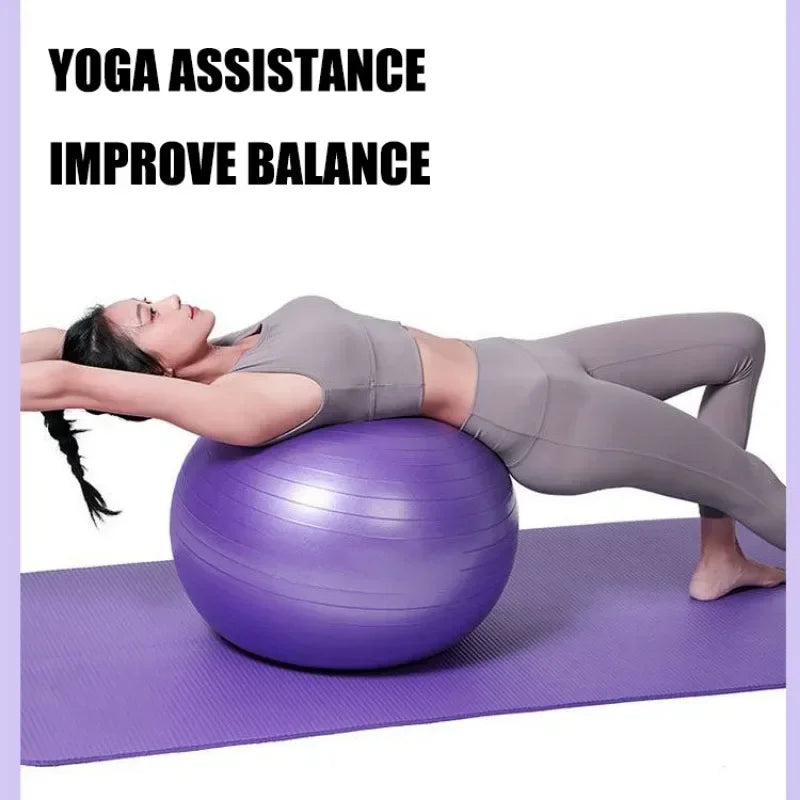
Active sitting turns desk time into gentle movement and balance work — See it in action
How to choose and set up a yoga ball office chair correctly
Getting the right fit is just as important as choosing the chair itself. An incorrectly sized or poorly inflated ball can reduce comfort and make it harder to maintain a neutral sitting position.
Choosing the right yoga ball size
- 55 cm ball: generally suitable for users about 5'0" to 5'5" (152–165 cm).
- 65 cm ball: commonly fits users about 5'6" to 6'0" (168–183 cm).
- 75 cm ball: often recommended for users taller than 6'0" (183 cm).
Proper inflation and desk height setup
Inflate the ball so it feels firm while allowing a slight amount of compression when seated. Your hips should be level with or slightly higher than your knees, and your desk should allow your elbows to rest comfortably at roughly a 90-degree angle while typing.
Maintaining neutral posture while sitting
Keep both feet flat on the floor, distribute your weight evenly, relax your shoulders, and avoid leaning forward for extended periods. Small posture adjustments are expected, but maintaining a neutral spine is more important than constantly trying to stay perfectly upright.
For added peace of mind, pairing ergonomic seating with resources from Health & Safety can help create a safer and more comfortable workspace.
How to use yoga ball office chairs safely
Safe use is essential for maximizing the benefits of a yoga ball office chair while minimizing fatigue and the risk of falls. Active sitting works best when introduced gradually and combined with regular movement throughout the workday rather than replacing supportive seating entirely.
- Choose a ball size that allows your hips to sit level with or slightly higher than your knees.
- Inflate the ball until it feels firm while still allowing slight compression when seated.
- Place the chair on a stable, non-slip surface and use a model with a supportive base if you are new to active sitting.
- Begin with sessions of 20 to 30 minutes before gradually increasing your usage as your muscles adapt.
- Alternate with a traditional ergonomic chair during long workdays to reduce muscle fatigue.
- Stand up, stretch, or walk for a few minutes every hour to avoid prolonged static sitting.
If you notice persistent discomfort, excessive fatigue, or difficulty maintaining balance, reduce your sitting time and reassess your workstation setup. Active sitting should feel comfortable and controlled rather than physically demanding.
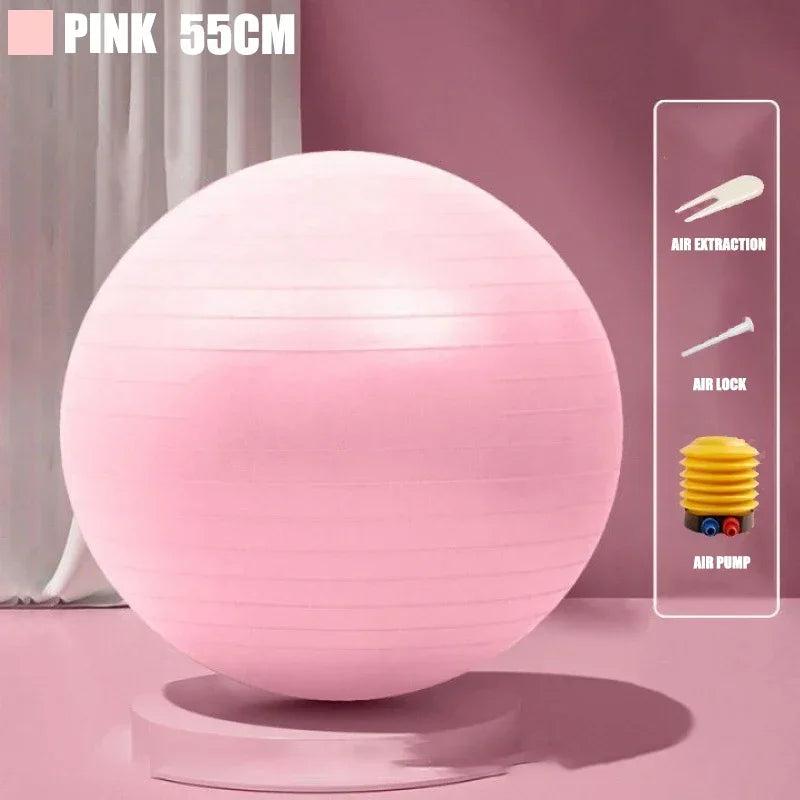
Yoga ball office chairs blend work and wellness into one routine — See it in action
Who should consider a yoga ball office chair?
Whether yoga ball chairs are good for you depends largely on your work style, physical comfort, and ergonomic needs. They are not intended to replace every office chair, but they can be a useful option for people looking to add more movement to their work routine.
Users who benefit from active sitting
A yoga ball office chair may be a good fit for:
- Remote workers who want to reduce long periods of uninterrupted sitting.
- People who enjoy light movement and changing positions throughout the day.
- Users already familiar with stability ball exercises and balance training.
- Professionals who alternate between standing desks, ergonomic chairs, and active seating.
- Individuals looking to complement an overall workplace wellness routine rather than replace ergonomic support entirely.
People who may prefer a traditional ergonomic chair
A conventional ergonomic chair is often a better choice for:
- People who perform highly focused computer work for many consecutive hours.
- Anyone requiring extensive lumbar, arm, or neck support.
- Individuals with balance difficulties or mobility limitations.
- People who experience discomfort that increases while using active seating.
- Users advised by a healthcare professional to use specialized seating due to existing musculoskeletal conditions.
Parents balancing work-from-home life often appreciate flexible seating options that align with wellness-focused resources such as Mom Essentials , particularly when creating a comfortable and adaptable home workspace.
Frequently Asked Questions
Can you sit on a yoga ball chair all day?
Most ergonomics professionals recommend using a yoga ball office chair for limited sessions rather than an entire workday. Starting with 20 to 30 minutes at a time and alternating with a supportive ergonomic chair helps reduce muscle fatigue while allowing you to enjoy the benefits of active sitting.
Do yoga ball office chairs help with back pain?
They may help some people by encouraging movement, improving sitting awareness, and reducing prolonged static postures. However, they are not a treatment for back pain, and results vary depending on workstation ergonomics, posture habits, existing health conditions, and correct ball sizing.
Are yoga ball office chairs safe?
Yes, yoga ball office chairs are generally safe when used correctly. Choose a model with a stable base if possible, inflate the ball properly, keep both feet on the floor, and use the chair on a level, non-slip surface. Beginners should gradually increase their sitting time as they become comfortable.
How long should you use a yoga ball as an office chair?
For most users, short sessions of 20 to 30 minutes are a practical starting point. As your body adapts, you can gradually increase usage, but alternating between active sitting and a traditional ergonomic chair remains the most balanced approach for extended workdays.
What size yoga ball should I use for my desk?
The correct size depends primarily on your height and desk setup. When seated, your hips should be level with or slightly higher than your knees, with your feet flat on the floor and your elbows comfortably aligned with your desktop. Always check the manufacturer's sizing recommendations before purchasing.
Explore the balance-focused option here: Yoga Balance Ball for Core Strength
Related Guide: Pregnancy Yoga Ball Stretches: Top Routines for Every Trimester





