

What is a preschool learning toy and does it really work?
A preschool learning toy helps children build essential skills like problem-solving, coordination, and focus through play. When chosen correctly, it keeps kids engaged longer, reduces boredom, and supports independent play. The right toy turns everyday moments into meaningful learning experiences without pressure or constant supervision.
Preschool learning toy: how to choose and use effectively
A preschool learning toy can transform daily play into powerful brain-building moments, but only if you choose wisely. From top educational toys for preschool learning to insights from montessori learning toys reviews for parents, this guide reveals why children get bored educational toys and how to avoid it. You’ll also discover practical tips for encouraging independent play toddlers actually enjoy—without constant supervision. Ready to unlock smarter playtime that lasts?
⏱ 5 min read
Ever bought a toy your child loved for just one day… then ignored forever? You’re not alone. Many parents struggle with toys that promise learning but fail to hold attention.
Which preschool learning toy actually keeps kids engaged while teaching real skills? Read on to find out.
Explore engaging options in Baby Growth & Learning designed to support development through play.
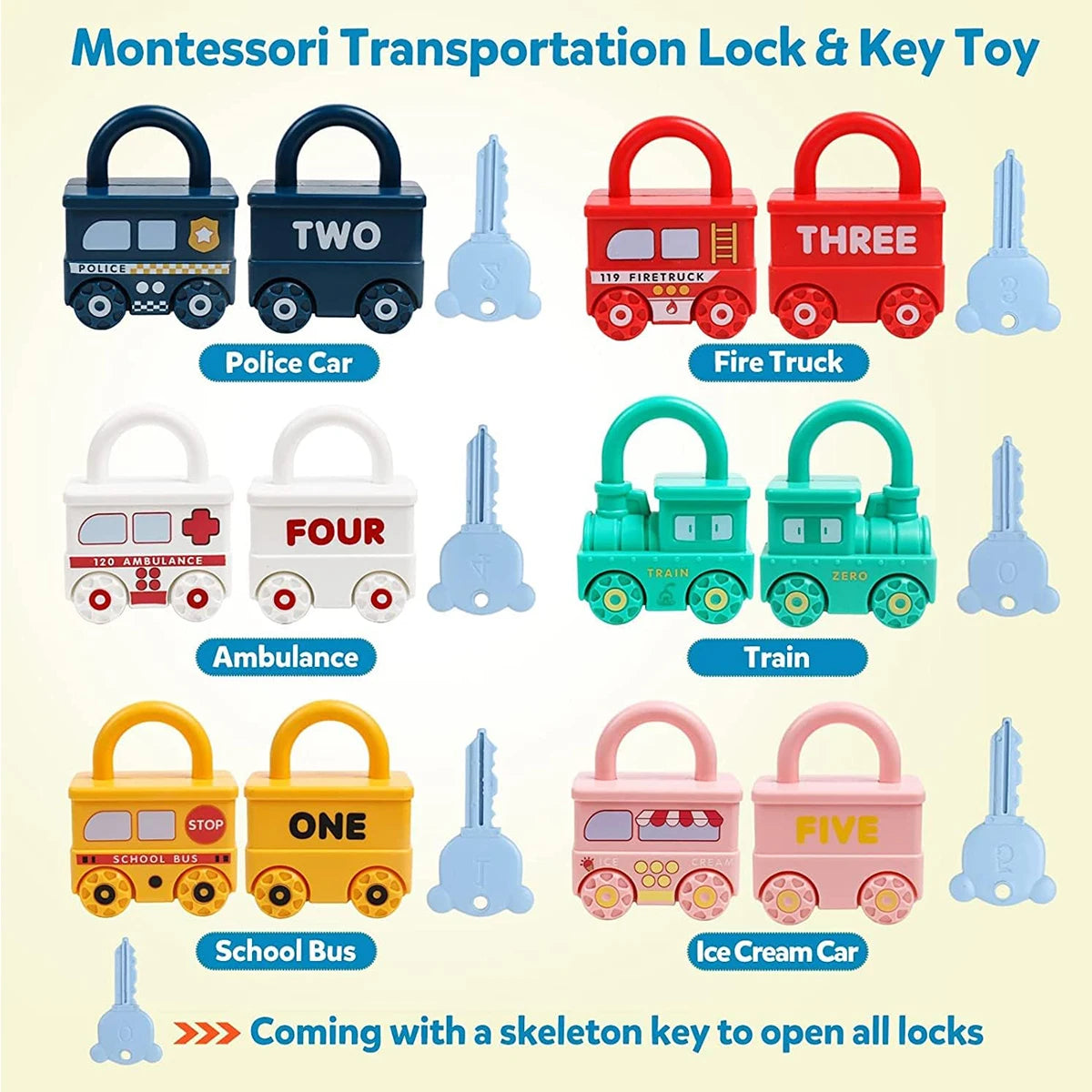
💡 See it in action - preschool learning toy / top educational toys for preschool learning, children get bored educational toys, montessori learning toys reviews for parents, tips for encouraging independent play toddlers
Why children get bored educational toys (and how to fix it)
Many toys fail because they either overstimulate or under-challenge. Kids quickly lose interest when a toy doesn’t match their developmental stage.
- Too simple → no challenge
- Too complex → frustration
- Too flashy → short attention span
- No interaction → limited learning value
That’s why many parents searching for montessori learning toys reviews for parents are shifting toward simpler, skill-based toys.
Instead of passive entertainment, children need toys that encourage thinking, exploration, and repetition.
How to choose the right preschool learning toy that actually works
A preschool learning toy should match your child’s curiosity and skill level while encouraging independence.
-
Look for open-ended play
Toys that allow multiple ways to play keep kids engaged longer. -
Prioritize hands-on interaction
Children learn best by doing, not watching. -
Choose age-appropriate challenges
The right level builds confidence and focus. -
Focus on real-life skills
Locks, sorting, stacking, and matching build practical abilities.
Explore engaging tools from Sensory Toys to support curiosity-driven learning.
Quick comparison: effective vs ineffective toys
| Effective Learning Toys | Ineffective Toys |
|---|---|
| Encourage problem-solving | Passive button pressing |
| Adapt to skill levels | One fixed function |
| Promote independence | Require constant adult help |
Browse smart selections in Mobility & Training that grow with your child.
Top educational toys for preschool learning that parents trust
Parents consistently report better engagement with toys that mimic real-life actions.
- Lock and key sets
- Shape sorters
- Stacking blocks
- Fine motor activity boards
One standout option is a lock-and-key toy that teaches coordination, patience, and logical thinking.
👉 Try it here: Montessori Lock and Key Toy Set
This type of toy aligns with montessori learning toys reviews for parents, emphasizing independence and real-world skills.
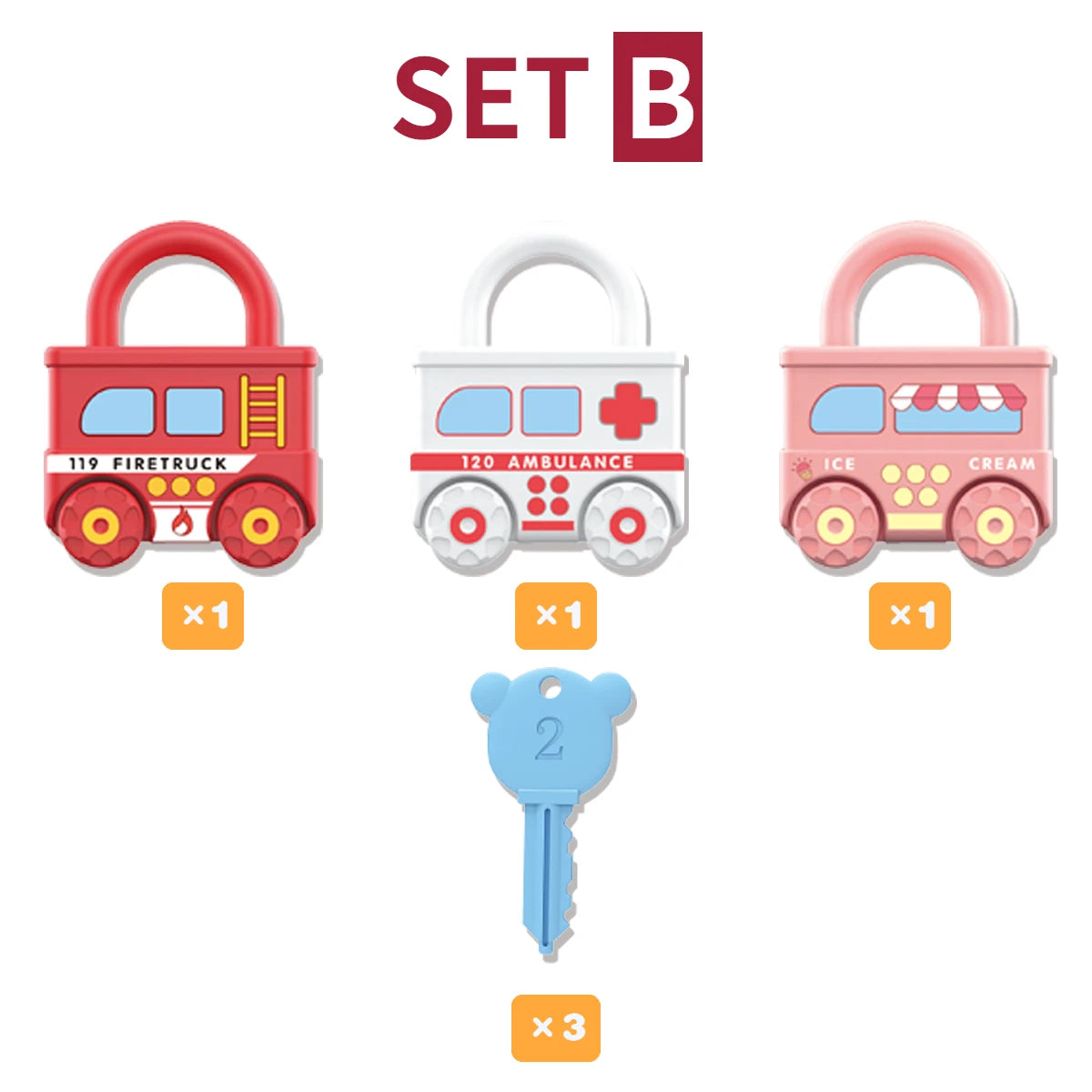
💡 See it in action - preschool learning toy / top educational toys for preschool learning, children get bored educational toys, montessori learning toys reviews for parents, tips for encouraging independent play toddlers
How this preschool learning toy builds independent play habits
A preschool learning toy becomes powerful when used intentionally.
-
Start with guided play
Show your child how it works once. -
Step back gradually
Let them explore independently. -
Encourage repetition
Mastery builds confidence. -
Rotate toys weekly
Keep excitement fresh.
These tips for encouraging independent play toddlers help reduce reliance on screens and constant supervision.
Support a calm play environment with essentials from Sleep & Comfort to help kids stay focused longer.
Common mistakes to avoid
- Interrupting play too often
- Offering too many toys at once
- Choosing toys based on trends, not needs
Real benefits parents notice within days
When using the right preschool learning toy, many parents report:
- Longer independent play sessions
- Improved focus and patience
- Less screen dependency
- Stronger fine motor skills
Parent insight: “My toddler used to get bored in minutes. Now she spends 20+ minutes solving lock puzzles on her own.”
Pair learning toys with routines supported by Baby Care Essentials to create a balanced daily rhythm.
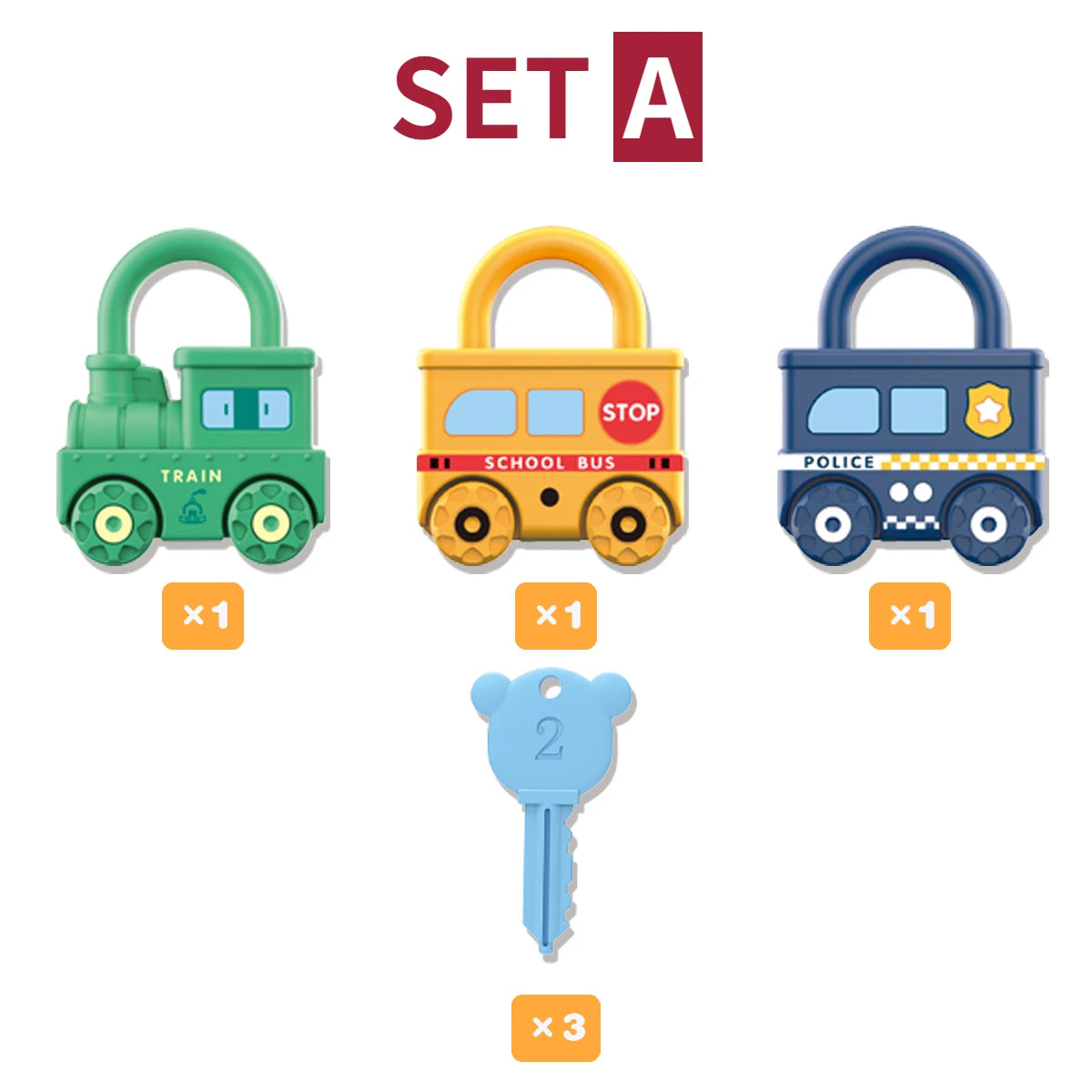
💡 See it in action - preschool learning toy / top educational toys for preschool learning, children get bored educational toys, montessori learning toys reviews for parents, tips for encouraging independent play toddlers
Upgrade playtime today with the Montessori Lock and Key Toy Set and see the difference in days.
FAQs
What makes a preschool learning toy effective?
An effective toy encourages active participation, matches your child’s skill level, and supports problem-solving. It should keep children engaged without overwhelming them.
Why do children get bored educational toys quickly?
Boredom often comes from toys being too simple, too complex, or lacking interaction. Children need toys that evolve with their abilities and encourage exploration.
How can I encourage independent play with toddlers?
Start with guided play, then gradually step back. Offer fewer toys at once, rotate them regularly, and create a distraction-free environment to help your child focus.
Pillar Article: Increasing hand eye coordination: daily exercises that work
Other Related Articles:
- How to increase hand eye coordination: simple daily drills for kids
- Sensory play 3 year olds: how to set up easy home activities
- Interactive educational toy: how to use for daily learning at home
Explore More:
- Toys for fine motor skill development: key features that actually work
- Educational toys for 3 year olds: best rated picks parents trust
-
-
2. Present them in clean hierarchical outline format.
3. Do NOT rewrite text.
4. Do NOT summarize.
5. Ignore all other HTML elements.
---
IMPORTANT
Return STRICT VALID JSON ONLY.
All quotation marks inside string values MUST be escaped as ".
You are an expert SEO editor.
Rewrite the article using the Upgrade Plan.
GOAL
Produce a stronger article capable of competing with Top 3 Google results while preserving the original page assets.
INPUT
ARTICLE HTML (THIS PART ONLY)
Does a baby rocking chair uncomfortable seat really affect my baby's posture and comfort?
2. Present them in clean hierarchical outline format.
3. Do NOT rewrite text.
4. Do NOT summarize.
5. Ignore all other HTML elements.
---
IMPORTANT
Return STRICT VALID JSON ONLY.
All quotation marks inside string values MUST be escaped as ".
You are an expert SEO editor.
Rewrite the article using the Upgrade Plan.
GOAL
Produce a stronger article capable of competing with Top 3 Google results while preserving the original page assets.
INPUT
ARTICLE HTML (THIS PART ONLY)
Does a baby rocking chair uncomfortable seat really affect my baby's posture and comfort?
Yes — a baby rocking chair uncomfortable seat can cause poor posture, fidgeting, and shorter play sessions. Choosing a cushioned, contoured seat that supports the pelvis and spine helps babies sit longer, builds early balance, and reduces fussiness during hands-free play. Prioritize fit, breathable padding, and secure straps.
⏱ 7 min readBaby Rocking Chair Uncomfortable Seat? Solutions for Maximum Comfort
An infant sitting chair can make discovery time safer and more comfortable while supporting early posture development and hands-free play. Parents love the freedom it brings, and babies enjoy a new perspective as they learn to balance, reach, and explore. But which style actually supports your little one’s growth stages best — and what should you avoid when choosing one that fits today and still works tomorrow?
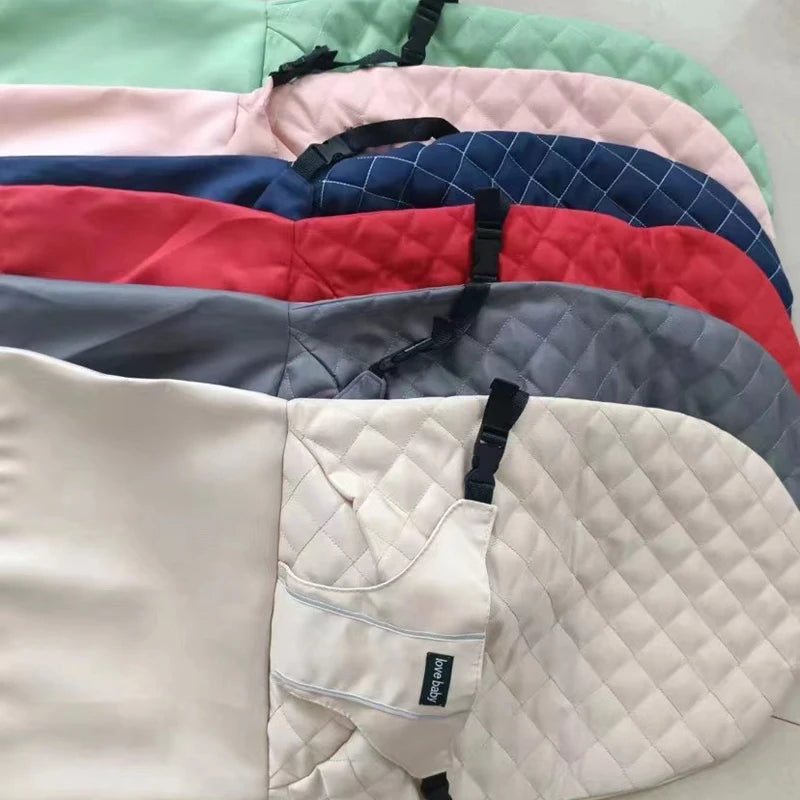
baby rocking chair uncomfortable seat - KentDO See it in action
Why a baby rocking chair uncomfortable seat happens (and why it matters)
When babies fuss, the root cause is often mechanical — a hard shell, worn padding, wrong angle, or poor strap placement. An uncomfortable seat shortens playtime, increases irritability, and may cause slumped posture during key early-development moments.
Does an uncomfortable seat actually change how my baby sits?
An uncomfortable baby rocking chair uncomfortable seat can push a baby into a rounded back or forward-tilted pelvis, which limits reaching and tummy-time progress. Simple fixes—cushioned lumbar support and proper belt placement—restore a neutral spine and happier, longer play sessions.
Quick solution: make that seat comfy now
- Add a thin, contoured insert to support the lower back and pelvis.
- Use a breathable fabric cover to reduce pressure points.
- Reposition straps so they sit over the pelvis, not the stomach.
- Angle the chair slightly to promote upright trunk control (follow manufacturer's guidelines).
Immediate fix ideas: folded muslin (short-term), a soft foam insert cut to match the shell, or a ready-made seat liner designed for infant chairs.
How the right fit supports posture and play
Think of the chair as a mini-training tool: the right pad + angle = better head control, safer reaching, and more time hands-free for you. Look for features that match your baby's stage:
- Newborns: recline + full head support.
- 3–6 months: pelvis support + slightly upright angle for reaching practice.
- 6+ months: firmer base to encourage independent sitting, still with gentle lateral support.
Benefit: easier hands-free moments for caretakers
With better support, babies stay content longer — enough for short tasks, feeding prep, or calm play. That creates safer windows for parents to breathe, grab essentials, or engage in structured play.
Compare: soft insert vs firm shell — which wins?
| Feature | Soft insert | Firm shell |
|---|---|---|
| Comfort (short-term) | High | Low to medium |
| Postural support (development) | Medium — depends on shape | High — when contoured correctly |
| Cleaning | Removable covers easy | Wipeable but may trap crumbs |
| Longevity | Shorter if thin foam | Longer — structural support |
Winner summary
For comfort plus development, pair a contoured firm shell with a thin, breathable insert. That combination gives immediate softness without sacrificing the structural posture support babies need to learn sitting skills.
baby rocking chair uncomfortable seat - KentDO See it in action
How to modify or repair an uncomfortable seat (step-by-step)
- Inspect the seat shell for cracks, wear, or compressed foam. Replace if structure is compromised.
- Measure the inside seat width and depth to find or cut an insert that won’t bunch under the baby.
- Choose breathable materials: cotton, bamboo blends, or perforated foam to avoid sweat and pressure points.
- Position padding so it supports the pelvis and mid-lumbar area — not the stomach.
- Test the 3-point/5-point harness after any modification. Straps must sit flat and lock securely.
- Observe for 15 minutes: check for slumping, fidgeting, or red marks — adjust as needed.
Tools & materials checklist
- Thin contour foam (5–10 mm) or layered muslin
- Removable fabric cover (machine washable)
- Velcro strips or non-slip mesh to keep inserts from sliding
- Measuring tape and fabric scissors
Safety, cleaning, and maintenance
Always follow the manufacturer's weight and age limits. Any modification must not block vents, compromise harness function, or create loose parts that could be choking hazards.
- Cleaning tip: use a removable cover that can be washed at 30–40°C and air-dried to preserve padding shape.
- Inspection schedule: monthly check for strap fraying, shell cracks, or compressed foam.
For related comfort and sleep accessories, check Sleep & Comfort and for safety tools see Health & Safety .
Real parent stories & results (social proof)
Jamie, mom of 1: “My son would fuss after ten minutes. A thin contoured insert and moving the straps fixed it — now he happily explores for 25–30 minutes.”
Sara, daycare provider: “We swapped to a firm shell with a breathable liner. Fewer red marks, more quiet play.”
Before / After snapshot
- Before: 8–12 min fussing, short hands-free windows.
- After: 25–40 min calm play, better sitting posture, easier feeding prep.
Where to try one today
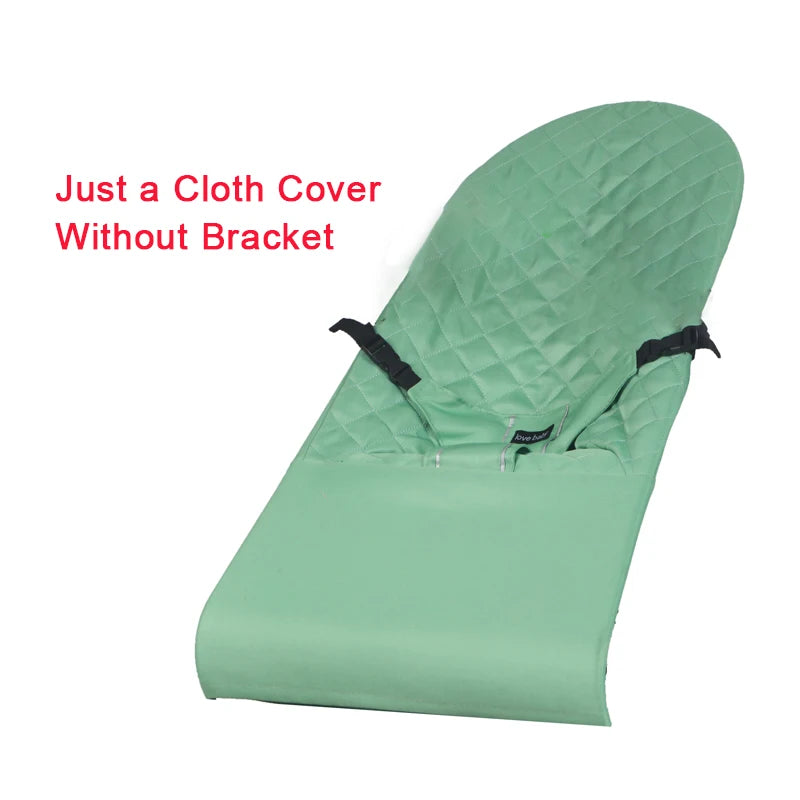
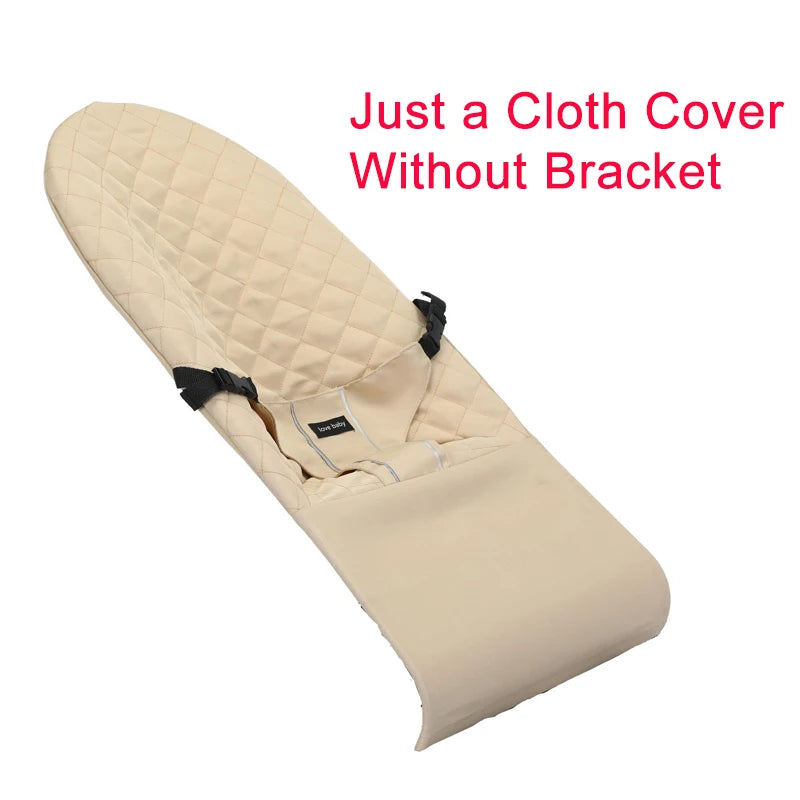
If you’re comparing options, look for chairs with replaceable covers, contoured shells, and adjustable harness systems. For a practical option with a soft cloth cover that’s easy to swap, see the baby rocking chair cloth cover product page linked throughout this post: baby rocking chair cloth cover .
| Try these collection resources: |
Top quick-buy list
|
baby rocking chair uncomfortable seat - KentDO See it in action
Mini FAQ
- Q: How do I know if the seat is unsafe?
- A: Visible shell cracks, frayed straps, harness not locking, or compressed padding that doesn't spring back are warning signs. Stop use and replace if structure is compromised.
- Q: Can I add any cushion to a baby chair?
- A: Only add cushions that are breathable, thin (avoid thick hugging pillows), and securely attached so they can’t slip under the baby. Never add loose pillows or heavy cushions that hide straps.
- Q: Will padding delay my baby learning to sit?
- A: Properly shaped padding supports early control. Overly soft, sinking cushions can hinder skill-building — choose firmer contouring that encourages upright balance as the baby gains strength.
Final checklist before use:
- Shell intact, no cracks.
- Harness functions and sits over pelvis.
- Insert breathable and not bulky.
- Observation period after changes (15–20 minutes).
Closing — small changes, big comfort
Fixing a baby rocking chair uncomfortable seat is often a simple mix of measurement, breathable padding, and correct strap placement. With a few practical adjustments, you’ll help your baby sit more comfortably, support early posture development, and reclaim short hands-free moments that matter.
Tip: For an easy, replaceable fabric option that pairs well with a contoured insert, consider the baby rocking chair cloth cover linked above. It’s an easy way to refresh a worn surface without replacing the whole chair.
Pillar Article: Infant Sitting Chair Guide: Choosing the Right Fit for Every Baby
Other Related Articles:
Explore More:
UPGRADE PLAN { "outline": [ { "action": "MODIFY", "h2": "Does a baby rocking chair replacement cover really fit your chair?", "h3": [ "How to identify your chair model", "OEM vs aftermarket replacement covers" ], "focus": [ "Match by brand and model", "Reduce purchase uncertainty", "Explain compatibility labels", "When universal covers work" ], "keywords": [ "baby rocking chair replacement cover", "replacement cover for baby rocker", "baby rocker cover replacement" ] }, { "action": "ADD", "h2": "Quick compatibility chart by brand and model", "h3": [ "Popular baby rocker models", "Discontinued model alternatives" ], "focus": [ "Brand/model lookup", "Compatible cover options", "OEM availability", "Aftermarket alternatives" ], "keywords": [ "baby rocking chair replacement cover", "baby rocker cover replacement", "baby bouncer cover replacement" ] }, { "action": "ADD", "h2": "How to measure your baby rocker before buying", "h3": [ "Seat dimensions", "Harness openings", "Attachment points" ], "focus": [ "Measure width and length", "Verify strap slots", "Check elastic or hook design", "Avoid sizing mistakes" ], "keywords": [ "how to replace baby rocker cover", "universal baby rocker cover", "baby chair seat cover replacement" ] }, { "action": "MODIFY", "h2": "How to choose the right replacement cover", "h3": [ "Fabric types", "Washability", "Safety certifications" ], "focus": [ "Breathable materials", "Machine washable fabrics", "Fit accuracy", "Durability" ], "keywords": [ "washable baby rocker cover", "baby rocker cushion cover", "infant rocking chair cover" ] }, { "action": "MODIFY", "h2": "Fit and installation guide", "h3": [ "Remove the old cover", "Install the new cover", "Troubleshooting loose fit" ], "focus": [ "Step-by-step installation", "Harness alignment", "Safety inspection", "Common fitting mistakes" ], "keywords": [ "how to replace baby rocker cover", "baby rocker cover replacement" ] }, { "action": "MODIFY", "h2": "OEM vs universal replacement covers", "h3": [ "Pros and cons", "When to choose each" ], "focus": [ "Price comparison", "Fit quality", "Availability", "Warranty considerations" ], "keywords": [ "universal baby rocker cover", "replacement cover for baby rocker" ] }, { "action": "MODIFY", "h2": "Fabric care and washing guide", "h3": [ "Machine washing", "Drying tips", "Stain removal" ], "focus": [ "Maintain fabric quality", "Prevent shrinkage", "Cleaning frequency", "Extend cover lifespan" ], "keywords": [ "washable baby rocker cover", "baby bouncer fabric replacement" ] }, { "action": "REMOVE", "h2": "How this improves real life — stories, stats & proof", "h3": [], "focus": [], "keywords": [] }, { "action": "MODIFY", "h2": "Buying checklist before ordering", "h3": [ "Model number", "Measurements", "Harness compatibility" ], "focus": [ "Verify compatibility", "Confirm included parts", "Review return policy", "Inspect replacement quality" ], "keywords": [ "baby rocking chair replacement cover", "baby chair seat cover replacement" ] }, { "action": "REMOVE", "h2": "✅ Pros & ❌ Cons (snapshot)", "h3": [], "focus": [], "keywords": [] }, { "action": "MODIFY", "h2": "Where to buy compatible replacement covers", "h3": [ "OEM sources", "Aftermarket sellers" ], "focus": [ "Manufacturer parts", "Marketplace options", "Custom covers", "Replacement availability" ], "keywords": [ "baby rocking chair replacement cover", "baby rocker cover replacement" ] }, { "action": "MODIFY", "h2": "Frequently asked questions", "h3": [], "focus": [ "Compatibility", "Installation", "Cleaning", "Replacement timing" ], "keywords": [ "baby rocking chair replacement cover" ] }, { "action": "REMOVE", "h2": "Final takeaway", "h3": [], "focus": [], "keywords": [] } ], "internal_links": [ "Baby bath essentials", "Baby feeding accessories", "Baby travel gear", "Diaper bag backpacks", "Sensory toys" ], "faq": [ "How do I know which baby rocking chair replacement cover fits my model?", "Are universal baby rocker covers safe to use?", "Can I machine wash a baby rocker replacement cover?", "What's the difference between OEM and aftermarket replacement covers?", "Can I replace only the fabric without replacing the frame?", "What should I do if my rocker model is discontinued?" ], "trim": [ "Generic parenting benefits", "Emotional storytelling", "Broad nursery maintenance advice", "General product feature lists without compatibility guidance", "Redundant pros and cons section" ] } Approved linked products: - baby rocking chair cloth cover (/products/baby-rocking-chair-cloth-cover) Product Rules - Keep all approved products. - Only approved products may contain affiliate links. - You may add real competitor products when useful. - Competitor products must not contain links unless already present. - Only create comparison tables when they genuinely improve the article. RULES - Apply every instruction in the Upgrade Plan. - Keep all existing affiliate links unchanged. - Keep all existing internal links unchanged. - Keep all existing image URLs unchanged. - Preserve sections such as Related Articles, Related Posts and Recommended Reading. - Avoid duplicate headings. - Insert new sections only where specified. - Improve clarity, topical coverage, EEAT and readability. - Expand weak sections only when required. - Use natural keyword placement. - Keep semantic HTML clean. YEAR UPDATE If visible article text contains "2005", replace it with "2026". Do not modify years inside: - URLs - href attributes - image filenames OUTPUT REQUIREMENTS Return ONLY the final upgraded HTML article. The output must be valid HTML and ready to publish. Do NOT return: - Markdown - Explanations - Notes - Code fences - JSON - XML Return the HTML beginning with the first HTML element and ending with the last HTML element. The output must be directly parsable by Python json.loads(). Do not use markdown. Do not wrap in . Output format: { "h1":"", "h2":[ { "title":"", "h3":[] } ] }





