

Infant Sitting Chair Guide: Choosing the Right Fit for Every Baby
Does an infant sitting chair really help my baby learn to sit safely?
Yes. An infant sitting chair can provide temporary, supervised support while your baby develops trunk strength and balance. The safest models offer a stable base, breathable materials, ergonomic posture support, and a secure harness. While a sitting chair does not teach a baby to sit independently, it can create a comfortable space for short periods of play, interaction, and feeding preparation when used according to the manufacturer's age and weight recommendations.
Choosing the right infant sitting chair is about more than comfort. The best option matches your baby's developmental stage, encourages healthy posture, fits your family's daily routine, and meets current safety expectations. This guide explains what features matter most, when babies are ready to use a sitting chair, and how to select a model that remains practical as your child grows.
⏱ 12 min read
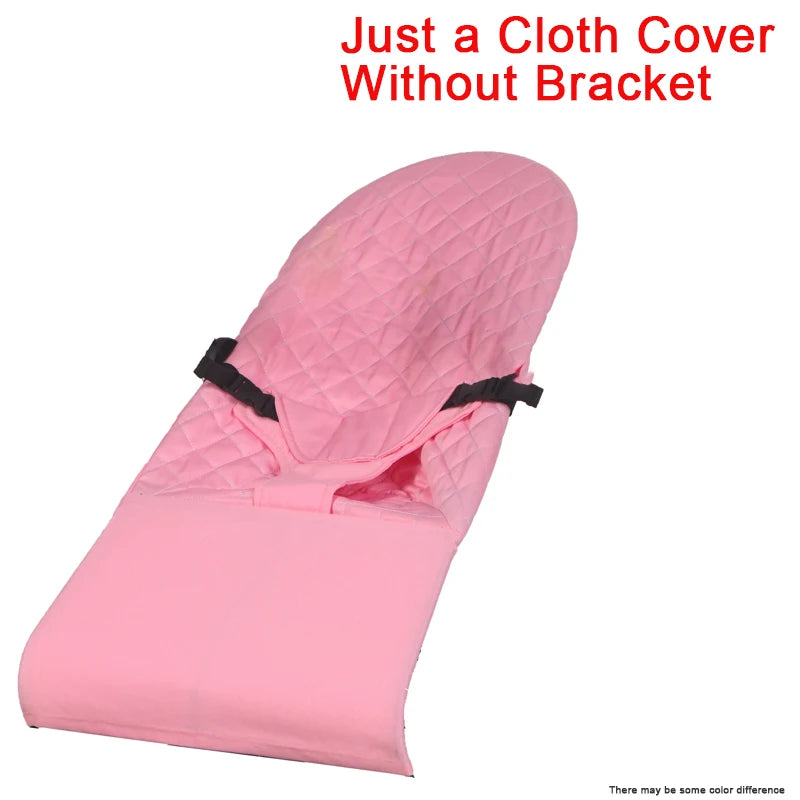
Infant sitting chair — see how supportive seating can encourage comfortable, supervised play.
Browse related ideas for safe play and seating that support healthy development through every milestone.
Why the right infant sitting chair matters
The first months of sitting are an exciting developmental milestone. During this stage, babies rapidly build head control, core strength, balance, and coordination. A well-designed infant sitting chair can support these changes by offering a secure place for short, supervised sessions while reducing the physical strain of constantly holding your baby.
However, not every seat provides the same level of support. An unsuitable chair may encourage poor posture, allow excessive slouching, or become unstable when babies lean, twist, or reach for toys. Selecting a chair that matches your baby's size and developmental readiness helps promote comfort while supporting safe daily routines.
Remember that sitting chairs are intended to supplement —not replace—important activities such as tummy time, floor play, and caregiver interaction, all of which remain essential for healthy motor development.
Quick solution: how to pick a chair that fits
If you're comparing several options, prioritize these essential features:
- Ergonomic support that keeps your baby's hips, back, and head comfortably aligned.
- A secure 3-point or 5-point harness appropriate for the chair's design.
- Wide, stable construction with a low center of gravity to reduce tipping.
- Breathable, skin-friendly fabrics that remain comfortable during warmer weather.
- Removable, machine-washable covers for easier cleaning.
- Clear age, height, and weight recommendations from the manufacturer.
If you're looking for a practical option that combines comfort with everyday durability, consider the Baby Rocking Chair Cloth Cover , designed to help keep seating clean while extending the life of compatible rocking chairs.
Types of infant sitting chairs (benefits at a glance)
Infant sitting chairs come in several styles, each serving different developmental and lifestyle needs. Understanding the differences helps you choose the right seat instead of paying for features you'll rarely use.
- Soft floor seats: Lightweight, cushioned seats designed for short periods of supervised play after babies develop good head control. Easy to transport but generally intended for shorter-term use.
- Structured seats with harness: Provide firmer back support and improved stability, making them suitable for babies learning to sit upright under close supervision.
- Activity seats: Include attached toys, trays, or sensory features that encourage reaching and visual exploration. These work best when balanced with plenty of unrestricted floor time.
- Convertible seats: Adapt through multiple stages, often transitioning from reclined infant support to upright seating for older babies and toddlers, offering better long-term value.
- Multi-use rockers: Combine gentle rocking with supportive seating and often feature removable covers for simpler cleaning after everyday spills.
Safety features that protect your baby
Regardless of style, every infant sitting chair should include safety features that help minimize everyday risks during supervised use.
- A secure 3-point or 5-point harness that keeps your baby positioned correctly without restricting natural movement.
- A broad, sturdy base that remains stable as babies reach, kick, or shift their weight.
- Breathable, non-toxic materials that help reduce overheating while remaining gentle on sensitive skin.
- Machine-washable covers or wipe-clean surfaces that simplify hygiene after drooling, feeding, or diaper leaks.
- Clearly labeled age, weight, and developmental recommendations so caregivers know when to begin—and when to stop—using the chair.
- Rounded edges, secure stitching, and durable construction with no loose parts that could present choking hazards.
Matching chair features to baby growth stages
Choosing an infant sitting chair based on developmental readiness—not age alone—helps maximize safety, comfort, and long-term value. As babies gain head control, trunk stability, and independent balance, their seating needs change quickly. Selecting a chair that matches these milestones encourages proper positioning while avoiding unnecessary support or restriction.
Newborns (0–3 months)
Most newborns are not ready for an upright infant sitting chair . During the first few months, babies need full head, neck, and spinal support because they cannot yet maintain an upright posture safely.
- Choose only reclined products specifically designed for newborns.
- Ensure the baby's airway remains open and the chin does not rest against the chest.
- Avoid upright sitting chairs until reliable head control develops.
- Continue prioritizing supervised tummy time to build neck and shoulder strength.
Early sitters (3–6 months)
Many babies begin developing stronger core muscles during this stage, although readiness varies. Rather than focusing on age alone, look for signs such as steady head control, improved balance, and the ability to remain upright with minimal assistance.
- Supportive seats with removable inserts provide a snug, comfortable fit.
- Wide leg openings and ergonomic back support help encourage natural posture.
- Keep sessions brief while alternating with unrestricted floor play.
Independent sitters (6–9 months)
Once babies can sit independently for short periods, an upright infant sitting chair becomes more versatile for supervised play, interaction, and mealtime preparation. At this stage, babies enjoy reaching for toys, observing family activities, and strengthening balance through movement.
- Choose adjustable harnesses that continue fitting as your baby grows.
- Look for breathable fabrics to improve comfort during longer awake periods.
- Ensure the chair remains stable as babies lean, twist, and reach.
Older infants (9–18 months)
Older infants are typically more active and curious, making durability and versatility increasingly important. Convertible seating solutions often provide the best long-term investment because they adapt as developmental needs change.
- Convertible models can transition between playtime, feeding support, and supervised relaxation.
- Higher weight limits extend usable lifespan.
- Easy-clean materials become increasingly valuable as self-feeding becomes messier.
- Retire any chair once your child exceeds its height or weight limits or begins climbing out.
Everyday use: routines, hygiene, and portability
An infant sitting chair becomes most valuable when it fits naturally into your family's everyday routine. Beyond comfort, consider how easily the chair handles feeding, cleaning, storage, and travel without adding extra work.
- Feeding: Wipe-clean trays, water-resistant fabrics, and removable covers simplify everyday mealtimes and reduce cleanup after spills.
- Sleep & rest: Sitting chairs are designed for supervised awake time—not routine sleep. If your baby falls asleep, move them to a safe sleep surface that follows current safe sleep recommendations.
- Cleaning: Machine-washable fabrics, removable padding, and smooth surfaces help reduce the buildup of milk residue, food particles, and bacteria.
- Portability: Lightweight frames, compact folding mechanisms, and travel-friendly designs make it easier to visit grandparents, restaurants, or vacation destinations without sacrificing familiar seating.
- Storage: Slim folding chairs fit more easily into closets or small apartments while keeping baby gear organized.
Comparison: soft seat vs structured seat vs multi-use
| Feature | Soft Floor Seat | Structured Seat | Multi-use (Convertible) |
|---|---|---|---|
| Best for | Short supervised play after head control develops | Babies learning upright posture with added support | Families seeking long-term use through multiple stages |
| Typical age | Early sitters | Early to independent sitters | Infancy through toddlerhood (model dependent) |
| Portability | Excellent | Moderate | Moderate |
| Cleaning | Simple wipe-down or washable fabric | Varies by removable cover | Often includes machine-washable covers |
| Safety support | Good with constant supervision | Excellent harness and posture support | High when used within manufacturer guidelines |
| Long-term value | Short-term | Moderate | Excellent for growing families |
| Potential limitation | Outgrown relatively quickly | Less portable than soft seats | Higher purchase price and larger footprint |
How to choose — step-by-step
Selecting the best infant sitting chair becomes much easier when you compare products using a consistent checklist. Focus first on your baby's developmental readiness, then evaluate safety, comfort, maintenance, and long-term value before making a purchase.
- Confirm developmental readiness. Choose a chair only when your baby has sufficient head and neck control for the product's intended stage. Always follow the manufacturer's minimum age, weight, and developmental recommendations.
- Evaluate ergonomic support. Look for a seat that keeps your baby's hips, spine, and shoulders comfortably aligned without forcing an overly upright posture. Removable inserts help smaller babies maintain proper positioning.
- Inspect the harness and stability. A secure harness, wide base, and low center of gravity help reduce tipping and keep your baby safely positioned while reaching or moving.
- Check cleaning requirements. Babies quickly cover seats with milk, drool, snacks, and spit-up. Removable, machine-washable covers and wipe-clean surfaces save significant time.
- Think about your living space. Foldable or lightweight models are ideal for apartments, travel, or homes where baby gear must be stored between uses.
- Match features to everyday routines. Families who plan to use the chair during feeding may benefit from removable trays, water-resistant fabrics, and adjustable seating positions.
- Research durability. Read verified customer reviews that discuss long-term comfort, harness reliability, cleaning performance, and overall build quality rather than appearance alone.
- Consider long-term value. Convertible designs often cost more initially but may replace multiple short-term seating products as your child grows.
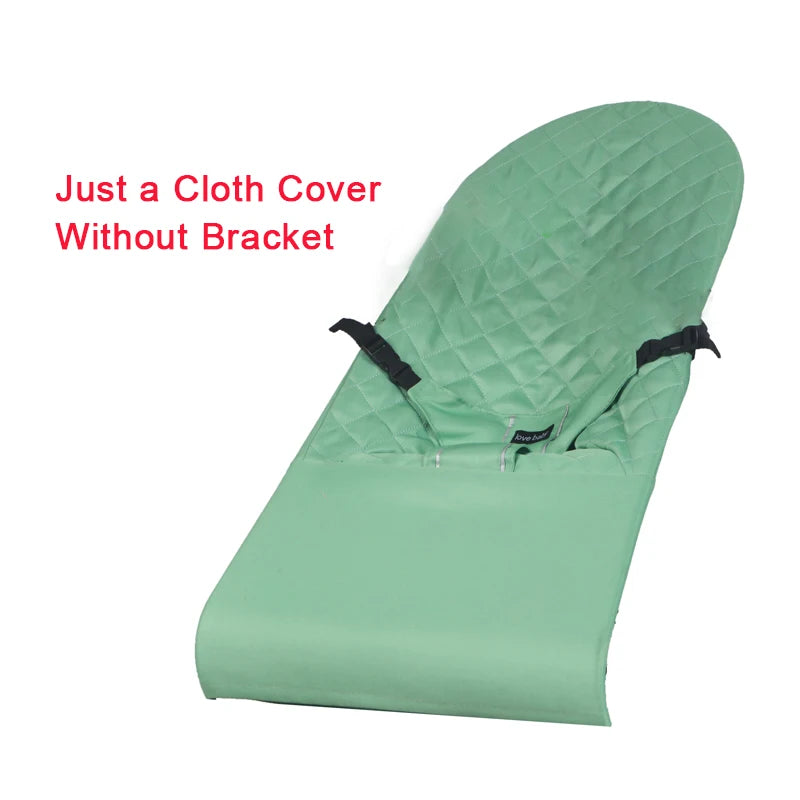
Infant sitting chair — supportive seating designed for safe, supervised everyday use.
Discover practical guidance for selecting seating that supports healthy development while fitting your family's daily routine.
Usage tips to protect posture and encourage development
An infant sitting chair works best as one part of a balanced daily routine. While supportive seating offers opportunities for interaction and play, babies still need plenty of unrestricted movement to strengthen their muscles and develop natural motor skills.
- Limit sitting sessions. Begin with short periods of approximately 10–20 minutes, adjusting based on your baby's comfort, age, and developmental stage.
- Balance with floor time. Alternate chair use with supervised tummy time, rolling, crawling practice, and free movement to encourage healthy physical development.
- Promote active reaching. Position age-appropriate toys slightly within reach to encourage trunk rotation, balance, and hand-eye coordination without forcing awkward movements.
- Maintain comfortable posture. Ensure your baby's back remains well supported, feet are not dangling excessively, and the harness fits snugly without causing pressure.
- Watch for fatigue. Fussiness, slouching, rubbing eyes, leaning heavily to one side, or repeated attempts to leave the chair often signal that it's time for a break.
- Always supervise. Never leave a baby unattended in a sitting chair, even for a short period.
Cleaning & maintenance for healthy skin
Regular cleaning keeps an infant sitting chair hygienic while helping protect babies with sensitive skin from irritation caused by dried milk, food residue, moisture, or detergent buildup. Routine maintenance also extends the chair's lifespan and allows safety issues to be identified early.
- Wash removable fabric covers according to the manufacturer's instructions, ideally once a week or immediately after significant spills.
- Use mild, fragrance-free detergents that are less likely to irritate delicate skin.
- Allow cushions and padding to dry completely before reassembly to discourage mold and mildew growth.
- Clean plastic frames, trays, buckles, and armrests with a baby-safe cleaner before wiping away any remaining residue.
- Inspect harness straps regularly for fraying, loose stitching, or damaged buckles that may affect safety.
- Check the frame periodically for cracks, loose hardware, or signs of wear, especially if the chair is folded or transported frequently.
- Store the chair in a clean, dry location away from prolonged moisture and direct sunlight to help preserve fabric quality and structural integrity.
Pros & cons: quick at-a-glance
- Soft floor seats — ✅ Advantages: Lightweight, portable, affordable, and comfortable for short supervised play sessions. ❌ Limitations: Provide less structured posture support and are often outgrown sooner than other seating options.
- Structured sitting chairs — ✅ Advantages: Better trunk support, secure harness systems, and improved stability for babies developing independent sitting skills. ❌ Limitations: Usually heavier, less compact for travel, and comfort depends on padding quality.
- Convertible seats — ✅ Advantages: Excellent long-term value with multiple seating modes that adapt as babies grow. ❌ Limitations: Higher initial investment and a larger storage footprint than simpler designs.
Real parents, real picks
While every family has different priorities, parents often identify similar features that make everyday use easier. Common themes include simple cleaning, reliable harness systems, portability, and products that remain useful through multiple developmental stages.
"Our first seat was lightweight and easy to move, but washing the fabric after every meal became frustrating. Switching to a model with a removable, machine-washable cover made daily cleanup much faster." — Parent of two
"Because we travel frequently, we wanted something compact that folded easily. A sturdy frame and secure harness gave us confidence during family visits and restaurant outings." — Parent who travels regularly
Although individual experiences vary, reviewing long-term feedback from multiple caregivers can provide valuable insight into durability, ease of cleaning, and day-to-day usability beyond product specifications.
Match product benefits to specific needs
Rather than choosing the most expensive model, focus on the features that solve your family's biggest challenges. Matching your priorities to the right chair often leads to better long-term satisfaction.
- Concern: Messy meals → Choose removable trays, waterproof fabrics, and machine-washable covers that simplify cleanup.
- Concern: Developing posture → Look for ergonomic back support, secure harnesses, and seats that encourage natural upright positioning.
- Concern: Limited budget → A quality soft floor seat may provide sufficient support for short-term supervised use if it meets current safety recommendations.
- Concern: Frequent travel or small living spaces → Prioritize lightweight, fold-flat designs that are easy to transport and store.
- Concern: Sensitive skin → Select breathable, hypoallergenic fabrics with removable covers that can be washed regularly using gentle detergents.
- Concern: Long-term value → Convertible seating systems often remain useful through multiple growth stages, reducing the need to purchase additional baby seating.
If you're shopping for related items, browse the Baby Growth & Learning collection for sensory toys that pair well with seated play, or the Baby Care Essentials collection for cleaning and feeding tools that keep seating hygienic.
When to buy & product suggestions
The ideal time to purchase an infant sitting chair depends on your baby's developmental readiness rather than age alone. Many families begin shopping once consistent head control develops—often around 3 to 4 months—or when they need a safe, supervised place for play, interaction, or feeding preparation. Buying slightly before you need the chair also gives you time to compare features, assemble the product, and become familiar with its safety instructions.
If you prefer a product that remains useful through multiple developmental stages, prioritize convertible seating systems with adjustable support, washable fabrics, and generous weight limits.
Product tip: If you're looking for a practical accessory that helps keep your baby's seating clean and comfortable, the Baby Rocking Chair Cloth Cover offers an easy-to-maintain fabric solution for compatible rocking chairs. It pairs well with lightweight feeding accessories from Feeding Tools to simplify everyday routines.
Before you place your baby in any chair: quick safety checklist
Complete this quick inspection before every use to reduce common safety risks.
- ✓ Is the harness securely fastened and adjusted snugly without pinching your baby's shoulders or legs?
- ✓ Is the chair positioned on a flat, stable floor away from stairs, tables, countertops, and other elevated surfaces?
- ✓ Have you confirmed your baby is within the product's recommended age, weight, and developmental limits?
- ✓ Are toys securely attached and large enough to avoid creating choking hazards?
- ✓ Is the seat clean, dry, and free of damaged straps, loose hardware, or cracked plastic components?
- ✓ Will a responsible adult remain within arm's reach for the entire time the chair is in use?
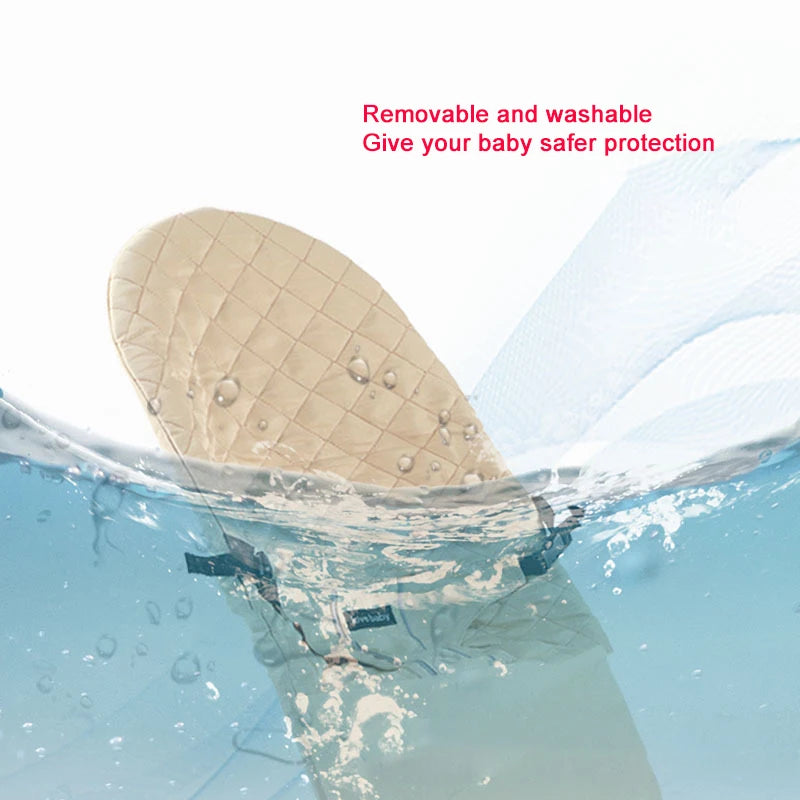
Infant sitting chair — always use on a stable surface with continuous adult supervision.
Complete your setup with washable seating accessories and cleaning essentials for faster, easier maintenance between everyday uses.
Cost vs value: how to think about budget
Price matters, but the least expensive option is not always the best value. A well-built infant sitting chair that offers reliable safety features, durable construction, and easier maintenance can remain useful much longer than a budget model that requires early replacement.
- Budget-friendly seats: Suitable for families seeking a simple solution for occasional supervised use, provided the chair meets current safety recommendations.
- Mid-range models: Often balance comfort, adjustable support, easier cleaning, and improved durability for everyday use.
- Convertible premium models: Higher upfront costs are often offset by extended usability across several developmental stages, reducing the need to purchase additional seating later.
When comparing products, evaluate overall value by considering safety certifications, ergonomic support, washable materials, warranty coverage, and expected lifespan instead of focusing solely on purchase price.
Accessories that improve fit and lifespan
The right accessories can improve comfort, simplify maintenance, and help your infant sitting chair remain useful throughout multiple stages of your baby's growth. Choose accessories designed specifically for your chair model to ensure proper fit and safe operation.
- Replacement washable covers: Keep an extra cover available so the chair remains usable while another cover is being washed.
- Support inserts and seat pads: Help smaller babies maintain proper positioning before they outgrow the additional support recommended by the manufacturer.
- Toy arches and sensory accessories: Encourage reaching, visual tracking, and hand-eye coordination during supervised seated play. Always ensure attachments are securely fastened.
- Tray liners and placemats: Reduce cleanup after snacks and early self-feeding while helping protect the chair's original surface.
- Protective storage bags: Useful for travel or long-term storage to keep the chair clean and reduce unnecessary wear.
Find cleaning supplies and feeding accessories in Baby Care Essentials or explore feeding helpers in Feeding & Nursing .
How to test a chair in-store or via video
Whether shopping in person or online, spending a few extra minutes evaluating product quality can help you avoid disappointment after purchase. If you cannot inspect the chair physically, watch detailed product demonstrations and customer videos from multiple angles.
- Apply gentle pressure to different sides of the chair to evaluate overall stability and resistance to tipping.
- Fasten, tighten, and release the harness several times to check that buckles operate smoothly and lock securely.
- Look for a broad base that remains stable when moderate weight shifts occur.
- Inspect seams, corners, and fabric joins for areas that may collect crumbs, milk residue, or moisture.
- Check whether covers can be removed easily without complicated disassembly.
- Read the manufacturer's age, height, and weight recommendations before making your final decision.
When to stop using a chair
Even a well-maintained infant sitting chair eventually reaches the end of its safe lifespan. Replace the chair or transition to a more appropriate seating option when any of the following occurs.
- Your child exceeds the recommended weight, height, or developmental limits provided by the manufacturer.
- Your baby can climb over the sides, push forcefully against the frame, or consistently attempts to escape the harness.
- The seat no longer provides a secure, supportive fit even after adjusting the harness or removing inserts according to the manufacturer's instructions.
- The frame develops cracks, loose joints, bent components, or any structural damage that could affect stability.
- Harness straps become frayed, buckles fail to latch securely, or replacement safety parts are unavailable.
- Excessive wear, mold, or permanent damage prevents the chair from being cleaned thoroughly and safely.
Retiring a worn or outgrown chair at the appropriate time helps ensure your child continues using equipment that matches their size, mobility, and developmental abilities.
What parents often report — common experiences
Although every family has different needs, caregiver feedback consistently highlights a few recurring benefits and challenges of using an infant sitting chair appropriately.
- Many parents find that supervised seated play gives babies a new perspective, encouraging interaction with caregivers and nearby toys.
- Families often appreciate having a secure place to set their baby down briefly while preparing meals or completing nearby household tasks.
- Easy-clean covers and removable fabrics receive consistently positive feedback because they simplify daily maintenance.
- Convertible models are frequently praised for lasting longer than basic floor seats, making them a better long-term investment.
- The most common complaints involve chairs that are difficult to clean, quickly outgrown, or too bulky to store or travel with comfortably.
Individual experiences vary, but selecting a chair that matches your baby's developmental stage and your family's routine usually leads to greater satisfaction than choosing based on appearance or price alone.
Final checklist and next steps
Before purchasing an infant sitting chair, use this practical checklist to compare your options.
- ✓ Your baby meets the manufacturer's recommended developmental stage, weight, and age guidance.
- ✓ The chair provides ergonomic support with a sturdy, wide base and a secure harness.
- ✓ Covers are removable or surfaces wipe clean easily after everyday spills.
- ✓ Verified customer reviews mention comfort, durability, and long-term reliability.
- ✓ The chair fits your available space, travel habits, feeding routine, and storage needs.
- ✓ Replacement parts or washable accessories are available if needed.
If you're looking for an easy-to-maintain seating accessory, the Baby Rocking Chair Cloth Cover offers a practical way to improve comfort while helping protect compatible rocking chairs from everyday wear. You can also explore Baby Growth & Learning for ideas that encourage active, developmentally appropriate play.
Mini FAQ
-
When can baby use a sitting chair?
Most babies are ready once they have reliable head and neck control, often around 3 to 4 months. Always follow the manufacturer's developmental recommendations rather than relying on age alone.
-
Is sitting chair good for babies?
Yes, when used correctly. An infant sitting chair can provide temporary posture support and a safe place for supervised play, but it should never replace tummy time, floor play, or natural movement.
-
How long can a baby stay in a sitting chair?
Begin with short supervised sessions of about 10 to 20 minutes. Frequent breaks for movement and floor play help support healthy muscle development.
-
What is the difference between an infant floor seat and a high chair?
An infant floor seat is designed primarily for supervised play and early sitting support, while a high chair is intended for feeding once babies are developmentally ready for solid foods and can sit with adequate support.
-
What are the signs my baby is ready for a sitting chair?
Look for steady head control, improving trunk strength, and the ability to remain upright with minimal assistance. If your baby still slumps forward or cannot control head movement, wait longer.
-
Can sitting chairs delay independent sitting?
No evidence suggests that appropriate, limited use delays development. However, excessive time in any supportive seat may reduce opportunities for active floor movement, which remains essential for motor skill development.
-
How do I choose the best infant sitting chair?
Prioritize safety, ergonomic support, stability, breathable materials, easy cleaning, and a design that matches your baby's developmental stage and your family's daily routine.
-
Are portable infant sitting chairs safe for travel?
Yes, provided they are used on stable, flat surfaces, assembled according to the manufacturer's instructions, and never substitute for approved travel sleep equipment.
Related collections you might find helpful: Baby Care Essentials , Feeding & Nursing , Baby Growth & Learning .
Related Articles:
- Universal Baby Rocking Chair Cover Use Cases: Protect and Enhance
- Baby Rocking Chair Uncomfortable Seat? Solutions for Maximum Comfort
Pillar Articles:





