

Do the best brushing tips toddlers actually follow work?
The best brushing tips toddlers respond to focus on comfort, consistency, and positive reinforcement. Using a toddler-sized toothbrush with soft bristles, introducing fluoride toothpaste appropriately, and following a predictable morning and bedtime routine help most children accept brushing more willingly while supporting healthy oral development.
Best Brushing Tips Toddlers Actually Follow
⏱ 10 min read
Brushing a toddler's teeth can feel like a daily battle. Tears, tightly closed mouths, and bedtime resistance often make a simple routine stressful. Fortunately, the best brushing tips toddlers actually follow don't rely on force. Instead, they focus on building trust, creating consistent habits, and making toothbrushing part of everyday family life. With the right approach, most toddlers gradually become more cooperative while developing lifelong healthy oral hygiene habits.
Quick question: Why do toddlers eagerly imitate adults during play but resist brushing their teeth? The answer often lies in their stage of development—not stubbornness.
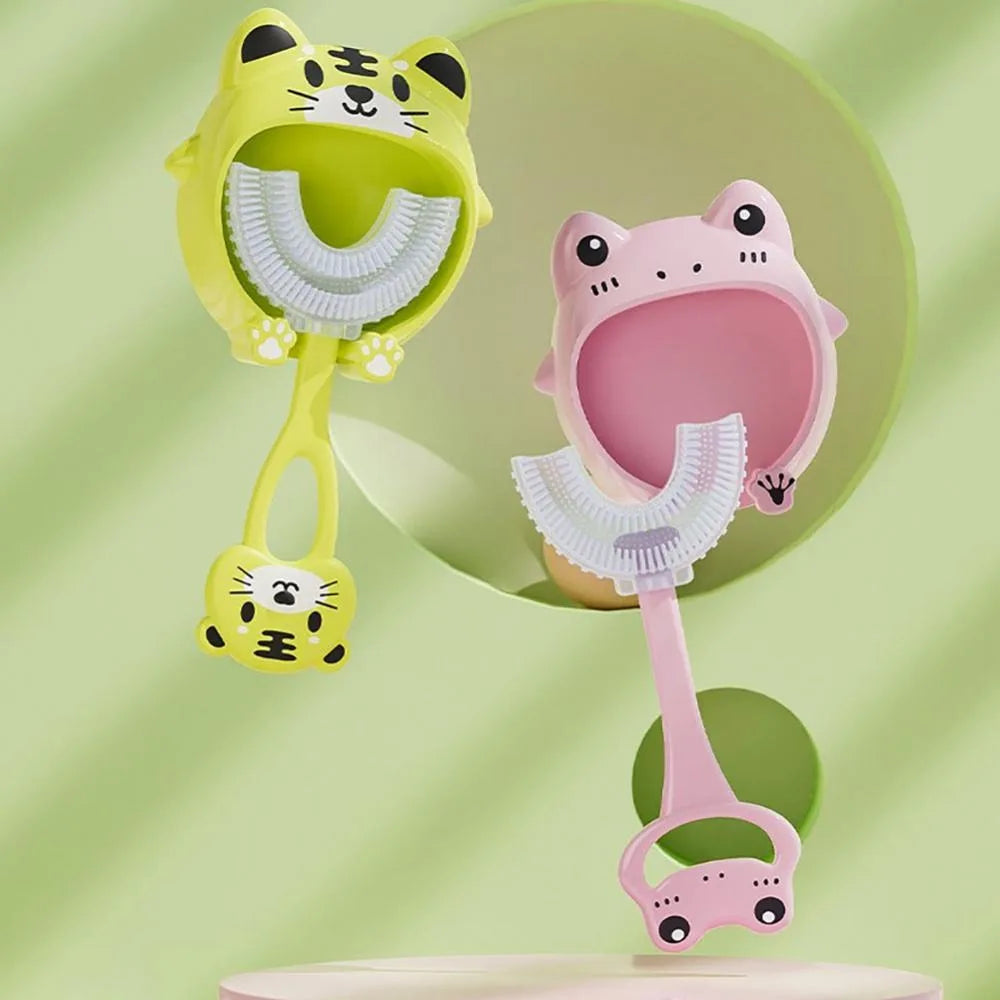
Best brushing tips toddlers love start with comfort and play. See it in action.
Why Toddler Tooth Brushing Is Challenging
Understanding why toddlers resist brushing is the first step toward successful toddler oral hygiene tips. At this age, children are learning independence, developing strong preferences, and becoming more aware of new sensations.
Several factors commonly contribute to brushing resistance:
- Growing independence: Toddlers want to make their own choices, including whether someone touches their mouth.
- Sensory sensitivity: Toothbrush bristles, toothpaste texture, or mint flavors may feel overwhelming.
- Disrupted routines: Inconsistent brushing times make the activity feel unfamiliar.
- Past negative experiences: Forced brushing can create anxiety that lasts for weeks.
Learning how to get toddlers to brush teeth starts by respecting these developmental challenges while maintaining gentle consistency. Establishing healthy brushing habits early also helps reduce plaque buildup, protects developing teeth, and prepares children for lifelong oral health.
When to Start Brushing Baby Teeth and Toddler Teeth
Many parents wonder when to start brushing baby teeth. Dental professionals recommend beginning as soon as the first tooth appears.
Brushing Teeth for 12–24 Month Olds
Use a soft infant toothbrush and a tiny smear of fluoride toothpaste. Parents should perform all brushing while helping babies become comfortable with the routine.
Brushing Teeth for 2 Year Olds
Children around age two often want to participate. Allow them to hold the brush first, then finish cleaning every tooth yourself to ensure all surfaces are reached.
Brushing Teeth for 3 Year Olds
Brushing teeth for a 3 year old becomes more interactive. Encourage independence, but continue supervising and helping until your child develops the hand coordination needed for effective brushing.
Best Brushing Tips for Toddlers That Actually Work
The most effective brushing tips for toddlers combine behavior strategies with realistic expectations. Small daily improvements matter far more than perfect brushing sessions.
Let Toddlers Practice While Parents Finish Brushing
Allow your toddler to brush independently for a short time before you gently finish. This gives children a sense of control while ensuring their teeth are cleaned properly.
Create a Consistent Morning and Night Routine
Brush at the same times every day—typically after breakfast and before bedtime. Predictable routines reduce resistance because toddlers know what comes next.
Use Games, Songs, and Positive Reinforcement
Making brushing fun for toddlers often works better than repeated reminders. Try:
- Singing a favorite two-minute song.
- Using sticker charts to celebrate consistency.
- Pretending to brush stuffed animals' teeth first.
- Praising cooperation instead of perfect technique.
These toddler tooth brushing tips help reduce daily struggles while building positive associations with oral care.
How to Brush Toddler Teeth Step by Step
Knowing how to brush toddler teeth correctly improves cleaning while protecting sensitive gums.
Choose the Right Toothbrush and Toothpaste
Select a child-sized toothbrush with soft bristles and use an age-appropriate amount of fluoride toothpaste according to your dentist's recommendations.
Use the Correct Brushing Technique
- Hold the toothbrush at a slight angle toward the gums.
- Use small gentle circular motions.
- Brush outer, inner, and chewing surfaces.
- Don't forget the back molars where food often collects.
- Gently brush the tongue if your child tolerates it.
Brush for the Recommended Amount of Time
Aim for about two minutes total. If your toddler cannot tolerate the full time initially, gradually increase brushing duration while keeping the experience positive.
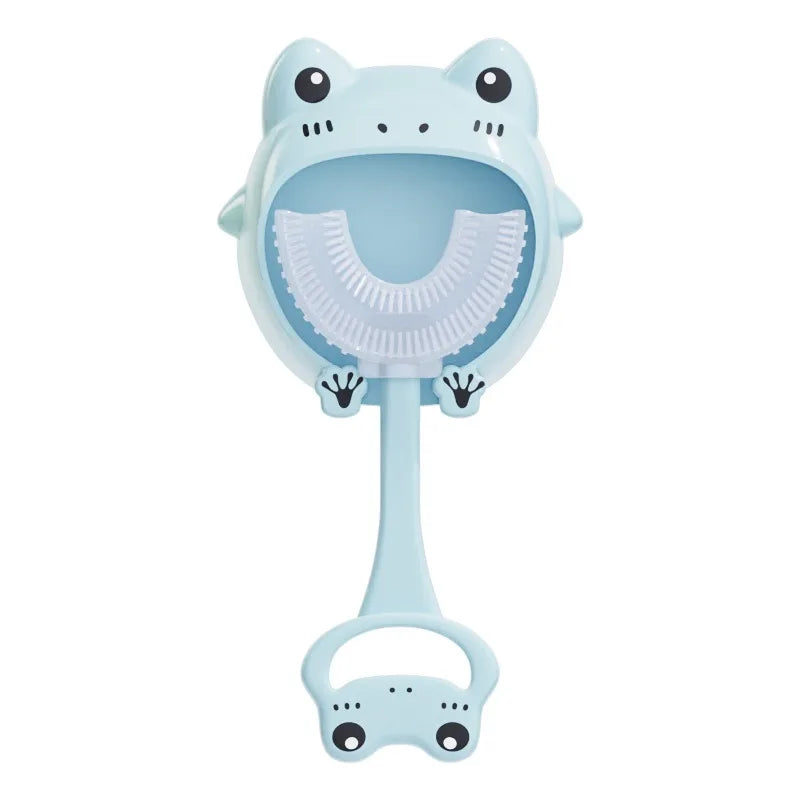
Toddler-friendly toothbrushes make daily brushing more comfortable. See it in action.
Choosing a Toothbrush for Toddlers
Choosing the right toddler toothbrush can significantly improve comfort and cooperation.
Features of a Toddler-Friendly Toothbrush
| Feature | Why It Matters |
|---|---|
| Soft bristles | Protect sensitive gums while cleaning effectively. |
| Small brush head | Fits comfortably inside little mouths. |
| Easy-grip handle | Helps toddlers practice brushing independently. |
| Rounded edges | Improves comfort and reduces accidental irritation. |
Some families also choose innovative designs such as a U-shaped kids toothbrush, which can feel more comfortable for children who dislike traditional brush heads. You can explore one option here: U-Shape Kids Toothbrush .
Parents often compare traditional toddler toothbrushes with U-shaped designs to find the option their child accepts most readily. Regardless of style, the brush should always have soft bristles and fit comfortably inside a toddler's mouth.
When to Replace a Toddler Toothbrush
Replace a soft toothbrush for toddlers every three months, sooner if the bristles become frayed, or after your child recovers from certain illnesses if advised by your healthcare provider.
For related daily-care essentials, parents often browse Baby Care Essentials or Baby Hygiene Gadgets to keep routines consistent.
How to Handle Toddler Brushing Resistance
What to Do When Toddlers Refuse Brushing
If your toddler refuses brushing, stay calm and avoid turning it into a power struggle. Offer simple choices such as selecting the toothbrush color, choosing the song, or deciding whether to brush upstairs or downstairs.
Ways to Make Brushing Less Stressful
- Brush together so your child can imitate you.
- Use encouraging language instead of criticism.
- Keep routines predictable every morning and evening.
- Take short breaks if emotions escalate, then calmly resume.
- Celebrate cooperation with praise rather than rewards tied to perfection.
These practical strategies answer one of the most common parenting questions: how to get toddlers to brush teeth without resistance.
Many families pair brushing with calming bedtime routines using products from Baby Bath Accessories or Sleep & Comfort .
Common Toddler Tooth Brushing Mistakes to Avoid
- Missing the back teeth and chewing surfaces.
- Using too much toothpaste.
- Brushing too aggressively.
- Using an adult-sized toothbrush.
- Skipping brushing because the child is tired.
- Changing routines frequently.
- Using brushing as punishment.
A gentle, consistent routine almost always produces better long-term results than rushing or forcing brushing sessions.
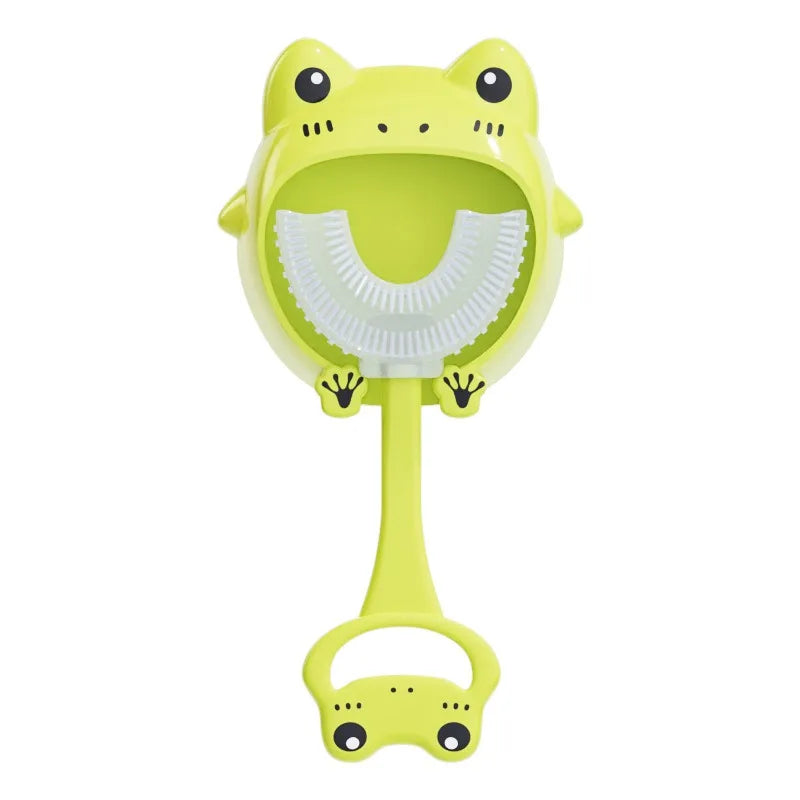
Healthy brushing habits develop through gentle routines and consistent practice. See it in action.
Signs Your Toddler's Teeth Are Being Brushed Properly
You can usually tell your brushing routine is working when:
- Teeth appear clean without visible food debris.
- Gums look healthy rather than swollen or bleeding.
- Your child gradually cooperates more during brushing.
- Your dentist reports healthy teeth and gums during routine visits.
- Parents continue supervising until children demonstrate reliable brushing skills.
Regular dental checkups remain an important part of maintaining good oral health, even when brushing routines are going well.
Mini FAQ
How often should toddlers brush their teeth?
Toddlers should brush twice daily—once after breakfast and again before bed—with adult supervision.
What is the best way to brush toddler teeth?
Use a soft child-sized toothbrush, gentle circular motions, and brush every tooth surface for about two minutes while helping your toddler finish the job.
How do I get my toddler to brush teeth without fighting?
Offer choices, brush together, use songs or games, and praise cooperation. Avoid forcing brushing whenever possible.
How much fluoride toothpaste should a toddler use?
Follow your dentist's recommendations. Young toddlers generally use only a very small amount of fluoride toothpaste appropriate for their age.
When should toddlers start flossing?
Floss once two teeth begin touching each other closely, since toothbrush bristles cannot clean between tight spaces effectively.
When should a child have their first dental visit?
Children should typically have their first dental visit by their first birthday or within six months after the first tooth erupts.
Related Guide: How to Teach Kids Brushing the Right Way at Home





