

Does the best newborn bath essentials really make bath time safer and easier?
Yes — the best bath essentials for newborn focus on safety, comfort, and simplicity rather than adding unnecessary gear. The right newborn bathing products help support a baby’s delicate body, maintain a comfortable water temperature, reduce slippery handling, and make the first baths less stressful for new parents.
A safe newborn bath setup usually only needs a few reliable items: a supportive baby bathtub or insert, gentle cleanser, soft washcloths, a thermometer, and easy-to-clean accessories. Choosing quality essentials over a large collection of products helps create a calmer routine while protecting sensitive newborn skin.
⏱ 7 min readBest Newborn Bathing Products: Reviewed for Safety and Ease
Bath time should be calm, confident, and connected — not stressful. This guide reviews the most useful newborn bathing products , explains which features matter most, and helps new parents build a practical baby bath list without buying unnecessary items. From supportive tubs to skin-friendly cleaning tools, you’ll learn which essentials improve safety, comfort, and everyday convenience.
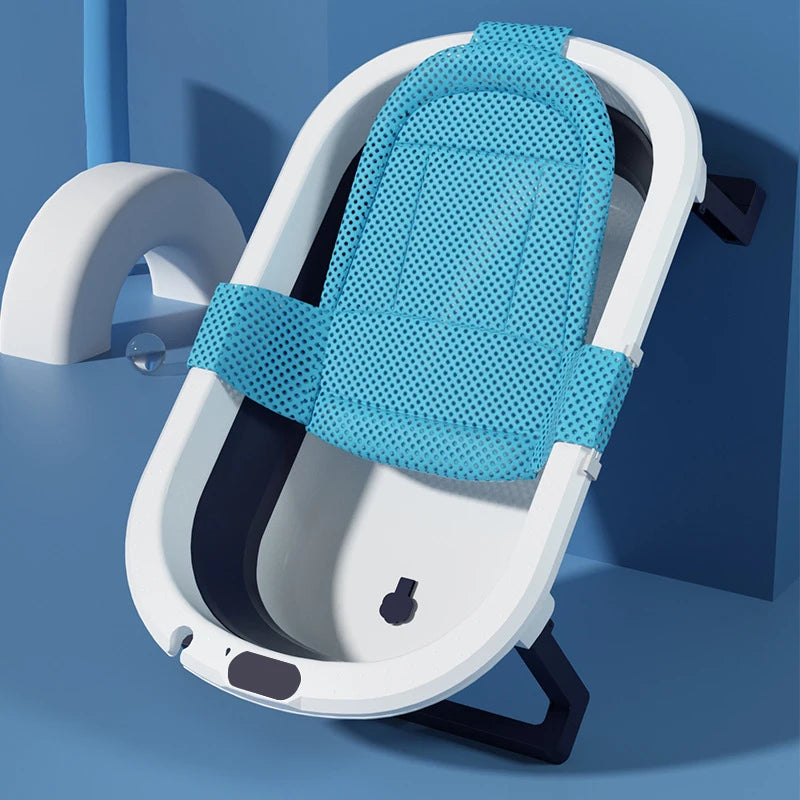
best newborn bathing products + nan — See it in action.
Why newborn baths matter (and common worries)
Newborn baths are about more than keeping a baby clean. They are an opportunity to build a gentle care routine while supporting sensitive newborn skin. Because babies have thinner skin barriers than adults, harsh products, excessive washing, and rough fabrics may cause dryness or irritation.
Many first-time parents worry about the same things: choosing the right water temperature, keeping a slippery baby secure, and knowing which newborn bath items are actually necessary. A well-prepared baby bath list helps remove uncertainty by keeping important supplies within reach before the bath begins.
For newborns with an umbilical cord stump, parents should follow healthcare guidance about keeping the area clean and dry. Sponge baths may be recommended during this early stage until the cord area heals, depending on individual advice.
Most newborns do not need daily full baths. For many babies, bathing a few times per week is enough, with gentle cleaning between baths when needed. The goal is a comfortable routine that protects the skin while helping parents feel confident.
Quick answer: Which newborn bath essentials do you actually need?
The most useful baby bath accessories essential for newborn are the products that improve safety, comfort, and cleanup. New parents usually do not need dozens of items — a small collection of dependable essentials is often enough.
- Newborn bathtub or bath support: Provides a stable position and makes handling easier.
- Gentle newborn cleanser: Helps clean without unnecessary ingredients that may dry sensitive skin.
- Soft washcloths and towels: Allow gentle cleaning and comfortable drying.
- Bath thermometer: Helps check water temperature instead of relying only on touch.
- Rinse cup and simple accessories: Make washing and rinsing easier during each bath.
Top picks and who each is for
1. Newborn bathtub or bath support — for safe positioning
A supportive newborn bathtub is one of the most important purchases because it helps parents maintain a secure bathing position. Look for designs with a gentle incline, non-slip features, and comfortable support areas that keep a newborn positioned safely during washing.
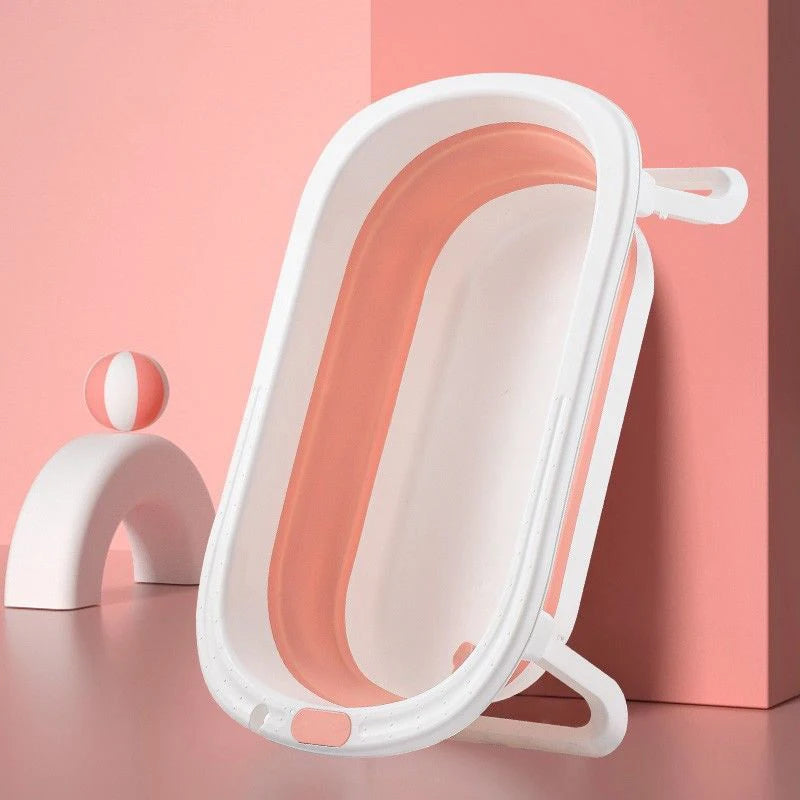
Foldable tubs are especially useful for families with limited bathroom space, frequent travel plans, or grandparents who need a compact option.
- Best for: First-time parents, small bathrooms, and travel
- Key features: Stable base, supportive recline, easy storage
- Recommended option: Baby foldable bath tub
2. Gentle newborn cleanser — for sensitive baby skin
A newborn cleanser should focus on mild cleaning rather than strong fragrance or unnecessary ingredients. Look for formulas designed for babies, with gentle ingredients that help maintain skin comfort during regular bathing.
- Best for: Babies with sensitive or easily irritated skin
- Key features: Mild formula, baby-safe ingredients, easy rinsing
3. Soft washcloths and towels — for comfortable cleaning
Soft washcloths are essential newborn bath items because they allow parents to clean delicate areas without rough rubbing. Cotton or other gentle fabrics can make bath time more comfortable, especially during the first weeks.
- Best for: Everyday newborn cleaning
- Key features: Soft texture, absorbent material, quick drying
4. Bath thermometer — for checking safe water temperature
A bath thermometer removes guesswork and helps parents create a consistent bathing environment. A comfortable water temperature is typically around 37°C (98.6°F), but parents should always follow healthcare guidance and check water before placing a baby in the bath.
- Best for: First-time parents who want extra reassurance
- Key features: Clear display, quick readings, simple operation
5. Rinse cup and bath accessories — for easier washing
Simple accessories such as rinse cups, storage holders, and bath organizers can improve the routine by keeping supplies accessible. These items are most useful when they reduce clutter rather than add more cleanup.
For more complementary gear and accessories check our Baby Bath Accessories and Baby Hygiene Gadgets .
Side-by-side comparison (at-a-glance)
| Product | Best for | Pros | Cons |
|---|---|---|---|
| Foldable tub | Space-saving families, travel | Compact, supportive, easier storage | Some materials may have initial odor |
| Bath sling/insert | Parents needing extra support | Comfortable positioning, easier handling | Needs proper drying after use |
| Thermometer | Safety-focused parents | Quick temperature checks, confidence | Battery life varies by model |
best newborn bathing products + nan — See it in action.
How to choose newborn bathing products (benefit-first headings)
Choose for safety: picks that reduce slips and temperature risk
The safest newborn bathing products are designed to make handling easier while reducing common first-bath concerns. Focus on features that improve stability, support, and temperature control rather than products with extra features you may not use.
- Look for molded seats, supportive reclines, or newborn inserts that help keep babies comfortably positioned.
- Choose a bath thermometer with a clear display and quick readings to check water temperature before bathing.
- Select tubs with non-slip bases, suction feet, or stable designs to reduce unwanted movement during use.
- Keep essential supplies within reach so you never need to step away while bathing your baby.
Choose for ease: fast-drying, easy-storage designs
Newborn bath routines become much simpler when products are easy to clean, store, and prepare. A practical design matters just as much as appearance, especially for families with limited bathroom space.
- Foldable tubs and compact bath supports are useful for smaller homes, travel, or shared bathrooms.
- Machine-washable slings and soft cloths make regular cleaning easier.
- Quick-drying materials help reduce moisture buildup between uses.
- Built-in drain plugs and simple designs make emptying and cleaning faster.
Choose for newborn skin: soft, gentle materials
Newborn skin is delicate, so every item in your baby bath list should support gentle care. Avoid unnecessary ingredients and rough materials that may contribute to dryness or discomfort.
- Choose soft cotton or bamboo washcloths that clean without harsh rubbing.
- Check that plastic bath products are labeled with appropriate material safety information, such as BPA-free and phthalate-free claims.
- Select baby cleansers with mild formulas and avoid strong fragrances when possible.
- Use soft towels that absorb moisture quickly to help keep babies comfortable after bathing.
Step-by-step newborn bath routine (simple ordered steps)
A consistent routine helps make bathing easier for both parents and babies. Preparing everything before starting reduces interruptions and allows you to focus fully on safe handling.
- Gather all newborn bath items first, including the tub, washcloths, towel, clean diaper, clothes, and thermometer.
- Fill the baby tub with a small amount of warm water and check the temperature before placing your baby inside.
- Support your baby’s head and neck while gently positioning them in the tub or bath support.
- Use a small amount of gentle cleanser only where needed, then rinse carefully with clean water.
- Lift your baby into a warm towel, pat dry gently, and complete the routine with diapering and dressing.
Essential safety tips & tools
Safety should always come before convenience when using baby bath accessories essential for newborn . The right products can make bathing easier, but they should never replace active supervision and careful preparation.
- Never leave baby unattended. Even a shallow amount of water can create serious safety risks.
- Prepare all supplies before the bath begins so you can keep one hand available for support.
- Check water temperature before every bath, especially during the newborn stage.
- Clean and dry bath accessories after use to help maintain good hygiene.
- Avoid using large adult bathtubs until your baby has the required physical control and readiness.
Newborn bath essentials feature checklist (useful when comparing)
Use this checklist when comparing newborn bathing products to identify options that provide real value instead of unnecessary extras.
- Supportive incline, molded seat, or secure newborn positioning design
- Quick-drying materials for slings, towels, and washcloths
- Clear thermometer display with simple temperature checking
- BPA-free and phthalate-free material information where applicable
- Stable base, non-slip features, or secure attachment points
- Easy-clean surfaces that reduce maintenance time
- Compact storage design that fits your home and routine
First-bath preparation checklist before using your newborn bath essentials
Before starting a newborn bath, prepare everything you need within arm’s reach. A simple setup reduces interruptions and helps create a safer, calmer routine for both parent and baby.
- Bath support: Set up your newborn bathtub, insert, or foldable tub on a stable surface before adding water.
- Temperature check: Keep a bath thermometer nearby to confirm comfortable water temperature.
- Cleaning supplies: Prepare a soft washcloth, gentle cleanser, and clean towel before undressing your baby.
- After-bath items: Have a fresh diaper, clothing, and any baby skincare essentials ready to prevent unnecessary waiting after drying.
Pros and cons of newborn bath essentials
Choosing the right best bath essentials for newborn can make daily care easier, but every product category has limitations. Understanding the advantages and drawbacks helps parents select items that fit their space, routine, and comfort level.
- ✅ Pros: Supportive tubs improve handling, thermometers reduce temperature guesswork, soft materials protect delicate skin, and compact designs make storage easier.
- ❌ Cons: Some accessories require drying space, certain tubs may take up storage room, and extra products may not be necessary for every family.
Mini FAQ
-
How often should you bathe a newborn?
Most newborns do not need a full bath every day. Bathing two to three times per week is usually enough for many babies, with gentle cleaning between baths when needed.
-
What bath products are safe for newborn sensitive skin?
Choose mild baby cleansers, soft washcloths, absorbent towels, and products designed for delicate skin. Avoid unnecessary fragrances and harsh ingredients when possible.
-
What baby bath accessories are essential for a newborn?
The most useful essentials are a supportive baby bathtub or bath support, thermometer, soft washcloths, gentle cleanser, and a comfortable towel. Additional accessories can be added based on your routine and available space.
-
Do newborns need a baby bathtub?
A baby bathtub is not the only option, but many parents find it helpful because it provides a dedicated space designed for newborn support, easier handling, and a more comfortable bathing position.
-
What is the best bath brand for newborns?
The best choice depends on your baby’s needs, your space, and the features you value most. Look for brands and products with safe materials, practical designs, easy cleaning, and features that support gentle newborn care.
Schema-ready FAQ (copy-friendly)
How often should I bathe my newborn?
Two to three times per week is enough for most newborns. Frequent bathing may dry delicate skin, so gentle spot cleaning between baths is often sufficient.
What water temperature is safest for newborn baths?
A temperature around 37°C (98.6°F) is commonly used as a comfortable target for newborn baths. A bath thermometer helps parents check the water instead of relying only on touch.
What newborn bath essentials should I buy first?
Start with a supportive newborn bathtub or bath support, a thermometer, soft washcloths, a gentle cleanser, and a towel. These items cover the main needs for safe and comfortable bathing.
Are baby bath products with fragrance safe for newborns?
Newborn skin can be sensitive, so many parents choose fragrance-free or lightly formulated baby products. Selecting gentle ingredients can help reduce the chance of irritation.
Related collections: Baby Bath Accessories • Baby Hygiene Gadgets • Temperature Tools
Pillar Article: Bathroom Small Vanity Picks: Best Space-Saving Designs Reviewed
Other Related Articles:
- Gurgling Bathtub Drain Fixes: What Works Best?
- Decorative Small Bathrooms: Stylish Upgrades Worth Comparing
- Best Bathtub Storage Ideas for Cleaner, Safer Baby Bath Time
- Bathtub Storage for Toys: Top Organizer Options Compared
Explore More:





