

Small Bathroom Decor Ideas: How to Make a Tiny Bathroom Look Bigger and More Stylish
Small bathroom decor ideas can make a surprisingly large difference in a compact space. The most effective approach combines light colors, well-placed mirrors, layered lighting, vertical storage, and appropriately scaled furniture so the room feels open without becoming impractical. Whether you are decorating a tiny apartment bathroom, family bath, guest bathroom, or rental, the goal is to make every design choice work twice: it should look good and improve how the room functions.
bathroom small vanity - KentDO · See it in action
⏱ 9 min read
Introduction: What makes a small bathroom feel bigger?
A small bathroom does not necessarily need a major renovation to feel more spacious. In many cases, the biggest improvements come from visual changes rather than structural ones. A large mirror can reflect light and make the room appear deeper, a consistent color palette can reduce visual breaks, and vertical storage can move everyday items off the floor and countertops.
The best bathroom decor ideas for small spaces also avoid a common mistake: treating decoration and organization as separate projects. In a compact bathroom, every shelf, basket, towel, fixture, and decorative object contributes to the overall visual weight of the room. Choosing fewer, better-coordinated pieces can make the space feel calmer while still giving you enough storage for daily routines.
Quick Featured Snippet — How can you decorate a small bathroom to make it look bigger?
To decorate a small bathroom so it looks bigger, use light or softly reflective colors, add a large mirror, improve layered lighting, keep the floor visually clear, and use vertical storage instead of bulky furniture. Choose fixtures and accessories that fit the room's scale, repeat similar finishes, and limit countertop clutter. These small bathroom decor ideas create stronger sightlines and make a compact room feel brighter, taller, and more open without requiring a full remodel.
- Use light colors: Whites, warm neutrals, pale greens, soft blues, and light natural tones can make walls feel less visually heavy.
- Install or enlarge a mirror: A broad mirror can reflect light and create the impression of additional depth.
- Layer the lighting: Combine general lighting with task lighting around the mirror and softer accent lighting where practical.
- Go vertical: Wall shelves, tall cabinets, hooks, and over-door organizers use height instead of valuable floor area.
- Reduce visual clutter: Keep frequently used items organized and reserve decorative pieces for a few intentional focal points.
Small bathroom decor ideas by design style
A compact bathroom can support almost any decorating style, but some styles naturally work better because they rely on clean lines, restrained palettes, or visually lightweight materials. Choosing a clear style before buying accessories also prevents a small room from becoming a collection of unrelated colors and patterns.
Modern small bathroom decor ideas
Modern small bathroom decor works particularly well when the room needs to feel streamlined. Choose simple silhouettes, a restrained color palette, and a limited number of finishes. White, warm gray, beige, charcoal accents, or muted green can create a polished foundation.
- Use flat-front storage and simple hardware.
- Choose one dominant finish and one accent finish rather than mixing too many materials.
- Consider frameless or visually minimal mirrors where appropriate.
- Use a few larger decorative elements instead of many small accessories.
Style example: Pair warm white walls with a light wood storage unit, a large frameless mirror, matte hardware, and one textured towel set for a clean modern look.
Minimalist and Scandinavian small bathroom ideas
Minimalist and Scandinavian-inspired bathrooms emphasize brightness, natural materials, functionality, and visual simplicity. This approach is useful for tiny rooms because it keeps the eye moving rather than interrupting the space with excessive decoration.
- Build around white, cream, pale gray, or light beige.
- Add natural wood tones through shelving, trays, or framed accessories.
- Use woven baskets for controlled texture and concealed organization.
- Keep decorative objects limited to items that are useful or visually meaningful.
Farmhouse and rustic small bathroom ideas
Farmhouse and rustic styles can work in a small bathroom when texture is controlled. Instead of covering every surface with distressed finishes, choose one or two rustic elements and keep the rest of the room visually simple.
- Try warm white or creamy walls with natural wood accents.
- Use one rustic mirror frame as a focal point.
- Add texture through a small woven basket or linen-style textiles.
- Keep patterns modest so the room does not feel visually crowded.
Luxury small bathroom styling ideas
A small bathroom can look luxurious without expensive remodeling. Luxury is often created through consistency, lighting, texture, and restraint rather than room size. A large mirror, coordinated hardware, quality-looking textiles, and a carefully selected accent finish can elevate the space.
- Use a cohesive metallic finish for hardware and accessories.
- Choose one statement material, such as stone-look tile or a marble-inspired surface.
- Add soft, plush towels rather than numerous decorative objects.
- Use warm lighting to make hard surfaces feel more inviting.
Coastal and natural-inspired bathroom decor
Coastal and nature-inspired designs can make a small bathroom feel relaxed and fresh. Soft blue, sandy beige, white, pale green, and natural wood are easy colors to coordinate without making the room feel dark.
For a subtle coastal look, combine a pale wall color with natural baskets, light wood, simple white textiles, and one restrained blue accent. Avoid excessive nautical decorations, which can quickly make a tiny bathroom feel themed rather than sophisticated.
Small bathroom decor ideas that maximize space
The most effective tiny bathroom decorating ideas make the room appear larger while also improving storage and movement. Think of the walls, floor, ceiling, reflective surfaces, and lighting as one visual system rather than separate design elements.
Use mirrors to create visual space
A mirror is one of the easiest ways to create visual depth in a compact bathroom. Instead of using several small decorative mirrors, consider one larger mirror that spans much of the vanity area when the layout allows it.
Positioning also matters. A mirror opposite or near a light source can increase reflected brightness, while a mirror that visually connects two surfaces can make the room appear wider. For an especially small bathroom, choose a frame that does not add unnecessary visual bulk.
Add vertical storage without clutter
Small bathroom organization ideas should prioritize unused wall height. Tall, narrow storage can hold towels and supplies without consuming as much floor space as wide cabinets. Open shelves can also work, but they should not become a display area for every product in the bathroom.
- Install hooks for towels and frequently used items.
- Use narrow wall shelves for carefully selected essentials.
- Choose tall storage when floor space is limited but ceiling height is available.
- Use baskets or matching containers to visually group smaller products.
- Keep less frequently used supplies higher and everyday essentials within easy reach.
Choose space-saving fixtures and furniture
Furniture should be scaled to the room. Oversized storage, deep cabinets, or large decorative stools can make a compact bathroom feel obstructed even when they provide useful storage.
Look for visually lightweight furniture, compact storage, floating designs where appropriate, and fixtures that preserve clear floor area. If replacing fixtures is not practical, create a similar effect by removing unnecessary freestanding pieces and using wall-mounted organizers instead.
Improve lighting for a larger feel
Lighting is one of the most overlooked small bathroom upgrades. A single ceiling fixture can leave corners dark and make the room feel smaller. Where the electrical layout permits, combine general illumination with focused lighting around the mirror.
Use bright, even illumination for grooming areas and warmer accent lighting for atmosphere. Keep light sources positioned so they do not create strong shadows across the face or make reflective surfaces uncomfortable to use.
bathroom small vanity - KentDO · See it in action
Budget small bathroom makeover ideas
A budget small bathroom makeover does not need to involve replacing tile, plumbing, or major fixtures. Start with the changes that affect the largest visual surfaces and the most noticeable sources of clutter. Paint, mirrors, lighting, textiles, hardware, and storage can often change the room's appearance without a complete remodel.
Affordable decor swaps with high impact
- Replace the mirror: A larger or better-proportioned mirror can change the perceived scale of the room.
- Coordinate textiles: Matching or complementary towels and bath mats reduce visual noise.
- Update hardware: New cabinet pulls, hooks, and towel hardware can refresh an older bathroom.
- Change the shower curtain: A light, simple curtain can make a small bathroom feel less enclosed.
- Declutter the countertop: Moving products into baskets, drawers, or organizers is often a free upgrade.
DIY upgrades for renters
Renters can still create decorative small bathroom ideas without permanent remodeling. Use removable hooks, tension shelving, freestanding organizers, peel-and-stick accessories where suitable, and decorative containers that can move with you.
Before making any adhesive or surface change, check your lease and the manufacturer's removal instructions. Avoid solutions that could damage paint, tile, waterproofing, or other finished surfaces.
Low-cost storage and organization solutions
Storage does not have to be expensive to be effective. A small set of matching baskets can hide visual clutter, while over-door organizers can use space that would otherwise be wasted. Drawer dividers, stackable containers, and narrow rolling carts can also help when cabinet space is limited.
For family bathrooms, prioritize storage that separates categories: everyday toiletries, towels, cleaning supplies, and bath accessories should each have a designated place. If young children use the room, keep potentially hazardous household products secured and out of their reach.
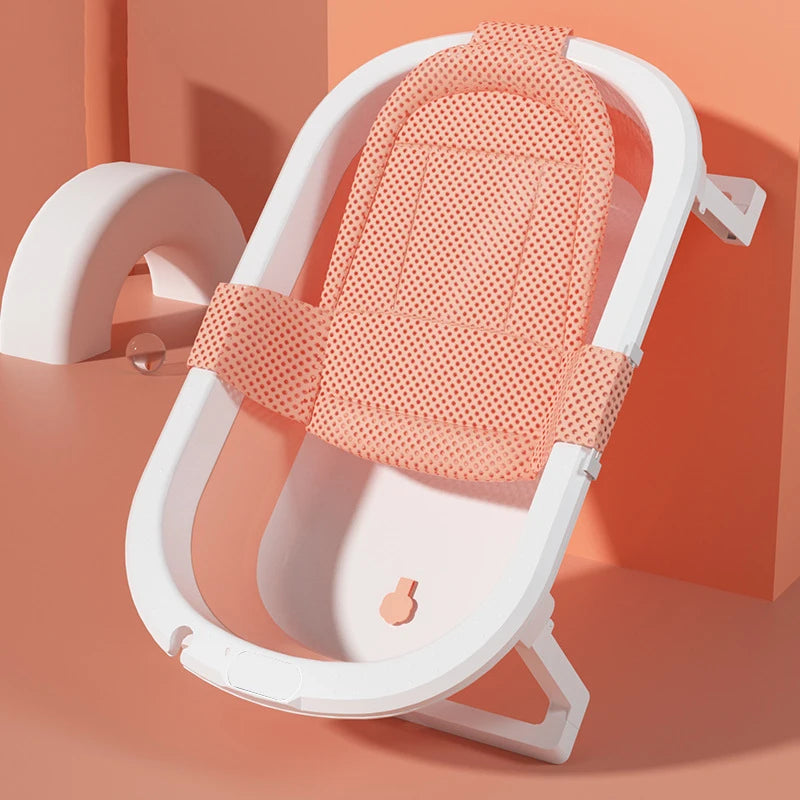
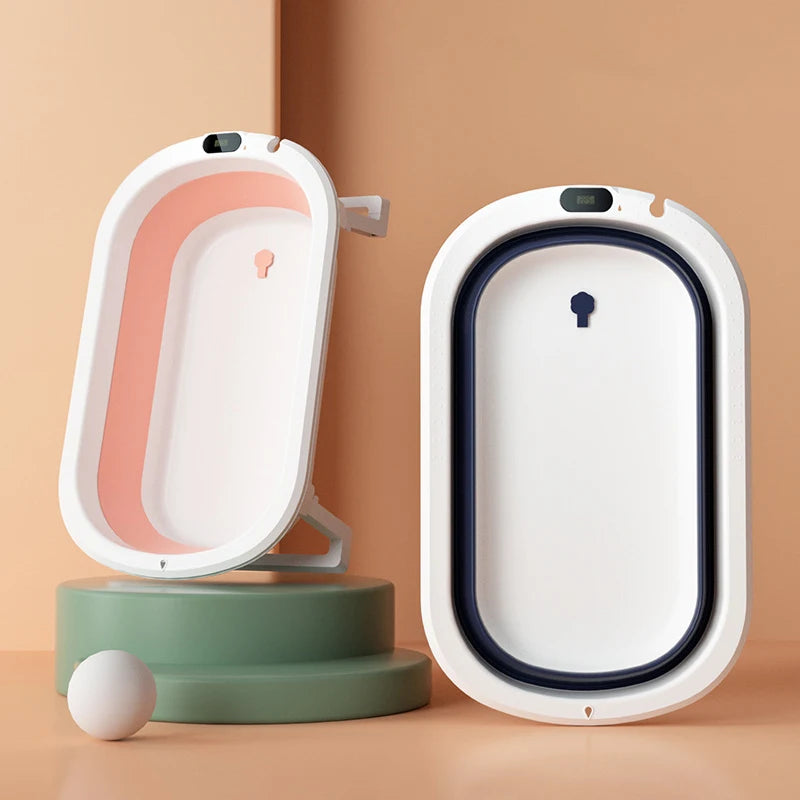
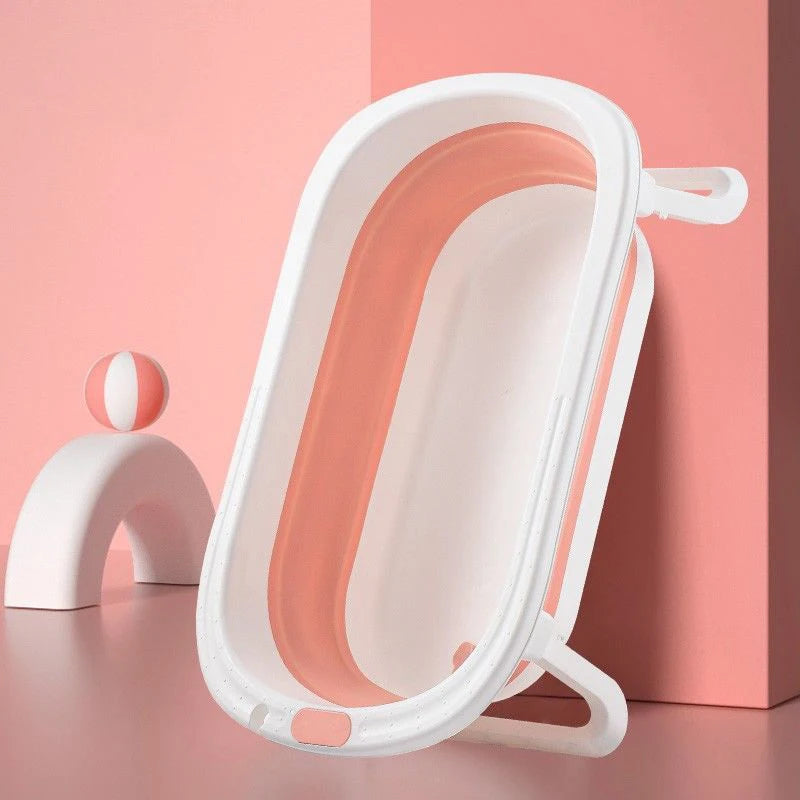
For compact baby-care solutions, explore Baby Bath Accessories to find compact tubs and foldable solutions that tuck away easily.
Small bathroom decor ideas for different spaces
Tiny apartment bathroom ideas
Apartment bathrooms often combine limited floor area with awkward storage and little natural light. Focus on reflective surfaces, vertical organization, and a consistent color palette. A large mirror, slim storage, light textiles, and a small number of decorative accents can create a more open appearance without major changes to the property.
Guest bathroom and powder room ideas
A powder room can tolerate a little more decorative personality because it usually does not need to store as many everyday products. Use one strong focal point, such as an interesting mirror, patterned wallpaper, distinctive light fixture, or textured accessory, then keep the remaining elements simple.
Because guests need intuitive access, keep hand towels, soap, toilet paper, and other essentials visible or easy to locate. Good organization can make even a very small powder room feel intentional rather than cramped.
Small family bathroom solutions
Family bathrooms need to balance decoration with practical storage. Choose durable, moisture-resistant materials and organize supplies by frequency of use. Closed storage can reduce visual clutter, while labeled or coordinated baskets can make shared routines easier.
If the bathroom is also used for baby bath time, leave enough clear floor area for safe movement and keep small accessories organized rather than scattered around the tub or sink.
Small bathroom decorating mistakes to avoid
Knowing what not to do is just as important as collecting small bathroom decor ideas. A design can look attractive in isolation but fail when too many elements compete in a limited room.
- Too much clutter: Displaying every toiletry and decorative item makes surfaces look busy. Keep only frequently used or intentionally displayed items visible.
- Poor lighting: Dark corners can visually shrink the room. Add or improve illumination where possible.
- Too many dark colors: Dark tones are not automatically wrong, but using them across every wall, cabinet, and accessory can make a tiny room feel enclosed. Consider using darker colors as controlled accents.
- Oversized furniture: A piece that is only slightly too deep can interfere with movement and make the entire layout feel cramped.
- Too many patterns: Multiple competing tile, textile, and accessory patterns can overwhelm a small visual field. Choose one primary pattern and keep surrounding elements quieter.
- Ignoring vertical space: Leaving walls unused while the floor becomes crowded wastes one of the most valuable resources in a tiny bathroom.
- Inconsistent finishes: Too many unrelated metals, woods, or colors can create visual fragmentation. Repeat finishes intentionally.
Before and after small bathroom transformations
A successful small bathroom makeover is usually less about adding more and more about editing what is already there. The following scenarios show how a few coordinated changes can produce a noticeable visual difference.
Scenario 1: Cluttered family bathroom
Before: Toiletries cover the counter, towels hang wherever space is available, and bath accessories occupy the floor.
After: Everyday items move into drawer organizers, towels receive dedicated hooks, and bath accessories are grouped in a compact storage basket. A larger mirror and brighter lighting then make the cleared surfaces more noticeable.
Scenario 2: Dark apartment bathroom
Before: Dark walls, limited overhead lighting, and a small mirror make the room feel enclosed.
After: A lighter wall treatment, larger mirror, brighter task lighting, and pale textiles create more reflected light. Natural wood accessories add warmth without adding visual heaviness.
Scenario 3: Small rental bathroom
Before: The fixed fixtures are dated, storage is limited, and the countertop collects miscellaneous products.
After: Removable hooks, coordinated baskets, a renter-friendly mirror solution, matching textiles, and improved organization create a more cohesive appearance without changing permanent fixtures.
For additional ideas that combine storage with family routines, browse our bathtub storage ideas and bathtub storage for toys guides.
Small bathroom decor planning checklist
Before buying paint, storage, accessories, or new fixtures, use this simple planning sequence. It helps prevent attractive purchases from creating a less functional bathroom.
- Measure the room: Record wall lengths, ceiling height, door swing, fixture positions, and available clearance.
- Identify the biggest problem: Decide whether the room feels too dark, cluttered, cramped, poorly organized, or visually dated.
- Choose a design direction: Select one primary style and two or three supporting colors.
- Plan storage first: Determine where towels, toiletries, cleaning supplies, and family or baby bath items will live.
- Improve lighting: Identify dark areas and prioritize mirror and task lighting where possible.
- Choose the largest visual upgrade: This might be paint, a mirror, lighting, storage, or coordinated textiles.
- Add decoration last: Once function is solved, add plants, artwork, baskets, textiles, or other accents selectively.
For broader small bathroom organization ideas, use the same principle: store vertically, group similar items, and keep high-frequency products accessible without leaving everything on display.
Best colors, materials, and finishes for small bathrooms
Color and material selection can strongly influence how spacious a bathroom feels. There is no single “correct” color for a tiny bathroom, but lighter and more continuous surfaces generally make it easier to create an open visual effect.
- Soft white: Bright, versatile, and easy to coordinate with almost any accent.
- Warm beige: Adds softness without the stark appearance that some whites can create.
- Pale blue: Works well for coastal or calming bathroom designs.
- Soft green: Adds a natural feeling while remaining relatively light.
- Light gray: Creates a modern foundation and works with wood or metallic accents.
- Natural wood: Adds warmth and texture when used in moderation.
For materials, prioritize surfaces that tolerate humidity and regular cleaning. Sealed wood, quality laminate, solid-surface materials, appropriately finished metal, porcelain, ceramic, and moisture-suitable wall products can all work depending on the application and manufacturer's specifications.
Glossy or reflective surfaces can help bounce light around a room, while matte finishes can provide a softer appearance and may be useful when you want to reduce the visual impact of water spots. The best combination depends on lighting, cleaning habits, and the overall style.
Mini FAQ: Small bathroom decor ideas
How can I make a small bathroom look bigger?
Use a large mirror, light or softly reflective colors, bright and layered lighting, compact furniture, and vertical storage. Keeping the floor and countertops visually clear also makes the room appear more open.
What colors work best for a small bathroom?
Soft white, cream, beige, pale blue, light gray, and muted green are versatile choices for small bathrooms. You can still use dark colors, but using them selectively as accents often prevents the room from feeling visually heavy.
How do you decorate a small bathroom on a budget?
Start with high-impact, low-cost changes such as decluttering, coordinating towels, replacing hardware, improving storage, adding a larger mirror, and updating removable accessories. These changes can refresh the room without a full renovation.
What are the best storage ideas for a tiny bathroom?
Use vertical shelves, hooks, over-door organizers, narrow cabinets, drawer dividers, baskets, and other compact organizers. Assign storage by category so everyday products remain accessible while less frequently used items stay out of sight.
How can I decorate a rental bathroom without remodeling?
Focus on removable and portable solutions such as tension organizers, removable hooks, freestanding storage, coordinated textiles, baskets, artwork, and renter-friendly mirror or accessory solutions. Check your lease before using adhesive products or making any permanent changes.
Should a small bathroom always be white?
No. White is useful because it reflects light and provides a simple visual foundation, but pale neutrals, soft blues, muted greens, and warm beige can work equally well. The most important factors are overall brightness, color continuity, and avoiding excessive visual contrast.
How can I add personality without making a tiny bathroom look cluttered?
Choose one or two focal points, such as a distinctive mirror, artwork, patterned textile, or accent wall. Keep the remaining surfaces relatively quiet and repeat one or two colors from the focal element throughout the room.
bathroom small vanity - KentDO · See it in action
Schema-ready Mini FAQ
-
How can I make a small bathroom look bigger?
Use a large mirror, light colors, effective lighting, vertical storage, and appropriately scaled fixtures while keeping floors and countertops visually clear.
-
What colors work best for a small bathroom?
Light neutrals, soft white, pale blue, muted green, beige, and light gray are practical choices because they can keep the room feeling bright and visually open.
-
How do you decorate a small bathroom on a budget?
Prioritize decluttering, affordable storage, coordinated textiles, updated hardware, improved lighting, and a larger mirror before considering expensive renovation work.
-
What are the best storage ideas for a tiny bathroom?
Vertical shelves, hooks, over-door organizers, narrow storage units, baskets, and drawer organizers make better use of limited space without crowding the floor.
-
How can I decorate a rental bathroom without remodeling?
Use removable hooks, freestanding organizers, portable storage, coordinated textiles, artwork, and other renter-friendly accessories that do not require permanent alterations.
If you are combining small bathroom decor ideas with baby-care routines, browse Baby Bath Accessories and Beauty & Wellness for coordinating essentials that can help keep counters organized and routines calmer.
For practical organization, start with the biggest source of clutter, then improve storage, lighting, and visual continuity before adding decorative accents. A small bathroom does not need to look sparse; it needs a clear hierarchy so every element has a purpose.
Shopping tip: take photos of your current space and mark plumbing points, storage limitations, lighting positions, and areas where movement feels restricted. This makes it easier to compare ideas and choose upgrades that genuinely improve the room.
For compact baby-care routines, a foldable option can also help conserve storage space: baby foldable bath tub .
Pillar Article: Bathroom Small Vanity Picks: Best Space-Saving Designs Reviewed
Other Related Articles:
- Best Newborn Bathing Products: Reviewed for Safety and Ease
- Gurgling Bathtub Drain Fixes: What Works Best?
- Best Bathtub Storage Ideas for Cleaner, Safer Baby Bath Time
- Bathtub Storage for Toys: Top Organizer Options Compared
Explore More:





