

What is the best silicone toothbrush for toddlers by age?
Short answer: The best silicone toothbrush for toddlers is one designed for your child's age, mouth size, and stage of oral development. Infants benefit from ultra-soft silicone toothbrush infant designs that gently massage sensitive gums, while toddlers ages 2–3 typically need flexible, easy-to-grip brushes that clean effectively without causing discomfort or making a toothbrush irritate gums.
Best Silicone Toothbrush for Toddlers Compared by Age
Finding the best silicone toothbrush for toddlers is about more than choosing the softest brush. The right option should fit your child's developing mouth, protect delicate gums, encourage healthy brushing habits, and make daily oral care easier for both parents and children. Whether you're shopping for a silicone toothbrush infant model or comparing toothbrushes for 3 year olds who often chew on their brushes, selecting an age-appropriate design can improve comfort, safety, and brushing success.
⏱ 7 min read
Children's oral care needs change quickly during the first few years of life. Choosing a toothbrush that matches your child's age can help protect sensitive gums while building positive brushing habits from the start.
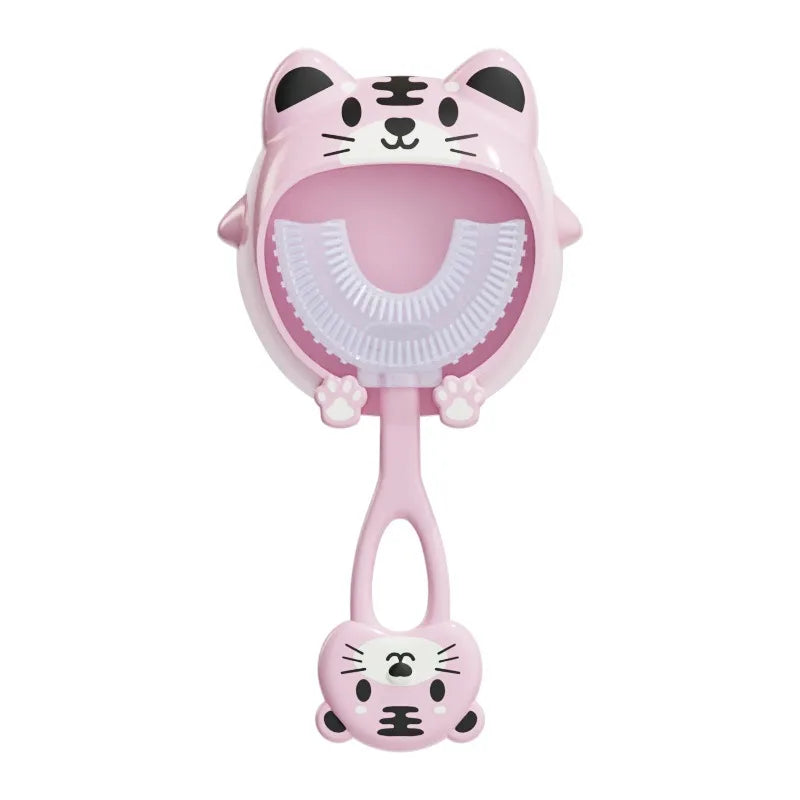
A gentle toothbrush for sensitive gums can reduce resistance and protect tiny mouths. See it in action.
As your child grows, factors such as brush head size, handle design, silicone softness, and chewing behavior become increasingly important. Exploring essentials from Baby Care Essentials alongside practical guidance in Health & Safety can help parents create a safer, more comfortable daily oral care routine.
Best Silicone Toothbrushes for Infants (0–12 Months)
Oral care begins long before children can brush independently. During the first year, a silicone toothbrush infant design is primarily intended to gently clean the gums, remove milk residue, and help babies become comfortable with daily oral hygiene.
Direct answer: For infants, the best silicone toothbrush features ultra-soft, medical-grade silicone bristles, a compact brush head, and a built-in safety shield or finger-brush design. These features provide gentle cleaning during teething while minimizing the chance that a toothbrush irritate gums or is inserted too deeply.
What to look for
- Medical-grade, BPA-free silicone with soft, flexible bristles
- Compact, rounded brush head designed for small mouths
- Safety shield or finger-brush style for better control
- Comfortable, non-slip grip for parent-assisted brushing
Pros
- Gentle on developing gums during teething
- Helps introduce healthy oral care habits early
- Easy for parents to control while brushing
Cons
- Designed mainly for early cleaning rather than removing established plaque
- Requires regular inspection for wear if frequently chewed
Many parents pair early brushing with soothing routines found in Sleep & Comfort collections to help babies accept oral care more comfortably.
Best Silicone Toothbrushes for Toddlers (1–2 Years)
Between one and two years of age, children become more active during brushing. They may bite the brush, turn their head unexpectedly, or insist on brushing independently, making comfort and control especially important.
A gentle toothbrush for sensitive gums with a flexible silicone head can reduce pressure on delicate tissues while allowing parents to clean newly erupted teeth effectively. Easy-grip handles also encourage toddlers to begin practicing supervised brushing on their own.
Pros
- Gentle on sensitive gums and newly erupted teeth
- Flexible brush heads improve comfort during sudden movement
- Easy-grip handles support developing motor skills
- Suitable for supervised independent brushing
Cons
- Silicone bristles may wear more quickly in children who frequently chew their toothbrush
- Still requires close adult supervision for effective cleaning
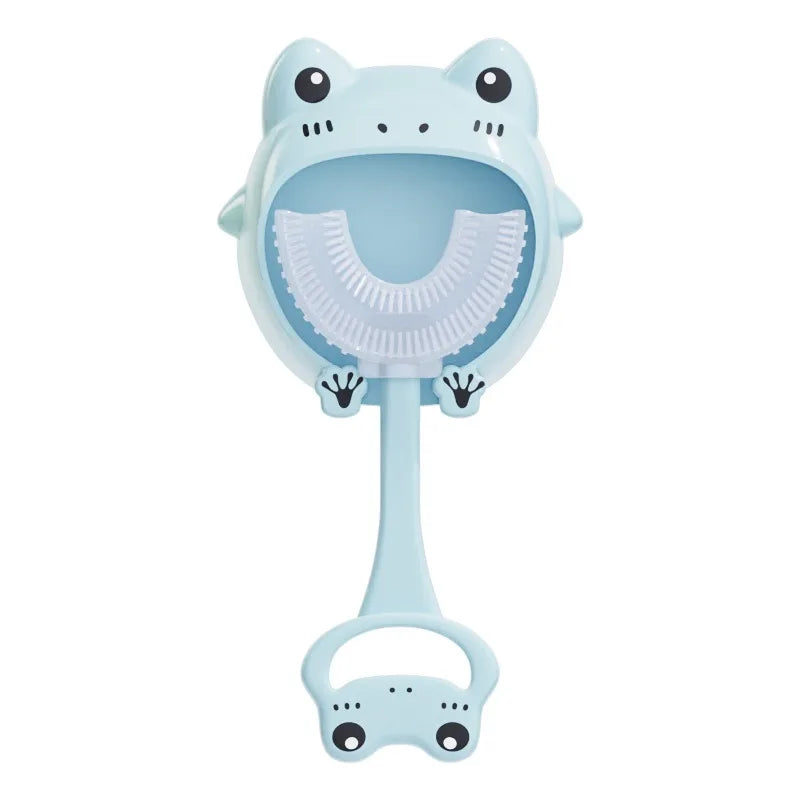
Comparing silicone toothbrush infant designs with toddler options shows why choosing an age-appropriate brush matters. See it in action.
Parents often browse Baby Hygiene Gadgets alongside toothbrushes to create a simple, child-friendly daily hygiene routine.
Best Toothbrushes for 3 Year Olds Who Chew
By age three, many children are eager to brush independently but still chew on their toothbrush during the process. Toothbrushes for 3 year olds should be durable enough to withstand chewing while remaining gentle on developing teeth and gums.
Direct answer: The best silicone toothbrush for children around age three combines reinforced silicone bristles, a slightly wider brush head, and an ergonomic handle that is easy for small hands to grip. These features help clean more tooth surfaces while reducing the likelihood that a toothbrush irritate gums during enthusiastic brushing or chewing.
Why design matters now
- Chewing on toothbrushes is still a common habit.
- Fine motor skills continue to improve but remain inconsistent.
- A properly sized brush head reaches back teeth more comfortably.
- Comfortable, easy-to-hold handles encourage regular brushing.
- Consistent daily brushing is more important than achieving perfect technique.
Pros
- Durable silicone construction tolerates moderate chewing.
- Gentle bristles help protect sensitive gums.
- Ergonomic handles promote better brushing control.
- Larger brushing surfaces can clean multiple teeth more efficiently.
Cons
- Heavy chewing can shorten the lifespan of any silicone toothbrush.
- Children still require adult supervision to ensure effective brushing and proper toothpaste use.
Combining brushing with playful learning activities from Baby Growth & Learning can make daily oral care more enjoyable and encourage long-term healthy habits.
Side-by-Side Comparison by Age
| Age Range | Recommended Features | Best For | Main Concern Addressed |
|---|---|---|---|
| 0–12 months | Ultra-soft medical-grade silicone, safety shield, compact head | Parent-assisted gum cleaning | Protecting delicate gums during teething |
| 1–2 years | Flexible brush head, easy-grip handle, soft silicone bristles | Early independent brushing | Movement, biting, and sensitive gums |
| 3 years | Reinforced silicone, ergonomic handle, wider brushing surface | Children who chew and brush independently | Durability, comfort, and effective cleaning |
Are U-Shape Silicone Toothbrushes Worth It?
U-shaped silicone toothbrushes are designed to clean multiple tooth surfaces at the same time, making brushing faster and easier for young children who dislike traditional brushing. While they can encourage participation and improve comfort, they work best when the brush size matches the child's age and is used according to the manufacturer's instructions.
Benefits
Many parents exploring the U-Shape Kids Toothbrush appreciate features that help simplify daily brushing routines.
- Cleans multiple tooth surfaces simultaneously.
- Distributes brushing pressure more evenly across the teeth and gums.
- Soft silicone construction can be gentler on sensitive gums.
- May improve cooperation in children who resist conventional toothbrushes.
Limitations
- Not every child will achieve complete plaque removal without proper brushing technique.
- Selecting the correct size for your child's age is essential for effective cleaning.
- Adult supervision is still recommended, especially for younger toddlers.
Some families also explore additional oral health and safety advice available in Health & Safety to build consistent brushing habits.
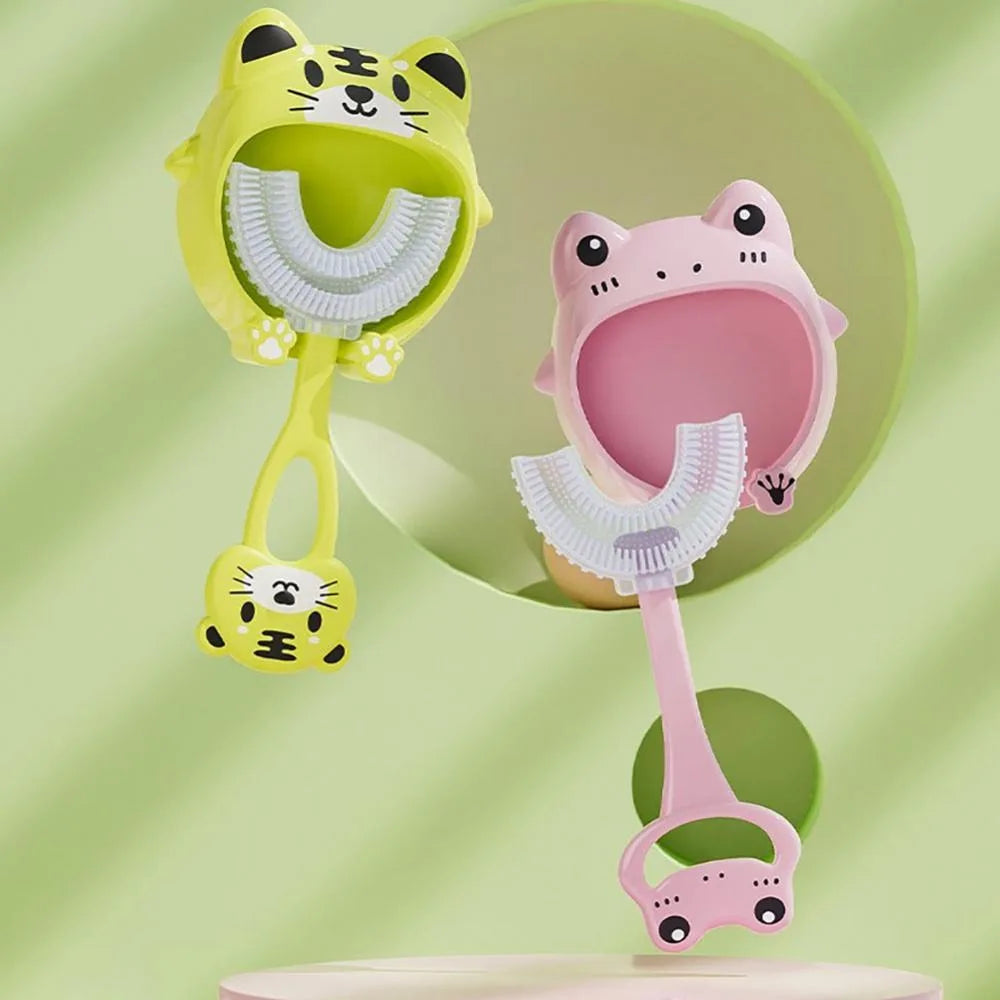
Choosing the best silicone toothbrush for toddlers can make brushing more comfortable while helping protect sensitive gums. See it in action.
Common Mistakes That Can Irritate Gums
Even the best silicone toothbrush cannot compensate for poor brushing habits. Gum irritation is often caused by technique, incorrect brush size, or using a worn toothbrush rather than the brush material itself.
Cleaning mistakes
- Using bristles that are too firm for your child's age.
- Choosing an adult-sized brush head for a small mouth.
- Applying excessive brushing pressure.
- Brushing too aggressively or for too long.
- Ignoring the manufacturer's recommended age range.
Replacement timing
- Replace the toothbrush every 2–3 months under normal use.
- Replace it sooner if the silicone becomes torn, misshapen, or heavily chewed.
- Discard the brush after illness if recommended by your healthcare provider.
A toothbrush is most likely to irritate gums when its size, firmness, or condition no longer matches the child's stage of development or brushing habits.
Frequently Asked Questions
Is silicone better than nylon for toddlers?
Silicone toothbrushes are generally softer and more flexible, making them a comfortable option for babies and young toddlers with sensitive gums. As children develop more teeth, some dentists may recommend transitioning to a soft-bristled nylon toothbrush for improved plaque removal while continuing to use age-appropriate brushing techniques.
How often should a silicone toothbrush be replaced?
Replace a silicone toothbrush every 2–3 months during normal use, or sooner if it becomes damaged, loses its shape, or shows signs of heavy chewing. Regular replacement helps maintain effective cleaning and good oral hygiene.
Can a silicone toothbrush really clean teeth?
Yes. A high-quality silicone toothbrush can effectively clean teeth and massage gums when it is matched to your child's age, used with the correct brushing technique, and incorporated into a consistent daily oral care routine.
Are silicone toothbrushes safe for babies?
Yes. Silicone toothbrushes designed specifically for infants are generally safe when used under adult supervision. Look for medical-grade silicone, an age-appropriate brush head, and built-in safety features such as a safety shield or finger-brush design.
Can adults use silicone toothbrushes?
Adults can use silicone toothbrushes if they prefer a gentler brushing experience or have particularly sensitive gums. However, many dental professionals recommend choosing a toothbrush that provides effective plaque removal while remaining comfortable to use.
Do dentists recommend silicone toothbrushes?
Many dentists consider silicone toothbrushes appropriate for infants, young toddlers, and children with sensitive gums when the brush is age-appropriate and used correctly. The most important factors remain consistent brushing, proper technique, fluoride toothpaste when recommended, and regular dental checkups.
Related Guide: U Shape Kids Toothbrush Comparison: Which Is Safest?





