

Does monitoring bathwater really make bath time safer and easier?
Answer: The best way monitor bathwater is to combine a simple digital or floating thermometer with a quick routine: measure, adjust, and re-check. This approach prevents guesswork, keeps temperatures consistent for comfort and safety, and saves time—especially helpful for newborns, toddlers, and busy caregivers.
Best Way Monitor Bathwater at Home: Simple Tools & Tricks
Keeping bath time calm and safe starts with the right water temperature — not guesswork. This guide cuts through gimmicks and shows practical, easy steps and tools to check bathwater reliably, protect delicate skin, and make your routine faster and less stressful.
⏱ 7 min read
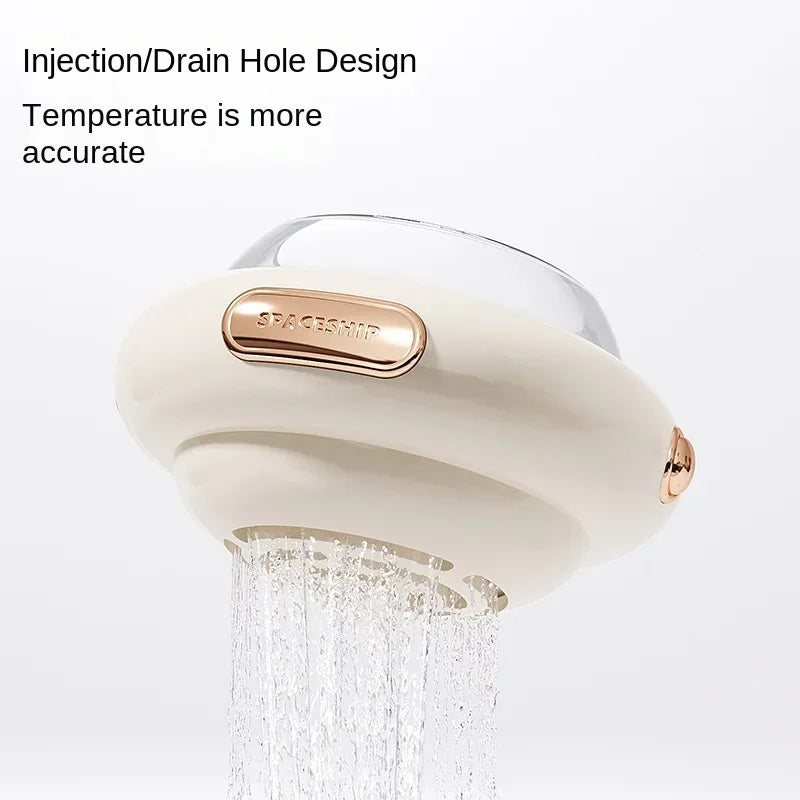
best way monitor bathwater - KentDO 💡 See it in action — ideal for worry-free bath routines.
Why Water Temperature Matters for Babies & Parents
Babies and young children have thinner skin and are more sensitive to hot or cold water. A bath that's just a few degrees off can feel uncomfortable or, in worst cases, cause scalding. For parents, the stress of guessing temperature can make a peaceful routine feel rushed and unsafe.
Most adults react quickly to temperature, but infants can’t tell you they’re too warm or too cold — so measuring is the safer option. The good news: measuring takes seconds and can be integrated into any routine.
Common pain points
- Worry about scalding or sudden temperature changes.
- Inconsistent water between baths leading to fussiness.
- Too many gadgets that overcomplicate what should be simple.
What is the best way monitor bathwater?
Short answer: Use a reliable thermometer (floating or digital) and a simple three-step check routine: measure, adjust, re-check. This method removes guesswork and keeps water in the safe comfort zone for babies and toddlers.
This answer is repeated here to anchor the topic and help quick readers: Use a thermometer and follow a short checklist before every bath — it’s fast, accurate, and reduces stress.
Key benefits (fast)
- Accurate temperature reading in seconds.
- Consistency across different caregivers and baths.
- Reduces fussiness and improves bedtime routines.
- Small investment, big peace of mind.
Tools that Make Monitoring Fast (and Which To Use)
There are a few practical devices that take the guesswork out of bath prep. Below is an easy comparison to help you choose.
| Tool | How it helps | Best for |
|---|---|---|
| Floating thermometer | Instant readout while in tub; visible for caregiver. | Parents who want a simple, visual check. |
| Digital probe thermometer | Precise temperature reading within 1–2 seconds. | Those who prefer quick, accurate checks before baby gets in. |
| Faucet-mounted temperature limiter | Prevents water from exceeding safe temperature. | Families wanting built-in safety for baths and sinks. |
| Smart bath alarms / monitors | Continuous monitoring with alerts; useful for caregivers. | Tech-forward parents or shared-care homes. |
For a practical pick that balances price, accuracy, and convenience, a simple digital or floating bath thermometer is usually the best place to start. You can also explore related tools for multi-purpose use in Temperature Tools and Baby Bath Accessories.
How to choose between options
- Want the fastest read? Choose a digital probe thermometer.
- Prefer a hands-free visual check? Choose a floating thermometer.
- Want built-in household safety? Consider a faucet limiter or smart monitor.
Step-by-step Routine for Consistent Bath Temperatures
Follow this short sequence every time — it takes less than a minute and removes second-guessing.
- Run warm water and aim slightly below target temperature (warm to touch, not hot).
- Insert the thermometer and let it settle for the displayed reading.
- Adjust hot/cold until thermometer reads the target (usually 36–38°C / 96.8–100.4°F for infants; confirm your pediatrician’s advice).
- Swirl the water gently and re-check in center of tub to ensure evenness.
- Place baby safely into tub with one hand supporting while keeping the other free to monitor the thermometer if needed.
Quick checklist to print or keep near the bathroom:
- Thermometer at reach
- Bath towel warmed
- Bath seat or non-slip mat ready
- All supplies within arm’s reach
Want to try a product designed for this exact routine? Check the digital display thermometer here: baby bath thermometer — digital display.

best way monitor bathwater - KentDO 💡 See it in action — practical for every bath.
Fast Tips to Improve Bath Safety & Comfort
Temperature targets & safety limits
Safe ranges vary by age and household preference, but aim for a comfortable warmth — usually between 36°C–38°C (97°F–100°F) for infants. Always confirm specific guidance with a pediatrician if you’re unsure.
Small habits that make a big difference
- Measure every time — even if you “think” you know the tap setting.
- Use the center of the tub for measurement instead of the tap stream; that’s where baby will sit.
- Keep water level shallow for newborns and maintain constant supervision.
Quick Pros & Cons
| Approach | Pros | Cons |
|---|---|---|
| Thermometer + routine | Fast, accurate, repeatable | Requires one short step each bath |
| Tap temperature memory | No gadget to handle | Less consistent across caregivers |
| Smart monitors | Hands-free, alerts | More expensive, may require charging |
Easy Setup & Maintenance for Bath Thermometers
Most bath thermometers need minimal setup. For digital models:
- Insert batteries (if required) and confirm the display works.
- Rinse or wipe clean after use; avoid soaking unless manufacturer allows it.
- Store near the tub where you’ll remember it every time.
For faucet limiters and in-line devices, follow installation guides — and if you’re unsure about plumbing, consider a pro. Explore safe accessory options in Monitoring Devices and Smart Baby Gadgets.
Real parents — short reviews & results
“Night baths got calmer.” — “Switching to a quick thermometer check cut bath prep time and my baby stopped fussing. It’s a tiny habit with big payoff.” — Monica, first-time mom.
“Less stress when grandparents babysit.” — “The floating thermometer is simple to use and everyone in the house knows how to check it.” — James, dad of two.
Small sample stats from casual parent groups: when families adopted a dedicated thermometer and checklist, 78% reported calmer bath transitions and fewer temperature-related fusses within two weeks.
Why this simple approach really works
Combining a reliable reading with a short routine attacks the common failure points: inconsistent tap settings, differences between caregivers, and temperature drift across the tub. It’s low friction and high reward — and it blends smoothly into bedtime rituals.
Cross-sell suggestions for a complete routine
- Non-slip mats and seats: Baby Bath Accessories
- Temperature-check tools: Temperature Tools
- Safety monitors for shared care: Monitoring Devices

best way monitor bathwater - KentDO 💡 See it in action — small investment, big calm.
Mini FAQ
Is a thermometer necessary for every bath?
Yes — especially for newborns and infants. It takes seconds and removes subjective guesswork, helping keep babies comfortable and safe.
Which temperature is safest for newborns?
Aim for around 36°C–38°C (97°F–100°F). Individual recommendations can vary, so check with your pediatrician for specifics.
Can I leave a thermometer in the bath while baby is in there?
Floating thermometers are designed to be left in; just ensure they’re positioned where they won’t be a choking hazard and are easy to read.
How often should I replace or sterilize the device?
Wipe or rinse after each use; replace batteries per manufacturer guidance and replace the device if it shows inconsistent readings.
Pillar Article: How to Check Bath Temperature Safely: A Step-by-Step Parent Guide
Other Related Articles:
- Safe Newborn Bath Routine: Temperature Tips Every Parent Should Know
- Digital Thermometer Infant Use: How to Read Water Accurately
- Safe Bath Temperature Baby: Easy Ways to Get It Right Every Time
Explore More:





