

Do interactive water toys for kids really make bath time easier?
Yes. Interactive water toys for kids can make bath time easier by turning washing into an enjoyable activity instead of a daily struggle. Pouring, spinning, scooping, and simple sensory games help toddlers stay engaged while parents wash hair and bodies, making routines feel shorter and less stressful. Combined with predictable bath time habits, these activities can improve cooperation, build confidence, strengthen fine motor skills, and show parents how to make bath time fun for toddlers without relying on screens or rewards.
Interactive Water Toys for Kids That Fit Every Bath Style
⏱ 8 min read
Bath time can feel rushed, splashy, or stressful—especially when kids lose interest halfway through. Interactive water toys for kids offer a simple shift: they turn washing into play. Whether your child enjoys pouring water, watching spinning wheels, or exploring bubbles, the right activities can help create a calmer routine that supports learning, independence, and cooperation while making everyday hygiene easier.
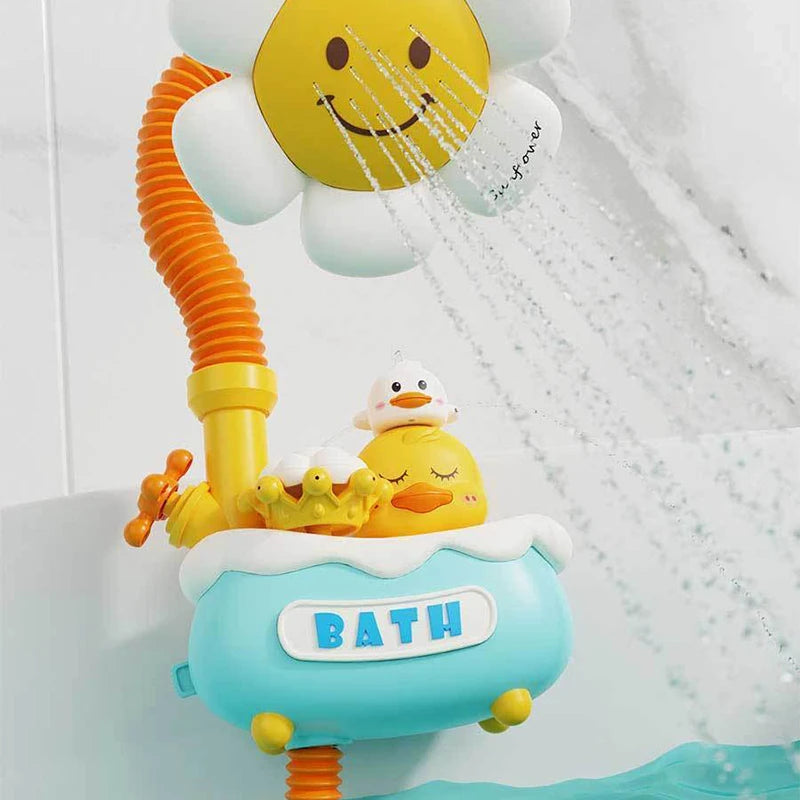
Interactive water toys for kids that turn everyday baths into playful routines. See it in action.
Why Interactive Water Toys Change Bath Time
Interactive water toys for kids work because they match the way young children naturally learn—through exploration and repetition. Instead of asking toddlers to sit still, these toys encourage them to pour, spin, scoop, and observe. Keeping little hands busy often gives parents enough time to complete washing without constant resistance.
- They encourage children to participate instead of avoiding the tub.
- They help redirect attention away from shampooing and rinsing.
- They support early coordination, hand strength, and cause-and-effect learning.
- They create positive experiences that children begin to expect each evening.
Many families pair these toys with items from Baby Bath Accessories to create a complete, clutter-free setup that supports consistent routines.
Why Toddlers Resist Bath Time and How Fun Activities Help
Common Reasons Toddlers Dislike Bath Time
Toddlers may resist baths because they dislike transitions, feel uncomfortable with water on their face, are tired, or simply want to continue playing elsewhere. For many children, uncertainty—not bathing itself—is the biggest challenge.
Understanding these emotions is the first step in learning how to make toddler bath time easier. Rather than forcing participation, parents often see better results by making the routine predictable and enjoyable.
How Play Builds Positive Bath Associations
Simple games, songs, and interactive bath activities help children connect bath time with fun instead of stress. Over time, this positive association encourages cooperation, strengthens confidence, and allows toddlers to practice independence in a safe environment.
Fun Bath Time Ideas for Toddlers by Age and Interest
Different children enjoy different types of play. Matching activities to your toddler's stage of development helps keep bath time engaging without becoming overwhelming.
Simple Bath Activities for Younger Toddlers
- Fill and pour cups with different-sized containers.
- Count floating toys together.
- Sing familiar nursery rhymes while washing.
- Practice identifying colors using floating objects.
These toddler bath time activities encourage language development while keeping routines simple.
Creative Games for Older Toddlers
- Pretend boats are visiting different islands.
- Create simple treasure hunts with floating toys.
- Tell short stories using bath characters.
- Play "wash the duck" or similar imaginative games.
Storytelling keeps older toddlers engaged while allowing parents to complete washing naturally.
Sensory Play Ideas for Curious Toddlers
- Watch water wheels spin.
- Compare bubbles, water movement, and gentle splashing.
- Experiment with pouring water through funnels.
- Observe how different containers fill and empty.
These fun bath time ideas for toddlers strengthen observation, coordination, and curiosity without requiring complicated toys.
Interactive Bath Toys and Sensory Play Ideas
Interactive bath toys are most valuable when they encourage children to actively explore rather than simply watch. Combining toys with sensory activities provides opportunities for both learning and imaginative play.
Water Pouring and Scooping Activities
Pouring water between cups, funnels, and spinning wheels develops hand-eye coordination while teaching basic concepts like volume and movement.
Color, Texture, and Bubble Play
Soft bubbles, textured toys, and colorful floating objects encourage sensory exploration. Parents should always choose products made from child-safe, non-toxic materials that drain easily after use.
Engaging Bath Toys That Encourage Learning
Interactive bath toys for toddlers work best when they encourage children to solve simple problems, make choices, and experiment with water flow. Open designs that dry quickly also help reduce moisture buildup.
Many parents explore complementary options from Sensory Toys to continue sensory learning beyond bath time.
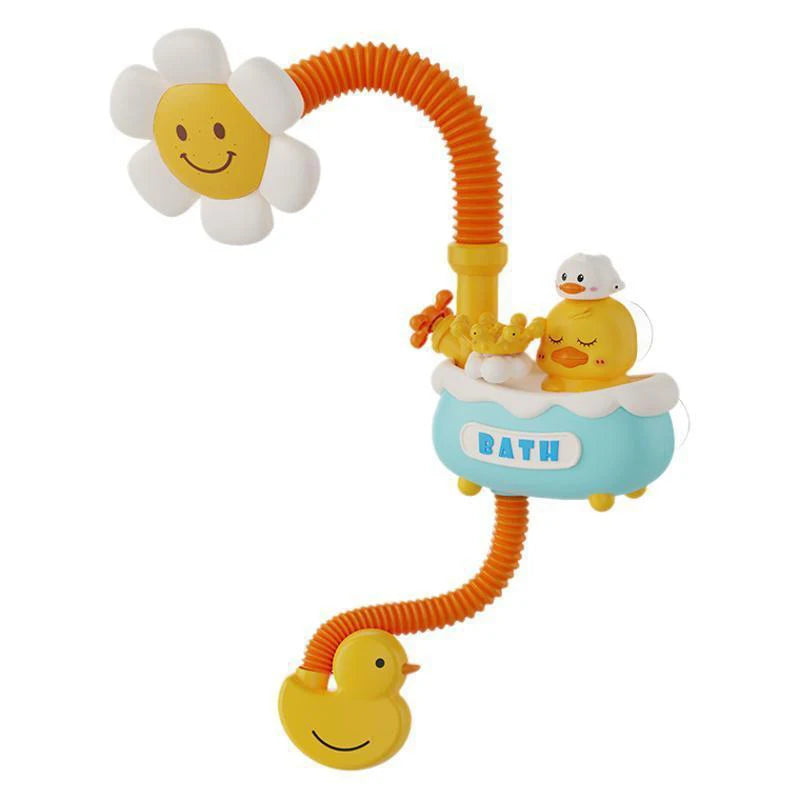
Interactive bath toys designed for sensory bathtub play. See it in action.
Step-by-Step Toddler Bath Routine Ideas
Before Bath: Create Excitement and Predictability
Give toddlers a five-minute warning before bath time, allow them to choose a favorite toy, and keep the order of activities consistent each evening.
During Bath: Balance Cleaning and Play
Alternate between washing and play instead of completing all washing first. For example, wash hair, then enjoy a pouring game before washing the body. This balance keeps children engaged without extending bath time unnecessarily.
After Bath: Build a Calm Bedtime Transition
Dry off, put on pajamas, read a short story, or enjoy quiet cuddles. A predictable ending helps children move smoothly from active play to bedtime.
Bath Time Safety Tips for Toddlers
Water Temperature and Supervision Basics
Keep bath water comfortably warm rather than hot, and supervise toddlers at all times. Even shallow water requires constant adult attention.
Choosing Safe Bath Toys
Select toys designed for young children, avoid small detachable pieces, and inspect suction cups or moving parts regularly for wear.
Keeping Bath Toys Clean and Dry
Rinse toys after each bath, allow them to drain completely, and store them where air can circulate. Regular cleaning helps prevent soap residue and moisture buildup.
How to Make Bath Time Exciting for Toddlers Who Resist It
When Toddlers Cry or Avoid the Tub
If your toddler refuses bath time, avoid turning it into a power struggle. Instead, acknowledge their feelings, keep routines predictable, and introduce one enjoyable activity at a time rather than overwhelming them with many new toys.
Ways to Encourage Participation
- Let your child choose today's bath toy.
- Offer simple choices, such as which cup to use.
- Sing familiar songs together.
- Praise cooperation instead of perfect behavior.
- Keep baths short when children are overtired.
These bath time tips for toddlers help build trust while making daily routines easier over time.
How to Choose Toddler Bath Toys and Activities
The best interactive bath toys for toddlers are the ones that match your child's interests, developmental stage, and your family's routine.
- Choose age-appropriate play: Simple pouring for younger toddlers and imaginative activities for older children.
- Prioritize safety: Select durable, non-toxic toys with no small removable parts.
- Look for educational value: Toys that encourage problem-solving, coordination, and storytelling provide lasting engagement.
- Pick easy-to-clean designs: Open structures that drain well help maintain good hygiene.
A popular option many parents explore is the clouds duck bath toy , which combines interactive water play with an easy-to-clean design suitable for everyday bath routines.
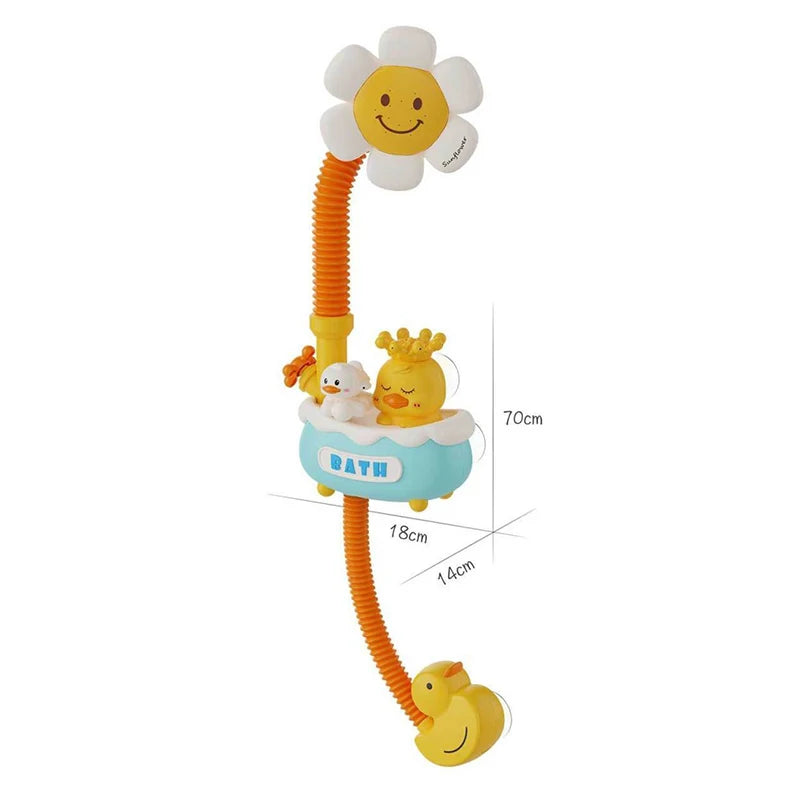
Fun ideas for bath time with interactive water toys for kids. See it in action.
Quick Questions Parents Ask
How can I make bath time fun for my toddler?
Use predictable routines, interactive water toys, songs, storytelling, and simple pouring games. Keeping baths playful helps toddlers associate bath time with positive experiences instead of resistance.
How often should toddlers have bath time?
Bath frequency depends on your child's age, activity level, and skin needs. Many families establish a consistent evening routine, even if every bath does not include full-body washing.
Are bath toys safe for daily use?
Yes, when made from child-safe materials and cleaned regularly. Rinse toys thoroughly after each bath and allow them to dry completely between uses.
What can I do if my toddler hates bath time?
Stay calm, avoid forcing participation, offer simple choices, and introduce enjoyable bath activities gradually. Consistency and patience usually produce better long-term cooperation than pressure.
Do bath activities help toddler development?
Yes. Toddler bath time activities encourage fine motor development, problem-solving, language skills, sensory exploration, and independent play while supporting healthy daily routines.
Related Guide: How to Make Bath Fun for Kids Step by Step





