

Does a cartoon toothbrush for kids really help reluctant brushers?
Yes. A cartoon toothbrush for kids can help reluctant brushers by making oral care feel more familiar, interactive, and enjoyable. While the toothbrush itself does not replace proper brushing technique, playful designs, comfortable grips, and child-friendly features can improve cooperation, increase brushing consistency, and help children build positive habits.
Cartoon Toothbrush for Kids Who Refuse to Brush
⏱ 6 min read
A cartoon toothbrush for kids can transform daily brushing from a stressful task into a routine children are more willing to join. For toddlers and preschoolers who resist brushing, the right toothbrush design can reduce boredom, support independence, and make brushing fun with familiar characters, comfortable shapes, and engaging details. Choosing a toothbrush for kids who refuse to brush starts with understanding why they resist and matching the tool to their needs.
Which toothbrush actually helps when a child refuses to brush? Many parents assume resistance comes from stubborn behavior, but refusal often happens because brushing feels uncomfortable, boring, unfamiliar, or like something controlled by adults. The right toothbrush choice can help children feel more comfortable and involved in their oral care routine.

A cartoon toothbrush for kids with a friendly toothbrush cartoon character helps make brushing fun — see it in action.
Explore gentle, kid-friendly care solutions inside Baby Care Essentials .
Why Kids Refuse to Brush Their Teeth
Understanding why children refuse brushing is the first step toward finding a better solution. A toothbrush for kids who refuse to brush should address the reason behind the resistance instead of only focusing on appearance.
Common causes include:
- Sensory sensitivity: Some toddlers dislike rough bristles, strong toothpaste flavors, or uncomfortable pressure on their gums.
- Independence struggles: Young children often resist routines when they feel they have no choice or control.
- Boredom: A plain toothbrush may not provide enough motivation for children with short attention spans.
- Fear or unfamiliarity: New sensations around the mouth can feel overwhelming for some children.
Pediatric oral care guidance generally focuses on creating positive brushing experiences early. A comfortable toothbrush with age-appropriate features can support cooperation while parents continue supervising brushing habits.
How a Cartoon Toothbrush for Kids Changes Behavior
A cartoon toothbrush for kids works by changing how children perceive brushing. Instead of seeing the toothbrush as another instruction from a parent, many children see it as a fun object connected to play and imagination.
Features such as colorful designs, familiar characters, playful shapes, and easy-to-hold handles can help make brushing feel less like a chore and more like part of a daily game.
Key Behavior Benefits Parents Notice
- Less resistance during morning and bedtime routines
- More willingness to hold and use the toothbrush independently
- Longer brushing sessions with fewer reminders
- A more positive emotional connection with oral hygiene
Features That Make Brushing More Engaging
The best fun brushing tools for kids combine entertainment with practical design. Helpful features may include:
- Character designs: Create familiarity and encourage ownership.
- Comfortable grips: Help small hands control brushing movements.
- Soft bristles: Improve comfort for sensitive mouths.
- Interactive elements: Timers, colors, or games can encourage longer brushing.
These features do not replace proper brushing, but they can make it easier for parents to build consistent routines.
How to Choose a Toothbrush for Kids Who Refuse to Brush
The best toothbrush for picky toddlers depends on why the child avoids brushing. Instead of choosing only based on appearance, match the toothbrush features to your child's specific challenge.
For Sensory Sensitive Children
Children who dislike brushing sensations often benefit from:
- Extra-soft bristles
- Small brush heads
- Gentle materials that feel comfortable in the mouth
- Lightweight designs that reduce pressure
A toddler toothbrush with soft bristles can make brushing feel less irritating and easier to accept.
For Independent Toddlers
Toddlers learning independence usually respond well to toothbrushes with:
- Easy-grip handles
- Child-sized designs
- Simple controls they can manage themselves
- Fun colors or characters they can choose
For Kids Who Find Brushing Boring
Children who lose interest quickly may benefit from:
- Cartoon themes and familiar characters
- Brushing games and songs
- Interactive routines that make brushing feel like play
The goal is not to find a “magic” toothbrush but to choose one that removes the biggest barrier to consistent brushing.
Why Toothbrush Cartoon Characters Matter
A kids toothbrush cartoon character can create a sense of ownership. When children recognize a favorite character or design, they may feel more excited about using the toothbrush regularly.
Character toothbrushes can help children:
- Feel that the toothbrush belongs to them
- Create positive associations with brushing time
- Participate in routines with less pressure
However, appearance should work together with comfort. A character design is most effective when paired with safe materials, suitable sizing, and a comfortable brushing experience.
Benefits by Age: Toddlers vs Preschoolers
For Toddlers (1–3 years)
Toddlers are still developing coordination and comfort with oral care. A suitable toothbrush should support learning rather than expect perfect technique.
- Soft bristles help protect sensitive gums
- Chunky handles improve grip
- Simple designs encourage participation
- Parent supervision remains important
For Preschoolers (3–5 years)
Preschoolers often want more independence but still need reminders and guidance.
- Characters can encourage routine participation
- Fun designs can reduce boredom
- Comfortable handles support self-brushing practice
- Games can improve willingness to brush longer
These benefits align naturally with developmental milestones supported in Baby Growth & Learning .
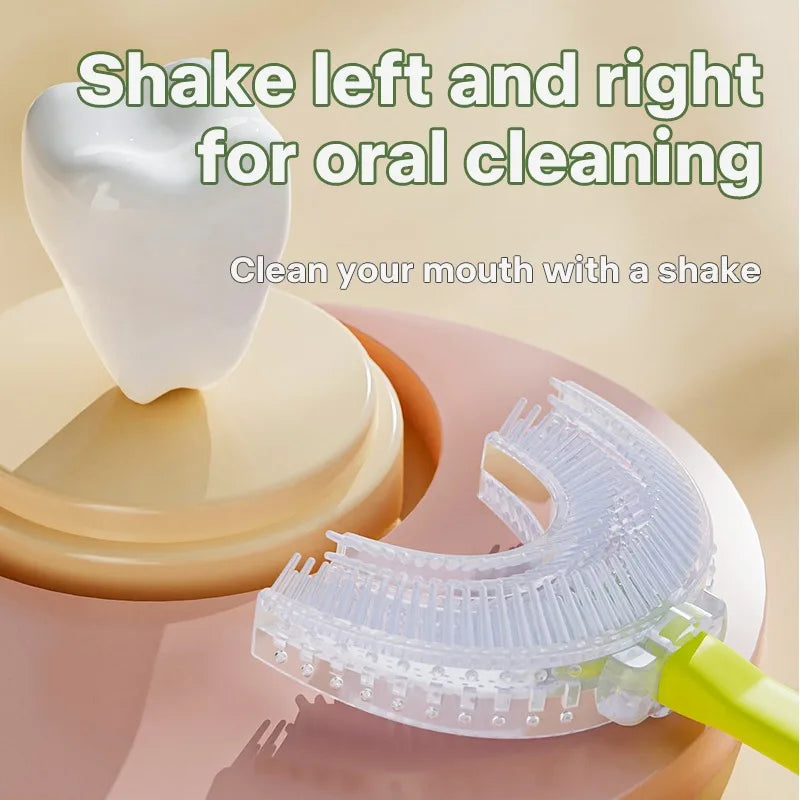
Designed to make brushing fun, this cartoon toothbrush for kids supports brushing teeth games for preschoolers.
Learn how playful hygiene tools from Baby Hygiene Gadgets fit into real family routines.
How to Use a Cartoon Toothbrush to Build Habits
A new toothbrush works best when introduced as part of a positive routine. Avoid forcing the change suddenly if your child is resistant.
- Let your child choose or explore the toothbrush design.
- Create a story around the toothbrush character.
- Brush together until your child feels comfortable.
- Use brushing teeth games for preschoolers, songs, or counting activities.
- Praise participation instead of demanding perfection.
Reward systems can also help, such as sticker charts or celebrating consistent routines. The goal is building willingness, not creating pressure around brushing.
Electric vs Manual Toothbrush for Resistant Kids
| Feature | Manual Toothbrush | Kids Electric Toothbrush |
|---|---|---|
| Control | Simple and parent-guided | May provide extra brushing assistance |
| Engagement | Depends on design and routine | Interactive features may improve motivation |
| Comfort | Usually easier for children sensitive to movement | Requires choosing a child-friendly model |
| Best for | Early learning and supervised brushing | Children who enjoy interactive tools |
Both options can support healthy habits. Parents should choose based on comfort, supervision needs, and the child's willingness to use the toothbrush consistently.
Cartoon Toothbrush vs Regular Kids Toothbrush
| Feature | Cartoon Toothbrush | Regular Kids Toothbrush |
|---|---|---|
| Motivation | Higher due to playful designs | Depends on child interest |
| Comfort | Varies by materials and design | Varies by materials and design |
| Habit Support | Can encourage consistent routines | May require more parent motivation |
| Best Use | Children who respond to characters and play | Children comfortable with simple routines |
A cartoon toothbrush provides the most value when it solves a real challenge, such as boredom or resistance, rather than simply adding decoration.
Safety and Comfort Parents Care About
Because children use toothbrushes every day, comfort and safety should always come first.
- Soft bristles: Help reduce discomfort and support gentle brushing.
- Safe materials: Look for child-friendly, BPA-free materials.
- Proper sizing: A small head and suitable handle improve control.
- Rounded edges: Reduce the risk of accidental irritation.
Signs a toothbrush may be uncomfortable include avoiding brushing suddenly, complaining about pain, chewing excessively on the brush, or refusing a previously accepted routine.
Replace toothbrushes every 2–3 months or sooner if bristles become worn. These considerations align with standards found in Health & Safety focused products.
Quick FAQ for Parents
At what age can kids use a cartoon toothbrush?
Many cartoon toothbrushes are designed for children around 1 year old and older, depending on size, materials, and manufacturer recommendations. Choose an age-appropriate toothbrush with soft bristles and supervise young children.
Do cartoon toothbrushes help toddlers brush better?
Cartoon toothbrushes can help toddlers become more willing to brush by making the routine more enjoyable. Better cooperation can make it easier for parents to complete effective brushing.
Are soft bristles better for picky toddlers?
Yes. Soft bristles are often more comfortable for toddlers who dislike brushing sensations. Comfort is an important factor when helping children accept daily oral care.
How can I make brushing teeth fun for preschoolers?
Use brushing games, songs, stories, and playful tools such as a cartoon toothbrush for kids. Giving children some control over the routine can also increase willingness.
What toothbrush is best for a child who hates brushing?
The best toothbrush depends on why the child refuses. Children with sensory sensitivity may need soft bristles and a comfortable design, while children who find brushing boring may respond better to interactive features or character designs.
When should a child switch to an electric toothbrush?
A child can use an electric toothbrush when they are comfortable with the sensation and the toothbrush is designed for their age group. Parents should continue supervising brushing habits.
You can explore the U-Shape Kids Toothbrush as one child-friendly option designed to support easier brushing routines.
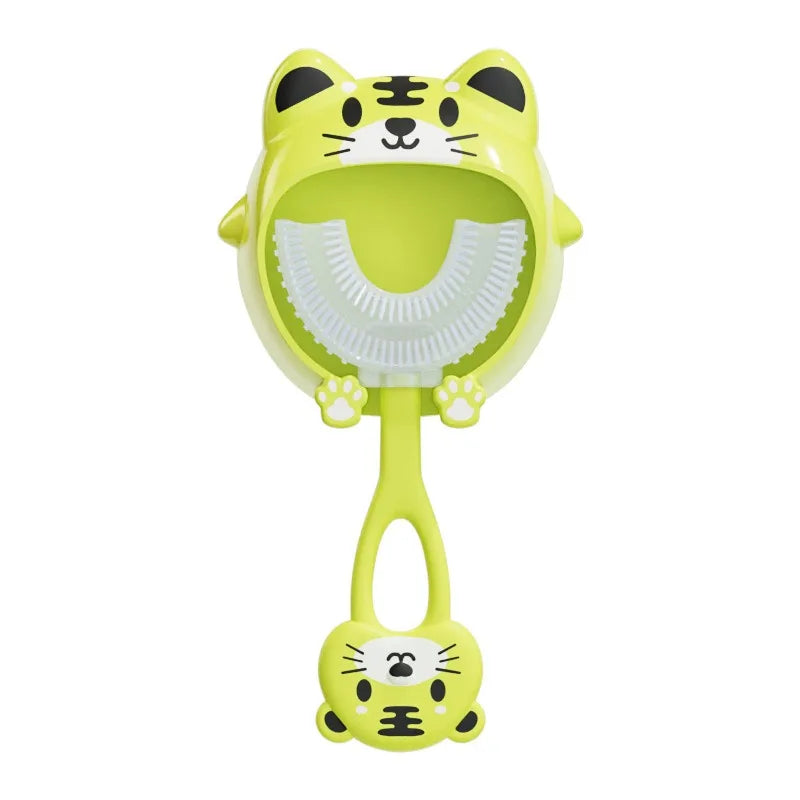
A cartoon toothbrush for kids that uses a toothbrush cartoon character to make brushing fun — see how it fits your routine.
Discover how the U-Shape Kids Toothbrush supports happier, healthier routines.
Related Guide: Oral Hygiene for Children by Age and Daily Routine





