

Does a digital baby bath thermometer really keep bath time safer?
Answer: Yes. A digital baby bath thermometer helps parents achieve the safe bath temperature for baby by providing fast, accurate water readings and clear visual or audible alerts when the water is too hot or too cold. In a digital baby bath thermometer review, the best models reduce guesswork, improve consistency, and make bath time safer for newborns, infants, and toddlers.
⏱ 12 min read
Digital Baby Bath Thermometer Review: Why Parents Trust This Model Most
Choosing the right digital baby bath thermometer is about more than convenience—it helps protect delicate skin from unsafe water temperatures while making every bath more predictable. This review explains what accuracy really means, the ideal safe bath temperature for baby, which features provide the most value, and how this model compares with other leading options before you buy.

digital baby bath thermometer - KentDO — See it in action with fast, reliable readings for safer bath time.
Why thermometer accuracy matters before every baby bath
Health experts generally recommend keeping bath water close to 37°C (98.6°F) , with an acceptable range of approximately 37–38°C (98.6–100.4°F) . Even a difference of just a few degrees can make water uncomfortable for newborns, whose skin is thinner and whose bodies cannot regulate temperature as effectively as adults.
While many caregivers still test bath water using their wrist or elbow, those methods are subjective and can vary from person to person. A quality digital baby bath thermometer provides objective measurements within seconds, helping prevent accidental overheating while reducing unnecessary cooling that may leave babies uncomfortable.
This review focuses on the features that matter most—measurement accuracy, response speed, visibility, durability, and ease of use—so you can quickly identify the best option for your family's needs.
How this digital baby bath thermometer helps
A digital baby bath thermometer delivers fast, reliable water temperature readings while floating where you can easily see them. Combined with visual or audible alerts, it helps caregivers confirm the water is within the recommended bathing range before a baby enters the tub, reducing guesswork and improving consistency.
Unlike traditional elbow or wrist testing, a digital display provides an objective measurement that can be repeated every bath. This is especially useful when filling tubs with changing water temperatures or when multiple caregivers share bathing responsibilities.
Quick takeaway: The best models combine accurate sensors, rapid response times, waterproof construction, and clear alerts so parents can prepare a comfortable bath in seconds instead of relying on estimation.
Key features that make parents trust this model
Not every thermometer performs the same. The features below have the greatest impact on accuracy, ease of use, and long-term reliability during everyday bath routines.
- Fast digital readout: Displays the water temperature in approximately 1–5 seconds, allowing parents to verify conditions before placing their baby into the bath.
- Float-and-stay design: Remains visible on the water's surface, making it easy to monitor the temperature throughout the bath instead of searching beneath bubbles or toys.
- Safe-range temperature alerts: Color indicators or audible notifications quickly identify when water falls outside the recommended baby bathing range of approximately 37–38°C (98.6–100.4°F).
- Waterproof construction: A sealed housing protects the electronics from repeated immersion, soap residue, and routine cleaning, improving durability over time.
- Compact travel-friendly size: Small enough to fit into a diaper bag, making it practical for grandparents, babysitters, vacations, or hotel stays.
- Dual temperature display: Supports both Celsius and Fahrenheit, helping caregivers follow local recommendations or pediatric guidance without conversion.
Why these features matter in everyday use
Fast response times reduce waiting before bath time begins, while floating visibility allows continuous monitoring if fresh warm water is added. Waterproof construction helps maintain reliable performance after repeated exposure to moisture, and clear temperature alerts minimize the chance of accidentally using water that is only a few degrees outside the recommended range—an important safety advantage for newborns and young infants.
Compare popular options: accuracy, alerts, and real-world value
| Model | Accuracy | Alerts | Durability | Price |
|---|---|---|---|---|
| KentDO Digital Bath Thermometer (this review) | ±0.2°C / ±0.4°F | Color + beep (safe / warm / hot) | IPX7 sealed, drop-tested | Mid-range |
| Basic floating probe | ±0.5°C | None | Low (exposed seals) | Low |
| Smart app thermometer | ±0.3°C | Push alerts (requires phone) | Moderate | High |
For most families, a dedicated floating digital thermometer offers the strongest balance of accuracy, visibility, durability, and ease of use. Basic probe models are inexpensive but often lack safety alerts, while smart thermometers provide additional connectivity at a higher price and with greater setup complexity.
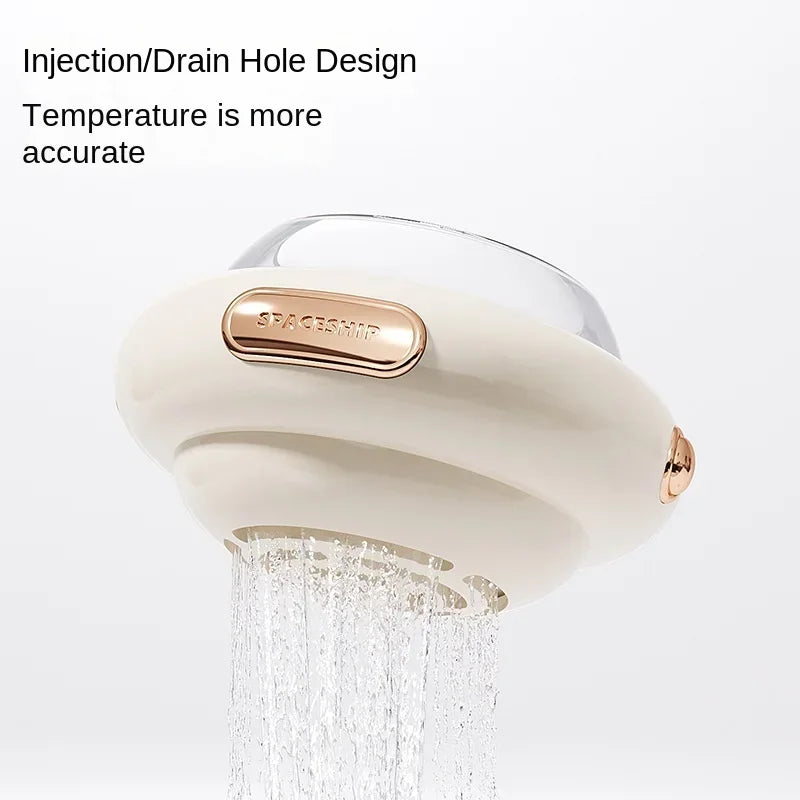
digital baby bath thermometer - KentDO — See it in action with fast, reliable readings for safer bath time.
How to use a digital baby bath thermometer for safer, happier baths
Step-by-step simple routine
- Fill the bathtub with an appropriate amount of water for your baby's age and gently stir the water to eliminate hot or cold spots.
- Place the thermometer in the center of the tub and allow the reading to stabilize, which typically takes between 1 and 5 seconds depending on the model.
- Confirm the displayed temperature is within the recommended baby bathing range of approximately 37–38°C (98.6–100.4°F) . If the water is outside this range, adjust the temperature and test again before placing your baby into the bath.
- Leave the floating thermometer visible throughout the bath if the product is designed for continuous use, or remove it afterward, rinse with clean water, and dry it before storage.
Tips for realistic home use
- Measure the temperature near the area where your baby will sit, since water can vary slightly throughout larger tubs.
- Stir freshly added hot water before taking another reading to ensure the temperature is evenly distributed.
- If using bubble bath or bath oils, keep the display free of heavy foam so the reading remains easy to see.
- Replace the battery whenever the display becomes dim or response times noticeably slow, and carry a spare battery when traveling.
Want an easy next step? See the product page for specifications, features, and warranty details.
Pros and cons: what to expect
✅ Pros
- Accurate digital readings help verify safe bath temperatures within seconds.
- Floating design keeps the display visible throughout bath time.
- Visual and audible alerts provide an extra layer of safety.
- Waterproof construction supports frequent everyday use.
- Compact size makes it convenient for travel, babysitters, and grandparents.
❌ Cons
- Requires occasional battery replacement.
- Premium models typically cost more than basic analog or probe-style thermometers.
- Some smart-connected alternatives introduce additional setup and phone dependence that many families may not need.
Buying checklist: how to choose the right digital baby bath thermometer
- Accuracy: Choose a model with a stated accuracy of approximately ±0.2–0.5°C for dependable readings.
- Easy-to-read display: A bright screen, large digits, or color-coded indicators improve visibility during bath time.
- Safety alerts: Visual lights, audible alarms, or both help identify when water falls outside the recommended bathing temperature.
- Waterproof construction: An IPX7-rated or similarly sealed housing withstands frequent exposure to water and routine cleaning.
- Floating design: A thermometer that remains on the water's surface is easier to monitor throughout the bath.
- Simple operation: One-button controls and stand-alone functionality reduce unnecessary complexity for everyday use.
- Battery life: Longer battery life and easily replaceable batteries minimize maintenance.
- Travel convenience: Lightweight, compact construction makes the thermometer practical for vacations, grandparents, and babysitters.
Need related items? Check baby bath accessories and temperature tools for complementary products:
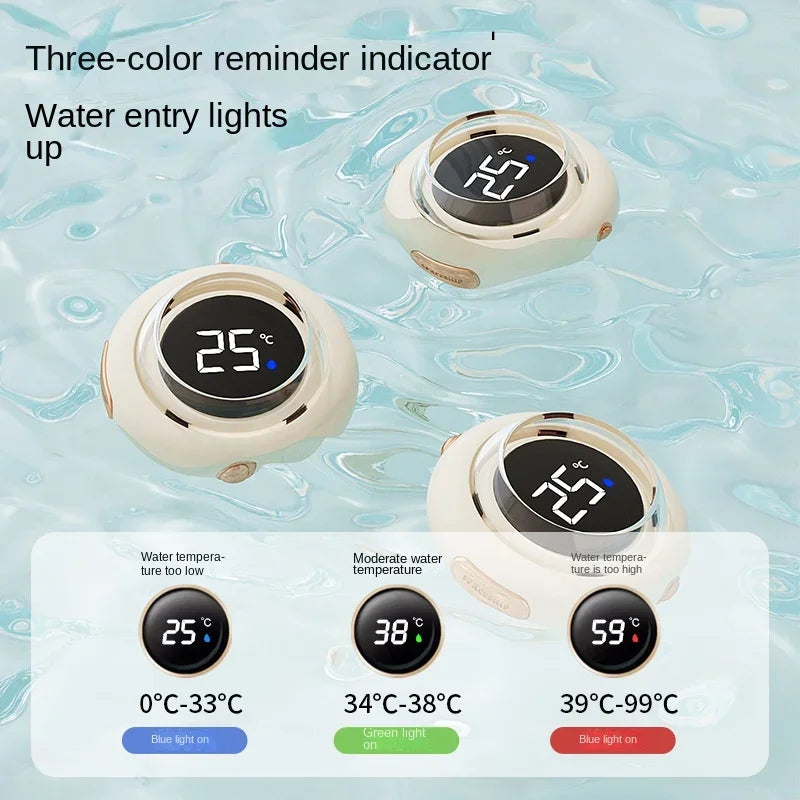
digital baby bath thermometer - KentDO — See it in action with fast, reliable readings for safer bath time.
Head-to-head: this model vs common alternatives
| Feature | KentDO Model | Probe-only | Smart-App Model |
|---|---|---|---|
| Response time | 1–3 sec | 2–6 sec | 2–4 sec (with sync) |
| Safety alerts | Color + beep | None | App push only |
| Battery life | 6–12 months typical | 12+ months | Depends on Bluetooth usage |
| Ease of use | Single-button operation | Manual probe handling | Phone required |
Overall, a floating digital thermometer offers the best balance of speed, convenience, and everyday usability. Probe-style models remain affordable but sacrifice visibility and safety alerts, while app-connected devices appeal to parents who want digital tracking but require additional setup and smartphone access.
Final reassurance: small device, big impact
A dependable digital baby bath thermometer helps create a more consistent bathing routine by replacing guesswork with accurate measurements. Features such as fast response times, floating visibility, and clear safety alerts make it easier to prepare comfortable bath water for newborns and toddlers alike while reducing unnecessary stress for caregivers.
Explore related picks for a complete baby care kit:
Recommended product: Baby Bath Thermometer
Mini FAQ
1. What is the ideal bath temperature for infants?
Most pediatric guidance recommends keeping bath water at approximately 37°C (98.6°F) , with a practical range of about 37–38°C (98.6–100.4°F). Always verify the temperature before placing your baby in the tub.
2. How accurate are digital baby bath thermometers?
Quality digital models commonly provide an accuracy of approximately ±0.2–0.5°C . Reading consistency depends on proper placement, regular battery replacement, and following the manufacturer's instructions.
3. Can this thermometer be used for toddlers too?
Yes. Although older children tolerate a slightly wider comfort range, measuring bath water remains useful for maintaining a comfortable and consistent bathing experience.
4. How often should I replace the battery?
Battery life varies by model and usage, but many digital thermometers operate for approximately 6–12 months under normal household use. Replace the battery whenever the display dims or readings become slow.
5. Is an app necessary?
No. Most families benefit from a stand-alone floating thermometer that provides immediate on-screen readings without requiring Bluetooth connectivity or a smartphone.
Final verdict and buying advice
A quality digital baby bath thermometer is a worthwhile investment for families who want consistent, accurate bath water measurements without relying on guesswork. The best models combine fast response times, floating visibility, waterproof construction, and clear temperature alerts to make daily bath routines both safer and easier.
- Best overall: A floating digital thermometer with high accuracy, visual safety indicators, and an IPX7 waterproof rating offers the strongest balance of safety, convenience, and long-term value.
- Best value: Parents seeking dependable everyday performance should prioritize accuracy, readability, and durability over unnecessary smart features.
- Best premium option: App-connected thermometers may appeal to caregivers who prefer digital tracking, although they generally require additional setup and smartphone connectivity.
If you're looking for a reliable everyday solution, the Baby Bath Thermometer combines the practical features most parents need for safe, consistent bath time.
Related Articles:
- Cute Baby Bath Thermometer Comparison: Which Brand Gets Temps Right?
- Floating Bath Thermometer Baby Test: Real Accuracy vs. Cute Designs
Pillar Articles:


