

Does a floating bath thermometer baby really protect my newborn from unsafe water temperatures?
Yes. A floating bath thermometer baby helps caregivers verify that bath water stays within a safe temperature range before placing a newborn in the tub. While no thermometer replaces close supervision, a quality model minimizes guesswork, reduces the risk of water that is too hot or too cold, and makes bath time more consistent. Accuracy, however, depends on the sensing technology, build quality, and how the thermometer is used.
⏱ 7 min read
Floating Bath Thermometer Baby Test: Real Accuracy vs. Cute Designs
Choosing the right floating bath thermometer baby is about more than appearance. Some models are designed primarily as bath toys, while others are built to deliver fast, reliable temperature readings that help protect newborns during every bath. This guide explains how floating bath thermometers work, what level of accuracy you can realistically expect, and which features matter most when safety is your top priority.

floating bath thermometer baby - KentDO See it in action
How a floating bath thermometer baby works
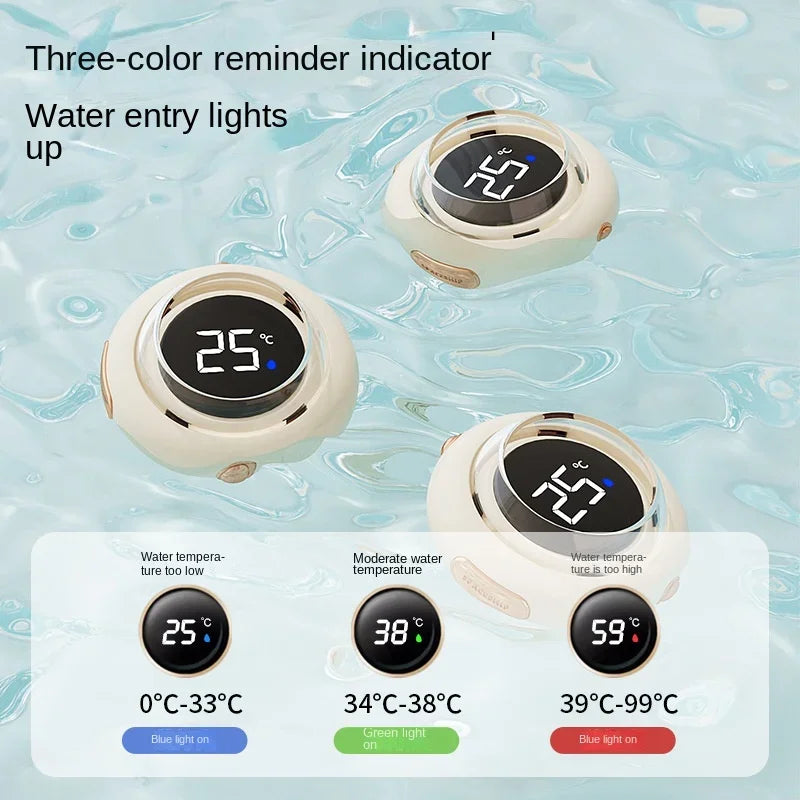
A floating bath thermometer measures the temperature of bath water while remaining on the water's surface for easy viewing. Depending on the model, it may use a liquid crystal strip, an internal electronic temperature sensor, or a digital probe sealed inside a waterproof housing. After floating for the recommended stabilization period, the display provides either a color indicator or an exact numerical reading.
Digital models generally provide quicker updates and more precise readings than color-only designs. They are also easier to read in dim lighting, making them especially practical during evening bath routines.
Quick answer: Which type should you choose?
For most families, a floating digital thermometer with a large numeric display offers the best balance of convenience and accuracy. A response time of roughly 10 to 20 seconds and an accuracy range within approximately ±0.5°C is suitable for routine newborn bathing. Color-indicator thermometers can provide a general safety check, but they are less precise and may react more slowly to temperature changes.
Floating bath thermometer types compared
The table below summarizes the strengths and limitations of the most common thermometer designs available for home use.
| Thermometer type | Typical price | Display | Typical accuracy | Best suited for |
|---|---|---|---|---|
| Color strip floating thermometer | $5–$12 | Color indicators | ±1–2°C | General water checks and older children |
| Digital floating thermometer | $15–$35 | Large numeric display | ±0.2–0.8°C | Daily newborn bathing |
| Smart connected thermometer | $40–$80 | Device display and mobile app | ±0.1–0.5°C | Families wanting continuous monitoring |
In practice, consistency matters more than laboratory-level precision. A dependable thermometer that delivers repeatable readings is usually more valuable than one that advertises extreme accuracy but responds slowly or inconsistently.
- ±0.1°C: Exceptional precision, generally found in premium electronic sensors.
- ±0.5–0.8°C: Appropriate for most home bathing routines with healthy newborns.
- ±1–2°C: Suitable only for approximate temperature guidance rather than precise measurement.
How to use and test your floating bath thermometer baby for accuracy
Even a well-made thermometer should be checked occasionally to ensure it continues providing dependable readings. A simple verification takes only a few minutes.
- Prepare water at a known temperature using a trusted digital kitchen or household thermometer as a reference.
- Place the floating thermometer into the water and allow it to stabilize for the time recommended by the manufacturer.
- Compare both readings. A difference greater than about 0.5°C may indicate the device should be replaced, especially for newborn bathing.
- Repeat the comparison using cooler and warmer water, such as approximately 36°C and 38°C, to confirm consistent performance across the normal bathing range.
Tip: Avoid reading the display immediately after placing the thermometer into the water. Waiting for the sensor to stabilize produces more reliable results, particularly with digital models.
floating bath thermometer baby - KentDO See it in action
How to pick the right floating bath thermometer baby — checklist
Not every floating bath thermometer performs the same. Focus on features that improve readability, reliability, and long-term durability instead of choosing a model based only on appearance.
- Numeric display: A clear digital readout lets you verify the water temperature at a glance instead of interpreting color zones.
- Fast response: Choose a model that stabilizes within about 10–20 seconds so you are not waiting while the bath cools or warms.
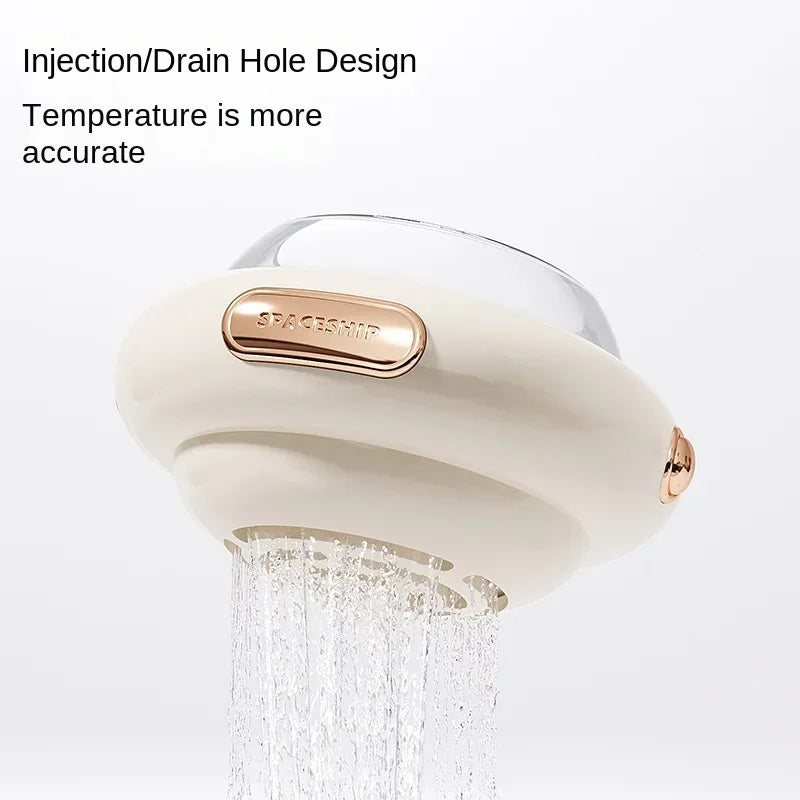
- Waterproof construction: A fully sealed body helps prevent moisture damage and makes cleaning easier after each bath.
- Stable floating design: The display should remain upright and easy to read instead of rolling over in the water.
- Secure battery compartment: Batteries should be protected by a screw-fastened or permanently sealed compartment to improve child safety.
- Consistent accuracy: Look for models with reliable performance across multiple baths rather than relying solely on decorative designs or marketing claims.
Night-time bath example
During an evening bath with a sleepy newborn, every minute matters. A floating thermometer with a bright numeric display can confirm the water temperature quickly, helping caregivers avoid repeated adjustments. By comparison, color-only indicators may be harder to interpret under dim lighting and can increase uncertainty.
If you are ready to purchase, Shop this digital floating bath thermometer baby for a sealed design, fast temperature updates, and an easy-to-read numeric display. You can also explore complementary Bath accessories and Temperature tools to build a complete and safer bath routine.
Trust and proof — what to look for
Before purchasing a floating bath thermometer baby, look beyond attractive designs and verify that the manufacturer provides meaningful performance information. Reliable models typically include testing data, safety features, and clear operating instructions.
- Independent customer reviews that compare readings with a trusted digital thermometer.
- Published accuracy tolerance (for example, ±0.5°C) and recommended stabilization time.
- A waterproof, sealed housing that helps prevent water damage.
- A warranty or return policy if the device develops inaccurate readings over time.
- Easy-to-read instructions covering battery replacement, cleaning, and storage.
Products that emphasize technical specifications and testing inspire more confidence than listings focused only on novelty designs.
Frequently asked questions
What is the ideal baby bath water temperature?
Most pediatric guidance recommends bath water around 37°C (98.6°F). A digital thermometer is the easiest way to confirm the water remains within a comfortable range before bathing your baby.
Do you need a baby bath thermometer?
Although some caregivers rely on their wrist or elbow to estimate water temperature, a baby bath thermometer provides a more objective measurement and reduces guesswork, especially during newborn baths.
Are floating baby bath thermometers accurate?
Quality digital floating thermometers are generally accurate enough for home use when used according to the manufacturer's instructions. Decorative color-changing toys provide only approximate guidance and should not replace a numeric reading for newborns.
How accurate is a digital baby bath thermometer?
Many well-designed digital models offer accuracy between approximately ±0.2°C and ±0.8°C, which is appropriate for routine infant bath temperature checks.
How do you test a baby bath thermometer for accuracy?
Compare its reading with a trusted digital kitchen or laboratory thermometer in water at known temperatures. Repeat the test periodically to confirm the readings remain consistent.
Can a baby bath thermometer also measure room temperature?
Some digital bath thermometers include an ambient room temperature feature, but this capability varies by model. Always check the product specifications before purchasing if dual-purpose monitoring is important.
How often should you replace a baby bath thermometer?
Replace the thermometer if it develops cracked housing, water intrusion, display problems, inconsistent readings, or fails repeated accuracy checks against a trusted reference thermometer.
floating bath thermometer baby - KentDO See it in action
Final thoughts — safety, simplicity, and sanity
A floating bath thermometer baby can make bath time safer and more consistent by providing a quick, objective temperature check. For newborns, prioritize models with a clear digital display, dependable accuracy, waterproof construction, and fast response times. Decorative floating toys may be enjoyable for older babies, but they should not replace a reliable temperature measurement when safety is the priority.
To maintain dependable performance, periodically compare your thermometer with a trusted reference, replace damaged units promptly, and store the device clean and dry between baths.
FAQ (quick answers for search)
Does a floating bath thermometer baby really work?
Yes. A quality digital floating thermometer provides fast, reliable temperature readings that help reduce guesswork before bathing your baby.
How accurate should my baby bath thermometer be?
For home use, an accuracy range of approximately ±0.2°C to ±0.8°C is generally suitable for checking newborn bath water.
Where can I find reliable bath thermometers?
Compare digital models alongside baby bath accessories and temperature tools to choose a thermometer that balances accuracy, durability, and ease of use.
Pillar Article: Digital Baby Bath Thermometer Review: Why Parents Trust This Model Most
Other Related Articles:
Explore More:





