

Are silicone toothbrushes safe for kids, and are they better than regular toothbrushes?
Yes, a high-quality silicone toothbrush can be safe for children when it is made from appropriate materials, used correctly, cleaned properly, and replaced when worn. However, being a non toxic toothbrush does not automatically mean it removes plaque better than a conventional toothbrush with nylon bristles. The best choice depends on your child's age, brushing ability, sensory preferences, and whether the design allows effective cleaning of every tooth surface.
Silicone Toothbrush vs Regular Toothbrush: Safety, Cleaning, and the Best Choice for Kids
⏱ 7 min read
Choosing a toothbrush for a baby or child involves more than picking the softest option. Parents often compare a
silicone toothbrush
with a traditional nylon-bristle toothbrush while looking for a safe, comfortable, and effective solution. This guide explains what silicone toothbrushes are, whether they are safe, how they compare with regular toothbrushes for plaque removal, and when an
eco friendly kids toothbrush
may make sense for your family's routine.
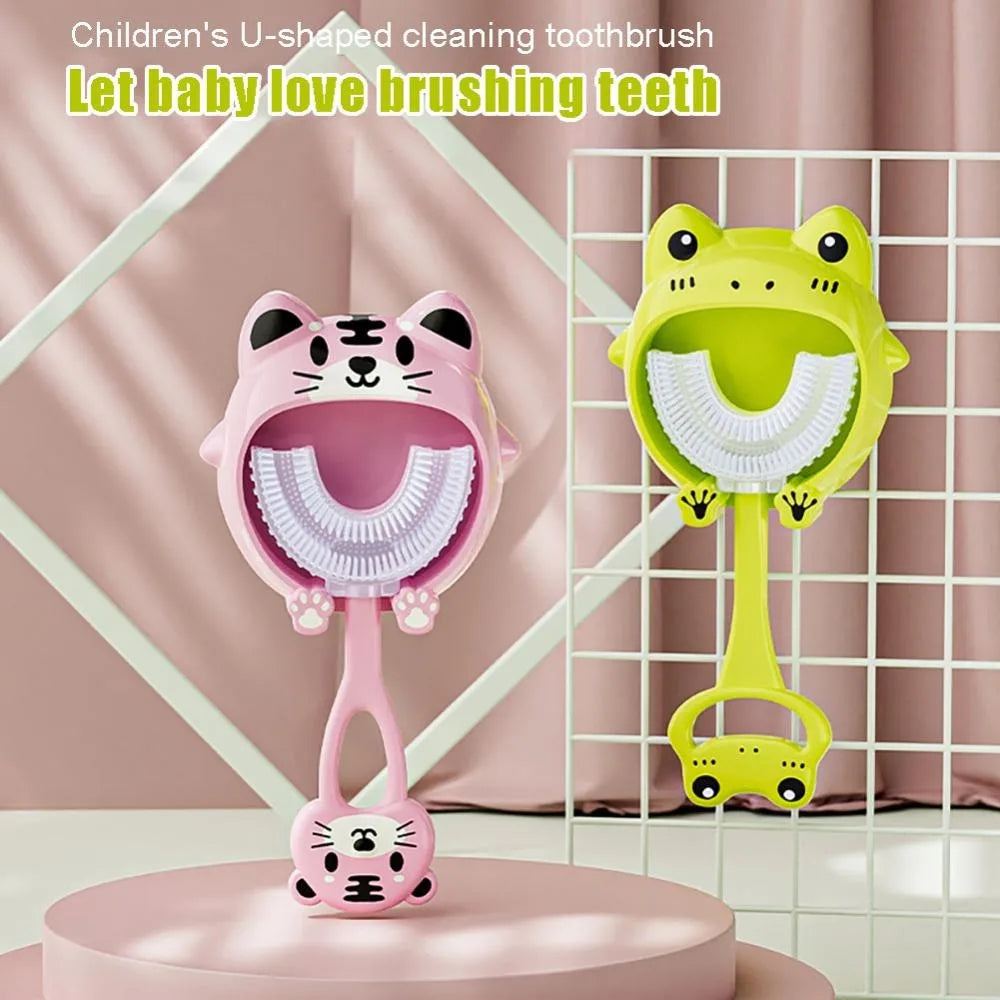
Silicone toothbrush vs regular toothbrush: comparing materials, comfort, and everyday brushing performance
Are Silicone Toothbrushes Safe? What Dental Experts Say
Are silicone toothbrushes safe? In general, a well-made silicone toothbrush can be a safe oral-care tool when it is designed for its intended age group and manufactured from suitable materials. The key is to look beyond the word "silicone" and consider the complete product, including the silicone grade, dyes, adhesives, handle, packaging, and manufacturing quality.
Parents looking for a non toxic toothbrush or BPA free kids toothbrush should check the manufacturer's material and safety information rather than assuming that every silicone product is identical. Food-grade or medical-grade silicone is commonly selected for products that come into contact with the mouth, but the exact grade and compliance claims should still be verified for the individual product.
It is also important to separate material safety from brushing effectiveness . A toothbrush can be made from safe materials and still be less effective at removing plaque if its cleaning surfaces do not adequately contact the teeth. Conversely, a conventional toothbrush with nylon bristles can also be a safe choice when it is appropriately designed and used.
For children, look for age-appropriate sizing, soft cleaning surfaces, secure construction, and materials clearly identified by the manufacturer. If a toothbrush becomes damaged, develops cracks, or begins shedding parts, discontinue use and replace it.
What Is a Silicone Toothbrush and How Does It Work?
A silicone toothbrush uses flexible silicone as part or all of the cleaning surface instead of relying exclusively on traditional nylon bristles. Silicone designs vary considerably, so the term can describe several different products rather than one standardized toothbrush type.
Common designs include:
- Silicone finger brushes: Small brush covers worn over an adult's finger, commonly used for gently cleaning or massaging an infant's gums.
- Silicone bristle toothbrushes: Toothbrush-shaped handles with soft silicone projections that contact the teeth and gums.
- Full-mouth silicone toothbrushes: Designs that use a mouthpiece or U-shaped form to contact multiple tooth surfaces at once.
Unlike nylon bristles, which bend and sweep across tooth surfaces, a soft silicone toothbrush generally relies on flexible tips or textured surfaces to make contact with the teeth and gums. The result can feel comfortable for children who dislike the sensation of conventional bristles, but cleaning performance depends heavily on the design, fit, brushing technique, and how thoroughly the surfaces contact the teeth.
Why Toothbrush Material Matters for Oral Health
Toothbrush material affects more than environmental impact. It can influence how a brush feels against sensitive gums, how easily it can be cleaned, how long it remains in good condition, and whether a child is willing to use it consistently.
For younger children, comfort can be particularly important. A brush that feels unpleasant may lead to resistance, chewing, or very short brushing sessions. A softer texture may help some children tolerate oral care, especially when they are teething or sensitive to unfamiliar sensations.
However, parents should avoid assuming that a non toxic toothbrush automatically provides superior oral hygiene. Material safety and cleaning ability are separate considerations. A toothbrush should combine appropriate materials with a design that helps remove plaque from the teeth and along the gumline.
Families seeking an eco friendly toothbrush for kids may also consider the handle material, packaging, manufacturing practices, and replacement frequency. A sustainable kids toothbrush can support lower-waste habits, but environmental claims should be evaluated separately from clinical cleaning performance.
For broader family routines, parents can also explore Health & Safety resources when choosing everyday personal-care products.
Silicone Toothbrush vs Regular Toothbrush: Which Cleans Better?
The silicone toothbrush vs regular debate is ultimately about how well the cleaning surface reaches and disrupts plaque. Traditional toothbrushes typically use nylon bristles, while silicone models use flexible silicone projections or textured surfaces. Neither material alone guarantees a better result.
Silicone vs Nylon Bristles for Plaque Removal
Traditional nylon bristles have been used in toothbrushes for decades because individual bristles can flex around tooth contours and reach areas that require careful brushing. A properly sized soft-bristle toothbrush, used with an effective technique, remains a well-established option for daily plaque removal.
Silicone brushes can offer a gentle and comfortable alternative, but some designs may not provide the same bristle-tooth contact needed to clean every surface thoroughly. This is particularly relevant when a child has several erupted teeth and needs consistent cleaning along the chewing surfaces, tooth sides, and gumline.
For that reason, the answer to silicone vs regular toothbrush is not simply that one material is always better. A silicone brush may be useful for comfort, sensory acceptance, or early oral-care routines, while a conventional soft-bristle brush may offer more predictable plaque removal for children who can brush effectively with it.
Comfort and Gum Safety Comparison
A silicone toothbrush often feels softer and more flexible than nylon bristles, which may appeal to babies and children with sensitive mouths. That comfort can be valuable if it helps a child participate willingly in brushing.
At the same time, a conventional toothbrush with soft nylon bristles can also be gentle when used with light pressure and an age-appropriate design. Excessive force is more likely to cause irritation than the mere presence of nylon bristles.
| Feature | Silicone Toothbrush | Regular Soft-Bristle Toothbrush |
|---|---|---|
| Material | Flexible silicone cleaning surfaces | Usually soft nylon bristles |
| Comfort | Very soft texture may suit sensitive mouths | Soft bristles can provide comfortable cleaning when used gently |
| Plaque Removal | Depends strongly on design and tooth contact | Well-established option for routine plaque removal |
| Ease of Cleaning | Often simple to rinse, but must dry thoroughly | Requires thorough rinsing and air drying |
| Best Use | May suit infants, early routines, and sensory preferences | Often suitable for routine toothbrushing as more teeth erupt |
Are Silicone Toothbrushes Safe for Kids and Babies?
Are silicone toothbrushes safe for kids? They can be, provided the toothbrush is age-appropriate, made from suitable materials, and used as directed. The right choice changes as a child moves from gum care to brushing multiple erupted teeth.
Silicone Finger Toothbrushes for Infants
Silicone finger toothbrushes are commonly used by caregivers during the early stages of oral care. They can help a baby become familiar with the sensation of having their mouth cleaned and may provide a gentle way to massage the gums.
Because a finger brush is controlled by an adult, it can be useful before a child is ready to hold and maneuver a toothbrush independently. However, it should not be treated as a substitute for professional dental guidance or as proof that all plaque can be removed from every tooth surface.
Silicone Toothbrushes for Toddlers and Older Children
For toddlers and older children, the priority shifts toward effective cleaning of erupted teeth and development of good brushing habits. A silicone toothbrush may be a helpful option when a child strongly prefers its texture or struggles with the feel of conventional bristles.
Children still need close supervision and assistance until they have the coordination to brush thoroughly on their own. Parents should also check the brush regularly for damage and follow age-specific dental advice about brushing with fluoride toothpaste.
An eco friendly kids toothbrush can be considered when a child is ready for a more conventional daily brushing routine and the product combines suitable materials with an effective cleaning design. The environmental benefits should complement—not replace—the need for good oral hygiene.
Benefits and Limitations of Silicone Toothbrushes
A soft silicone toothbrush can be a practical addition to some children's oral-care routines, but it is not universally the best choice. Understanding both benefits and limitations helps parents choose based on their child's actual needs.
| Potential Benefit | Potential Limitation |
|---|---|
| Soft, flexible texture may feel comfortable on sensitive gums | Some designs may be less effective at reaching every tooth surface |
| Can be appealing to babies and children who dislike conventional bristles | Comfort does not guarantee thorough plaque removal |
| Many one-piece designs are easy to rinse | Silicone can still collect residue if not cleaned and dried properly |
| May support early familiarity with oral care | Some children may chew on the brush rather than actively brush |
| Flexible construction can be durable | Damaged, torn, or deformed silicone should be replaced |
The biggest advantage is often acceptance . If a child is more willing to participate in brushing because the brush feels comfortable, that can support a better routine. The biggest limitation is that a comfortable brush still needs to clean effectively. Parents should observe whether the toothbrush actually reaches the teeth and whether brushing is thorough enough for the child's stage of development.
Safety, Hygiene, and Cleaning: How to Maintain a Silicone Toothbrush
A silicone toothbrush is not automatically germ-free or self-sanitizing. Like any oral-care tool, it needs regular cleaning, proper drying, and timely replacement.
How to Clean and Sterilize Silicone Toothbrushes
After each use, rinse the toothbrush thoroughly under clean running water to remove toothpaste and debris. Follow the manufacturer's instructions for any deeper cleaning or sterilization method because silicone products differ in construction and heat resistance.
Depending on the product instructions, cleaning may involve washing with mild soap and water or using an approved sterilization method. Do not expose a toothbrush to high heat, boiling water, dishwashers, or sterilizers unless the manufacturer specifically states that the product is designed for that method.
After cleaning, allow the brush to air dry completely in a clean, ventilated location. Avoid storing it in a permanently damp, closed container unless the product is specifically designed for that use.
Parents exploring Baby Hygiene Gadgets should apply the same basic principle: easy-to-clean products still require appropriate hygiene practices.
When to Replace a Silicone Toothbrush
There is no universal replacement interval for every silicone toothbrush because durability varies by design and use. Replace the brush when the silicone becomes torn, cracked, permanently deformed, discolored in a way that cannot be cleaned, or otherwise damaged.
For conventional toothbrushes, a common recommendation is to replace them about every three to four months or sooner when bristles become visibly worn. For silicone models, follow the manufacturer's replacement guidance while inspecting the brush regularly for signs of wear.
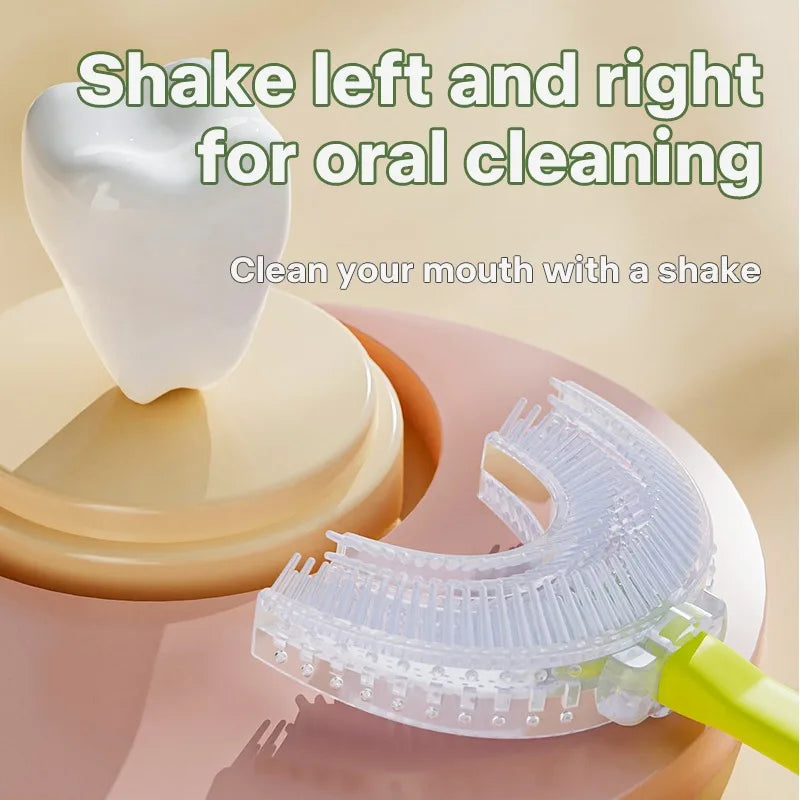
Silicone toothbrush vs regular toothbrush: proper cleaning and maintenance matter for everyday hygiene
Who Should Use a Silicone Toothbrush?
A silicone toothbrush can be useful for specific situations, but it should be selected according to age, oral development, and brushing needs.
- Babies: A silicone finger brush may help introduce gentle oral care and familiarize babies with mouth cleaning.
- Toddlers: A silicone toothbrush may appeal to children who prefer a soft texture or resist traditional bristles, but parents should ensure teeth are cleaned thoroughly.
- Children with sensory preferences: The flexible texture may be more comfortable for some children who find nylon bristles unpleasant.
- Older children: A conventional soft-bristle toothbrush may be preferable when thorough plaque removal and independent brushing are the main priorities.
- Adults: Silicone toothbrushes may suit adults who prefer their texture, but individual cleaning performance and dental needs should guide the choice.
If your child consistently refuses a regular toothbrush, a silicone model may be worth considering as a way to improve cooperation with oral care. If your child can comfortably use a conventional soft-bristle brush and brush effectively, there may be no compelling reason to switch solely because silicone sounds safer or more modern.
For families interested in an alternative child-friendly design, the U-Shape Kids Toothbrush offers a different approach to daily brushing. As with any specialized toothbrush, parents should evaluate how well the design fits the child's mouth and whether it provides adequate tooth contact and cleaning.
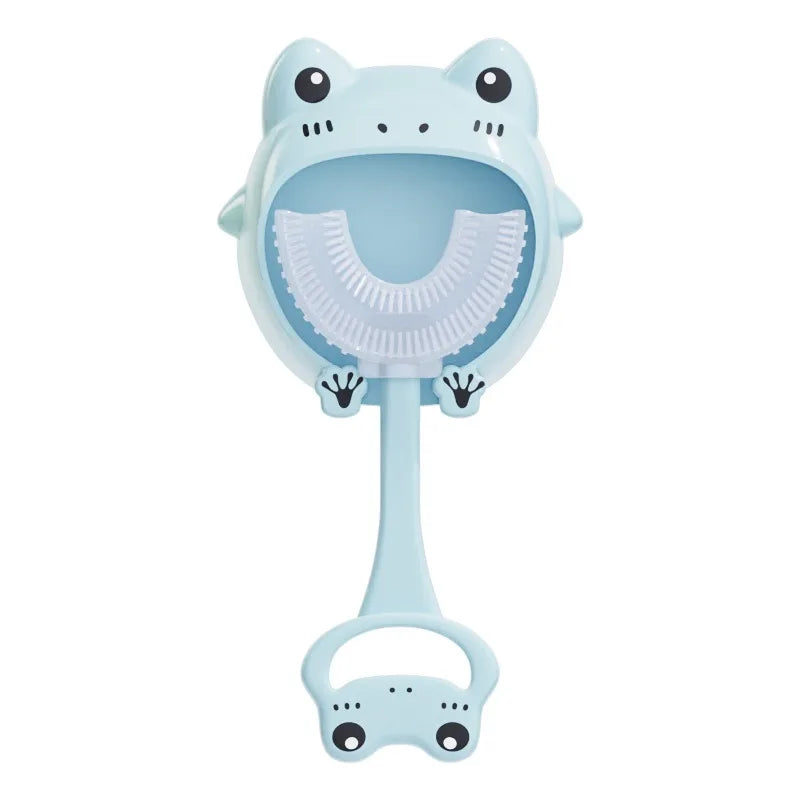
A child-friendly toothbrush design can make daily oral care easier when comfort and effective cleaning work together
Frequently Asked Questions
Are silicone toothbrushes safe for kids?
Yes, a properly manufactured silicone toothbrush can be safe for kids when it is age-appropriate, made from suitable materials, used under appropriate supervision, and maintained correctly. Check the manufacturer's material and safety information, and replace the brush if it becomes damaged.
Are silicone toothbrushes better than regular toothbrushes?
Not necessarily. A silicone toothbrush may be more comfortable for some children, while a regular soft-bristle toothbrush may provide more predictable plaque removal across tooth surfaces. The better choice depends on the child's age, brushing ability, sensory preferences, and the specific toothbrush design.
Can silicone toothbrushes remove plaque?
Yes, silicone toothbrushes can help clean teeth, but their effectiveness varies by design. Some silicone models may not provide the same level of tooth-surface contact as individual nylon bristles. Parents should choose a toothbrush that allows thorough cleaning and use an appropriate brushing technique.
How do you clean a silicone toothbrush?
Rinse the silicone toothbrush thoroughly after each use and remove toothpaste or debris. Clean it according to the manufacturer's instructions, then allow it to air dry completely. Use sterilization methods only when specifically approved for that product.
How long does a silicone toothbrush last?
The lifespan varies by product and how it is used. Follow the manufacturer's replacement guidance and inspect the brush regularly. Replace it immediately if the silicone is cracked, torn, damaged, or permanently deformed.
Are silicone toothbrushes BPA-free and non toxic?
Many silicone toothbrushes are marketed as BPA-free, but parents should verify the specific product's material claims rather than assuming every model has the same formulation. A BPA-free or food-grade material is one consideration; construction quality, age suitability, hygiene, and cleaning effectiveness also matter.
Related Guide: U Shape Kids Toothbrush Comparison: Which Is Safest?





