

How can parents make toddler bath time easier?
Toddler bath time becomes easier when parents follow a calm, predictable routine, prioritize safety, and make the experience enjoyable without pressure. The best toddler bath time tips include giving advance notice, offering simple choices, keeping baths short, maintaining a consistent bedtime routine, and responding calmly to resistance. Most families notice less stress and better cooperation within one to two weeks of consistent daily practice.
Fix Toddler Bath Time Struggles With Simple Daily Tricks
Toddler bath time struggles can quickly turn a peaceful evening into a stressful standoff. If your child cries, refuses to get into the tub, or protests every hair wash, you're far from alone. Fortunately, learning how to make toddler bath time easier doesn't require lengthy routines or rewards. A few thoughtful changes can help create a stress free bath time toddler routine that feels safe, familiar, and even fun.
⏱ 7 min read
Whether your toddler recently developed a fear of baths or has resisted them for months, the strategies below combine child development, safety recommendations, and practical parenting techniques you can begin using tonight.
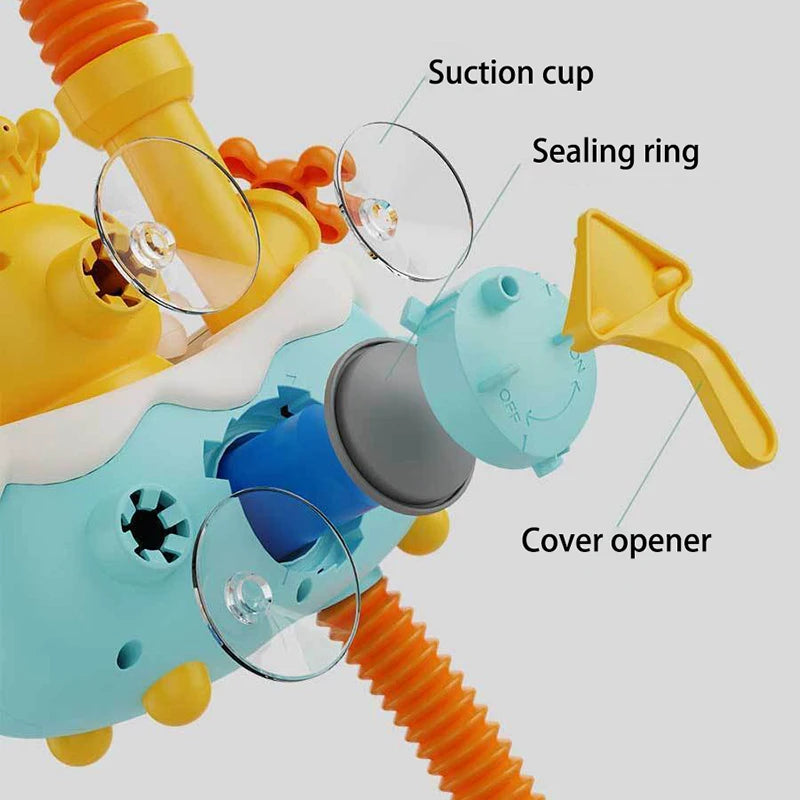
Toddler bath time struggles ease with fun ideas for bath time and calm routines. See it in action.
Toddler Bath Safety Checklist Before You Start
Before focusing on behavior, make sure the bath environment is safe. A secure setup helps toddlers feel more confident while reducing the risk of slips and accidents.
Water temperature
- Use warm water around 37–38°C (98–100°F).
- Test the water with your wrist or elbow before placing your toddler in the tub.
- Avoid hot water that may burn sensitive skin.
Bath setup
- Fill the tub with only a few inches of water.
- Use a non-slip bath mat if the surface feels slippery.
- Keep shampoo, soap, towels, and clean clothes nearby.
Never-leave-alone reminders
- Stay within arm's reach throughout the bath.
- Never leave your toddler unattended, even for a few seconds.
- If you must leave, wrap your child in a towel and take them with you.
Supplies within reach
Preparing everything before bath time prevents unnecessary interruptions and helps maintain a calm bath time routine for toddlers.
Why Toddler Bath Time Feels Difficult
Toddler bath time struggles usually reflect normal developmental changes rather than misbehavior. Sensory sensitivity, growing independence, and changing routines can all contribute.
12–18 months
Young toddlers often become startled by water on their face, loud bathroom echoes, or unfamiliar sensations. They also have limited understanding of what will happen next.
During this stage, many children begin asserting independence. Saying "no" becomes part of normal development, and bath refusal may simply be an attempt to gain control.
2–3 years
Older toddlers may develop new fears, stronger preferences, or resistance when tired after a busy day. Evening overstimulation commonly leads to toddler bath time fatigue.
Common reasons for bath time struggles toddler solutions should address include:
- Fear of slipping
- Disliking water on the face
- Unexpected transitions
- Evening fatigue
- Sensory sensitivity
- Wanting more independence
Step-by-Step Calm Toddler Bath Time Routine
A calm toddler bath time routine works because children thrive on predictability. Following the same sequence each evening helps reduce uncertainty and anxiety.
Prepare before the bath
- Give a five-minute warning before bath time.
- Let your toddler choose between two towels or bath toys.
- Use the same simple phrases every evening.
- Prepare pajamas before filling the tub.
Keep bath time short
- Aim for 10–15 minutes for most toddlers.
- Wash hair near the end of the bath.
- Praise cooperation instead of perfection.
- Use visual cues and familiar routines.
Smooth transition out of the tub
End bath time before your toddler becomes overtired. Wrapping them immediately in a warm towel and following the same bedtime sequence every night creates a smooth transition into sleep.
How Long Should a Toddler Stay in the Bath?
Most toddlers only need 10 to 15 minutes in the tub. Longer baths may dry out sensitive skin or contribute to toddler bath time fatigue.
Consider ending bath time if your child:
- Starts shivering
- Becomes cranky or restless
- Loses interest in play
- Shows signs of tiredness before bedtime
Daily baths aren't always necessary. Adjust frequency based on activity level, weather, skin condition, and your pediatrician's recommendations.
How to Handle Toddler Bath Refusal
When learning how to handle toddler bath refusal, focus on understanding the reason instead of forcing cooperation.
Fear of water
Introduce water gradually. Allow your child to play with cups, toys, or washcloths before washing begins.
Sensory challenges
If your toddler dislikes certain textures or sounds, dim bright lighting, reduce bathroom noise, and use soft towels.
Tantrums
Stay calm and acknowledge your child's feelings. Avoid lengthy negotiations or turning bath time into a power struggle.
Power struggles
Offer limited choices, such as choosing the bath toy or deciding whether to wash arms or legs first. Small choices help toddlers feel involved while parents maintain necessary boundaries.
Fun Bath Time Ideas Toddlers Actually Enjoy
The most effective fun bath time ideas for toddlers are simple enough to repeat every evening without adding extra stress.
- "Wash the duck" pretend play
- Bubble counting games
- Bath songs with repeated actions
- Floating alphabet or number games
- Taking turns washing favorite toys
- Rotating bath toys weekly to keep them interesting
Families often rotate toys from Baby Bath Accessories to maintain excitement without overstimulating children. Parents also enjoy combining bath routines with activities from Sensory Toys to support positive sensory experiences.
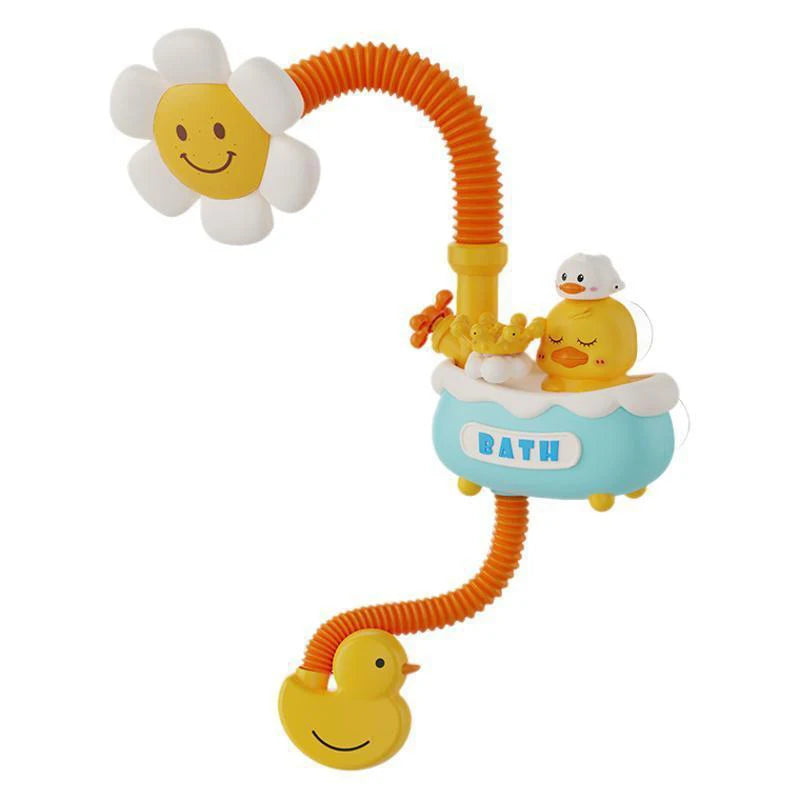
Fun bath time ideas help toddlers relax, learn, and enjoy washing. See it in action.
Using a Bath Time Social Story Step by Step
A bath time social story helps toddlers understand what happens before, during, and after bathing. Visual routines reduce uncertainty and build confidence through repetition.
- Read the story before bath time every day.
- Practice the routine outside the bathroom during playtime.
- Use simple illustrations and encouraging language.
- Invite your toddler to point to each upcoming step.
- Follow the same sequence every evening.
As familiarity grows, children often transition into the bath with greater confidence because they know exactly what to expect.
Post-Bath Routine for Calmer Bedtimes
Bath time works best when it flows naturally into the bedtime routine.
- Dry your toddler thoroughly with a soft towel.
- Apply moisturizer if recommended for dry or sensitive skin.
- Dress in comfortable pajamas.
- Read a favorite story together.
- Maintain consistent lights-out timing.
Many families pair bath time with comfort items from Sleep & Comfort to encourage relaxation before sleep.
Bath Time Tips for Solo Parents With Two Toddlers
Bathing two young children alone can feel overwhelming, but preparation simplifies the process.
- Gather towels, pajamas, and toiletries before starting.
- Keep one child safely occupied with books or quiet toys while preparing the bath.
- Bathe children together only when both can safely sit and play.
- Keep routines short and consistent.
- Prioritize supervision over completing every bath task perfectly.
If you use bath toys, choose simple options that encourage cooperative play. Many parents find that the Baby Bath Toy Clouds Duck keeps toddlers engaged long enough to complete washing while maintaining a calm routine.
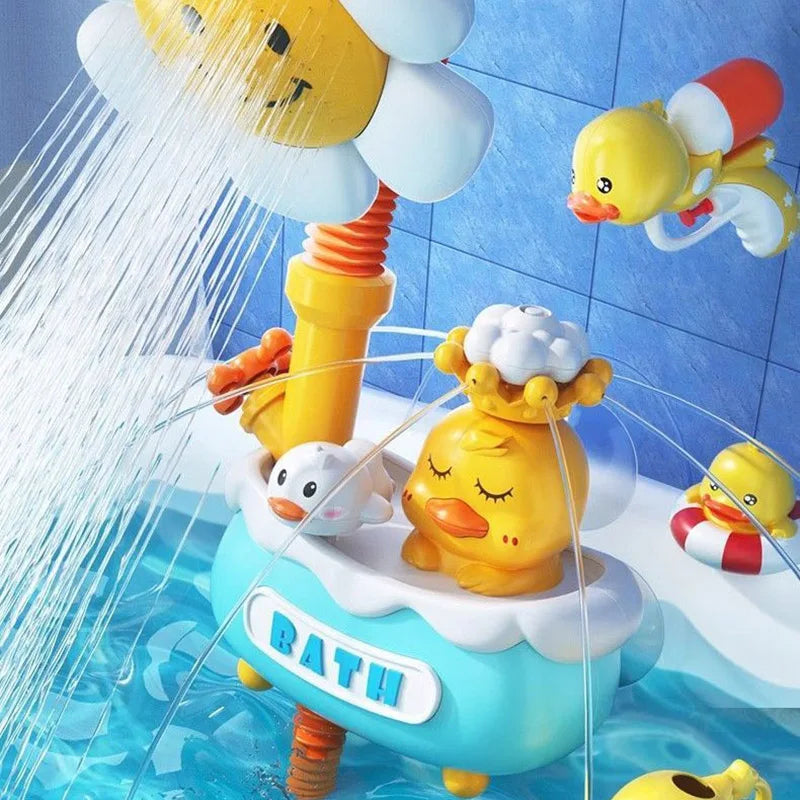
Simple routines and engaging bath toys help reduce everyday toddler bath time struggles. See it in action.
Frequently Asked Questions
How often should toddlers take a bath?
Many toddlers do well with two to three baths per week, while others enjoy daily baths as part of a bedtime routine. Adjust the schedule based on activity level, skin sensitivity, and your healthcare provider's guidance.
How long should a toddler bath last?
Most baths should last around 10 to 15 minutes. Shorter baths help prevent dry skin and reduce fatigue before bedtime.
What is the safest bath water temperature for toddlers?
Aim for warm water between 37°C and 38°C (98–100°F). Always test the temperature before placing your toddler in the bath.
What should I do if my toddler refuses to take a bath?
Stay calm, identify the cause of the resistance, offer simple choices, and maintain a predictable routine instead of forcing the situation.
Why does my toddler suddenly hate bath time?
Developmental changes, sensory sensitivity, tiredness, fear of water, or a desire for independence commonly trigger temporary bath refusal.
How can I make bath time easier with two toddlers?
Prepare everything ahead of time, simplify the routine, supervise closely, and use engaging activities that keep both children safely occupied.
Can bath time become part of a bedtime routine?
Yes. A consistent sequence of bath, pajamas, story, and bedtime helps many toddlers relax and prepare for sleep.
What are signs my toddler has stayed in the bath too long?
Shivering, wrinkled skin, irritability, restlessness, and increasing tiredness are all signs it's time to end the bath.
Related Guide: How to Make Bath Fun for Kids Step by Step





