

Does getting kids to brush their teeth properly really work?
Yes. Learning how to teach kids to brush their teeth properly helps children build lifelong oral hygiene habits instead of simply brushing because they're told to. While resistance is common, age-appropriate routines, gentle coaching, and consistent supervision make brushing easier over time. Beyond preventing cavities, proper brushing helps protect gums, removes plaque effectively, builds independence, and creates healthy habits that often continue into adulthood.
Getting Kids Brush Properly in 5 Easy Daily Steps
⏱ 5 min read
Getting kids brush properly doesn't have to become a daily battle. Whether your child rushes through brushing, refuses to open their mouth, or loses interest after a few seconds, you're not alone. By understanding what children can realistically do at different ages and following a simple routine, parents can teach proper brushing skills that children enjoy, remember, and eventually perform with confidence.
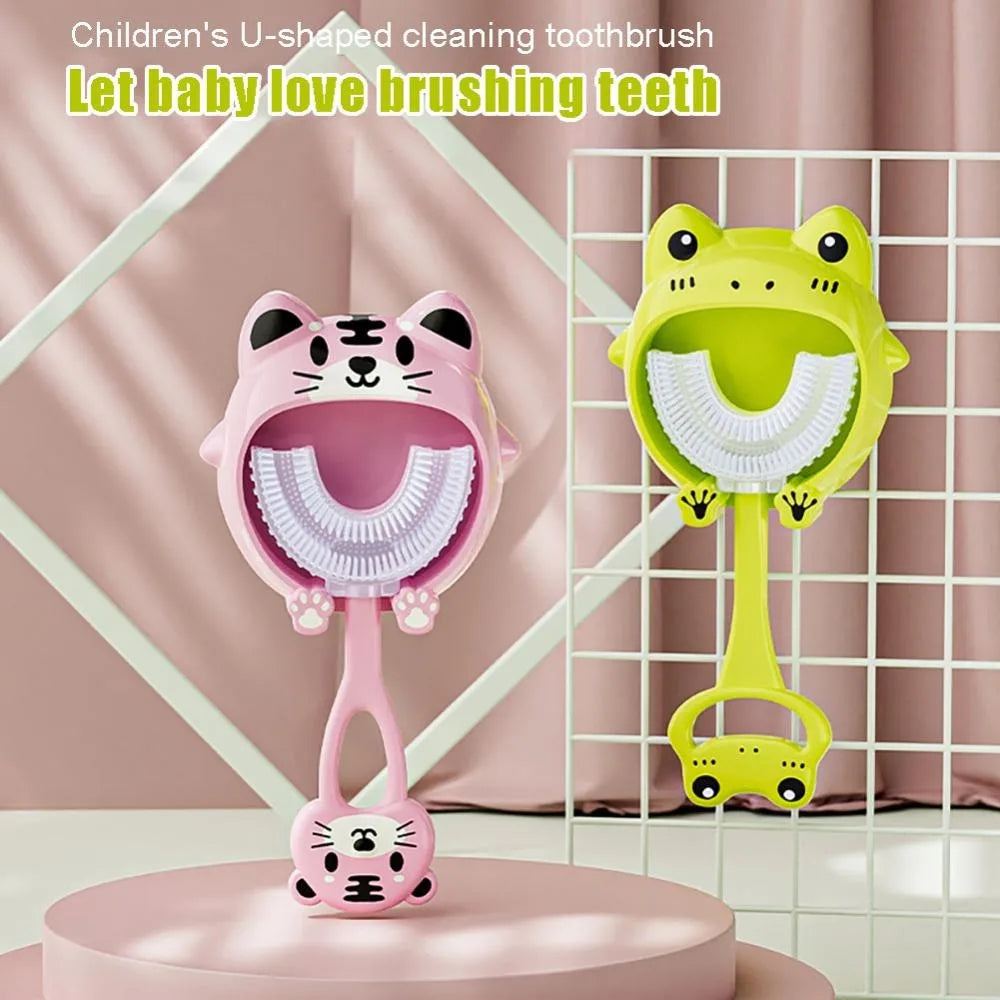
Getting kids brush properly starts with the right routine and tools. See it in action.
When to Start Teaching Kids to Brush Their Teeth
Parents often wonder when to start teaching kids to brush teeth . The answer is earlier than many expect. Children begin learning brushing habits long before they can brush effectively on their own.
Teaching brushing habits for babies and toddlers
As soon as the first tooth appears, gently clean it twice a day using a soft infant toothbrush. Let babies hold a toothbrush during brushing to become familiar with it while parents do the actual cleaning.
What preschoolers should learn about brushing
Between ages 3 and 5, preschoolers can begin practicing simple brushing motions, learning that every tooth surface matters, and understanding why brushing happens every morning and night. Parents should continue finishing the brushing afterward because young children still lack the coordination to remove plaque completely.
When children can brush independently
Many children develop the dexterity to brush more independently around ages 6 to 7, but supervision is still recommended until they consistently brush thoroughly for two minutes using proper technique.
How to Teach Kids to Brush Their Teeth Step by Step
Before building routines, it's important to demonstrate the correct technique. Breaking brushing into small, easy steps helps children remember what to do.
Step 1: Show the correct brushing position and grip
Hold the toothbrush at about a 45-degree angle where the teeth meet the gums. Encourage children to grip the handle comfortably instead of squeezing tightly.
Help children remember to brush:
- Outside surfaces of every tooth
- Inside surfaces near the tongue
- Chewing surfaces of back teeth
- The tongue to help reduce odor-causing bacteria
Step 3: Practice the right timing and technique
Use gentle circular motions rather than aggressive scrubbing. Spend about two minutes brushing, dividing attention evenly between all areas of the mouth.
Step 4: Let kids try while parents guide
Allow children to practice first, then complete the brushing yourself. This balance encourages independence while ensuring teeth are thoroughly cleaned.
Why Brushing Feels So Hard for Kids
Young children aren't refusing simply to be difficult. Brushing can feel overwhelming because of developing coordination, sensitive mouths, short attention spans, and changing routines.
Common reasons children avoid brushing include:
- Toothpaste flavors or textures feel unfamiliar.
- Small hands tire quickly while holding the toothbrush.
- They rush because they want to keep playing.
- Transitions between activities are challenging.
- They expect brushing to feel perfect immediately.
Understanding these developmental challenges helps parents adjust expectations. Instead of aiming for perfection, focus on creating positive daily habits that improve gradually.
Step 1: Build a Consistent Kids Brushing Teeth Routine
A predictable kids brushing teeth routine reduces arguments because children know exactly what comes next.
Create morning and bedtime brushing cues
Choose the same sequence every day, such as breakfast → bathroom → brushing, or pajamas → brushing → bedtime story. Repeating the order builds automatic habits.
- Brush after breakfast and before bed.
- Use the same bathroom and step stool.
- Repeat a simple phrase like "Brush, rinse, smile."
- Keep brushing sessions calm and around two minutes.
Use visual schedules and brushing charts
Young children often respond well to colorful charts showing each step. Sticker charts can celebrate consistency without making brushing feel like a negotiation.
Step 2: Choose Tools That Help Kids Learn Proper Brushing
The right tools make learning easier, but they don't replace good technique.
Selecting child-friendly toothbrushes
Look for soft bristles, a small brush head, and an easy-to-grip handle designed for little hands. Some children also cooperate better with specialty designs like the U-Shape Kids Toothbrush , which may help simplify brushing movements while children are still learning.
Using toothpaste and fluoride correctly by age
Choose an age-appropriate fluoride toothpaste and use only the recommended amount for your child's age. Encourage children to spit out excess toothpaste once they are able, while continuing to supervise brushing.
Parents looking to build a complete routine can also explore helpful products in Baby Hygiene Gadgets .
Step 3: Make Brushing Fun With Games and Positive Activities
Children are far more motivated when brushing feels playful instead of forced.
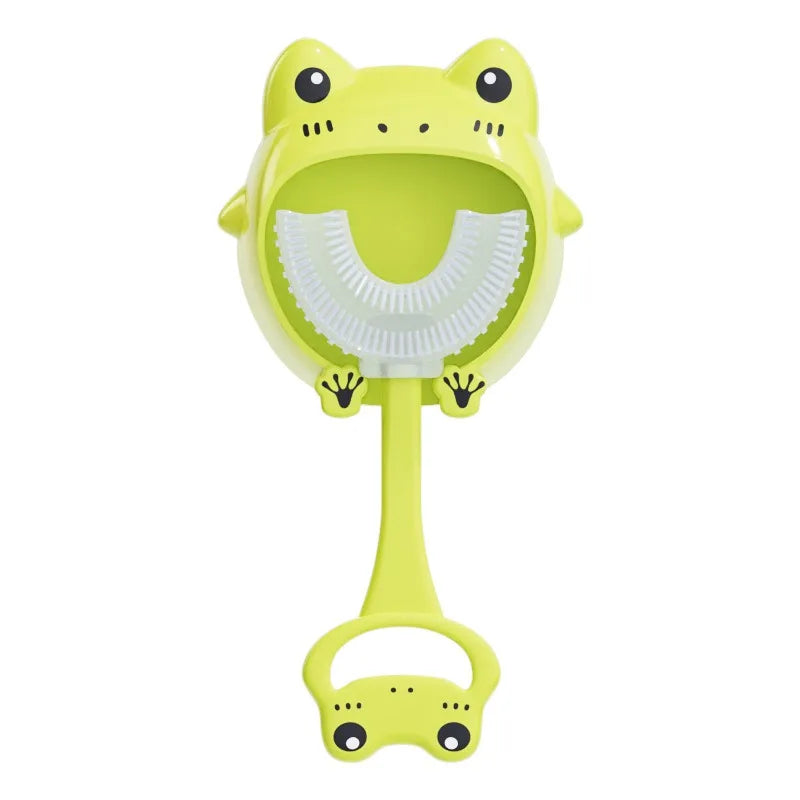
Make brushing fun with brushing teeth games for preschoolers. See it in action.
Brushing songs and two-minute challenges
- Play a favorite two-minute brushing song.
- Use a colorful timer or sand timer.
- Count teeth together while brushing.
- Pretend to chase away "sugar bugs."
Toothbrushing games for toddlers
- Let children brush a stuffed animal's teeth first.
- Create simple brushing teeth games for toddlers using sticker charts.
- Allow children to choose which song plays.
- Celebrate finishing every brushing session calmly.
Step 4: Brush Together and Teach by Example
Children learn best by watching trusted adults.
How parents can demonstrate proper brushing
Stand together at the mirror and slowly demonstrate brushing each tooth surface. Narrate the steps aloud and encourage your child to copy your movements.
When to check children's brushing technique
Even after children begin brushing independently, inspect their brushing daily. Help them revisit missed areas gently instead of criticizing mistakes.
Many families also combine brushing with relaxing bedtime routines found in Baby Care Essentials to make evenings smoother.
Step 5: Encourage Success Without Creating Brushing Stress
Positive reinforcement supports lasting habits better than pressure or punishment.
- Praise effort and improvement.
- Offer choices such as toothbrush color or brushing song.
- Celebrate consistent routines after a full week.
- Stay calm if brushing isn't perfect every day.
As children gain confidence, brushing becomes part of their normal routine instead of something they resist.
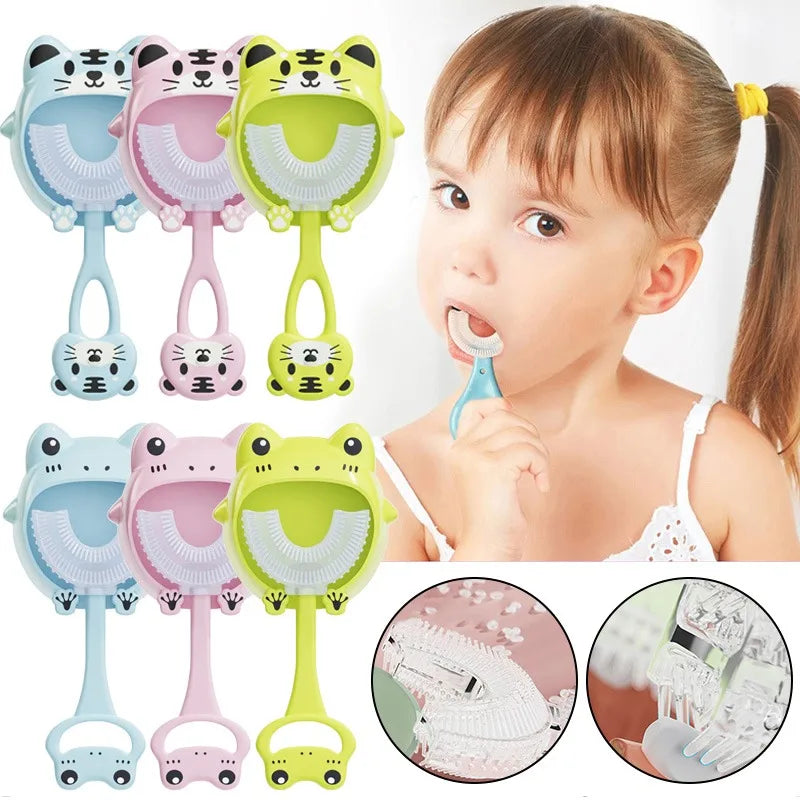
Teach brushing teeth gently and consistently. See it in action.
Common Brushing Mistakes Parents Should Avoid
Letting kids brush completely unsupervised too early
Young children often miss back teeth and gumlines. Continue supervising until they consistently demonstrate good technique.
Allowing rushed brushing habits
Brushing for only a few seconds leaves plaque behind. Timers and songs help children reach the recommended brushing time.
Using incorrect brushing pressure
Scrubbing harder doesn't clean better. Gentle circular motions are more effective and kinder to developing gums.
| ❌ Avoid | ✅ Try Instead |
|---|---|
| Forcing or rushing brushing | Short, predictable routines |
| Leaving children unsupervised too early | Guide and finish brushing together |
| Adult-sized toothbrushes | Child-friendly brush sizes |
| Hard scrubbing | Gentle circular brushing motions |
| Changing routines constantly | Use the same cues every day |
How to Handle Kids Who Refuse to Brush Their Teeth
Dealing with bedtime brushing battles
If your child refuses brushing at bedtime, avoid turning it into a power struggle. Offer simple choices, such as selecting the toothbrush color or choosing the brushing song, while keeping brushing non-negotiable.
Helping children overcome brushing fears
Children who dislike brushing may be reacting to texture, taste, or unfamiliar sensations. Try introducing new toothpaste flavors gradually, demonstrating brushing on toys, and keeping interactions calm and encouraging.
Quick FAQ for Parents
When should parents start teaching kids to brush their teeth?
Start when the first tooth appears. Babies can become familiar with brushing while parents perform the cleaning.
How do you teach a toddler to brush their teeth?
Demonstrate brushing slowly, let your toddler practice briefly, then finish the brushing yourself using gentle guidance and positive encouragement.
How can I get my child to brush teeth every day?
Use predictable routines, playful activities, visual charts, and consistent expectations rather than pressure or punishment.
What is the correct toothbrushing technique for children?
Use a soft toothbrush held at a slight angle toward the gums, brush every tooth surface with gentle circular motions, and continue for about two minutes.
How long should children brush their teeth?
Most dental professionals recommend brushing for approximately two minutes twice each day.
When can kids brush their teeth without help?
Many children become capable around ages 6 to 7, although parents should continue supervising until brushing is consistently thorough.
Related Guide: How to Teach Kids Brushing the Right Way at Home





