

Guide to Hygienic Potty Travel: Cleanliness-First Features Parents Should Look For
⏱ 8 min read
Does a hygienic potty travel setup really make potty training less stressful?
Yes. A well-planned guide to hygienic potty travel helps parents reduce mess, limit exposure to germs, and make unfamiliar bathrooms less intimidating for toddlers. Using a portable potty with easy-to-clean surfaces, soft seating, and disposable potty chair liners creates a cleaner, more predictable routine that encourages cooperation while making cleanup faster both at home and on the go.
Whether you're heading out for a short errand, a family vacation, or a long road trip, maintaining good potty hygiene can prevent unpleasant odors, reduce cross-contamination, and build your child's confidence during toilet training. This guide explains practical cleaning habits, travel-friendly hygiene essentials, and simple routines that help make potty training safer and less stressful wherever your family goes.
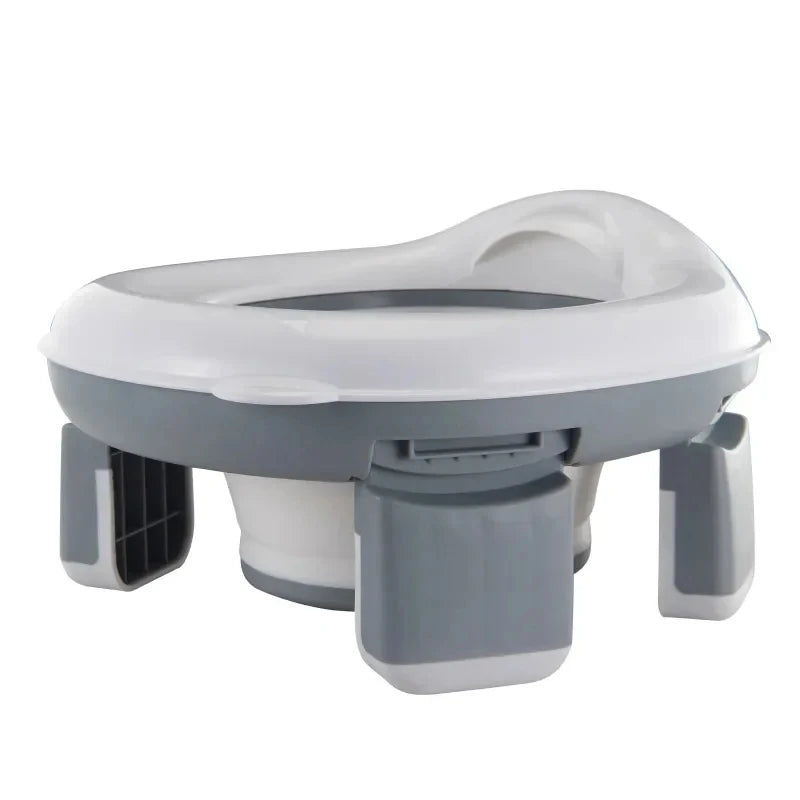
guide to hygienic potty travel + portable potty seat for traveling — See it in action
Why cleanliness matters for travel potty routines
Cleanliness plays a major role in successful potty training, especially when children must use unfamiliar toilets while traveling. A potty seat that looks, smells, and feels clean helps toddlers feel secure, while regular sanitation reduces the spread of bacteria and unpleasant odors. Establishing consistent hygiene habits also makes daily cleanup easier for parents and reinforces positive potty routines.
How germs spread on potty seats
Portable potty seats and public restroom surfaces can collect germs through repeated contact. Moisture left behind after use can also contribute to unpleasant odors and bacterial growth. Wiping surfaces promptly, using disposable potty chair liners when appropriate, and storing equipment in a clean, dry bag help reduce contamination during travel.
Health and safety benefits
- Helps reduce contact with shared restroom surfaces and common germs.
- Limits lingering moisture that can contribute to unpleasant odors.
- Supports healthy potty training habits through consistent sanitation.
- Creates a familiar, clean environment that encourages toddlers to cooperate.
- Makes post-use cleanup quicker, helping parents stay prepared during busy outings.
Quick solution: What to pack for hygienic potty travel
A compact hygiene kit makes cleaning easier after every potty break without adding unnecessary bulk. Focus on versatile supplies that help you clean, sanitize, dry, and safely store your travel potty accessories between uses.
- Soft silicone travel seat or foldable portable toilet seat with a smooth, easy-to-clean surface.
- Disposable potty chair liners for hygienic waste containment in public restrooms.
- Child-safe disinfectant wipes or gentle cleaning wipes suitable for potty equipment.
- Alcohol-based hand sanitizer for caregivers when soap and water are unavailable.
- Wet bag for storing soiled clothing or reusable potty accessories until they can be washed.
Disposable potty chair liners vs. bags — when to use each
Disposable potty chair liners are one of the easiest ways to improve travel potty hygiene. They create a protective barrier between waste and the potty seat, helping reduce direct contact with germs while making cleanup much faster. They are especially useful in public restrooms, during road trips, or anytime immediate washing isn't practical. Odor-locking waste bags remain a valuable backup for storing used liners or handling emergencies when proper disposal facilities are unavailable.
| Feature | Disposable liners | Odor-locking bags |
|---|---|---|
| Best use | Public toilets, travel potty seats, portable potties | Road trips, camping, delayed disposal situations |
| Containment | Excellent for solid waste and splash protection | Excellent for liquid containment and odor control |
| Cleanup speed | Very fast—lift, tie, and discard | Moderate—seal securely until appropriate disposal |
| Hygiene | Reduces contact with contaminated surfaces | Prevents leaks and minimizes odors during transport |
Handling potty accidents in the car (step-by-step)
Even with careful planning, accidents can happen during travel. A simple cleanup routine protects your child, keeps vehicle surfaces sanitary, and helps prevent lingering odors. Following these hygienic potty travel tips also makes on the go potty training cleanliness much easier to maintain throughout longer trips.
- Pull over in a safe location and reassure your child calmly to reduce anxiety.
- Put on disposable gloves if available, then use disposable potty chair liners or absorbent pads to contain liquids and waste immediately.
- Change your child into clean clothing and place soiled garments inside a sealed wet bag.
- Clean affected surfaces using child-safe disinfectant wipes, paying close attention to seat belts, armrests, and other frequently touched areas.
- Wipe again with a clean damp cloth if recommended by the cleaner manufacturer, especially on leather or delicate upholstery.
- Allow the cleaned area to air dry before your child sits back down whenever possible.
- Dispose of used liners, wipes, and gloves responsibly at the next appropriate trash receptacle.
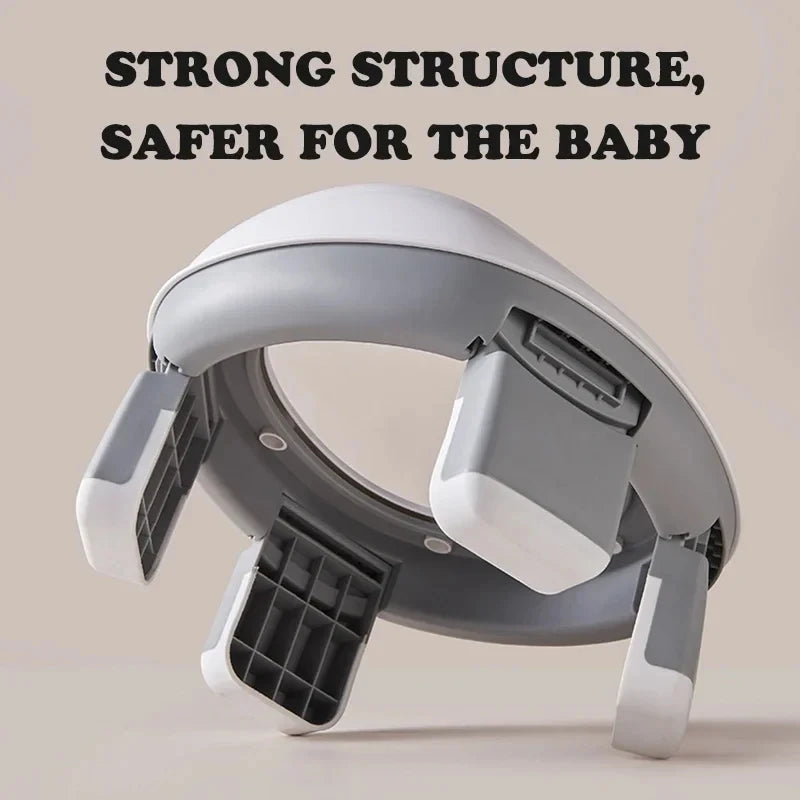
portable potty seat for traveling + disposable potty chair liners — See it in action
Potty training seat hygiene checklist
Keeping a travel potty clean is easier when you follow the same routine before, during, and after every outing. A compact hygiene kit and a simple maintenance schedule help reduce germs, prevent odors, and ensure your potty seat is always ready for the next stop.
Daily travel essentials
- Clean potty seat: Wipe the seat before storing it after each use and allow it to dry completely.
- Disposable potty chair liners: Carry several extras so you're prepared for multiple restroom stops.
- Child-safe disinfectant wipes: Use on potty surfaces and frequently touched areas when soap and water aren't available.
- Hand sanitizer: Clean hands immediately after handling the potty or disposing of waste.
- Wet bag: Separate reusable accessories and soiled clothing from clean supplies.
- Spare underwear and clothing: Keep one complete change of clothes readily accessible.
Weekly maintenance checklist
- Wash reusable potty components thoroughly with mild soap and warm water.
- Inspect hinges, folding joints, and locking mechanisms for trapped dirt or residue.
- Restock disposable potty chair liners, wipes, gloves, and sanitizer.
- Replace worn storage bags that retain moisture or odors.
- Check for cracks, damaged seals, or rough surfaces that make cleaning difficult.
When to replace a potty seat
- Persistent odors remain after thorough cleaning.
- Deep scratches or cracks collect dirt and bacteria.
- Locking mechanisms become loose or unstable.
- The surface becomes difficult to sanitize because of wear or discoloration.
For families who travel frequently, a durable 3-in-1 travel toilet seat paired with a consistent cleaning routine can simplify hygiene while reducing everyday maintenance.
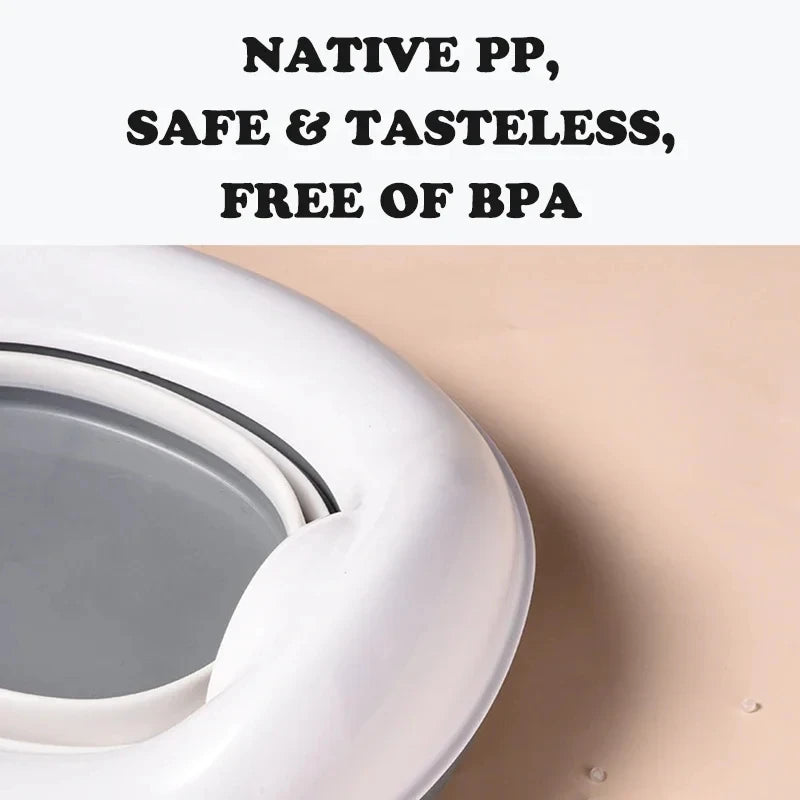
on the go potty training + disposable potty chair liners — See it in action
Mini FAQ
-
How do you keep a potty training seat clean after every use?
Answer: Empty any waste immediately, wash reusable parts with warm water and mild soap, disinfect using a child-safe cleaner when appropriate, and allow the seat to dry completely before storing or using it again. -
How often should you disinfect a potty training seat?
Answer: Wipe the seat after every use and disinfect it regularly, particularly after travel, use in public restrooms, or whenever it comes into contact with bodily fluids. A more thorough cleaning once a week helps maintain long-term hygiene. -
What cleaners are safe for a child's potty seat?
Answer: Mild soap, warm water, and child-safe disinfectants recommended by the manufacturer are usually the safest options. Avoid harsh chemicals that may damage the surface or leave irritating residues. -
How do you clean a portable potty seat while traveling?
Answer: Remove any disposable liner, wipe the seat with child-safe disinfectant wipes, dry the surface before folding it, and store it in a clean carrying bag to prevent contamination. -
Do disposable potty chair liners prevent germs?
Answer: They help reduce direct contact with waste and contaminated surfaces, making cleanup more hygienic. Liners work best when combined with regular hand hygiene and routine cleaning of the potty seat itself. -
How do you remove bad smells from a potty training seat?
Answer: Wash the seat thoroughly with mild soap, disinfect it, and allow it to dry completely before storage. Persistent odors may indicate trapped residue or wear that requires deeper cleaning or replacement. -
Can you use bleach on a potty training seat?
Answer: Unless the manufacturer specifically recommends it, bleach is generally not advised because it can damage plastics, silicone components, and protective finishes. Child-safe disinfectants are usually a better choice. -
When should you replace a potty training seat?
Answer: Replace the seat if it develops cracks, loose hinges, deep scratches, persistent odors that cannot be removed, or other damage that makes thorough cleaning difficult.
Final reassurance
Consistent hygiene habits make potty training more manageable wherever your family travels. Keeping a potty training seat clean after every use, using disposable potty chair liners when appropriate, and following a simple cleaning routine help reduce germs, control odors, and give toddlers a familiar, comfortable experience. With the right preparation and regular maintenance, on-the-go potty training can stay clean, safe, and far less stressful.
Related resources: For more tips and gear, visit Baby Care Essentials and Mom Essentials .
Pillar Article: Regressing in Potty Training: Key Design Features That Help Kids Bounce Back Fast
Other Related Articles:
Explore More:





