

Soft Silicone Potty Seat Benefits: How Comfort and Hygiene Support Stress-Free Toilet Training
⏱ 18 min read
Potty training setbacks can be frustrating for both toddlers and parents, especially when a child who seemed confident suddenly refuses the toilet, starts having accidents, or avoids bathroom routines. While many families focus on schedules and rewards, the physical experience of using the toilet also matters. A comfortable, secure seat can help reduce resistance by making bathroom transitions feel more familiar and less intimidating.
A soft silicone potty seat is designed to provide a gentler surface than traditional hard plastic rings while helping toddlers feel stable during toilet training. Features such as cushioning, non-slip support, easy cleaning, and portable designs can make daily routines easier at home and away. Understanding how comfort tools fit into potty training can help parents choose solutions that support confidence instead of creating extra pressure.
Looking for a comfortable option for home and outings? Explore the 3-in-1 travel toilet seat and discover how a familiar seat can support smoother bathroom transitions.
What is a soft silicone potty seat?
A soft silicone potty seat is a cushioned toilet training seat designed to help toddlers transition from a small potty to a full-size toilet. Unlike rigid plastic rings, these seats use a flexible silicone surface that feels softer against a child’s skin while providing a more comfortable sitting experience.
Many soft silicone potty seat designs combine a padded seating area with structural support underneath. This creates a balance between comfort and stability, allowing toddlers to sit securely without feeling like they are balancing on a large adult toilet.
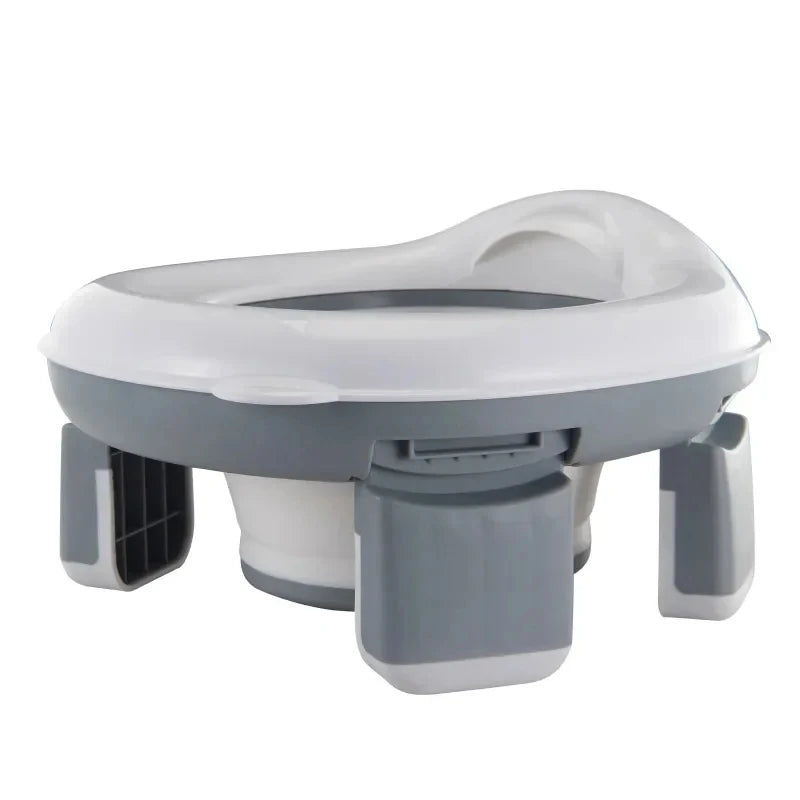
soft silicone potty seat • soft potty seat for toilet • See it in action
Common features include:
- Soft silicone cushioning: Creates a more comfortable surface that can reduce complaints about cold or hard toilet seats.
- Non-slip support: Helps keep the seat stable while toddlers move or adjust their position.
- Easy-clean construction: Smooth silicone surfaces are simple to wipe and maintain.
- Portable folding designs: Allow families to bring a familiar toilet seat during travel or outings.
Why comfort matters during potty training
Toddlers often respond strongly to unfamiliar sensations. A cold toilet seat, unstable feeling, or fear of slipping can turn a simple bathroom visit into a stressful experience. A comfortable potty seat can remove some of these physical barriers and help children focus on learning the routine.
Comfort does not guarantee faster potty training, but it can support a more positive experience. When children feel secure sitting on the toilet, they may be more willing to practice, stay seated longer, and build confidence through repetition.
How a comfortable seat can reduce common training struggles
- Fear of falling: A properly fitted seat with secure support can help toddlers feel safer on adult-sized toilets.
- Discomfort from hard surfaces: Soft silicone provides a gentler contact surface compared with rigid plastic.
- Resistance to new routines: Familiar textures and consistent setups can make transitions easier.
- Bathroom anxiety away from home: Portable versions allow children to use a similar setup in unfamiliar locations.
Benefits of soft silicone compared with traditional potty seats
Choosing between a soft silicone potty seat, hard plastic ring, or padded cushion often comes down to comfort, hygiene, and how the seat will be used. For many families, silicone offers practical advantages because it combines softness with easier maintenance.
Key advantages parents often look for
- More comfortable sitting experience: Soft materials can feel less intimidating for toddlers who dislike cold or rigid surfaces.
- Improved hygiene: Non-porous silicone surfaces are less likely to absorb moisture, making routine cleaning easier.
- Better long-term durability: Quality silicone can maintain flexibility and shape through repeated use.
- Greater consistency: Foldable models allow children to use a familiar seat during travel, vacations, or visits.
For children who are experiencing potty training struggles, small environmental changes can sometimes make routines feel more manageable. A comfortable seat works best when combined with patience, positive reinforcement, and consistent bathroom habits.
Key features to look for in a soft silicone potty seat
Not every potty seat offers the same level of comfort or safety. Before choosing a soft silicone potty seat, consider features that affect everyday use and cleaning.
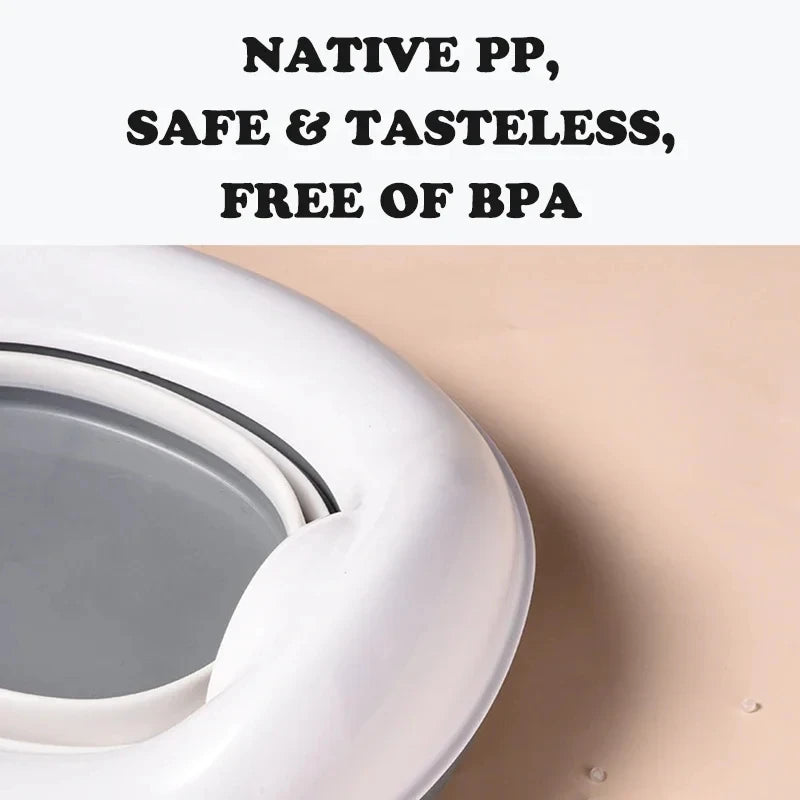
- Child-safe silicone materials: Look for BPA-free, high-quality silicone designed for frequent skin contact and easy cleaning.
- Secure toilet attachment: Non-slip bases, grips, or support mechanisms help prevent unwanted movement.
- Comfortable shape: A wider seating area and smooth edges can improve comfort during longer toilet sessions.
- Easy maintenance: Seamless, water-resistant surfaces are easier to clean after daily use.
- Compact storage: Folding designs are useful for families who need a portable potty training solution.
Why portable potty seats help maintain training consistency
Travel and routine changes are common causes of toddler potty training setbacks. New bathrooms, unfamiliar toilets, and busy schedules can make children less comfortable using the toilet outside the home.
A portable potty seat helps maintain familiarity by giving children a similar experience wherever they go. A foldable travel potty seat can be stored in a diaper bag, stroller, or travel bag, allowing parents to keep routines consistent during outings.
Practical benefits of portable potty training solutions
- Provides a familiar surface in public restrooms and unfamiliar locations.
- Reduces stress during vacations, shopping trips, and family visits.
- Takes up less space than many traditional potty chairs.
- Supports gradual transitions from home training to outside bathroom use.
Explore comfort and mobility solutions: Mobility & Training offers helpful baby training products designed for everyday routines.
How to clean and maintain a soft silicone potty seat for better hygiene
Keeping a soft silicone potty seat clean is simple when parents follow a consistent routine. Silicone is naturally non-porous, which means it does not absorb moisture the way some foam cushions can, making daily cleaning faster and helping reduce lingering odors. Proper care also helps protect the seat’s surface, hinges, and support features over time.
- Clean after every use: Wipe the seat with warm water and mild soap or a child-safe cleaning wipe. Remove any residue before allowing the surface to dry completely.
- Prepare a travel cleaning kit: When using a portable potty training solution outside the home, keep a small pouch with disinfecting wipes, a microfiber cloth, and hand sanitizer for quick bathroom cleanups.
- Perform weekly maintenance: Wash the seat more thoroughly with warm water and gentle detergent, rinse away all soap residue, and allow it to air-dry before storage.
- Deep clean when needed: Follow the manufacturer’s care instructions for deeper sanitizing methods. Some silicone products may support diluted disinfecting solutions or steam cleaning, while others may require gentler methods.
Quick hygiene checklist for everyday use
- Wipe the seat after each public restroom visit.
- Dry completely before folding or storing.
- Inspect clips, hinges, and non-slip areas regularly.
- Store the seat in a clean pouch to prevent dust and lint buildup.
- Avoid harsh cleaners that may damage silicone surfaces or attached components.
Soft silicone potty seat vs hard plastic and foam alternatives
Choosing the right potty training seat depends on your child’s comfort needs, cleaning preferences, and whether you need a portable option. A soft silicone potty seat often provides a balance of comfort and practicality, while traditional materials may work better for families prioritizing a lower upfront cost.
| Feature | Soft Silicone Potty Seat | Hard Plastic Seat | Foam Cushion |
|---|---|---|---|
| Comfort | High — soft, flexible surface reduces pressure and feels less cold | Medium — sturdy but may feel rigid for some toddlers | Medium — cushioned feel but may lose support over time |
| Hygiene | High — non-porous surface is easier to wipe clean | Medium — smooth surfaces clean easily but seams may collect residue | Low — porous materials may absorb moisture and odors |
| Portability | High — many foldable designs fit into travel bags | Low — usually bulkier for outings | Medium — lightweight but often less compact |
| Durability | High — flexible materials resist cracking when properly maintained | High — rigid plastic can last for years | Low — cushioning can flatten or wear down |
| Price Range | Mid | Low–Mid | Low |
Common parent experiences with potty training seats
Parents often report that small comfort improvements can make toilet routines easier to accept. While every child develops at a different pace, common feedback themes include less resistance, more confidence using unfamiliar bathrooms, and easier transitions from home training to travel situations.
- "My toddler was nervous about the adult toilet at first. The softer seat made sitting down feel much less intimidating."
- "Having a foldable seat in the diaper bag helped us keep the same routine during family trips."
- "Cleaning became much easier compared with padded seats that held onto moisture."
These experiences highlight an important point: a potty seat is a support tool, not a replacement for readiness, encouragement, and consistent routines. The most effective approach combines the right equipment with patience and positive reinforcement.
Practical ways to support toddlers through potty training challenges
- Build familiarity gradually: Allow your child to explore and sit on the seat before expecting them to use it successfully.
- Reduce pressure: Encourage attempts without punishment for accidents. Confidence usually grows when children feel supported.
- Keep routines predictable: Regular bathroom reminders after waking, meals, or before outings can help children recognize patterns.
- Prepare for public bathrooms: Bring a foldable travel potty seat and cleaning supplies to make unfamiliar locations feel easier.
- Celebrate progress: Positive feedback helps toddlers connect bathroom routines with success rather than stress.
Design features that improve soft silicone potty seat performance
Modern potty training seats use practical design improvements to address common parent concerns such as stability, cleaning, and portability. When comparing models, focus on features that improve everyday use rather than unnecessary extras.
- Ergonomic seating contours: Curved designs can help distribute pressure more comfortably and provide better support during sitting.
- Raised splash-control edges: Thoughtful shaping can help contain messes and make cleanup easier.
- Anti-microbial surface options: Some products use treated materials designed to help limit bacterial growth, although regular cleaning remains essential.
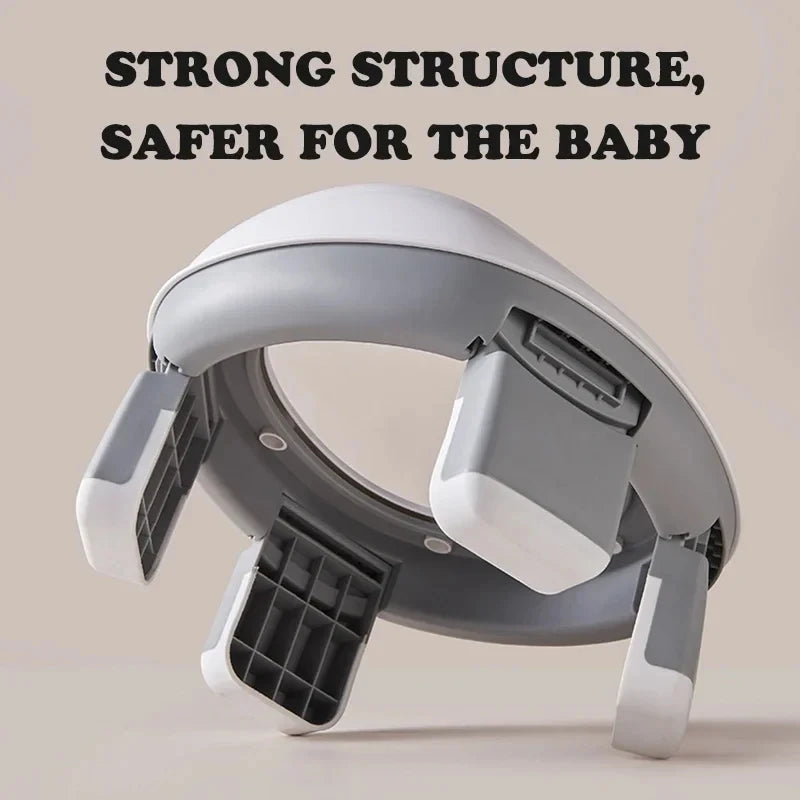
- Reinforced folding points: Durable hinges and support structures help portable seats withstand repeated opening and closing.
- Secure grip systems: Non-slip bases and attachment features help prevent movement while toddlers adjust their position.
Soft silicone potty seat advantages and limitations
| Advantages | Limitations |
|---|---|
|
|
Choosing a potty seat based on your family’s daily routine
The best potty training seat depends on where and how your child will use it. Considering your family’s schedule, travel habits, and your toddler’s comfort level can help you choose a solution that supports consistent practice.
- Families who travel often: A compact foldable travel potty seat can make vacations, restaurant visits, and public restroom trips less stressful by keeping a familiar routine.
- Families with multiple caregivers: Having similar potty setups at home, grandparents’ houses, or daycare locations can reduce confusion and help toddlers adjust more easily.
- Toddlers who need extra support: Seats with wider designs, secure grips, and stable side support may help children who are still building confidence on adult toilets.
- Children transitioning from a small potty: A comfortable toilet seat insert can make the move to a full-size toilet feel less sudden.
How a soft silicone potty seat supports everyday potty training
A soft silicone potty seat works best as part of a complete potty training routine. While the seat provides comfort and stability, children also benefit from predictable bathroom schedules, encouragement, and opportunities to practice independence.
Parents can combine a comfortable seat with other helpful training tools such as step stools, travel wipes, and reward systems. For additional toddler mobility and training accessories, explore the Mobility & Training collection for compatible options.
soft silicone potty seat • foldable portable toilet seat • See it in action
How to choose the right soft silicone potty seat
Before purchasing a potty training seat, compare practical details that affect safety, comfort, and everyday convenience.
- Check toilet compatibility: Measure your toilet shape and size to confirm the seat fits securely.
- Evaluate stability features: Look for non-slip bases, locking mechanisms, or support structures that prevent unwanted movement.
- Review material quality: Choose products made from child-safe materials with clear information about silicone quality and care instructions.
- Consider portability: If you travel frequently, select a lightweight design that folds easily and stores conveniently.
- Read practical reviews: Real-world feedback can reveal details about cleaning, durability, and long-term comfort.
Maintenance routine for long-lasting potty seat performance
A simple care schedule helps keep a soft silicone potty seat clean, comfortable, and ready for daily use. Regular maintenance also helps parents identify wear before it affects safety or performance.
- Daily: Wipe the surface after use and remove any moisture before storage.
- Weekly: Wash more thoroughly with mild soap and warm water.
- Monthly: Inspect hinges, grips, and edges for signs of wear or damage.
- Before travel: Make sure the seat is completely dry before folding it into a bag or pouch.
Proper care extends the useful life of the seat and helps maintain a clean, reliable potty training environment for toddlers.
How the soft seat pays for itself (real outcomes)
A potty training setback can create extra laundry, cleaning, and frustration, so a tool that helps maintain consistency may reduce everyday stress. Parents often find that a comfortable, familiar seat can make bathroom routines easier to repeat at home and during outings. A foldable option also helps avoid rushed purchases or uncomfortable public restroom situations when toddlers need a familiar setup.
Where to start — product recommendation and final push
If you want a balanced, travel-ready option that focuses on comfort, hygiene, and convenience, the 3-in-1 travel toilet seat is designed for home and on-the-go use with a soft silicone ring, foldable design, and secure mounting support.
Ready for calmer potty sessions and simpler trips? Buy the 3-in-1 travel toilet seat today and help your toddler maintain a familiar routine in every bathroom.
soft silicone potty seat • compact portable potty • See it in action
Printable potty training regression recovery checklist
When a toddler starts regressing in potty training, returning to simple daily habits can help rebuild confidence. Use this checklist to identify triggers, support progress, and create a calmer routine.
- Daily routine check: Offer regular bathroom opportunities, especially after waking, before leaving home, and before bedtime.
- Comfort check: Make sure your child feels secure on the toilet seat, has a stable foot position, and is not avoiding the bathroom because of discomfort.
- Trigger tracking: Write down patterns such as accidents after travel, daycare changes, illness, constipation, or major family transitions.
- Positive reminders: Use encouragement and praise for attempts, not only successful trips.
- Independence practice: Let toddlers participate by pulling down clothing, flushing, washing hands, and choosing routines they can control.
- Progress review: Look for fewer accidents, less resistance, and increased confidence rather than expecting instant perfection.
Mini FAQ
-
What causes potty training regression after being fully potty trained?
Potty training regression can happen after changes such as a new sibling, travel, daycare transitions, stress, illness, constipation, or other disruptions to a toddler’s routine. Temporary setbacks are common during development.
-
How long does potty training regression usually last?
The length varies depending on the child and the cause. Some toddlers improve within a few days after routines are restored, while others may need several weeks of consistent support.
-
Is potty training regression normal at age 2 or 3?
Yes. Many toddlers experience setbacks around ages 2 and 3 as they develop new skills, manage emotions, and adjust to changes in their environment.
-
Can constipation cause potty training regression?
Yes. Constipation can make bowel movements uncomfortable and may lead children to avoid using the toilet. Addressing discomfort and discussing persistent concerns with a pediatrician can help.
-
Why is my toddler only having poop accidents?
Some toddlers continue to struggle with bowel training because of fear, withholding habits, constipation, or a preference for familiar routines. Gentle support and consistent toilet opportunities can help.
-
Should I restart potty training from the beginning?
Usually, a complete restart is unnecessary. Instead, return to basic routines, reduce pressure, and rebuild confidence with small successful steps.
-
How do I handle potty training regression after travel?
Recreate familiar routines at home, offer predictable bathroom times, and use familiar tools such as a foldable travel potty seat to make transitions easier.
-
Can a new sibling trigger potty training regression?
Yes. A new sibling can change attention, routines, and emotions. Extra reassurance and positive encouragement can help toddlers adjust.
-
When should I worry about frequent potty accidents?
Consider seeking advice if accidents are persistent, painful, accompanied by signs of illness, or continue despite consistent routines and support.
-
Can a travel potty seat help prevent setbacks during vacations?
Yes. A familiar travel potty seat can reduce uncertainty in unfamiliar bathrooms and help toddlers maintain consistency while away from home.
Final thoughts — a small change with big impact
Potty training is rarely a perfectly straight path. A soft silicone potty seat can remove common barriers such as discomfort, unfamiliar bathroom surfaces, and inconsistent routines. Whether you need a soft potty seat for toilet sessions at home or a foldable portable toilet seat for trips, the right setup can help toddlers feel more confident while parents handle setbacks with less stress.
Related items to support training: consider pairing a soft seat with non-slip step stools, child-friendly wipes, and simple reward charts from Baby Care Essentials or guidance tools in Baby Growth & Learning to build a routine that supports independence.
This article covered comfort, hygiene, maintenance, and practical potty training solutions to help families choose a reliable option. For hands-on convenience, the 3-in-1 travel toilet seat combines soft silicone comfort with foldable portability for everyday use and travel.
Related Articles:
- Guide to Hygienic Potty Travel: Cleanliness-First Features Parents Should Look For
- Toddler Portable Potty Chair Benefits: Why Stability and Comfort Transform Training
Pillar Articles:





