

What is the best way to clean a toothbrush holder?
The best way to clean a toothbrush holder is to empty it, rinse away toothpaste residue and standing water, wash it with warm water and mild soap, scrub corners and drainage holes, rinse thoroughly, and let it air dry completely before returning toothbrushes. For deeper cleaning, always follow the holder's material care instructions and avoid leaving cleaner residue behind.
How to Clean Toothbrush Holder Safely and Properly
⏱ 6 min read
Bathrooms may look spotless, but toothbrush holders can collect toothpaste residue, standing water, soap scum, and moisture that encourage unpleasant odors and buildup. Learning how to clean a toothbrush holder properly takes only a few minutes each week and helps keep your daily oral-care routine cleaner and easier to maintain.
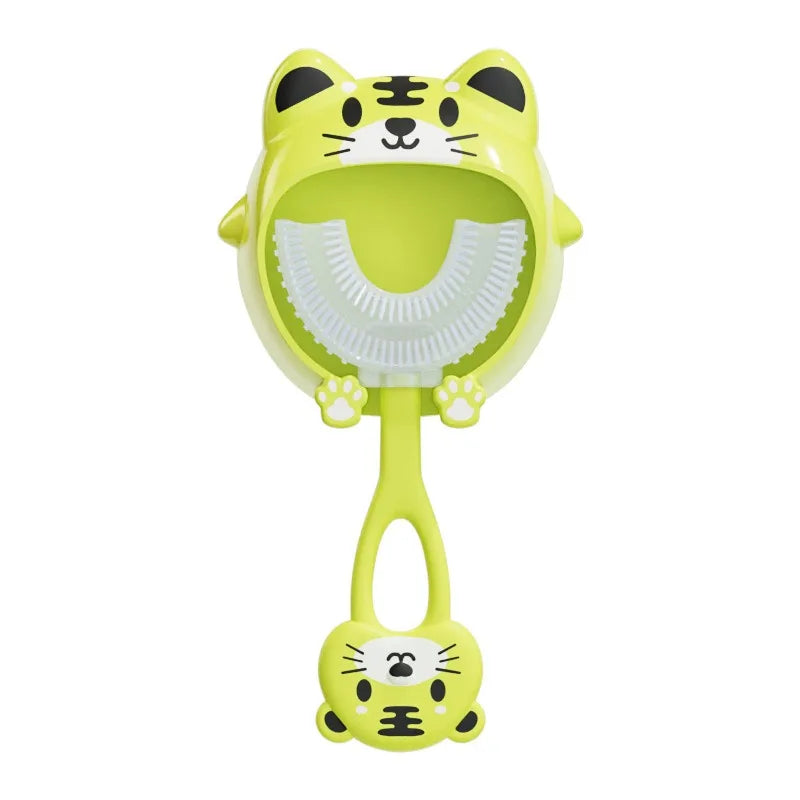
How to clean toothbrush holder to remove residue and moisture. See it in action.
Why Cleaning Your Toothbrush Holder Matters for Family Health
A toothbrush holder comes into contact with water every day, making it easy for toothpaste residue, mineral deposits, and moisture to accumulate. Regular cleaning removes visible buildup before it hardens and helps maintain better toothbrush holder hygiene.
- Removes toothpaste residue and soap scum.
- Helps prevent standing water and unpleasant odors.
- Keeps toothbrush storage cleaner between uses.
- Makes weekly bathroom cleaning easier.
Parents focused on hygiene often explore helpful tools from Health & Safety to reduce everyday risks without adding stress.
How Often Should You Clean a Toothbrush Holder?
How often to clean a toothbrush holder depends on how many people use it, how much moisture it collects, and whether residue builds up quickly. A simple maintenance schedule prevents small problems from becoming stubborn stains or mold.
Daily: Remove Water and Toothpaste Residue
Pour out any standing water, wipe away toothpaste drips, and leave the holder in a position where it can dry between uses. If you notice visible residue or odor, clean it sooner rather than waiting for the weekly wash.
Weekly: Wash and Scrub the Holder
Once a week, remove all toothbrushes, wash the holder with warm water and mild dish soap, scrub narrow openings and the base, rinse thoroughly, and allow it to dry completely.
Monthly: Deep Clean and Check for Buildup
Inspect for mineral deposits, discoloration, stubborn residue, or persistent odor. If regular washing no longer removes buildup, perform a deeper cleaning that's appropriate for the holder's material.
How to Clean a Toothbrush Holder Step by Step
Knowing how to clean a toothbrush holder properly means removing residue completely without leaving behind soap or cleaning chemicals.
-
Remove toothbrushes and loose debris.
Take out every toothbrush and accessory. Empty standing water and shake out loose particles before washing. -
Wash with warm water and mild soap.
Use warm running water and a small amount of mild dish soap to loosen residue without damaging the surface. -
Scrub corners, openings, and residue.
Use a small cleaning brush or soft sponge to reach drainage holes, corners, dividers, and the bottom where buildup commonly collects. -
Rinse thoroughly and dry completely.
Rinse away every trace of soap, then allow the holder to air dry fully before putting toothbrushes back. Complete drying helps reduce lingering moisture inside the holder.
Step-by-step toothbrush holder cleaning for a fresher bathroom. See it in action.
How to Deep Clean and Sanitize a Toothbrush Holder
When a Deeper Cleaning Is Needed
If you notice stubborn toothpaste buildup, persistent odor, soap residue, or visible mold that remains after routine washing, a deeper cleaning may be necessary. Always clean away loose residue first before using any sanitizing method.
Can Vinegar Be Used to Clean a Toothbrush Holder?
For many ceramic, glass, or some plastic holders, diluted vinegar may help dissolve mineral deposits. However, always check the manufacturer's instructions first because certain finishes or materials may not be compatible. Never mix vinegar with bleach or other household cleaning chemicals.
How to Rinse and Dry After Sanitizing
After sanitizing, rinse the holder thoroughly with clean water to remove any remaining cleaner. Allow it to air dry completely before replacing toothbrushes. Careful cleaning and drying are generally more important than using increasingly harsh cleaning products.
How to Clean Different Toothbrush Holder Materials
Plastic and Silicone Toothbrush Holders
Wash with warm water, mild soap, and a soft brush. Avoid abrasive scrubbers that can scratch the surface and trap additional residue.
Ceramic and Glass Toothbrush Holders
These materials are generally easy to clean but can chip if dropped. Non-abrasive cleaning helps maintain the finish, and vinegar may be suitable for mineral deposits if recommended by the manufacturer.
Stainless Steel Toothbrush Holders
Use mild soap and a soft cloth to preserve the finish. Dry thoroughly after rinsing to reduce water spots. If the holder includes drainage holes or removable inserts, clean those areas carefully because moisture often collects there.
Common Toothbrush Holder Cleaning Mistakes to Avoid
| ❌ Mistake | ✅ Better Habit |
|---|---|
| Leaving standing water inside the holder | Empty and dry it regularly |
| Using harsh cleaners without rinsing thoroughly | Rinse completely before reuse |
| Cleaning only the outside surface | Scrub the base, corners, and internal openings |
| Returning toothbrushes before drying | Allow the holder to air dry fully |
| Using abrasive scrubbers | Choose soft brushes or non-abrasive sponges |
Families often pair cleaning habits with smart storage from Baby Hygiene Gadgets to reduce effort.
How to Prevent Toothpaste Buildup, Odor, and Mold
Preventive care reduces the amount of deep cleaning required throughout the year.
- Empty standing water whenever you notice it.
- Wipe away toothpaste residue before it hardens.
- Keep the holder in a well-ventilated area whenever possible.
- Choose holders that are easy to disassemble, rinse, and dry.
- Inspect regularly for persistent odor, discoloration, or buildup that routine cleaning no longer removes.
Quick FAQ
How often should I clean a toothbrush holder?
Most households should clean a toothbrush holder once each week. If multiple people share it or moisture collects quickly, wipe away residue daily and deep clean monthly.
What is the safest way to clean a toothbrush holder?
Use warm water, mild dish soap, a soft cleaning brush, thorough rinsing, and complete air drying. Always follow manufacturer instructions for the holder's material.
Can I use vinegar to clean my toothbrush holder?
Yes, diluted vinegar may help remove mineral deposits from compatible materials. Check the manufacturer's recommendations first, rinse thoroughly afterward, and never mix vinegar with other cleaning chemicals.
How do I clean a toothbrush cover?
Wash the cover with warm water and mild soap, rinse thoroughly, and let it dry completely before placing it back on the toothbrush.
How do I prevent mold and odor in a toothbrush holder?
Remove standing water regularly, wipe away toothpaste residue, allow the holder to dry completely between cleanings, and inspect it often for stubborn buildup that requires deeper cleaning.
Related Guide: How to Teach Kids Brushing the Right Way at Home





