

How can you entertain kids bathing without screens?
To entertain kids bathing without screens, use interactive play, sensory activities, simple games, and a predictable routine. Pouring water, telling bath stories, making homemade bath paint, and playing age-appropriate challenges can turn bath time into an enjoyable learning experience. The best screen free bath time activities match your child's age and energy level, giving toddlers opportunities to explore while older children can enjoy creative games and imaginative challenges.
How to Entertain Kids Bathing Without Screens
⏱ 7 min read
Bath time can be more than a daily chore. With the right activities, it can become a relaxed opportunity for sensory exploration, imaginative play, and connection. If your child resists getting into the tub—or expects a phone or tablet to stay entertained—you can gradually replace screens with hands-on activities that make bath time feel rewarding. From quick no-prep games to DIY bath paint, these ideas show how to make bath time fun for kids at different ages.
Discover simple, playful bath activities that encourage creativity, sensory exploration, and independent play.
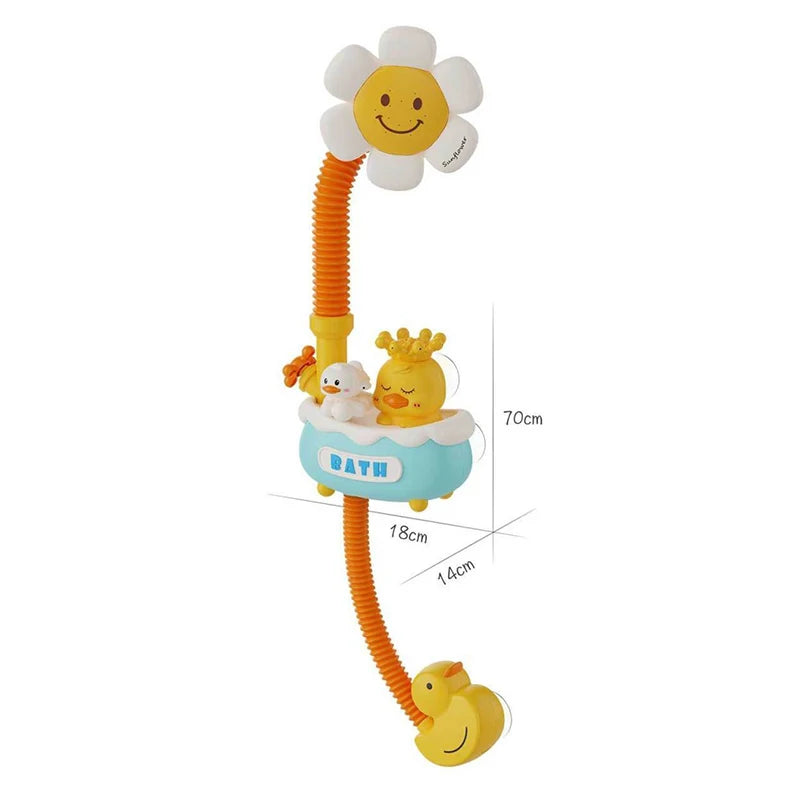
Interactive bath play can make screen-free bath time more engaging and enjoyable.
Why Kids Resist Bath Time and How Play Helps
Children may resist baths for many reasons. Some dislike the sensation of water on their face, feel uncomfortable getting in or out of the tub, or become anxious about shampoo. Others simply find bath time boring or object to stopping a favorite activity. A change in routine can also trigger resistance, especially when a child is tired.
Play can help because it gives children something positive to focus on while making the routine feel more predictable and enjoyable. Instead of viewing the bath as something being done to them, children can become active participants by choosing a toy, pouring water, creating a story, or deciding which simple game to play.
- Reduces boredom: Hands-on activities give children a reason to stay engaged.
- Builds positive associations: Fun bath ideas for toddlers can help replace resistance with anticipation.
- Supports development: Pouring, squeezing, scooping, and sorting encourage fine-motor practice and early problem-solving.
- Encourages communication: Storytelling and pretend play create natural opportunities to build vocabulary and social skills.
- Gives children appropriate control: Small choices, such as selecting a toy or activity, can increase cooperation.
The goal is not to fill every minute with entertainment. A better approach is to offer one or two engaging bath time activities for kids, then allow your child to explore at their own pace. This keeps play enjoyable rather than turning bath time into another structured lesson.
Age-Based Bath Time Activities That Keep Kids Engaged
The best bath activities depend on your child's age, attention span, and developmental stage. Toddlers often prefer repetitive sensory play, preschoolers enjoy imagination and simple challenges, while older children may stay interested longer when they have a goal to complete.
Fun Bath Ideas for Toddlers Ages 1 to 3
For toddlers, keep activities simple and hands-on. They are often happiest when they can repeat the same action and see an immediate result.
- Pouring station: Give your child two or three cups and let them transfer water between containers.
- Floating and sinking: Use suitable bath objects and ask which ones will float before testing them.
- Wash-the-toy game: Let your toddler pretend to wash waterproof bath toys with a small cloth.
- Color hunt: Ask your child to find a toy of a particular color in the tub.
- Simple water sounds: Let children gently tap or pour water while you imitate the sounds they make.
These sensory bath activities for kids work well because they involve touch, movement, and repetition. They can also support early concepts such as cause and effect, size, color, and volume.
Creative Bath Activities for Preschoolers
Preschoolers can handle more imaginative and creative activities. Try turning the bath into a pretend environment or giving them a small challenge to complete.
- Create an underwater adventure with floating animals.
- Use bath-safe colors to make patterns on the tub walls.
- Build a pretend car wash for waterproof toys.
- Ask your child to invent a story about the characters in the bath.
- Play “find the treasure” by hiding an appropriate floating object in plain sight.
These activities encourage storytelling, pretend play, problem-solving, and language development while keeping the experience relaxed.
Simple Games for Older Kids
Older children may enjoy games that involve rules, memory, or friendly challenges. You can adapt these bath time activities for kids to match their interests.
- Five-question story: Take turns adding one sentence to a silly story.
- Guess the object: Describe a bath-safe item without naming it and let your child guess.
- Memory challenge: Place a few floating toys in the tub, ask your child to close their eyes, and remove one. Can they identify what changed?
- Alphabet game: Choose a category, such as animals, and take turns naming items beginning with different letters.
Screen-Free Bath Time Activities Kids Actually Enjoy
The easiest way to entertain a toddler in bath time is to choose activities that require little preparation and let children actively participate. You do not need an elaborate setup. A few cups, a washable cloth, and a couple of suitable bath toys can provide plenty of opportunities for play.
Bath Storytelling and Imagination Games
Turn the tub into the setting for a simple story. A floating animal can become the main character, while cups become boats, houses, or treasure chests.
Try prompts such as:
- “Where is the duck going today?”
- “Can you help the boat cross the ocean?”
- “What should happen next?”
- “Who lives under the water?”
For a calmer bath, let your child tell the story while you listen. For a more energetic mood, take turns adding unexpected characters or events.
Color, Pouring, and Sensory Play Ideas
Water itself can become the activity. Offer cups for pouring, containers for scooping, and appropriate floating objects for sorting. You can ask your child to fill a cup halfway, compare which container holds more, or create a pretend recipe using water and bath-safe accessories.
For a low-energy evening, focus on slow pouring and gentle sensory exploration. When your child has more energy, introduce a simple challenge, such as moving water from one container to another without spilling.
Simple Bath Time Challenges and Games
Bath time games without screens work best when the rules are easy to understand and the child can succeed quickly. Try these no-prep options:
- Pouring challenge: How many cups does it take to fill a larger container?
- Color search: Find three objects that are the same color.
- Floating race: Gently move floating toys from one side of the tub to the other by blowing on them, when age-appropriate and supervised.
- Clean-up challenge: Can your child place each bath toy into its storage container before the water drains?
- Make-a-sound: Explore how gently pouring or tapping water creates different sounds.
Keep the activity flexible. If your child becomes tired, switch to quiet storytelling. If they are restless, choose a more active pouring or sorting game. This simple adjustment can make screen free bath time activities feel natural rather than forced.
DIY Bath Toys and Games You Can Make at Home
DIY bath toys and games can turn everyday household materials into creative play tools. Homemade activities also give children opportunities to experiment with colors, textures, and cause and effect. The key is to use materials that are appropriate for the intended surface and supervise children throughout play.
How to Make Homemade Bath Paint
Homemade bath paint can be a fun creative activity when prepared with child-appropriate ingredients and used on a surface that can be cleaned easily.
- Mix 2 tablespoons of cornstarch with a small amount of warm water.
- Stir gradually until you have a smooth, paint-like consistency.
- Add a small amount of food coloring to create the desired shade.
- Divide the mixture into separate cups if you want multiple colors.
- Let children use their fingers or suitable washable tools to create simple pictures.
- Rinse the area thoroughly after play and clean any residue from the tub.
Always test homemade mixtures on a small, inconspicuous area first, particularly on porous or delicate surfaces. Avoid using ingredients that may irritate your child's skin, and stop immediately if irritation occurs. Children should not be allowed to taste or ingest bath paint.
Easy DIY Floating Toys and Water Games
You can create simple water games with clean, waterproof household items that are safe for your child's age. Try using plastic cups for pouring races, large waterproof containers for scooping, or suitable floating objects for sorting games.
For example, place several floating objects in the water and ask your child to group them by size or color. You can also make a simple “rescue mission” where your child moves floating toys from one side of the tub to another using a cup.
Safe Materials for Homemade Bath Activities
Choose materials that are non-toxic, easy to clean, and appropriate for your child's developmental stage. Avoid small pieces that could present a choking hazard, sharp edges, materials that can splinter, or anything that can trap water and become difficult to clean.
Supervision remains essential during all bath activities. Never leave a child unattended in or near water, even for a moment, and keep activities within your reach so you can maintain active supervision.
Best Bath Toys for Toddlers and How to Choose Them
The best bath toys for toddlers are not necessarily the most complicated. Look for toys that encourage active participation, are easy to clean, and suit your child's age and developmental abilities. A small selection of well-chosen toys can provide more meaningful play than a tub overflowing with options.
Interactive Toys That Encourage Learning
Choose toys that invite children to perform an action and observe what happens next. Pouring cups, floating animals, scoops, and simple water wheels can encourage cause-and-effect learning.
- Pouring cups: Support hand-eye coordination and control.
- Floating animals: Encourage pretend play and language development.
- Water scoops: Introduce concepts such as volume and transfer.
- Simple water wheels: Demonstrate how moving water can create motion.
For additional play and learning ideas, collections such as Baby Bath Accessories and Sensory Toys can provide inspiration for hands-on activities.
Sensory-Friendly Bath Toys
Some children prefer predictable, gentle sensory experiences. For these children, choose toys with simple textures and quiet operation rather than toys with flashing lights or loud sounds.
Consider how your child responds to different sensations. If they dislike splashing, begin with gentle pouring. If they become overwhelmed by too many choices, offer one familiar toy at a time. The right bath toy should support engagement without adding unnecessary stimulation.
How to Keep Bath Toys Clean and Safe
Bath toys need regular cleaning because warm, damp environments can encourage buildup. After each bath, rinse toys with clean water and allow them to dry completely. Store them somewhere with good airflow rather than leaving them submerged.
Inspect toys regularly for cracks, damage, or areas that cannot be cleaned effectively. Pay particular attention to toys with small openings that can trap water. Replace damaged or persistently dirty toys, and follow the manufacturer's cleaning instructions when available.
Age-appropriate water toys for 2 year olds should always be large enough to reduce choking risks and free from loose parts that a child could remove. Always follow the age guidance provided with a toy and supervise play closely.
How to Build a Consistent Fun Bath Routine
A successful bath routine does not require a new activity every night. In fact, predictability can make bath time easier for children who resist transitions. A familiar sequence helps your child understand what is coming next while leaving room for playful choices.
Create Predictable Bath Time Steps
Try following the same basic sequence each evening:
- Give a transition warning: Tell your child that bath time is coming a few minutes before you begin.
- Let them choose: Offer two appropriate activity or toy choices.
- Start with free exploration: Allow a few minutes of child-led play.
- Introduce one main activity: Choose a game, story, or sensory activity.
- Wash and rinse: Keep the hygiene portion clear and predictable.
- Finish with the same cue: Use a familiar phrase or routine to signal that bath time is ending.
Use Transition Activities Before and After Bath
Transitions can be difficult when children are deeply involved in play. Instead of suddenly stopping one activity, give advance notice and create a bridge to bath time.
For example, say, “After this last block, we'll choose your bath toy.” After the bath, move directly into a predictable activity such as drying off, putting on pajamas, reading a short book, or preparing for bed.
This approach can help children understand what happens before and after the bath, making the routine feel more manageable.
Handle Bath Time Resistance Calmly
If your child refuses the bath, avoid turning the activity into a power struggle whenever possible. Acknowledge the feeling, offer limited choices, and keep your expectations clear.
You might say, “I know you don't want to stop playing. Would you like the pouring cups or the floating animals in the bath?” The child still needs to complete the routine, but the choice gives them an appropriate sense of control.
If resistance continues, consider whether the problem is sensory discomfort, tiredness, fear, temperature, or a recent change in routine. Addressing the underlying issue is often more effective than simply adding more entertainment.
For more ideas related to Baby Growth & Learning , explore age-appropriate ways to support play and development during everyday routines.
Start with one hands-on activity, give your child a small choice, and keep the routine predictable. You do not need screens or a large collection of toys to create meaningful bath-time play.
Bath Time FAQs
How long should screen-free bath play last?
There is no single ideal length for screen-free bath play. Many toddlers can stay engaged with an activity for around 10–15 minutes, but attention varies by age, mood, and activity. Keep the play flexible and prioritize washing, supervision, and your child's comfort rather than trying to fill a specific amount of time.
Is homemade bath paint safe for kids?
Homemade bath paint can be suitable when made with child-appropriate ingredients, used as directed, and supervised closely. Test the mixture on the intended surface first, avoid ingredients that may irritate your child's skin, prevent children from eating the paint, and rinse the area thoroughly after use. Never leave a child unattended during bath play.
What if my child still resists bath time?
Look for the reason behind the resistance. Your child may be tired, worried about water on their face, uncomfortable with the temperature, or upset about transitioning away from another activity. Offer limited choices, give advance warnings, keep the routine predictable, and introduce one enjoyable activity at a time. If fear or distress is persistent, consider discussing it with your child's healthcare professional.
What are the best bath activities for toddlers?
The best bath activities for toddlers are simple, hands-on, and easy to repeat. Pouring water between cups, floating and sorting toys, washing waterproof toys, making simple stories, and exploring colors can all keep toddlers engaged. Choose activities that match your child's abilities and always maintain close supervision around water.
How can I make bath time fun without buying toys?
You can make bath time fun with everyday activities such as pouring water between containers, telling stories, playing guessing games, sorting suitable floating objects, or creating simple bath-safe art. Even a conversation about what your child sees and feels can become a screen-free activity. Focus on interaction and imagination rather than buying more products.
Related Guide: How to Make Bath Fun for Kids Step by Step





