

How to Use Wipe Warmer Smarter: Reviews of Models That Actually Help
⏱ 7 min read
Does a wipe warmer really make diaper changes easier?
Yes. When used correctly, a wipe warmer can make diaper changes more comfortable by reducing the shock of cold wipes, especially during nighttime changes or in cooler rooms. Learning how to use wipe warmer properly means maintaining the right moisture level, cleaning the unit regularly to reduce bacteria and mold risks, and selecting a model that fits your daily routine rather than simply choosing the most popular option.
Wondering how to use wipe warmer safely and effectively? Whether you're a first-time parent or looking for a smoother nighttime routine, understanding proper setup, maintenance, and moisture control can make a noticeable difference. This guide explains when a wipe warmer is worth using, how to keep wipes fresh, and the simple habits that help babies stay calmer during diaper changes.
Why warm wipes help (and when they don't)
Cold baby wipes can surprise infants, particularly newborns who are sensitive to sudden temperature changes. A wipe warmer gently raises the wipe temperature above room temperature, helping some babies remain relaxed throughout diaper changes. While a wipe warmer isn't medically necessary, many parents find it improves comfort during nighttime changes and in colder climates. It should be viewed as a convenience product rather than a hygiene device.
When a wipe warmer is a good idea
- Your baby consistently startles, cries, or stiffens when cold wipes touch their skin.
- You live in a cooler climate or your nursery stays relatively cold during winter.
- You want quieter nighttime diaper changes with less disruption to your baby's sleep.
- You change diapers frequently overnight and value a more predictable routine.
When to skip it
- Your pediatrician or NICU care team recommends avoiding one because of your baby's specific medical needs.
- You are unlikely to clean and maintain the warmer regularly, since warm, damp environments require routine sanitation.
- Your baby is comfortable with room-temperature wipes and diaper changes are already quick and stress-free.
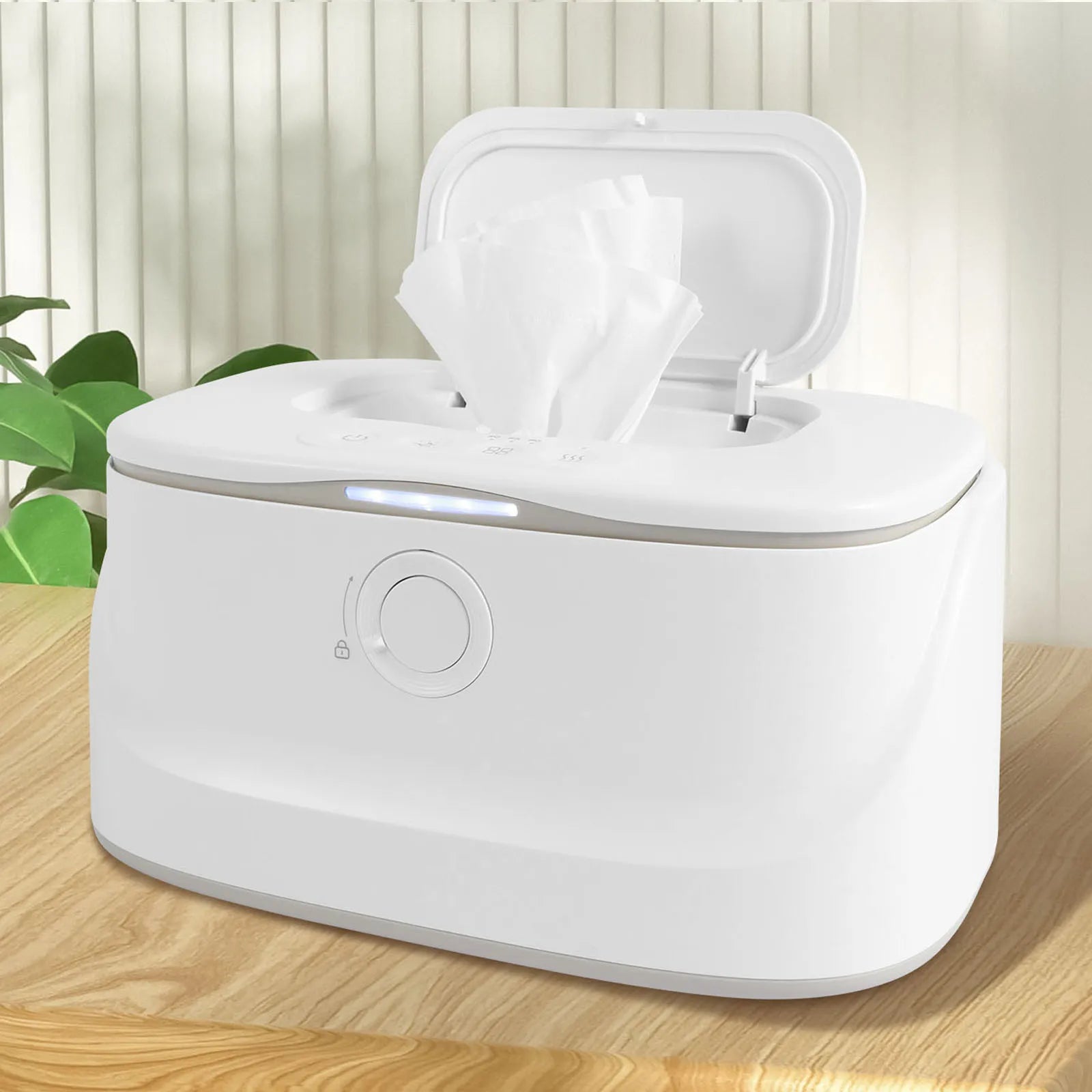
how to use wipe warmer + wipe warmers safe — See it in action
How to use wipe warmer — step-by-step
Direct answer: To use a wipe warmer safely, place it on a stable surface, load compatible baby wipes, keep the temperature at the manufacturer's recommended setting, maintain moisture if your model requires it, and clean the unit regularly. The goal is to keep wipes comfortably warm—not hot—while preventing them from drying out or developing mold.
- Read the manufacturer's instructions. Every wipe warmer uses a slightly different heating method, such as top-heating, bottom-heating, or a moisture-reservoir design. Following the recommended setup helps ensure even warming and safe operation.
- Choose compatible baby wipes. Thick, alcohol-free wipes generally retain moisture better during warming. Extremely thin wipes or formulas containing high amounts of alcohol may dry out more quickly.
- Load the wipes correctly. Avoid compressing an oversized refill into the warmer. Leaving adequate space allows air circulation and helps the heating element warm wipes more evenly.
- Set a gentle temperature. Most wipe warmers are designed to keep wipes slightly above room temperature. They should feel comfortably warm to the touch, never hot enough to irritate sensitive newborn skin.
- Maintain moisture when required. If your warmer includes a moisture pad or recommends adding a small amount of water, follow those directions carefully. Excess water can encourage bacterial growth, while too little may leave the top wipes dry.
- Refill before the stack becomes completely empty. Adding a fresh pack while a few wipes remain often helps maintain consistent moisture throughout the container.
- Use good daily habits. Close the lid immediately after removing a wipe, keep the warmer away from direct sunlight or heaters, and unplug it whenever you will not be using it for an extended period or transporting it.
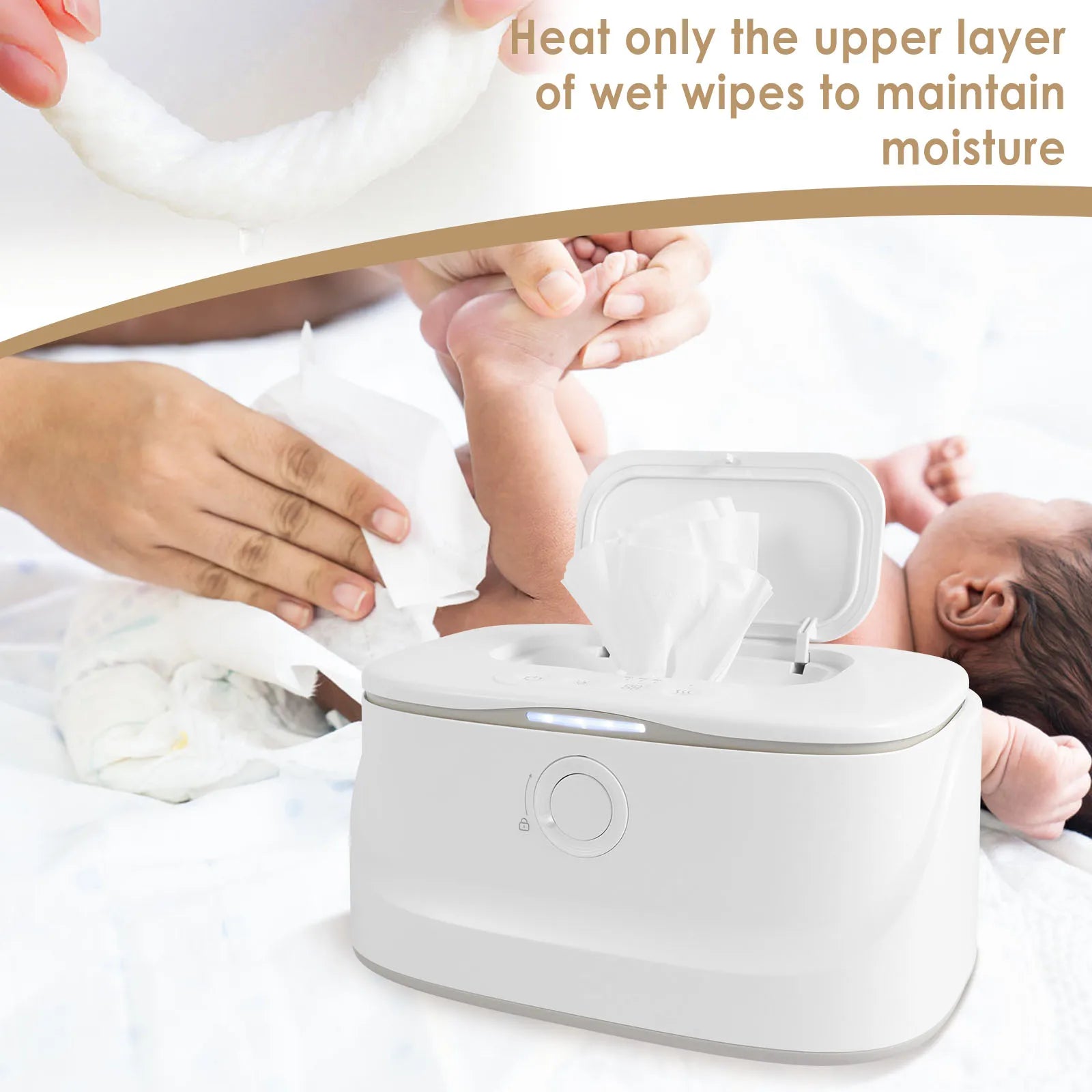
wipe warmers safe + portable wipe warmer — See it in action
Keep it safe: cleaning & bacteria prevention
A wipe warmer stays safe only when it is cleaned consistently. Because the interior is warm and humid, leftover moisture and wipe residue can encourage mold, mildew, or bacterial growth if the unit is neglected. Following the manufacturer's cleaning instructions, using compatible wipes, and allowing removable parts to dry completely before reassembly are the best ways to maintain a hygienic warmer.
Practical cleaning schedule
- Daily: Wipe the lid, handle, and exterior with a soft, damp cloth. Remove any visible residue around the opening where wipes are dispensed.
- Weekly: Empty the warmer completely, clean all interior surfaces, and allow the unit to air dry before adding fresh wipes.
- Monthly: Remove any detachable components, inspect moisture pads if your model uses them, and deep-clean according to the manufacturer's care instructions.
Sanitation tips that actually help
- Choose alcohol-free baby wipes that are designed to retain moisture during storage.
- Use only one brand or type of wipe at a time to help maintain consistent moisture and dispensing performance.
- Discard any wipes that develop an unusual odor, discoloration, or excessive dryness, then clean the warmer thoroughly before refilling.
- Do not overfill the warmer, as compressed wipe stacks can trap excess moisture and reduce airflow.
- If you will not be using the warmer for several days, empty it, unplug it, and store it clean and completely dry.
Nighttime diaper changes: simple routines that calm baby
The most successful nighttime diaper changes are quick, predictable, and as calming as possible. A consistent routine helps reduce stimulation so your baby can settle back to sleep more easily after the change.
- Use a dim, warm-colored nightlight instead of bright overhead lighting. If your wipe warmer includes a soft built-in light, it can provide enough visibility without fully waking your baby.
- Prepare everything before lifting your baby onto the changing surface, including a clean diaper, warmed wipes, diaper cream, and a change pad.
- Keep movements gentle and avoid unnecessary talking or play during overnight changes.
- Close the wipe warmer lid immediately after removing a wipe to help maintain temperature and moisture for the next diaper change.
- Follow the same simple routine each time: remove the diaper, clean with warmed wipes, apply cream if needed, fasten the fresh diaper, and soothe your baby back to sleep.
Recommended product link: USB Baby Wipe Warmer with LED Light — designed for convenient home and travel use with gentle heating, a compact footprint, and an integrated LED light for nighttime diaper changes.
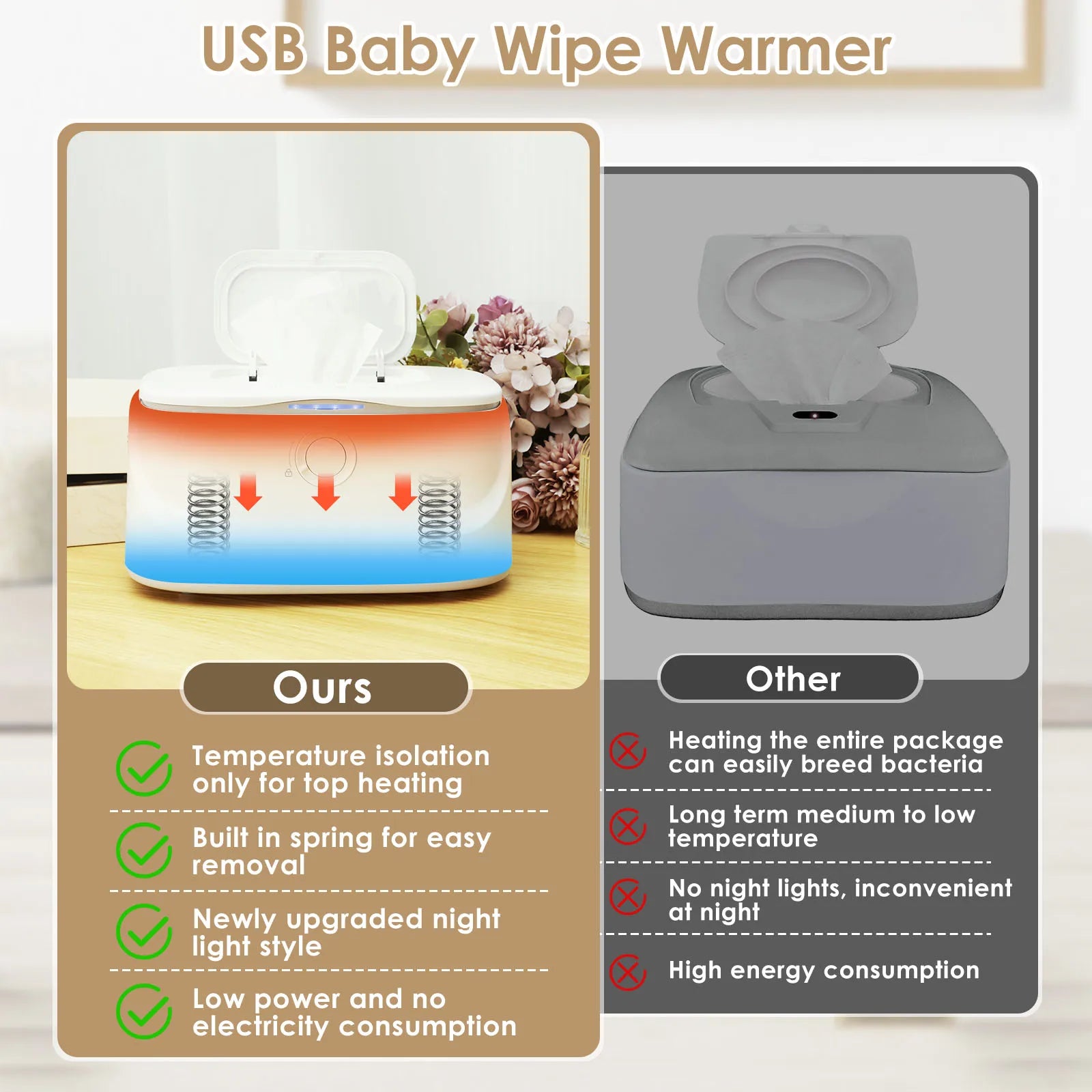
portable wipe warmer + nighttime diaper changes — See it in action
Frequently Asked Questions
-
Do you leave a wipe warmer on all the time?
Many models are designed to remain plugged in between diaper changes to maintain a consistent temperature. However, always follow the manufacturer's instructions. If you'll be away for an extended period or won't use the warmer for several days, unplug it, empty it if recommended, and clean it before storing.
-
Can wipe warmers dry out wipes?
Yes. Wipes may dry out if the warmer is overfilled, left without adequate moisture, or used with incompatible wipes. Models that include a moisture pad or reservoir help reduce drying, but regular maintenance is still important.
-
Are wipe warmers safe for newborns?
Yes, when used correctly. Keep the temperature at the manufacturer's recommended setting, use alcohol-free baby wipes, clean the warmer regularly, and inspect wipes before use. If your newborn has extremely sensitive skin or specific medical needs, consult your pediatrician first.
-
How long do wipes stay warm?
Once the warmer reaches operating temperature, wipes generally remain comfortably warm as long as the unit stays powered and adequately stocked. After opening the lid, the top wipe may cool slightly but typically warms again within a short time.
-
Can you use any baby wipes in a wipe warmer?
Most disposable baby wipes are compatible, but thicker, alcohol-free wipes usually perform best. Always check the warmer's instructions because some brands or extra-thick wipes may exceed the recommended capacity.
-
How often should you clean a wipe warmer?
Wipe the exterior regularly, clean the interior about once a week, and deep-clean removable components according to the manufacturer's recommendations. Frequent cleaning helps prevent mold, bacteria, and unpleasant odors.
-
Why do wipe warmers grow mold?
Warm, damp environments encourage mold if the unit is not cleaned routinely or if excess moisture accumulates. Emptying the warmer during cleaning, allowing it to dry completely, and replacing moisture pads when needed greatly reduces the risk.
-
Do wipe warmers use a lot of electricity?
No. Most baby wipe warmers use a small heating element that consumes relatively little electricity, making operating costs comparable to many other low-power nursery appliances.
-
Should you add water to a wipe warmer?
Only if your specific model recommends it. Some wipe warmers use a moisture pad or water reservoir to keep wipes from drying out, while others are designed to operate without additional water. Always follow the product instructions.
-
What temperature should baby wipes be?
Baby wipes should feel gently warm rather than hot. The goal is to reduce the shock of cold wipes while keeping them comfortable and safe for delicate newborn skin.
Helpful internal resources: Baby Care Essentials · Baby Hygiene Gadgets · Temperature Tools
Bottom line: Learning how to use a wipe warmer correctly comes down to four simple habits: keep wipes properly moisturized, maintain a gentle temperature, clean the unit on a regular schedule, and choose wipes that are compatible with your warmer. Used this way, a wipe warmer can make nighttime diaper changes calmer, reduce fuss caused by cold wipes, and add a little extra comfort for both babies and caregivers.
Pillar Article: Best Wipes for Wipe Warmer Reviewed for Softer, Happier Changes
Other Related Articles:
- Cold Baby Wipes at Night? Reviewed Warmers That Keep Babies Relaxed
- Wipe Warmer Best Picks Ranked for Speed, Moisture, and Night Comfort
- Newborn Crying During Diaper Change? Best Warm Wipe Options Tested
- Night Time Diaper Change Basics: Top Warmers Compared for Calm Nights
Explore More:





