

Newborn Crying During Diaper Change: Why It Happens and How Warm Wipes May Help
⏱ 7 min read
Does warming wipes calm a newborn who cries during diaper change?
Yes. Newborn crying during diaper change is commonly triggered by the sudden sensation of a cold wipe or cool air on sensitive skin. Warming baby wipes to a comfortable temperature can reduce the startle response, help babies settle more quickly, and make diaper changes feel less stressful for both parents and infants. While warm wipes are not a cure for every cause of crying, they can be an effective comfort measure when temperature shock is the main trigger.
If your newborn cries during nearly every diaper change, understanding why they react is just as important as choosing the right products. In this guide, you'll learn the most common reasons babies become upset during diaper changes, when warm wipes can help, what features matter in a wipe warmer, and how to use one safely to create a calmer, more predictable routine.
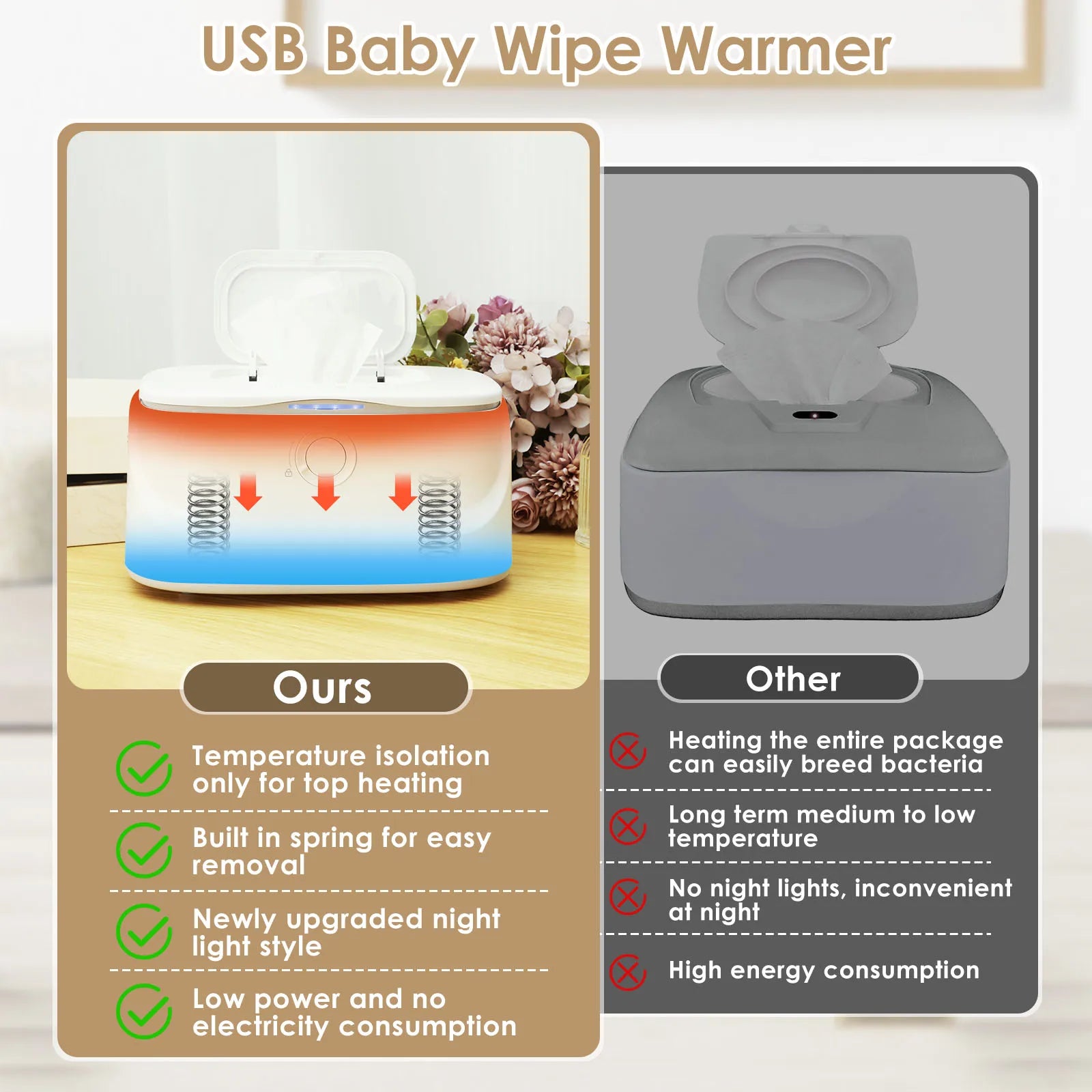
Newborn crying during diaper change is often linked to cold-triggered discomfort. Warm wipes may help make changes calmer and more comfortable.
Why babies cry during diaper change
Many parents wonder, " Why does my newborn cry during diaper changes? " In most cases, crying is a normal response to unfamiliar sensations rather than a sign that something is wrong. Newborns have sensitive skin, immature nervous systems, and strong reflexes that make routine diaper changes feel surprisingly intense.
- Cold exposure and temperature changes: A cool wipe or sudden exposure to room air can create an immediate temperature shock that causes a baby to flinch and cry.
- Startle reflex: The Moro reflex is especially active during the first few months of life. Being laid flat or having their legs lifted can briefly trigger this natural response.
- Discomfort from positioning: Some newborns dislike having their hips and legs moved, particularly if they are sleepy or already fussy.
- Hunger, tiredness, or overstimulation: Diaper changes often happen around feeding or bedtime, when babies are already more likely to cry.
- Skin sensitivity: Fragranced wipes, existing diaper rash, or sensitive skin may make cleaning uncomfortable and increase fussiness.
If your baby settles quickly once they're dressed and comforted, diaper-change crying is usually temporary and improves as they grow. Persistent crying that seems linked to pain, swelling, or a severe rash deserves evaluation by your pediatrician.
Should you warm baby wipes?
For babies whose crying is mainly triggered by cold wipes, warming them can make a noticeable difference. A wipe warmer maintains wipes at a skin-comfortable temperature, helping reduce the sudden chill that often causes newborns to tense up or cry.
Warm wipes are especially helpful during overnight diaper changes, in cooler rooms, or for newborns who are easily startled. They are not essential for every family, but many parents find that combining warm wipes with a calm, predictable diaper-changing routine leads to shorter, less stressful changes.
What to look for in a wipe warmer (safety, temperature, capacity)
- Consistent gentle warmth: Choose a warmer that maintains wipes around 95–105°F (35–40°C) without creating hot spots.
- Even heating: Quality warmers distribute heat evenly so wipes remain comfortably warm instead of drying around the edges.
- Capacity and easy refills: Select a size that matches how frequently you change diapers while allowing quick, one-handed access.
- Power source: USB-powered models work well for bedside use and travel, while plug-in models may better suit a nursery with frequent daytime changes.
- Easy maintenance: Features such as removable trays, secure lids, and simple cleaning help keep wipes moist and the warmer hygienic over time.
How to use a wipe warmer safely
Using a wipe warmer correctly is just as important as choosing one. The goal is to keep wipes comfortably warm—not hot—while preventing them from drying out or becoming contaminated. Following a few simple habits helps ensure every diaper change is both safe and soothing.
Choosing a safe temperature
- Place the warmer on a stable, dry surface away from your baby's reach and follow the manufacturer's setup instructions.
- Before every diaper change, remove one wipe and test it on the inside of your wrist. It should feel pleasantly warm without causing discomfort.
- If the wipe feels hot, unplug the warmer and allow it to cool before using it again.
- Keep diaper changes efficient to reduce your baby's exposure to cool air while maintaining a calm routine.
Preventing wipes from drying out
- Close the lid securely after each use to help retain moisture.
- Refill wipes before the stack becomes too low, as partially filled warmers are more likely to dry the remaining wipes.
- If permitted by the manufacturer, add the recommended amount of water to maintain humidity inside the warmer.
- Avoid leaving wipes in the warmer for extended periods if they begin to lose moisture or freshness.
Cleaning and maintenance
- Clean removable trays and interior surfaces regularly according to the manufacturer's instructions.
- Disconnect the warmer before cleaning and allow it to cool completely.
- Check the power cord periodically for signs of wear or damage.
- Replace wipes frequently and discard any that appear dry, discolored, or contaminated.
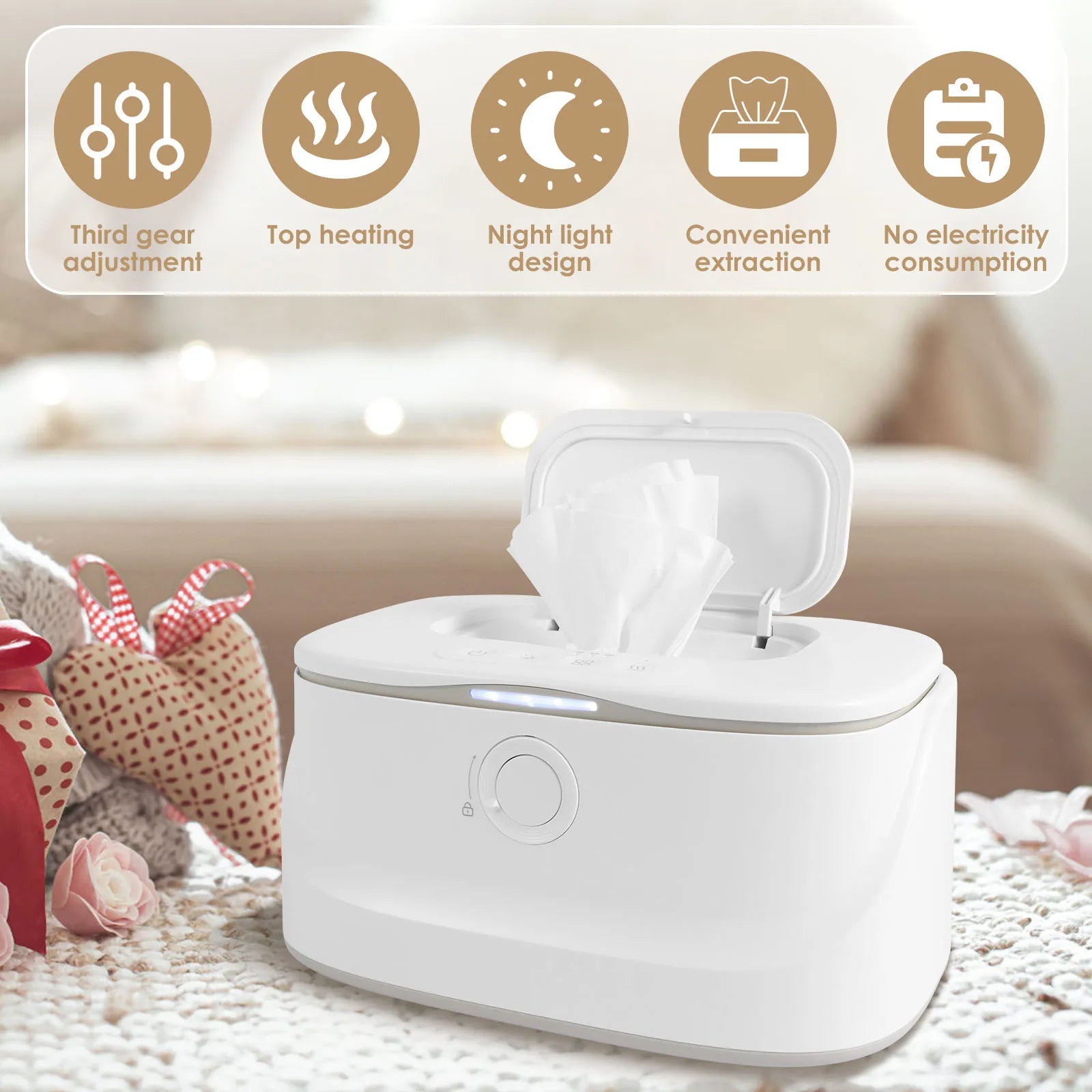
Using a wipe warmer correctly helps reduce cold-triggered fussiness while keeping diaper changes safe and comfortable.
When a wipe warmer is most helpful
Not every family needs a wipe warmer, but it can make a noticeable difference in certain situations. Parents often find warm wipes especially useful when:
- Changing diapers overnight, when babies are sleepy and more sensitive to cold.
- The nursery is cool, particularly during winter or in air-conditioned rooms.
- Your newborn startles easily when clothing is removed or wipes touch the skin.
- You want a portable solution for bedside changes using the USB baby wipe warmer with LED light .
How to stop newborn from crying during diaper change
A consistent diaper-changing routine often helps babies feel more secure. While every newborn is different, reducing sudden temperature changes, limiting stimulation, and moving calmly can make diaper changes much less stressful.
What to do before the diaper change
- Gather supplies first: Have diapers, wipes, clean clothes, and diaper cream within reach so the change is quick.
- Keep the room comfortably warm: Aim for approximately 68–72°F (20–22°C) to reduce cold exposure.
- Warm the wipes: Prepare wipes in advance using a wipe warmer or another safe warming method.
- Choose the right timing: If possible, avoid changing your baby when they are extremely hungry or overtired.
How to keep your newborn calm during the diaper change
- Use gentle movements: Lift your baby's legs slowly and avoid sudden motions that may trigger the startle reflex.
- Speak softly: Your voice can reassure your baby throughout the diaper change.
- Keep exposure brief: Open clothing only when you're ready to clean and replace the diaper.
- Use comfortably warm wipes: Warm wipes may reduce the cold sensation that commonly causes babies to cry.
How to soothe your baby after the diaper change
- Dress your baby promptly to restore warmth and comfort.
- Offer gentle cuddling or skin-to-skin contact if your baby remains upset.
- Resume your usual bedtime or feeding routine to help your newborn settle again, especially during overnight diaper changes.
- For bedside convenience, consider using the USB baby wipe warmer with LED light so warm wipes are always ready.
Safety checklist before using any warmer
Although wipe warmers are simple to use, following basic safety practices helps protect your baby and keeps the device working properly.
- Always test a wipe on the inside of your wrist before using it on your baby's skin.
- Keep electrical devices away from sinks, bathtubs, and other water sources.
- Inspect power cords regularly and discontinue use if you notice damage.
- Clean removable trays according to the manufacturer's instructions to reduce moisture buildup and contamination.
- Keep the warmer out of reach of older children and unplug it when recommended by the manufacturer.
- Replace dried-out wipes rather than attempting to overheat them to restore moisture.
Mistakes that can make diaper changes more stressful
Even small habits can make diaper changes more upsetting for sensitive newborns. Identifying these common mistakes can help reduce crying and create a calmer routine.
Rushing the routine
Moving too quickly or searching for supplies halfway through a diaper change can increase your baby's stress. Prepare everything in advance so you can stay focused on your newborn.
Changing when baby is very hungry
A hungry newborn is naturally less patient and more likely to cry. If the diaper is only lightly wet and there are no medical concerns, consider feeding first when appropriate, then changing the diaper afterward.
Using cold wipes or a cold surface
Cold wipes, chilly changing mats, or cool room temperatures may trigger the startle reflex. Keeping the changing area warm and using comfortably warmed wipes can help minimize this reaction.
Overstimulating your newborn
Bright lights, loud conversations, or excessive handling can overwhelm young babies. A quiet room, dim lighting during nighttime changes, and gentle movements often make diaper changes easier.
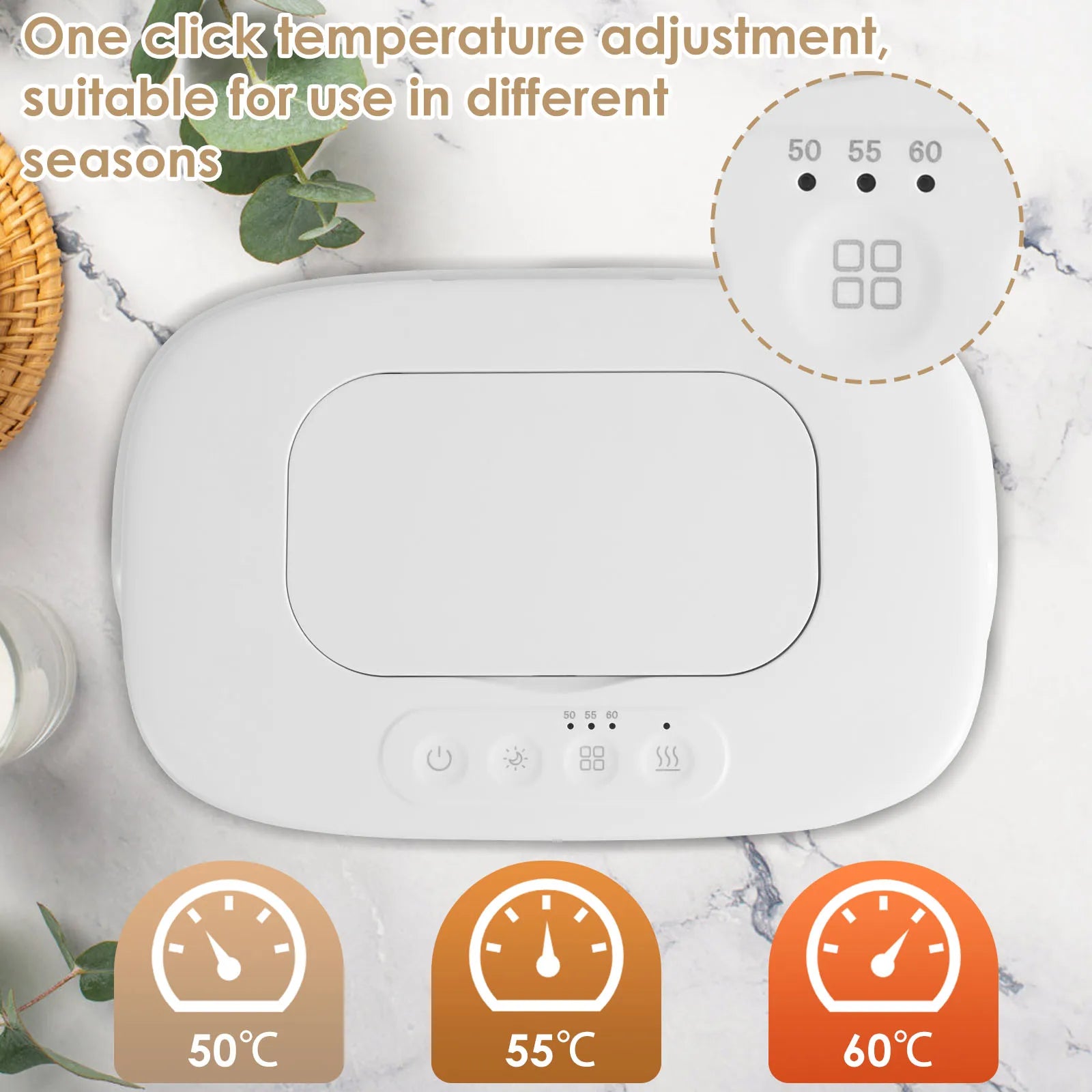
A calm environment, gentle handling, and comfortably warm wipes can help reduce fussiness during diaper changes.
When does a newborn stop crying during diaper changes?
What is normal by age
Many newborns are especially sensitive to diaper changes during the first several weeks of life. Their nervous system is still developing, making them more reactive to cold temperatures, sudden movements, and changes in position.
When babies usually outgrow the phase
As babies grow and become more familiar with daily routines, diaper-change crying often becomes less frequent. Many infants show noticeable improvement between 2 and 4 months of age, although every baby develops at their own pace. Consistent routines, warm wipes, and gentle handling can make the transition easier for both babies and caregivers.
When crying may signal a medical problem
Most newborns cry during diaper changes because of normal developmental sensitivities. However, persistent or unusually intense crying can occasionally point to an underlying medical issue that deserves evaluation.
Diaper rash or infection
If your baby cries only when the diaper area is cleaned or touched, examine the skin for redness, broken skin, blisters, or signs of a yeast infection. Treating the underlying skin irritation often makes diaper changes much more comfortable.
Pain during movement
Crying that occurs every time your baby's legs are lifted or hips are moved may warrant medical advice, particularly if accompanied by swelling, limited movement, or apparent pain.
Persistent inconsolable crying
If your newborn cannot be comforted after the diaper change or cries for prolonged periods regardless of feeding, sleep, or soothing, another cause such as illness, reflux, or discomfort may be contributing.
When to contact your pediatrician
- Crying suddenly becomes much more severe than usual.
- Your baby develops a fever, poor feeding, or unusual sleepiness.
- You notice a severe diaper rash, bleeding, blisters, or signs of infection.
- Your baby appears to be in pain whenever their legs or hips are moved.
- You're concerned that something doesn't seem normal, even after improving your diaper-changing routine.
Frequently asked questions
Why does my newborn cry every time I change their diaper?
Many newborns cry because they dislike sudden temperature changes, being undressed, the startle reflex, or feeling hungry or tired. In most cases, this behavior improves as babies mature and become accustomed to diaper changes.
How can I keep my newborn calm during diaper changes?
Prepare everything before starting, keep the room warm, use gentle movements, speak softly, and keep diaper changes brief. Warm wipes may also help babies who are sensitive to cold.
Do warm baby wipes really help reduce crying?
They can. Warm wipes reduce the sudden cold sensation that commonly triggers crying, especially during nighttime diaper changes or in cooler environments.
Is it safe to warm baby wipes?
Yes, provided the wipes remain comfortably warm rather than hot. Always test the temperature on the inside of your wrist before using them on your baby.
When do newborns usually stop crying during diaper changes?
Many babies become noticeably calmer between 2 and 4 months of age as they adapt to regular routines and their nervous system continues to mature.
Should I change a sleeping newborn's diaper?
If the diaper is only wet and your baby is sleeping comfortably, many parents wait until the next feeding. However, diapers soiled with stool should generally be changed promptly to help prevent skin irritation.
What if my newborn screams only during nighttime diaper changes?
Nighttime crying is often related to cooler temperatures, bright lights, or interrupted sleep. Keeping the room warm, using dim lighting, and preparing warm wipes beforehand can make overnight changes less disruptive.
When should I call a doctor about crying during diaper changes?
Seek medical advice if crying appears to be caused by pain, is accompanied by fever or feeding difficulties, or if you notice severe diaper rash, swelling, or other concerning symptoms.
Final thoughts — soothe more changes by preventing the cold
Newborn crying during diaper change is usually temporary and often improves with a calm routine, gentle handling, and attention to your baby's comfort. For babies who react strongly to cold wipes, keeping wipes comfortably warm may help reduce fussiness and make diaper changes easier for everyone.
If you're looking for a convenient bedside solution, the USB baby wipe warmer with LED light provides an easy way to keep wipes comfortably warm during nighttime diaper changes. You can also explore additional nursery essentials in Sleep & Comfort and Baby Care Essentials .
Quick action checklist:
- Prepare all diaper-changing supplies before you begin.
- Keep the nursery comfortably warm to reduce temperature shock.
- Always test wipe temperature before using warmed wipes.
- Use slow, gentle movements and calm reassurance throughout the diaper change.
- Consider the USB baby wipe warmer with LED light for convenient overnight diaper changes.
Pillar Article: Best Wipes for Wipe Warmer Reviewed for Softer, Happier Changes
Other Related Articles:
- Cold Baby Wipes at Night? Reviewed Warmers That Keep Babies Relaxed
- Wipe Warmer Best Picks Ranked for Speed, Moisture, and Night Comfort
- How to Use Wipe Warmer Smarter: Reviews of Models That Actually Help
- Night Time Diaper Change Basics: Top Warmers Compared for Calm Nights
Explore More:





