

Does an infant bath towel hooded really keep newborns warmer and make drying easier?
An infant bath towel hooded design helps reduce heat loss immediately after bath time by covering both your baby's head and body in a single wrap. A soft, absorbent towel with a properly sized hood keeps delicate skin comfortable, minimizes exposure to cool air, and makes the transition from bath to dressing quicker and less stressful for caregivers.
Infant Bath Towel Hooded Picks Compared for Softness and Fit
⏱ 7 min read
Bath time should end with a warm, comfortable baby—not tears caused by chilly air or a towel that constantly slips away. Finding the right hooded towel means looking beyond appearance to focus on softness, absorbency, sizing, and everyday practicality. This guide explores what makes a quality infant bath towel hooded option so parents can confidently choose one that supports safe, cozy post-bath care.
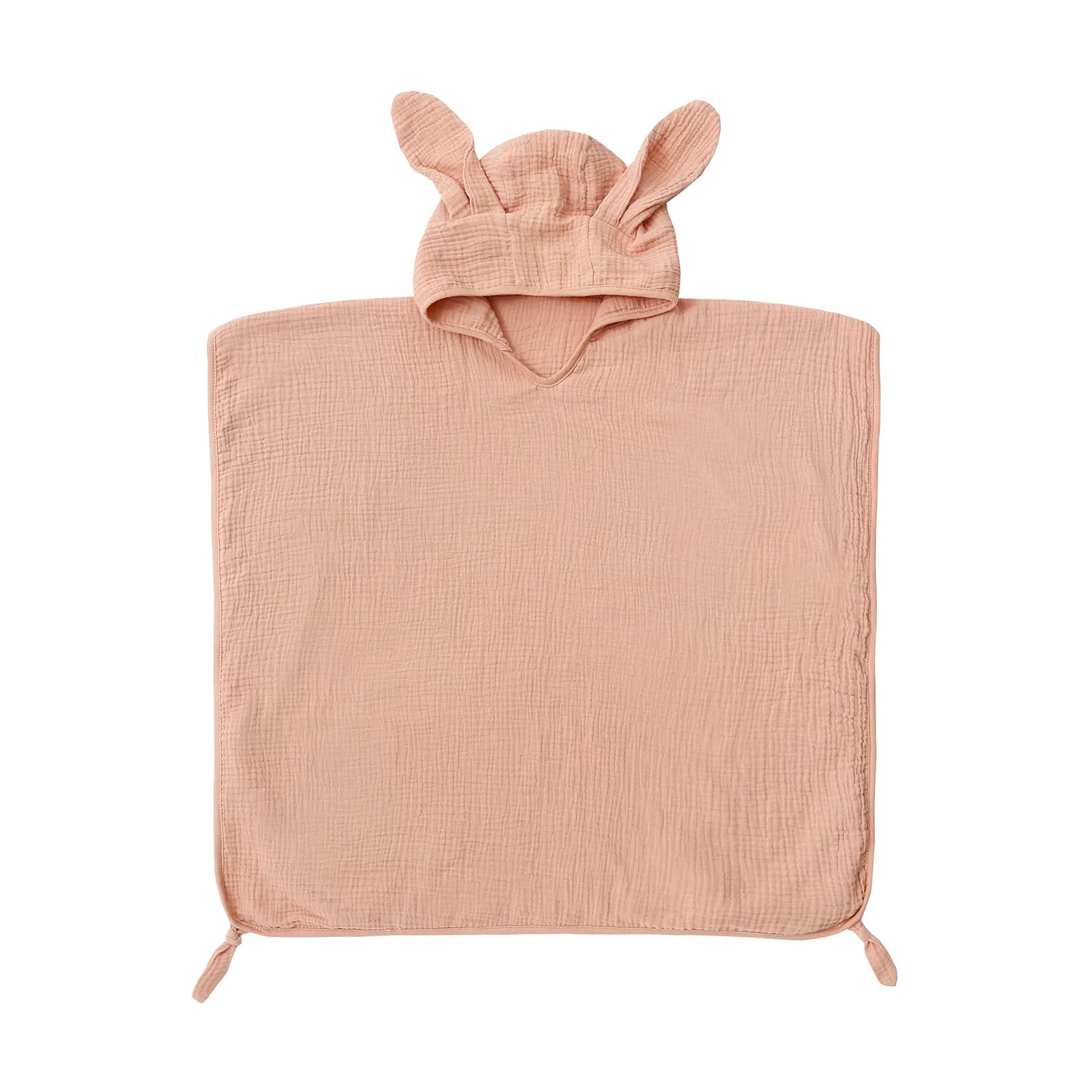
infant bath towel hooded, nan — See it in action
Top towel picks and who they suit
Below are picks grouped by what matters most: ultimate softness, best warmth, and best fit for active newborns. Each pick lists pros and cons to help match needs to a real-life scenario.
Best for extra-soft skin (newborns & sensitive skin)
Why: Ultra-soft muslin or bamboo-cotton blends that stay plush after multiple washes.
- Pros: Breathable, gentle, lightweight.
- Cons: Slightly less absorbent than thick terry cloth.
Best for fast drying & warmth (chill-prone homes)
Why: Dense, high-GSM cotton terry traps heat and wicks water fast.
- Pros: Absorbent, cozy; hoods with extra depth keep head warm.
- Cons: Bulkier when packed and slower to dry between washes.
Best for active babies (fit that stays put)
Why: Shaped poncho-style hooded towels with armholes keep the towel on squirmy infants.
- Pros: Secure fit for wrapping and dressing; less fuss.
- Cons: Less flexible for newborn swaddling.
Side-by-side comparison table
| Feature | Soft Muslin | Thick Cotton Terry | Hooded Poncho |
|---|---|---|---|
| Best for | Newborn & sensitive skin | Warmth & absorbency | Active babies & secure fit |
| Absorbency | Medium | High | Medium-High |
| Drying speed | Fast | Slower | Moderate |
| Fit | Wrap-friendly | Classic towel | Stays on |
| Care | Gentle wash | Machine wash & tumble | Machine wash |
| Typical price | Mid | Low–Mid | Mid |
How to use and care (so towels stay soft and fit)
- Wrap immediately after lifting baby from water — place the hood over the head first to trap heat.
- Pat dry instead of rubbing: gentle pressure removes water while protecting skin.
- Air-dry when possible to preserve softness; machine-dry on low if needed.
- Wash with mild detergent and avoid fabric softeners that reduce absorbency over time.
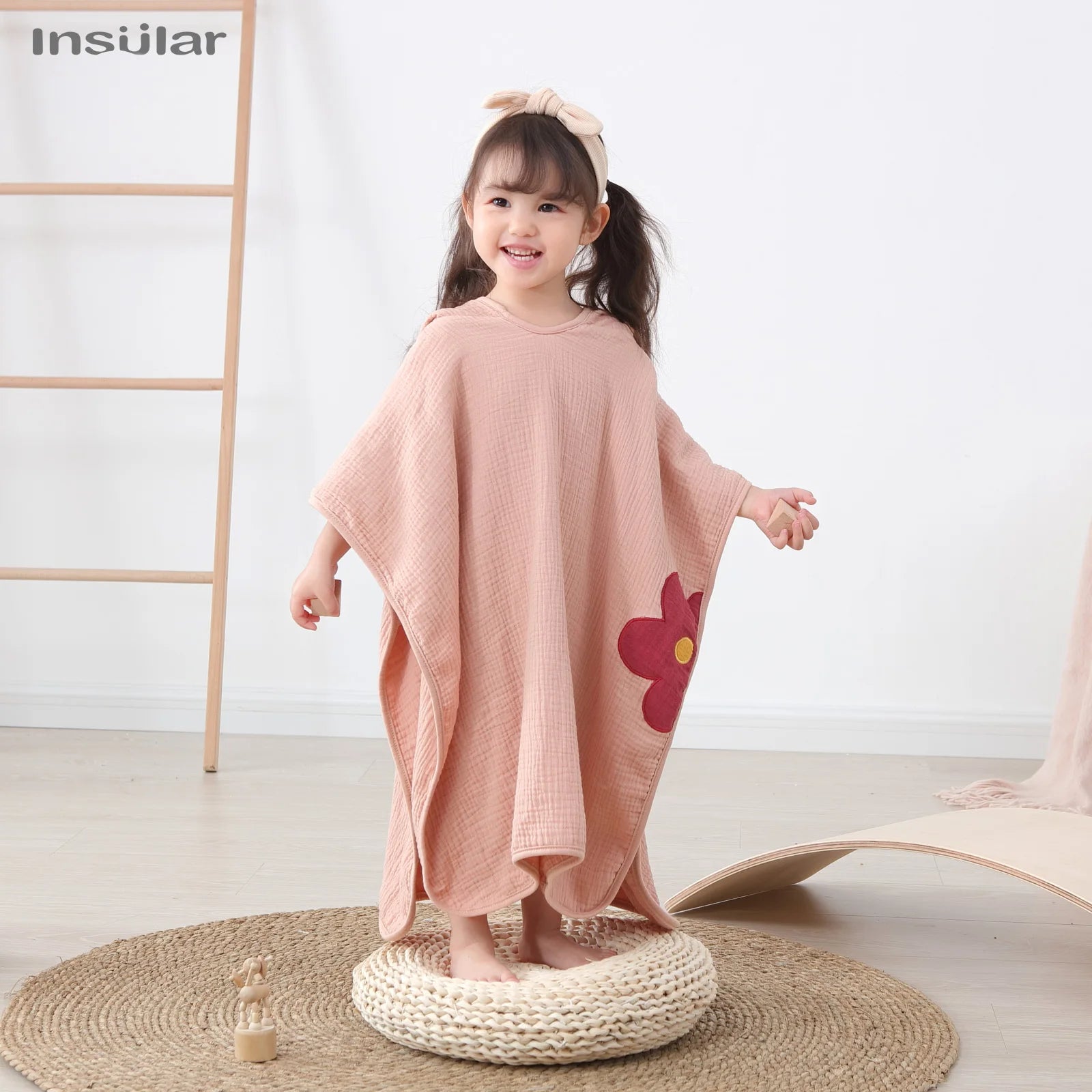
infant bath towel hooded, nan — See it in action
Care tips that keep towels cozy
- Shake towels out before drying to keep pile fluffy.
- Line-dry partway then tumble briefly to boost softness.
- Trim loose threads instead of pulling to protect seams.
For a versatile everyday option, consider the muslin baby hooded poncho towel , which combines lightweight muslin softness with a secure poncho fit for easier wrapping after bath time. Its breathable fabric makes it a practical choice for families who want gentle coverage without adding unnecessary bulk.
Simple tips for a smoother baby bath routine
A hooded infant bath towel works best when it is part of a consistent after-bath routine. Preparing the towel before bath time helps reduce delays after removing your baby from the water and keeps the transition comfortable.
- Warm the towel area first: Keep the towel within reach so your baby can be wrapped immediately after bathing.
- Cover the head first: Place the hood over the head before drying the body to help retain warmth while you gently pat away moisture.
- Use gentle drying motions: Avoid vigorous rubbing, especially around the cheeks, neck folds, and other sensitive areas.
- Keep the towel fresh: Allow it to dry completely between uses to maintain softness and reduce unpleasant odors.
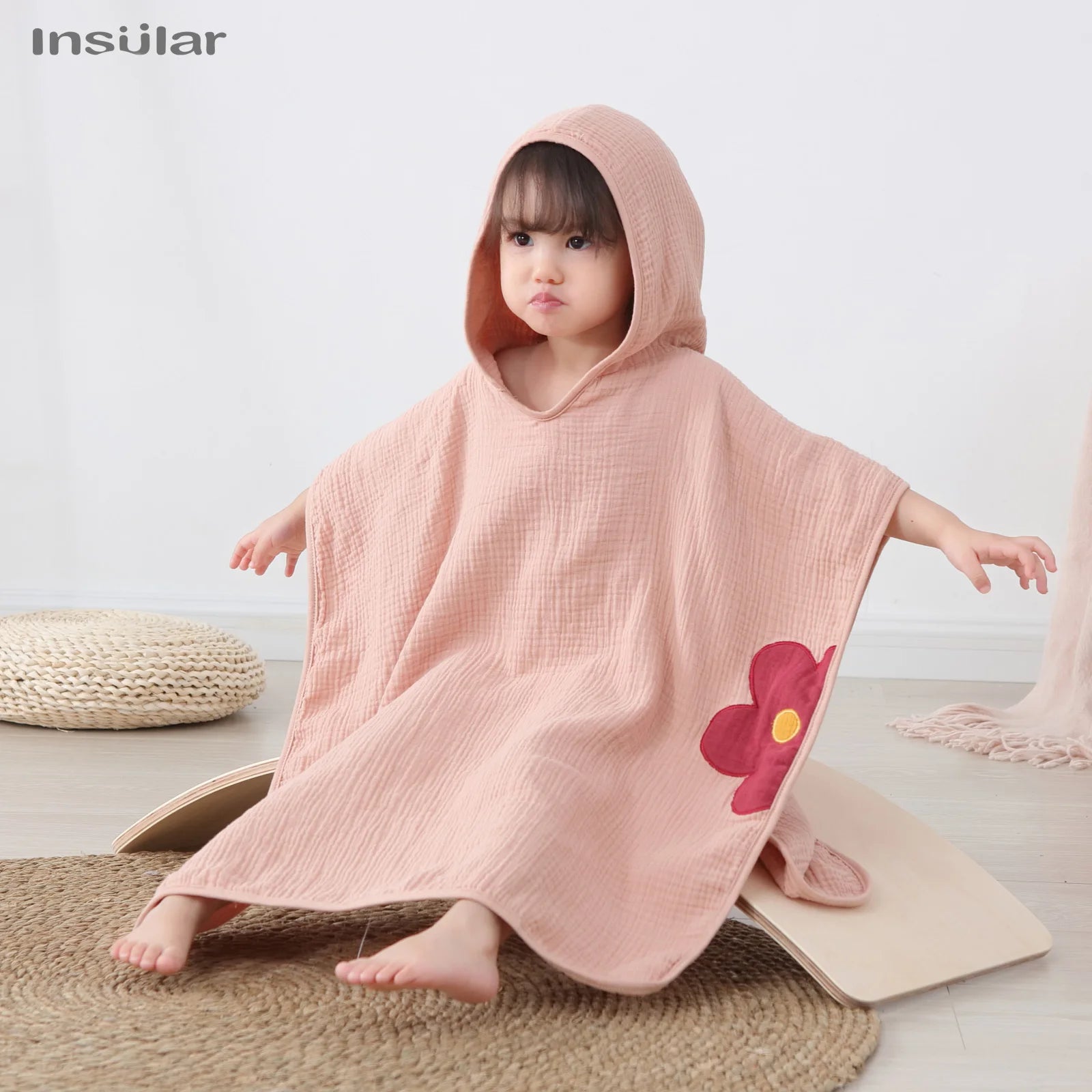
infant bath towel hooded, nan — See it in action
Mini FAQ
What size infant bath towel hooded is best for a newborn?
Most newborns need a smaller hooded towel that wraps securely without excessive fabric. A compact size helps prevent bunching while allowing enough coverage for the head, shoulders, and body.
Is cotton or muslin better for an infant bath towel hooded?
Both materials can work well depending on your routine. Cotton terry is usually more absorbent for frequent baths, while muslin is lightweight, breathable, and often preferred for warmer climates or babies who dislike bulky layers.
How often should a baby hooded towel be washed?
Wash frequency depends on use, but baby towels should be cleaned regularly and fully dried between baths. Following the care label helps preserve softness, absorbency, and fabric durability.
Can a hooded towel be used beyond the newborn stage?
Yes. A well-sized infant bath towel hooded can continue to be useful as babies grow, especially when the hood remains comfortable and the towel provides enough coverage for drying after baths.
FAQ: Are Baby Hooded Towels Suitable for Newborns?
Are baby hooded towels necessary for newborns?
Baby hooded towels are not medically required, but they can make post-bath care easier by helping retain warmth while drying. A hood provides extra coverage around a newborn’s head, while the wrap design allows caregivers to support the baby securely during the transition from bath time to dressing.
Can I use a regular bath towel instead of a baby towel?
A regular bath towel can work in an emergency, but it is often larger, heavier, and less convenient for newborns. A properly sized infant bath towel hooded is designed with smaller bodies in mind, making it easier to wrap without excess fabric that can become bulky or difficult to manage.
What material is safest for a newborn’s hooded towel?
Soft, breathable materials such as 100% cotton muslin, cotton terry, or bamboo-cotton blends are commonly preferred for newborn towels. Look for smooth seams, gentle fabrics, and labels positioned away from areas that touch delicate skin. For babies with sensitive skin, choosing a lightweight and breathable fabric can help improve comfort.
How many hooded towels should I buy before my baby arrives?
Most families find that having two to three hooded towels is practical. This provides a backup while one towel is being washed and dried, especially during the newborn stage when frequent laundry is common.
At what age do babies outgrow hooded towels?
Many babies can use hooded towels well beyond the newborn stage. They are usually outgrown when the towel no longer provides comfortable coverage around the shoulders and body or when the hood becomes too small to sit properly over the head.
How often should baby bath towels be washed?
Baby bath towels should be washed regularly and dried completely between uses. Follow the fabric care instructions, use a mild detergent when possible, and avoid products that leave residue that may reduce absorbency or irritate sensitive skin.
Should hooded towels be used after every bath?
Yes, a clean hooded towel can be used after each bath to gently remove moisture and help keep babies comfortable. Always check that the towel is dry, clean, and free from rough textures before wrapping your baby.
Can hooded towels help prevent babies from getting cold after bathing?
A hooded towel can help reduce heat loss after bathing by covering the head and body quickly, but it should be combined with a comfortable room temperature, a warm bath routine, and appropriate clothing afterward. Following safe baby bath temperature guidance and avoiding overheating are important parts of newborn care.
What is a hooded towel for baby used for?
A hooded towel for baby is designed to dry and wrap infants after bathing while providing extra coverage around the head. The hood helps absorb water from the hair and creates a cozy layer that makes the transition from bath time to dressing more comfortable.
Pillar Article: Dry Quick Towels Review: Top Picks That Actually Stay Soft
Other Related Articles:
- Best Towels for Newborns Reviewed by Real Parents
- Towel Quick Dry Roundup: Which Fabrics Beat Humidity Fastest
- Decorative Bath Towel Sets Reviewed: Styles That Elevate Bathrooms
- Best Bath Towel Size Options Compared for Real Home Comfort
Explore More:





