

Does a simple post-bath routine really keep babies warm without overheating?
Yes — using quick drying, breathable layers and timed dressing prevents chills while avoiding overheating. How to keep baby warm starts with toweling, a warm room (70–74°F), a light layer under a hooded muslin poncho, and short skin checks; these steps lock in comfort and reduce night fussiness.
⏱ 6 min readHow to Keep Baby Warm After Bath Without Overheating
Bath time should leave your baby calm and cozy — not shivering or sweaty. This guide shows simple, science-minded steps to keep your little one warm after a bath without trapping heat, plus easy gear picks and one product that makes post-bath routines faster and gentler. Want an instant trick most parents miss?
How to keep baby warm — quick answer
To keep baby warm without overheating: dry quickly with a soft muslin or terry towel, dress in breathable layers, keep the room comfortably warm (about 70–74°F), and use a hooded muslin poncho or lightweight sleep sack. Check skin temperature at the neck or back — warm and dry is ideal, sweaty or mottled skin is a sign to remove a layer.
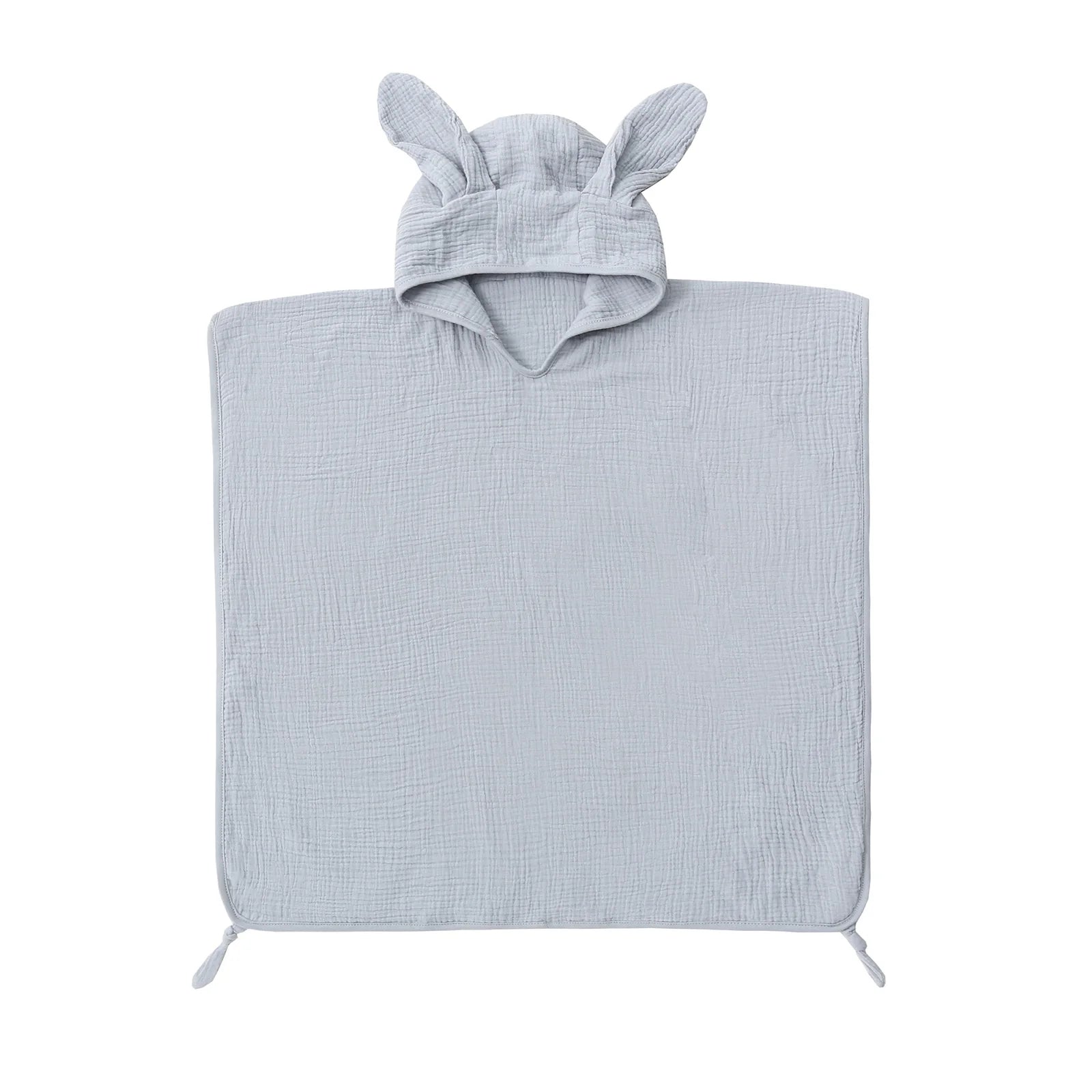
how to keep baby warm + nan tips 💡 See it in action.
Explore gentle, parent-approved items in Baby Growth & Learning.
Prepare the space: small changes, big comfort
First, set the scene. A warm, draft-free room shortens the time your baby spends exposed after the bath.
- Set room thermostat to about 70–74°F (21–23°C).
- Lay a soft towel or change mat near the tub so you can transfer immediately.
- Warm the towel briefly (dryer or heater) if your home runs cold — not hot.
Why room temperature matters
Babies lose heat faster from wet skin. A slightly warmer room reduces shivering and fussing, and makes the transition to sleep easier.
Step-by-step post-bath routine (fast, safe, repeatable)
Below is a practical ordered list you can follow every time — four main steps that take under two minutes when practiced.
- Turn off water and lift baby out carefully; support head and neck.
- Immediate wrap: place baby on a warm towel and gently pat dry (especially head, neck, folds).
- Dress quick: put on a thin base layer, then a hooded muslin poncho or lightweight onesie and sleep sack if needed.
- Check: touch the back of the neck or chest — warm and slightly dry is right. Remove a layer if sweaty.
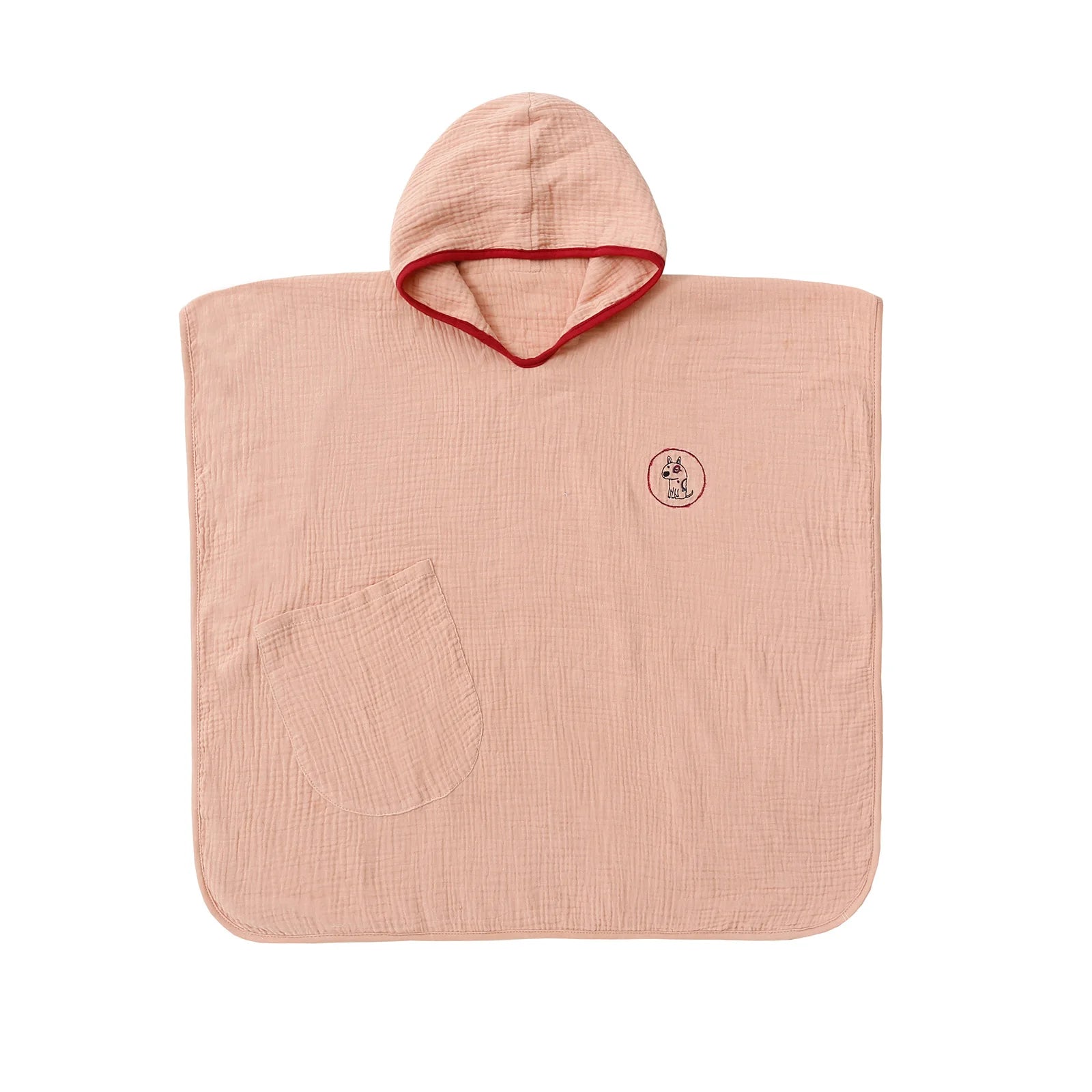
how to keep baby warm + nan layering idea 💡 See it in action.
Quick dressing trick
Put the base layer on while baby is still slightly damp — moisture wicks away faster under breathable fabrics and traps less heat than heavy cotton directly on wet skin.
What to wear: fabrics and layers that work
Choosing the right materials is the main way to prevent both chills and overheating.
Best fabrics
- Muslin: lightweight, breathable, great for ponchos and wraps.
- Organic cotton (lightweight): soft and absorbs without trapping heat.
- Bamboo blends: naturally breathable and comfortable for sensitive skin.
Layering examples by temperature
- Room 70–74°F: onesie + hooded muslin poncho or lightweight sleep sack.
- Below 70°F: onesie + thin knit top + sleep sack or swaddle suit.
- Above 74°F: single onesie; skip extra layers and keep room cool.
Product suggestion: a hooded muslin poncho speeds drying and locks in warmth without heavy layers. Try the hooded muslin poncho towel for quick wrap-and-dress.
Safety checks and signs of overheating
Knowing the signs helps you act fast — babies can’t tell us when they’re too hot.
- Overheating signs: damp hair or skin, flushed cheeks, rapid breathing, and heat rash.
- Too cold signs: cool-to-touch extremities, shivering, or pale skin.
- Check neck or chest for warmth — hands and feet can be cool normally.
Temperature tools
Use a simple room thermometer or Temperature Tools from our collection to keep reading accurate and consistent.
| Item | When to use | Why it helps |
|---|---|---|
| Hooded muslin poncho | Right after bath | Dries gently, adds a light warm layer without overheating |
| Light sleep sack | If moving to sleep/crib | Prevents loose blankets and keeps consistent temp |
| Room thermometer | Always | Keeps the nursery in the safe range (70–74°F) |
Gear comparison: towels, wraps, and tools
Not all towels and wraps are equal. Here’s a quick pros/cons list to help you pick the right post-bath kit.
- Muslin towels — ✅ Lightweight, breathable; ❌ Less insulating in very cold homes.
- Terry cloth towels — ✅ Highly absorbent; ❌ Can be bulky and trap heat if left wrapped too long.
- Hooded ponchos — ✅ Fast wrapping, keeps head warm; ❌ Choose muslin or lightweight cotton to avoid overheating.
- Sleep sacks — ✅ Safer than loose blankets for sleep; ❌ Pick appropriate TOG (thin/medium) for room temp.
Compare materials and find gentle options in Baby Bath Accessories.
Real parent tips & testimonials
Short, practical suggestions from people in the trenches.
“A warm towel on the dryer for 10 seconds makes a huge difference — our baby calms instantly.” — Anna, mom of 1
“We switched to a muslin hooded poncho and bath time is faster. No more mid-night sweaty wake-ups.” — Marcus, dad of twins
Small habit wins: time the last feeding right before bath in your night routine to combine warmth and sleep cues, and keep the room dim to signal winding down.
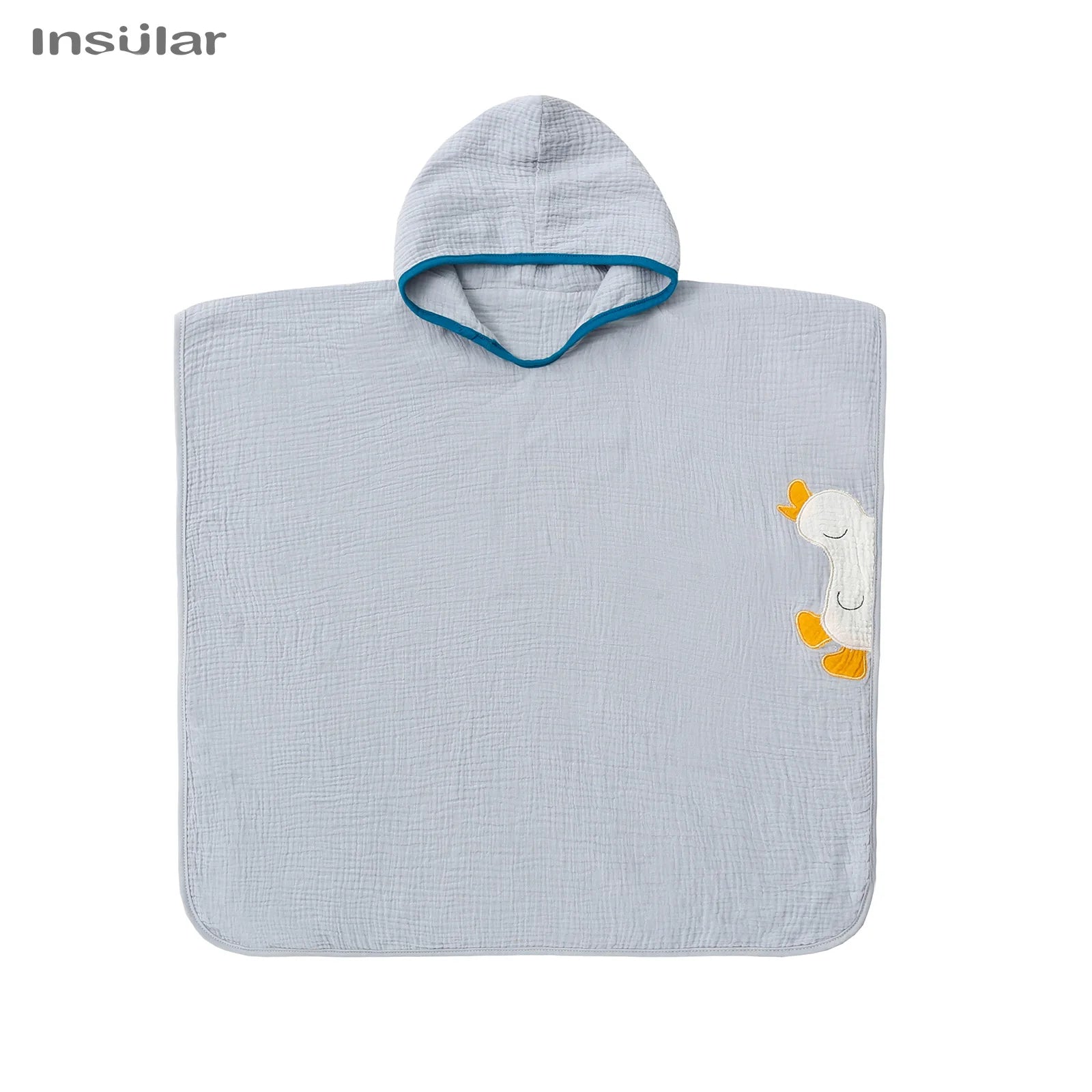
how to keep baby warm + nan layering guide 💡 See it in action.
Final quick checklist before you leave the bathroom
- Towel: warm and soft, ready at tub edge.
- Layers: base layer first, then hooded poncho or sleep sack.
- Room: confirm 70–74°F with a thermometer.
- Check: touch neck/chest — warm and dry is ideal.
- Adjust: remove a layer if the baby feels damp or flushed.
Pick the hooded muslin poncho that makes post-bath routines faster: Muslin Baby Hooded Poncho Towel.
Evidence & quick facts that build confidence
- Breathable layers reduce over-bundling and the chance of heat rash.
- Keeping room temperature steady helps babies settle faster and improves sleep onset.
- Parents report fewer nighttime wake-ups when transition routines include a warm, quick-dry wrap.
Mini-FAQ
- How soon should I dry and dress my baby after a bath?
Dry and dress within 60–90 seconds — have the towel and a clean outfit ready at the tub so the baby isn’t exposed to air for long.
- Is it better to swaddle or use a sleep sack after a bath?
For sleep, a sleep sack is safer (no loose blankets) and helps maintain a consistent temperature without overheating when you choose the right weight.
- What’s the best way to check my baby’s temperature by touch?
Feel the back of the neck or chest — these areas show core warmth. If they’re warm and dry, your baby is comfortable; if sweaty, remove a layer.
A simple promise for calmer nights
How to keep baby warm after bath without overheating comes down to quick drying, the right fabrics, and mindful layering. With a small routine and the right wrap — like a hooded muslin poncho — you can reduce fussing, smooth transitions to sleep, and feel more confident every night.
Related reading: find gentle sleep solutions in Sleep & Comfort and safety tools in Health & Safety.
Pillar Article: How to Towel Dry Hair Safely for Faster, Frizz-Free Results
Other Related Articles:
- Best Towel for Toddlers: How to Stop Post-Bath Shivers Fast
- Quick Dry Baby Towel Tips Every Parent Should Use
- Infant Towel With Hood: How to Wrap Baby Warm in Seconds
Explore More:





