

Why do kids hate taking baths?
Kids hate taking baths for many different reasons, and the solution depends on understanding the cause. Some children dislike the sudden transition from play, while others are bothered by water on their face, unfamiliar smells, or slippery tubs. For many toddlers, bath refusal is a normal part of developing independence rather than a sign they dislike being clean.
Common reasons children resist baths
- Bath time interrupts a favorite activity.
- Water feels too hot, too cold, or uncomfortable.
- Fear of getting shampoo or water in the eyes.
- Sensory sensitivities to sounds, textures, or smells.
- Wanting more control over daily routines.
- Previous unpleasant bath experiences.
When bath refusal is normal by age
Bath time struggles are especially common between 18 months and 4 years, when children begin asserting independence. Preschoolers may resist simply because saying "no" helps them test boundaries. Older children are more likely to refuse baths when they are deeply engaged in games or activities rather than because they fear water.
When resistance may signal a sensory or medical concern
Occasional resistance is normal. However, if your child becomes extremely distressed by water touching their skin, avoids bathing for long periods, complains of persistent pain, or shows sudden changes after previously enjoying baths, consider discussing the behavior with your pediatrician. Children with sensory processing differences or certain skin conditions may benefit from individualized strategies.
Kids Hate Taking Baths: How to Change Their Mind Fast
⏱ 6 min read
If kids hate taking baths in your home, you're far from alone. Evening routines often become stressful because children feel rushed, tired, or distracted. Fortunately, a predictable routine, playful engagement, and age-appropriate choices can transform bath time into a calmer experience without creating nightly power struggles.
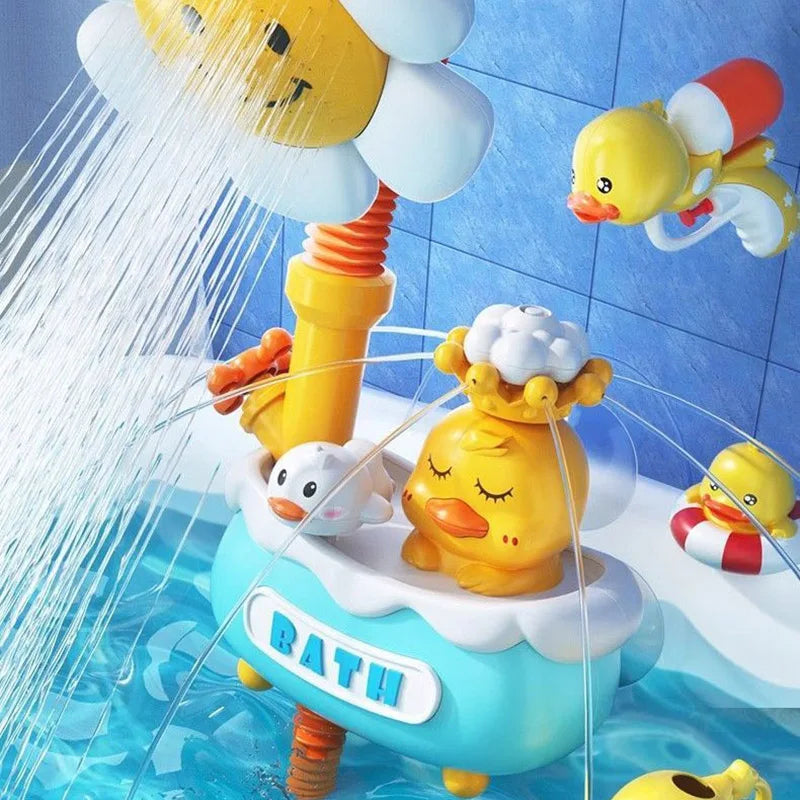
Fun ideas for bath time that help when kids hate taking baths. See it in action.
How to get kids to take a bath without a struggle
Start with a predictable routine
Children cooperate more easily when they know what comes next. Give a five-minute warning before bath time, then follow the same evening sequence each day. Consistency helps reduce surprises and makes transitions feel safer.
Give simple choices
Offer limited choices that allow children to feel involved without changing the routine.
- Choose the bath toy.
- Select the bubbles or bath color.
- Pick the towel or pajamas.
- Decide which song to sing first.
Use positive reinforcement instead of forcing
Praise cooperation rather than focusing on resistance. Celebrate small successes such as getting into the tub independently or washing hands without reminders. Positive attention often works better than arguments or threats.
Handle tantrums calmly
If emotions escalate, stay calm and avoid turning bath time into a battle. A brief pause followed by a simple reminder of the routine is usually more effective than lengthy negotiations.
Choose the right solution based on why your child refuses baths
If they want to keep playing
Use a timer or countdown so play doesn't end unexpectedly. Transition by explaining that bath time is simply the next activity before bedtime.
Allow children to pour water over toys before pouring it over themselves. Small cups and gentle rinsing help build confidence gradually.
If they dislike washing hair
Use a rinse cup, protective visor if needed, and encourage children to tilt their head back. Keeping soap away from the eyes often removes the biggest source of anxiety.
If they have sensory sensitivities
Adjust water temperature, lighting, noise, and scents. Soft towels, familiar bath products, and gentle sensory bath toys can create a more comfortable environment without overstimulating children.
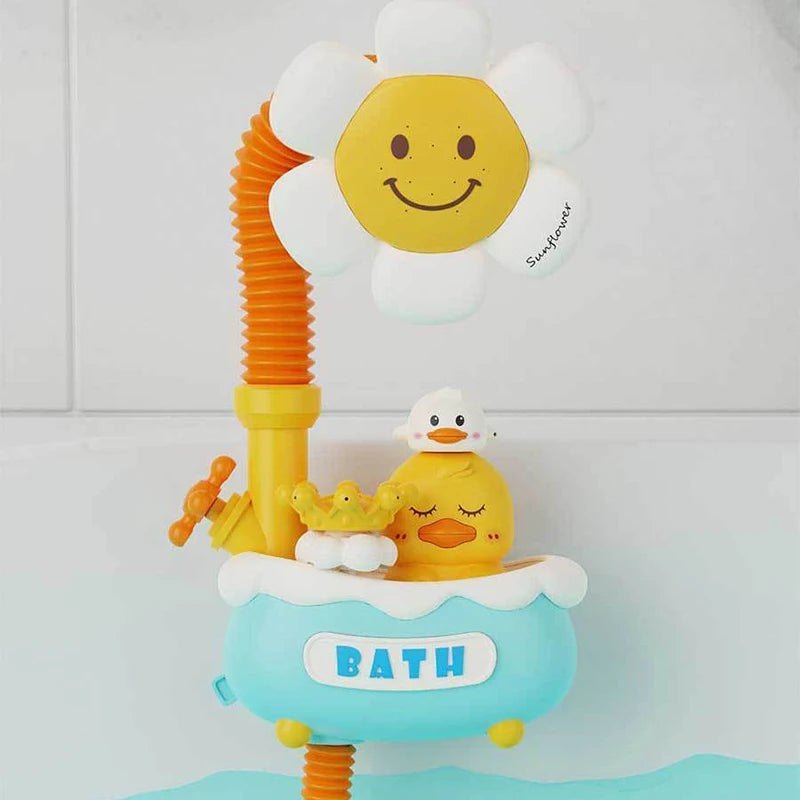
Interactive bath toys that help children enjoy bath time. See it in action.
How to make bath time fun for kids
Games and imagination
Turn the tub into an adventure. Pretend toys are exploring oceans, rescuing animals, or searching for treasure. Imaginative play keeps children focused on fun instead of resistance.
Music and storytelling
Favorite songs, counting games, or short bedtime stories help baths feel familiar and relaxing.
Safe sensory activities
Pouring cups, floating objects, bubbles, and gentle water play provide healthy sensory experiences while encouraging exploration.
When bath toys are helpful
Bath toys are most effective when they support interaction rather than simply adding clutter. The Clouds Duck Bath Toy encourages movement, imaginative play, and cause-and-effect learning, making it easier for many children to associate baths with fun.
You can also explore Sensory Toys and Baby Bath Accessories for additional ideas that support calm, engaging bath routines.
Simple step-by-step bath routine that works
Before bath
- Give a transition warning.
- Prepare towels and pajamas.
- Let your child choose one activity or toy.
During bath
- Start with play before washing.
- Wash quickly and gently.
- Keep the routine between 5 and 10 minutes for most toddlers.
After bath
- Dry off with a warm towel.
- Praise cooperation.
- Move directly into pajamas, stories, and bedtime.
Choosing bath toys that encourage bathing
Features to look for
| Feature | Benefit |
|---|---|
| Interactive movement | Encourages curiosity and keeps attention on play. |
| Safe, smooth materials | Comfortable for little hands and suitable for wet environments. |
| Easy-to-clean design | Helps reduce mold and simplifies maintenance. |
| Multi-sensory experiences | Supports engagement without overwhelming children. |
Safety and cleaning
Choose toys that drain easily or can be cleaned thoroughly. Allow toys to dry completely after each bath and inspect them regularly for wear.
Rotate toys to maintain interest
Instead of filling the tub with many toys, rotate a small selection every week. New combinations keep bath time exciting without creating clutter.
Many families also use products from Baby Hygiene Gadgets while exploring additional advice in Health & Safety to support healthy routines.
Why a positive bath routine improves bedtime
Calming benefits
A warm bath helps children unwind after active play. Combined with a predictable bedtime routine, it creates a clear signal that sleep is approaching.
Building lifelong hygiene habits
Positive experiences teach children that personal hygiene is a normal part of everyday life rather than something to avoid. Small, consistent routines are more effective than occasional long baths.
Pairing bath time with products from Sleep & Comfort can help reinforce a relaxing evening routine.
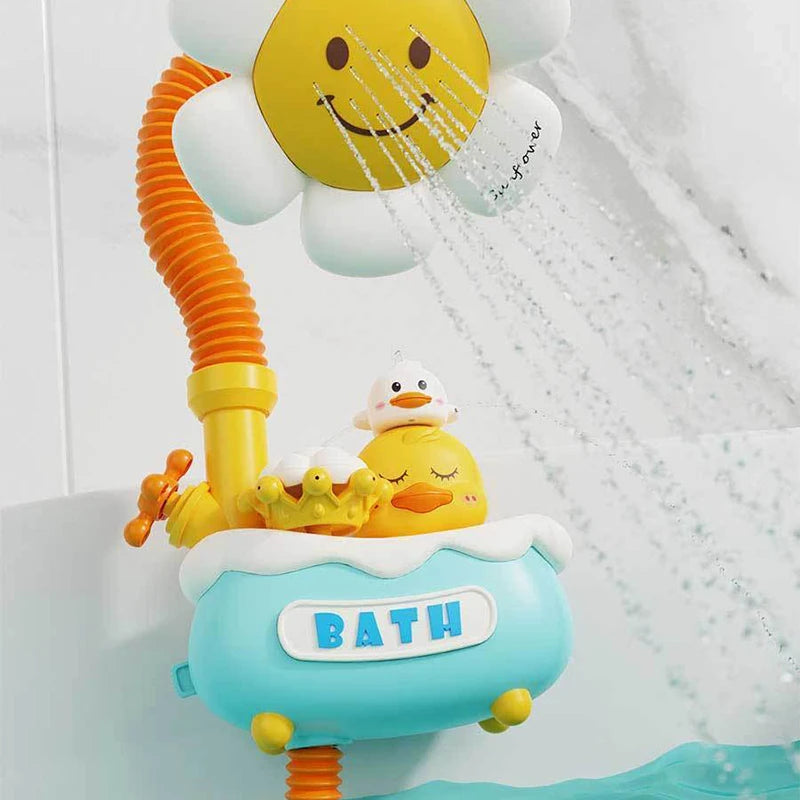
Sensory bath toys that help children enjoy bath time. See it in action.
Age-specific tips for toddlers, preschoolers and older kids
Toddlers (1–3)
- Keep baths short.
- Use simple routines every evening.
- Offer one or two choices.
Preschoolers (3–5)
- Encourage pretend play.
- Let children help wash toys.
- Practice washing independently with supervision.
School-age children
- Encourage responsibility for personal hygiene.
- Allow greater independence while maintaining safety.
- Keep routines consistent even during busy schedules.
Bath Time FAQs
At what age do kids start resisting baths?
Bath resistance commonly appears between 18 months and 4 years as children develop independence and become more aware of sensory experiences.
How long should bath time last?
Most toddlers enjoy baths lasting 5 to 10 minutes. Keeping the experience positive is usually more important than making it longer.
Do bath toys really help?
Yes. Interactive bath toys encourage exploration, reduce anxiety, and shift attention away from resistance when used as part of a predictable routine.
How often should children bathe?
Bath frequency depends on age, activity level, and individual needs. Many children do not require a full bath every day, although regular handwashing and hygiene remain important.
What if my child suddenly refuses every bath?
Look for recent changes such as a frightening experience, illness, skin irritation, or changes in routine. Addressing the underlying cause is usually more effective than forcing the bath.
Should I force my child to take a bath?
In most cases, no. Calm consistency, predictable routines, and positive reinforcement are more effective than forcing children, which can increase fear and resistance over time.
Related Guide: How to Make Bath Fun for Kids Step by Step





