

Is a Kids Toothbrush Holder Better Than No Holder?
Using a toothbrush holder for kids is usually a better choice than leaving toothbrushes loose on the bathroom counter. A holder keeps brushes upright so they can air dry, reduces contact with dirty surfaces, and helps children build consistent oral hygiene habits. However, the holder itself should be cleaned regularly, and enclosed designs should allow enough airflow to prevent trapped moisture.
Kids Toothbrush Holder vs No Holder: Which Is More Hygienic?
⏱ 7 min read
Should kids use a toothbrush holder, or is it perfectly fine to leave toothbrushes beside the sink? The answer depends on hygiene, airflow, bathroom layout, and your child's daily routine. Understanding the differences between
kids toothbrush holder vs no holder
can help parents reduce contamination, encourage independence, and make brushing easier every day.
Does proper toothbrush storage really make a difference? While brushing technique remains the most important factor for oral health, where a toothbrush is stored influences how well it dries, how clean it stays between uses, and how easy it is for children to develop healthy routines.
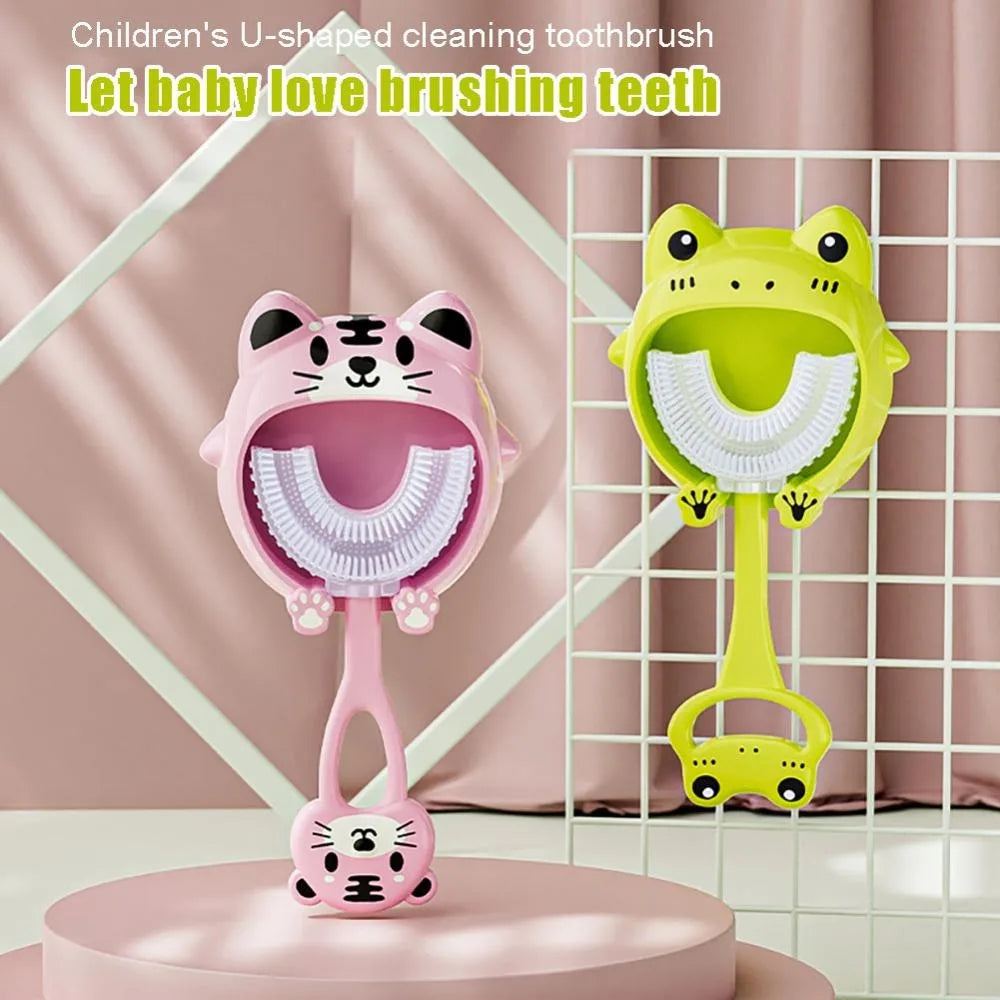
Proper toothbrush storage helps support cleaner, more organized daily brushing routines.
Why Toothbrush Storage Matters for Kids
Children's toothbrushes spend most of the day sitting in a warm, humid bathroom. Moisture, toothpaste residue, and shared family spaces can all affect toothbrush cleanliness. A thoughtful storage method supports hygienic toothbrush storage for kids without adding unnecessary complexity.
How wet toothbrushes collect bacteria and debris
After brushing, moisture remains between the bristles. If a toothbrush is placed flat on a countertop or stored where brushes touch each other, it may collect toothpaste residue, dust, or bacteria from surrounding surfaces. Although rinsing removes much of the toothpaste, proper drying remains equally important.
- Wet bristles dry more slowly on flat surfaces.
- Shared holders that allow brushes to touch can transfer debris.
- Bathrooms naturally contain moisture that slows drying.
- Children may accidentally place brushes on the sink or counter.
Why airflow and drying time matter
Air circulation helps toothbrushes dry between uses. Most dental professionals recommend storing toothbrushes upright in an open area rather than inside sealed containers for everyday home use. Faster drying helps reduce moisture buildup while keeping brushes ready for the next brushing session.
Parents exploring Health & Safety often discover that small storage improvements can make children's oral hygiene routines easier to maintain.
Kids Toothbrush Holder vs No Holder: Side-by-Side Comparison
| Feature | Kids Toothbrush Holder | No Holder |
|---|---|---|
| Hygiene | Keeps brush off dirty surfaces | May contact countertop or sink |
| Drying | Usually allows upright air drying | Depends on placement |
| Organization | Easy for children to find their brush | Can become cluttered |
| Cleaning | Holder requires routine washing | No holder to clean, but surfaces require attention |
| Cost | Small additional expense | No extra purchase required |
| Best for | Families wanting cleaner, organized routines | Minimal setups with careful storage habits |
For most households, a kids toothbrush with holder offers practical benefits by keeping toothbrushes separated, upright, and easy for children to reach independently.
Open-Air Toothbrush Storage vs Covered Toothbrush Holders
Do dust proof toothbrush holders improve hygiene?
A dust proof toothbrush holder can help reduce visible dust during travel or in specific environments. However, at home, enclosed holders should still allow ventilation. Without airflow, trapped moisture may remain around the toothbrush longer than desired.
When enclosed storage can create problems
Completely sealed containers may trap humidity after brushing. If choosing a covered holder, select one that includes ventilation holes and clean it frequently to remove toothpaste residue and moisture.
- Open holders usually dry faster.
- Covered holders work well when ventilated. Avoid storing wet toothbrushes inside airtight containers.
- Wash removable parts regularly.
Which Toothbrush Storage Method Fits Your Child's Age?
Toddlers and preschoolers
Younger children benefit from simple, easy-to-reach holders that encourage independence. Bright colors or fun shapes can make brushing more engaging while helping children remember where their toothbrush belongs.
Older children often share bathroom space with siblings. Individual holders or clearly separated compartments help prevent toothbrushes from touching while keeping routines organized before school and bedtime.
- Under 3 years: supervised storage and brushing.
- 3–5 years: simple upright holders encourage habits.
- 6+ years: individual storage spaces support independence.
- Multiple children: assign separate holder sections.
Parents browsing Baby Growth & Learning frequently find that age-appropriate routines improve long-term brushing consistency.
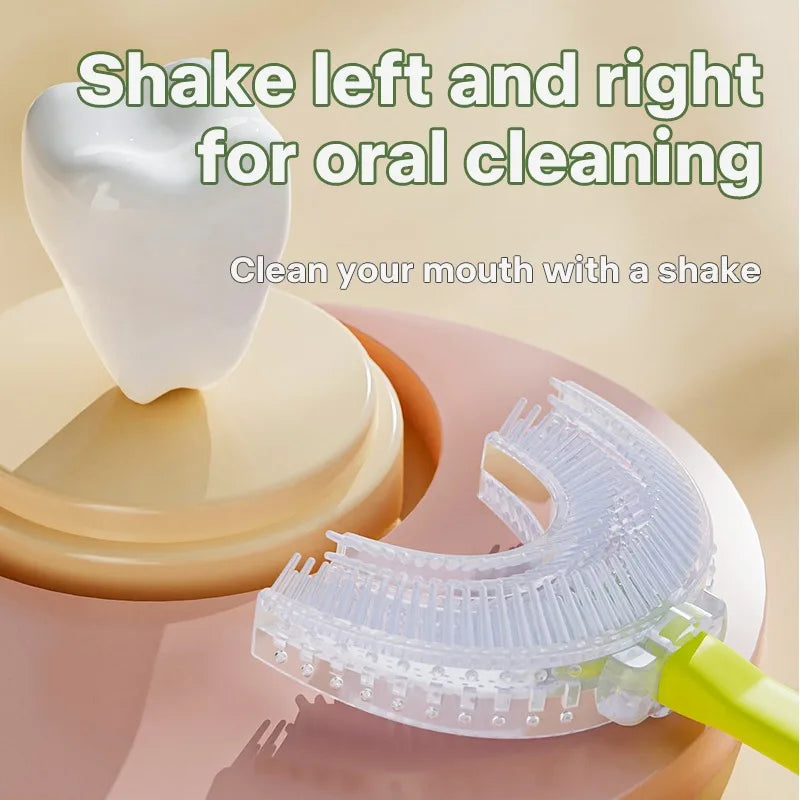
Organized toothbrush storage encourages independence and healthier brushing habits.
Different Types of Kids Toothbrush Holders Compared
Countertop toothbrush holders
Countertop holders are simple to install and work well when cleaned regularly. Choose models with drainage holes to reduce standing water.
Wall-mounted and suction holders
Wall-mounted holders keep toothbrushes away from wet countertops and free up sink space. Suction-cup versions are popular in smaller bathrooms but should be checked occasionally to ensure they remain securely attached.
Character and silicone toothbrush holders
Many children enjoy playful designs such as a frog toothbrush holder or animal-themed organizers. Silicone holders can be flexible and durable, but they should still be washed frequently. Appearance alone is less important than easy cleaning and good ventilation.
How to Keep a Kids Toothbrush Holder Clean and Safe
Even the best toothbrush holder for children requires regular maintenance. Soap residue, toothpaste, and water can accumulate over time if the holder is ignored.
Cleaning schedule parents can follow
- Rinse away toothpaste residue every few days.
- Wash the holder weekly with warm soapy water.
- Dry thoroughly before replacing toothbrushes.
- Inspect for mold, discoloration, or unpleasant odors.
- Clean surrounding sink areas regularly.
Many families combine organized toothbrush storage with products from Baby Hygiene Gadgets to support cleaner daily routines.
Common Kids Toothbrush Storage Mistakes Parents Make
- Allowing multiple toothbrush heads to touch each other.
- Keeping toothbrushes inside sealed containers while still wet.
- Leaving brushes flat on bathroom counters.
- Forgetting to clean the holder itself.
- Storing toothbrushes too close to heavily splashed sink areas.
A few simple adjustments often improve both hygiene and organization without changing the child's brushing routine.
Final Recommendation: Should Kids Use a Toothbrush Holder?
For most families, the answer is yes. A toothbrush holder for kids helps organize daily routines, supports upright drying, and keeps toothbrushes away from bathroom surfaces. The ideal choice depends on your child's age, bathroom setup, and cleaning habits rather than decorative style alone.
If you're introducing a new brushing routine, child-friendly designs such as the U-shape kids toothbrush can also help encourage consistent brushing while pairing well with organized storage.
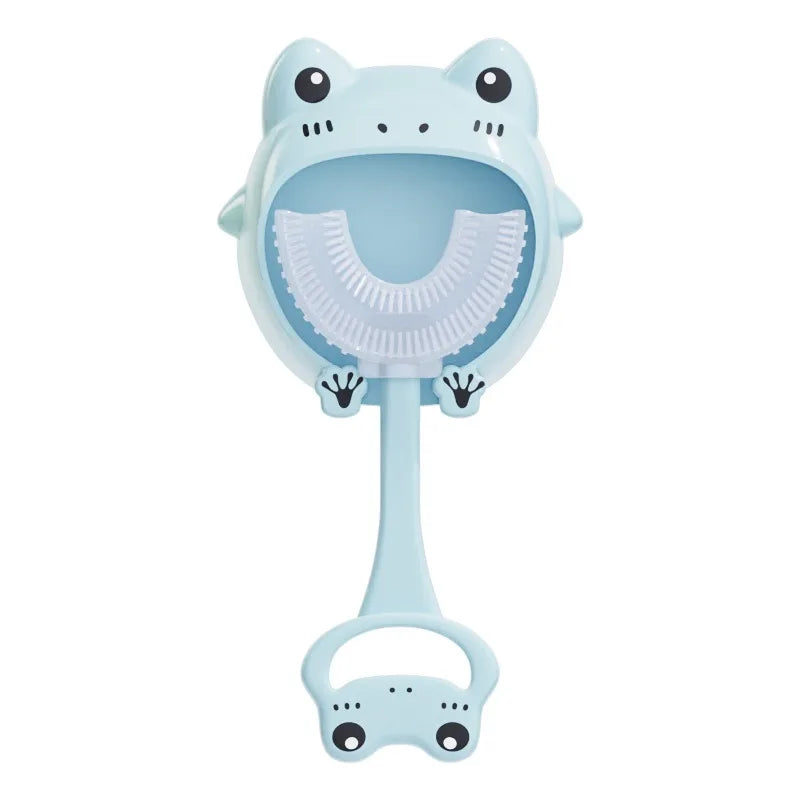
Simple storage habits help keep children's toothbrushes clean, organized, and ready for everyday use.
Quick FAQs
Is a toothbrush holder more hygienic for kids?
Generally, yes. A holder keeps toothbrushes upright, reduces contact with bathroom surfaces, and allows better drying when designed with adequate airflow.
Are covered toothbrush holders safe for children?
Yes, provided they include ventilation and are cleaned regularly. Completely sealed holders may trap moisture if used immediately after brushing.
How often should a kids toothbrush holder be cleaned?
Wash it at least once a week with warm soapy water, and rinse away toothpaste residue whenever buildup appears.
Can kids share the same toothbrush holder?
They can share the same organizer if each toothbrush has its own separate slot and the brush heads do not touch each other.
Should toddlers use a toothbrush holder?
Yes. A simple, easy-to-reach holder helps toddlers begin learning healthy oral hygiene routines while keeping their toothbrush stored more hygienically.
Related Guide: U Shape Kids Toothbrush Comparison: Which Is Safest?





