

Does a travel setup really reduce messy travel mealtime issues?
Answer: Yes — a well-planned travel setup can make baby feeding on the go cleaner, easier, and more predictable. Matching your feeding method, baby's stage, destination, and trip length helps you pack only what you need. A stable travel high chair or foldable booster seat for travel, contained food portions, safe milk storage, and a compact cleanup kit can reduce spills, interruptions, and the stress of feeding away from home.
⏱ 10 min read
Messy Travel Mealtime Issues: How to Feed Baby Cleanly on the Go
Tired of messy travel mealtime issues turning every outing into a cleanup mission? The key to easier baby feeding on the go is not carrying more gear—it is building a simple system around your baby's feeding stage, the length of your trip, and where you will eat. Learn how to feed baby while traveling with practical strategies for breast milk, formula, solids, restaurants, airplanes, cars, and outdoor meals, plus smart portable seating and cleanup routines that help keep feeding safer and more manageable.
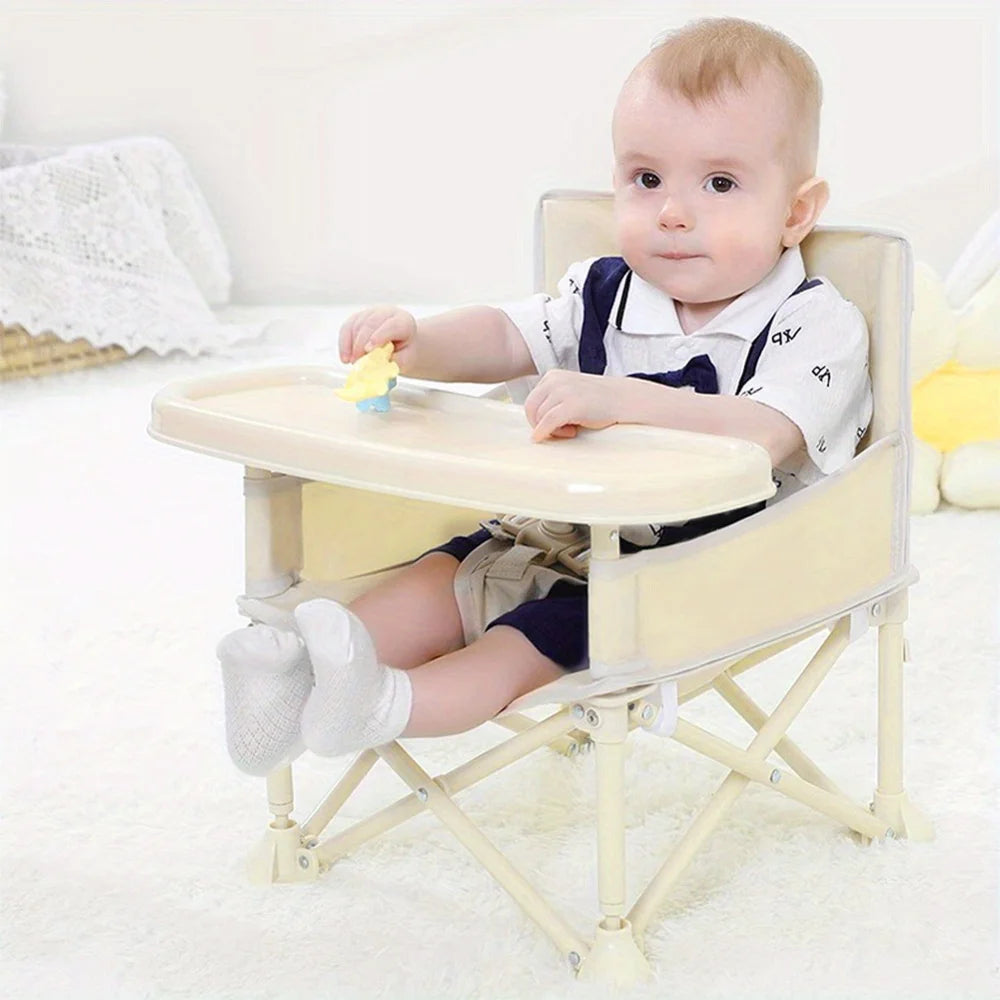
messy travel mealtime issues, baby feeding on the go — See it in action
What actually solves messy travel mealtime issues?
The best solution to messy travel mealtime issues is a planned feeding system rather than a large collection of baby gear. Think of baby feeding on the go as a portability and preparation problem: you need to transport food or milk safely, create a suitable feeding space, keep your baby comfortably positioned, and clean up without relying on a fully equipped kitchen.
The right setup depends on four factors: your baby's age and feeding stage, whether you are breastfeeding or using bottles and solids, how long you will be away, and the destination. A short walk to a park may require little more than milk or a snack, bibs, and wipes. A full travel day may require multiple feeds, backup food, storage supplies, and a portable seating solution.
For practical travel baby feeding tips , prioritize four principles:
- Containment: Use stable seating, a defined eating surface, bibs, and appropriately sized portions to keep food from spreading.
- Portability: Choose compact gear that solves a real problem for your destination instead of packing every possible accessory.
- Hygiene: Separate clean feeding supplies from used bottles, utensils, wet cloths, and food waste.
- Predictability: Keep familiar feeding routines and foods when possible, especially during long or unfamiliar trips.
Why containment + routine beats luck
- Containment limits the mess: A suitable travel seat, bib, placemat, and tray create a defined feeding zone instead of allowing food to spread across tables, laps, and car interiors.
- Routine makes feeding easier: Familiar foods, familiar utensils, and a predictable sequence can help babies and toddlers settle into meals away from home.
- Preparation prevents avoidable spills: Pre-portioned meals and easy-access supplies reduce the need to open multiple containers while your baby is already hungry.
- A dedicated cleanup zone protects clean supplies: Keeping fresh items separate from used bottles and dirty utensils makes it easier to maintain a hygienic setup.
- Less gear can mean less stress: The goal is not to recreate your home kitchen. Pack the smallest combination of feeding, storage, seating, and cleanup items that fits the trip.
How to feed baby while traveling: choose your feeding method
There is no single best way to feed a baby while traveling. The most practical approach depends on whether your baby primarily breastfeeds, drinks expressed breast milk or formula, eats purees, or manages finger foods and family-style meals. For short outings, keep the system simple. For full travel days, plan for the number of feeds you expect plus a small backup for delays.
Breastfeeding on the go
Breastfeeding can be one of the simplest portable baby feeding solutions because you do not need to carry bottles or prepare food for every feed. Before leaving, consider where you are likely to feed and whether you will want a quiet space, nursing cover, or comfortable clothing for easier access.
For longer trips, bring water and any personal nursing supplies you normally use. If your baby feeds on a predictable schedule, planning a stop around that routine can make travel days easier. When feeding in public, choose a location where you and your baby are comfortable rather than trying to force a feed in an awkward position.
Formula feeding while traveling
Formula feeding requires more preparation because you need to manage water, formula, bottles, and cleaning. For travel, pack supplies in separate, clearly accessible groups so you can prepare a feed without unpacking the entire diaper bag.
For longer journeys, follow the formula manufacturer's preparation and storage instructions and use safe water appropriate for your baby's needs. Avoid preparing more formula than you can safely store and use. If you are traveling through airports or across borders, check current transportation rules for liquids and baby food before departure.
For short outings, pre-measured formula and an appropriate supply of water can simplify preparation, provided they are handled according to safe preparation guidance. Never leave prepared formula at room temperature longer than recommended by the manufacturer or your healthcare professional.
Breast milk storage and transport
Expressed breast milk needs a temperature-controlled plan when you will be away from refrigeration. Use clean containers designed for breast milk and an insulated cooler with sufficient ice packs for the expected travel time. Keep the cooler closed as much as possible to maintain a stable temperature.
For longer journeys, plan where you can refrigerate or replace ice packs. Follow current breast milk storage guidance from a trusted health authority and discard milk that has not been stored safely. When in doubt about the temperature history of milk, prioritize safety over avoiding waste.
Solids, snacks, and finger foods
Once your baby is eating solids, travel meals become easier when you choose familiar, age-appropriate foods that are simple to portion and clean up. Soft foods, pre-portioned purees, and appropriately prepared finger foods can work well, depending on your baby's developmental stage.
Pack only the amount you expect to need, plus a small backup for delays. Use leak-resistant containers and keep food separate from clean utensils and other baby supplies. Avoid introducing several unfamiliar foods for the first time during a long journey, when a rejected meal can be harder to replace.
Regardless of feeding method, always follow age-appropriate feeding and choking-safety guidance. Babies should be supervised while eating and positioned appropriately for feeding rather than eating while lying down or moving around.
Complete baby feeding on the go packing checklist
A useful packing list should be organized by function, not by how many products you can fit into a bag. These baby mealtime travel hacks help you create a compact system that can scale from a short outing to a full travel day.
Feeding essentials
- Breastfeeding supplies you normally use, if applicable
- Clean bottles and nipples for milk or formula feeding
- Age-appropriate utensils for babies eating solids
- Spill-resistant bowl or container
- Portable bib, preferably with a food-catching pocket for self-feeding stages
- Portable placemat or clean disposable surface, when appropriate
- Travel high chair for baby or foldable booster seat for travel, if the destination lacks suitable seating
Food and milk storage
- Pre-portioned formula or breast milk supplies
- Insulated cooler and ice packs when transporting chilled milk or food
- Leak-resistant containers for purees, snacks, and finger foods
- Enough food or milk for the expected journey, plus a modest backup for delays
- Clearly separated storage for clean food and used feeding supplies
Cleanup and hygiene supplies
- Baby-safe wipes for hands and surfaces
- Small microfiber or reusable cleaning cloth
- Resealable bags for used utensils, bottles, bibs, or damp items
- Small waste bags for food scraps and disposable items
- Hand-cleaning supplies suitable for the situation
- Portable bottle-cleaning supplies for longer trips when needed
Backup items for delays and spills
- One extra bib
- One additional serving of familiar food or snack, when age-appropriate
- Extra milk or feeding supplies when delays are likely
- Spare clothing if your baby commonly spills or drops food
- One additional resealable bag for wet or heavily soiled items
Must-haves: the food or milk your baby actually needs, a safe way to feed, cleanup supplies, and appropriate storage. Optional conveniences: extra utensils, specialized containers, multiple toys, or bulky accessories that duplicate a function you already have covered.
Step-by-step: safe and tidy on-the-go feeding
Before you leave home
- Count the expected feeds. Estimate how many milk or solid-food feeds your baby will need based on the length of the outing.
- Portion food in advance. Separate meals and snacks into individual containers so you do not need to measure or transfer food while traveling.
- Plan temperature control. Use appropriate insulated storage and ice packs for foods or milk that require refrigeration.
- Choose the seating solution. If you will eat at a restaurant or table, consider a travel high chair for baby or foldable booster seat for travel that is compatible with the destination's seating.
- Build an accessible cleanup zone. Keep wipes, bibs, waste bags, and a clean cloth in an outer pocket rather than buried beneath food containers.
- Separate clean from used. Reserve one bag or compartment for dirty bottles, utensils, bibs, and wet items.
At mealtime — the 5-minute system
- Inspect the feeding area. Choose a stable, clean location away from obvious hazards before unpacking food.
- Secure the seating. If using a portable seat, follow the manufacturer's instructions and make sure it is correctly attached before placing your baby in it.
- Create a clean surface. Place a washable mat or suitable clean surface before opening food containers.
- Prepare only what you need. Open one portion at a time to reduce spills and keep unused food contained.
- Supervise the meal. Keep your baby appropriately positioned and within reach throughout feeding.
- Clean from the baby outward. Wipe hands and face first, then gather food scraps, then clean the feeding surface and equipment.
After feeding: clean, pack, and reset
Start by removing leftover food and placing waste in a sealed bag. Wipe the baby's hands and face, then clean the tray, placemat, and other surfaces. Place used utensils, bottles, and damp bibs in a separate resealable bag so they do not touch clean food or clothing.
If no sink is available, remove visible food residue with wipes or a clean cloth and use the appropriate cleaning method for each feeding item. Do not assume that a quick surface wipe fully cleans a bottle or nipple. For reusable bottles and feeding equipment, follow the manufacturer's cleaning instructions and arrange proper washing and sanitizing when required.
Before packing everything away, check that food containers are sealed and that wet items are isolated from clean supplies. This simple reset makes the next feeding easier and prevents the entire diaper bag from becoming a mixed collection of crumbs, used utensils, and damp cloths.
Baby feeding by travel situation: car, plane, restaurant, and outdoors
Feeding baby in the car
The safest approach is to keep feeding separate from active driving. Do not feed a baby while the vehicle is moving if doing so requires removing the child from an appropriate car seat. Instead, plan feeding stops at safe locations where you can take your baby out of the vehicle and supervise the meal properly.
For road trips, pack food and milk in an easily accessible cooler, but keep it separate from the passenger area if possible. Schedule stops around your baby's feeding routine and allow enough time for feeding, burping, changing, and cleanup instead of trying to rush the process.
Feeding baby on a plane or train
Air and rail travel can make feeding challenging because space is limited and delays are possible. Pack feeding supplies in a small, accessible bag rather than placing everything in overhead luggage. Keep milk, formula supplies, snacks, bibs, and wipes together so they are easy to reach.
For flights, check current airline and airport rules for transporting breast milk, formula, baby food, and ice packs before departure. During travel, prioritize safe positioning and supervision. A portable feeding seat may not be practical or permitted in every cabin, so plan to use the seating options provided by the carrier when appropriate.
Feeding baby at restaurants
Restaurants are often one of the easiest places to use a travel high chair for baby or foldable booster seat for travel , provided the product is designed for the baby's age and the restaurant's chair is compatible. Ask staff for a sturdy, appropriate chair or table setup before attaching a portable seat.
Bring a compact placemat, bib, familiar utensils, and pre-portioned food if your baby is not ready for restaurant meals. A small cleanup kit can help you leave the table reasonably tidy without carrying a full cleaning bag.
Outdoor and park feeding
Outdoor meals require extra attention to surface stability, cleanliness, weather, and access to handwashing. A suitable outdoor infant seat may be useful in some settings, while a foldable booster is generally better suited to a compatible stable chair.
Avoid placing feeding equipment directly on dirty or uneven ground. Create a clean feeding surface with a washable mat, keep food protected from insects and heat, and pack a cooler when food or milk requires temperature control. When there is no sink nearby, plan how you will isolate used items until they can be properly cleaned.
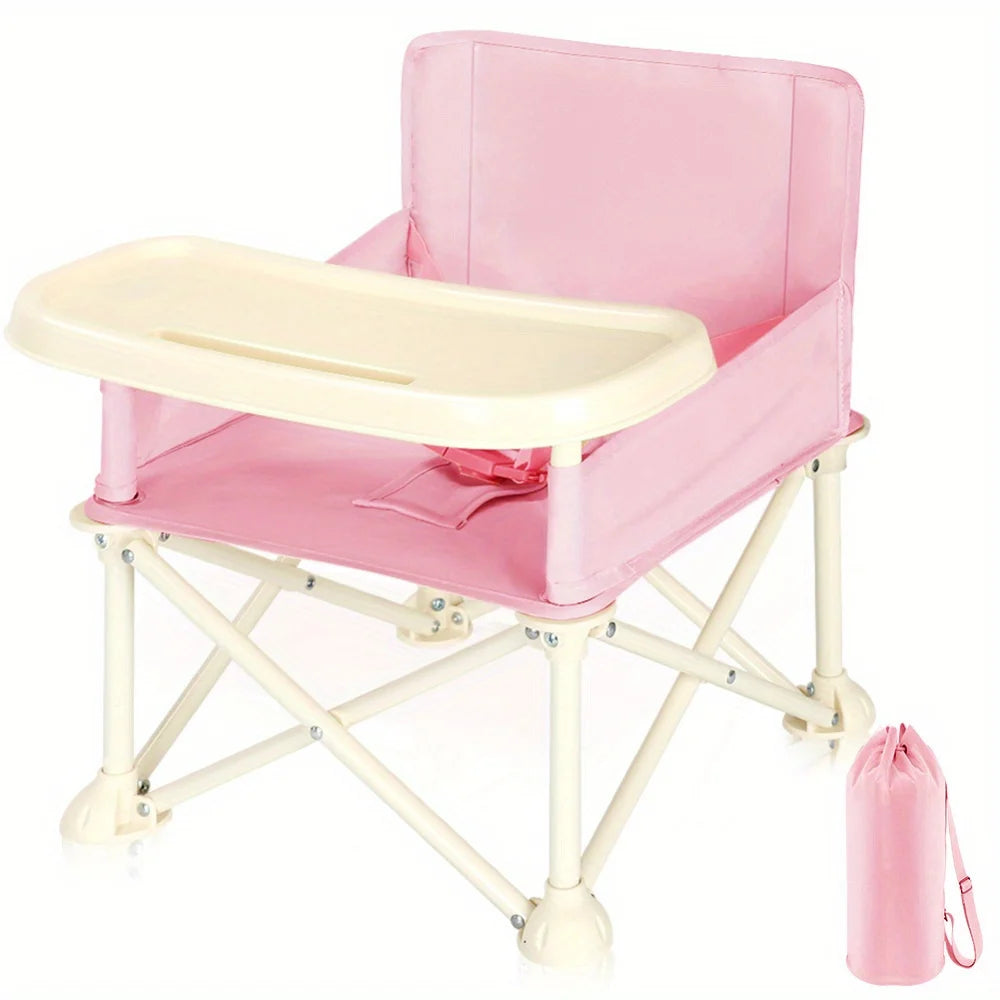
baby feeding on the go, foldable booster seat for travel — See it in action
Which portable feeding gear is worth packing?
The best portable feeding gear earns its space by solving a specific problem. Before packing anything, ask whether it improves stability, portability, cleanup, or food containment . If it does none of those things, it may be better left at home.
Travel high chair vs foldable booster seat
A travel high chair for baby can be useful when you need a more complete standalone feeding solution or when your destination has limited seating. A foldable booster seat for travel is often more compact and convenient when you already have access to a suitable, stable adult chair.
Age and developmental readiness matter. Always follow the product's stated age, weight, and usage requirements. Never assume that a portable seat is appropriate for a newborn simply because it is marketed for travel, and never attach a seat to furniture that is unstable, damaged, or incompatible with the product's instructions.
Portable feeding accessories
- Silicone placemat: Helps define a cleaner eating area and can be easier to wipe than a public table.
- Spill-resistant bowl: Useful for limiting how much food can move around the feeding surface.
- Deep-pocket bib: Helps catch dropped food during self-feeding stages.
- Leak-resistant containers: Keep purees, snacks, and leftovers contained inside the bag.
- Insulated cooler: Useful for temperature-sensitive milk and food when refrigeration is unavailable.
- Resealable cleanup bags: Keep dirty and damp items away from clean supplies.
What to skip to keep your bag lighter
- Multiple bowls when one versatile container is enough
- Large serving utensils when a compact baby spoon will do
- Several duplicate bibs for a short outing
- Bulky toys that do not contribute to feeding or comfort
- Extra food that is unlikely to be eaten and cannot be safely stored
- Specialized accessories that duplicate items already in your travel kit
Want a compact seat option that packs flat? Try the Portable Baby High Chair .
Which seat suits your trips? Quick comparison
The best portable seat depends on your baby's stage, your destination, and the seating available when you arrive. A travel high chair can be useful when you need a dedicated feeding setup, while a foldable booster is convenient when a compatible chair is already available. Clip-on seats can offer compact portability but require careful attention to table compatibility and manufacturer instructions. An outdoor infant seat may be better suited to specific outdoor use cases, but it is not a substitute for a properly installed feeding seat in every setting.
| Seat type | Portability | Setup & cleaning | Best use | Key consideration |
|---|---|---|---|---|
| Travel high chair | Medium to high, depending on design | Designed for repeat travel use; choose wipeable materials | Travel days, restaurants, destinations without suitable baby seating | Check age, weight, stability, and setup requirements |
| Foldable booster seat | High — often folds compactly | Usually quick to attach and wipe clean | Restaurants, cafes, visits, and short trips with compatible chairs | Requires a stable, compatible chair and correct strap installation |
| Clip-on seat | Very high | Compact but may have more attachment points to clean | Travel when a compatible table is available | Table thickness, construction, and manufacturer compatibility are critical |
| Outdoor infant seat | Medium | Choose washable or removable materials | Specific outdoor settings and supervised use on appropriate surfaces | Uneven ground, age suitability, and safe positioning must be considered |
Minimal-mess travel feeding packlist
Instead of targeting an arbitrary bag weight, build your packing list around the type of outing. These portable baby feeding solutions cover the basics without encouraging unnecessary overpacking.
For a short outing
- One feeding portion or the milk supplies your baby needs
- Bottle or age-appropriate feeding utensil
- Bib
- Wipes
- One small cleanup bag
- One spare item for an unexpected spill, such as a bib or clothing layer
For a restaurant meal
- Baby's familiar food, if needed
- Portable spoon and bowl
- Foldable booster seat for travel, if appropriate and compatible
- Silicone or washable placemat
- Bib with a food-catching pocket
- Wipes and resealable bag for used items
For a full travel day
- Enough milk or food for expected feeds plus a reasonable delay buffer
- Appropriate bottles, formula supplies, or breast milk storage
- Insulated cooler and ice packs when required
- Multiple age-appropriate meal or snack portions
- Portable feeding seat when the destination requires one
- Extra bib and spare clothing
- Cleanup kit with wipes, cloth, waste bags, and bottle-cleaning supplies when needed
The goal is to pack for the actual itinerary. A short park visit, a restaurant dinner, and an all-day road trip have different feeding requirements. Matching your supplies to the situation is one of the simplest baby mealtime travel hacks for keeping your bag lighter and your routine more manageable.
For easy browsing of feeding gear and related items, check our Feeding Tools and Feeding & Nursing collections for coordinated solutions that work together to reduce messy travel mealtime issues.
Travel feeding tips by baby's feeding stage
Your baby's feeding stage should determine what you pack. A common mistake is carrying the same amount of gear for every trip even as feeding needs change. Keep the system flexible and focus on the food, milk, utensils, and seating your baby actually uses.
Milk-focused feeding
For babies who primarily breastfeed or take breast milk or formula, prioritize safe milk transport and easy access. Depending on your feeding method, you may need bottles, nipples, formula, expressed milk, a cooler, ice packs, or breastfeeding supplies. For short outings, avoid carrying large quantities that create unnecessary storage challenges.
Starting solids
When your baby is beginning solids, familiar purees and simple, age-appropriate foods can be easier to manage away from home. Pack small portions rather than a large container, and bring a spoon and bib. If your baby is still learning to eat, expect some food waste and plan for a simple cleanup routine.
Finger foods and toddler meals
As babies become more confident self-feeders and toddlers begin eating a wider variety of foods, containment becomes more important. Choose foods that are easy to portion and carry safely, use a deep-pocket bib, and offer one portion at a time. Continue to supervise meals closely and prepare foods according to age-appropriate choking-safety guidance.
For longer outings, familiar foods can be useful backups if a restaurant meal is delayed or unavailable. The best travel baby feeding tips are usually the ones that adapt your normal routine rather than replacing it with a complicated travel-specific system.
Real-world baby feeding on the go: quick hacks that save time
The most effective baby mealtime travel hacks are simple organizational habits that reduce the number of decisions you need to make during a busy trip.
Micro-hacks for faster setup and cleanup
- Use packing zones: Keep feeding supplies together, milk or food in a dedicated section, and cleanup supplies in an outer pocket.
- Pre-portion before leaving: Individual servings reduce spills caused by transferring food between containers.
- Create the clean surface first: Put down the placemat or clean feeding surface before opening food.
- Separate clean and used items immediately: Use a dedicated resealable bag for dirty bottles, spoons, bibs, and damp cloths.
- Keep waste contained: Put food scraps and used disposable items into a small sealed bag rather than allowing them to accumulate around the feeding area.
- Pack a delay buffer: One extra familiar snack or feeding supply can prevent a minor delay from becoming a major disruption, when appropriate for your baby's feeding method.
- Use one container for one purpose: Avoid opening several food containers at once when your baby only needs one portion.
- Reset after every meal: Refill the accessible cleanup pocket and move used items to the designated dirty-items bag so the next feeding starts with a clean system.
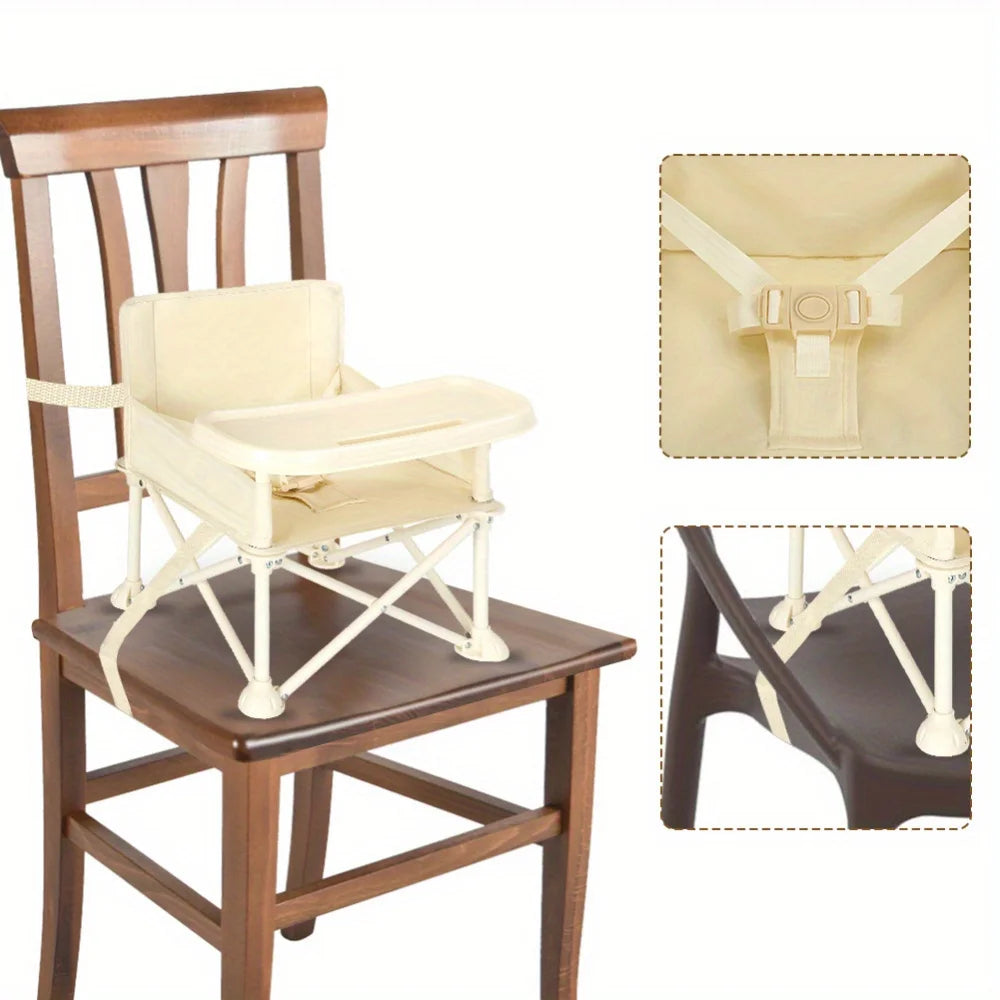
messy travel mealtime issues, foldable booster seat for travel — See it in action
Mini FAQ: baby feeding on the go
-
How do you feed a baby while traveling?
Match your feeding setup to your baby's normal routine and the trip. Breastfeed when appropriate, or pack safely stored breast milk, formula, or age-appropriate solid foods. Bring the minimum feeding equipment required, use suitable portable seating when necessary, and keep cleanup supplies accessible.
-
What should I pack for baby feeding on the go?
Pack the food or milk your baby needs, appropriate bottles or utensils, a bib, wipes, cleanup bags, and suitable storage. For longer trips, add temperature-control supplies, backup food or milk, spare clothing, and portable seating if your destination does not provide a suitable option.
-
How do you keep baby food cold while traveling?
Use an insulated cooler with sufficient ice packs for foods and milk that require refrigeration. Keep the cooler closed as much as possible and follow current food and breast milk storage guidance. Do not rely on an ordinary bag to keep temperature-sensitive items safely chilled for extended periods.
-
How do you feed a baby outside without making a mess?
Create a defined feeding area with stable seating, a washable placemat, a bib, and small food portions. Offer manageable amounts at a time, keep wipes within reach, and clean the baby and feeding surface promptly after the meal. These steps help contain mess before it spreads.
-
What is the best portable feeding solution for a baby?
The best solution depends on the baby's age, feeding stage, destination, and available seating. A travel high chair for baby may be useful when you need a dedicated feeding setup, while a foldable booster seat for travel is often more convenient when a compatible stable chair is available.
-
Is a travel high chair or foldable booster seat better for travel?
Neither is universally better. A travel high chair may offer a more complete solution when suitable seating is unavailable, while a foldable booster is typically easier to pack when you have access to a compatible adult chair. Always check age, weight, attachment, and stability requirements before use.
-
How do you clean baby bottles and feeding supplies while traveling?
For short trips, carry enough clean supplies to avoid needing immediate washing. For longer travel, bring appropriate bottle-cleaning equipment and use a clean water source and suitable cleaning method. Separate used items from clean supplies and follow the manufacturer's cleaning instructions for bottles, nipples, and utensils.
-
What foods are easiest to pack for a baby while traveling?
Choose familiar, age-appropriate foods that are easy to portion, transport, and clean up. Depending on your baby's stage, this may include prepared purees, soft foods, or appropriately prepared finger foods. Pack leak-resistant containers and avoid introducing multiple unfamiliar foods during a demanding travel day.
Final baby feeding on the go checklist
Pack
- Choose food, milk, bottles, and utensils based on your baby's actual feeding stage.
- Bring a suitable portable seat only when the destination requires one.
- Add bibs, wipes, cleanup bags, and one or two practical backups.
Store
- Keep temperature-sensitive milk and food appropriately chilled.
- Separate clean feeding supplies from used items.
- Use leak-resistant containers and individual portions whenever practical.
Feed
- Choose a stable, suitable feeding location.
- Secure portable seating according to the manufacturer's instructions.
- Supervise your baby throughout feeding and follow age-appropriate feeding safety guidance.
Clean
- Wipe hands and face, then contain food waste.
- Clean the feeding surface and pack used items separately.
- Reset your feeding kit so it is ready for the next meal.
Successful baby feeding on the go comes down to a repeatable pack-store-feed-clean system. Choose supplies based on your baby's feeding method, stage, and the day's travel situation rather than packing everything you own. With safe storage, suitable seating, portioned food, and a compact cleanup routine, feeding away from home can become cleaner, calmer, and much easier to manage.
Want a portable option that tucks into luggage and simplifies mealtime setup? Check the Portable Baby High Chair and explore related picks in Baby Care Essentials and Feeding Tools .
Pillar Article: Baby Feeding Seat Safety: How to Protect Your Little One Every Meal
Other Related Articles:
Explore More:





