

Does a safe baby feeding seat setup really make mealtimes cleaner and safer?
Answer: A safe baby feeding seat setup reduces feeding risks by combining a stable seat design, correctly fitted harness straps, secure attachment points, and easy-clean materials. Whether you use a high chair, a booster seat with straps, or a portable high chair for restaurants, the right setup helps keep babies positioned safely, lowers fall risks, and makes everyday meals easier to manage.
⏱ 8 min readBaby Feeding Seat Safety: Essential Features for Safer, Stress-Free Meals
Mealtime is an important stage for baby development, but safety should always come first. A properly used baby feeding seat creates a stable environment where infants can practice eating while parents focus on healthy routines instead of preventable hazards. This guide explains baby feeding seat safety, including how high chairs and booster seats work, what features matter most, how to use harnesses correctly, and how to create a safer feeding space at home or while traveling.
Baby Feeding Seat Safety: What Parents Need to Know First
Baby feeding seat safety starts with using the seat exactly as designed and understanding the risks that proper positioning can help reduce. During feeding, babies are still developing balance, coordination, and eating skills, which means an unstable setup can increase the chance of falls, slipping, or unsafe eating positions.
A safe baby feeding seat should provide a stable base, appropriate support, and a correctly adjusted restraint system. High chairs and booster seats are designed to assist with supported feeding, but they are not substitutes for active supervision. Parents and caregivers should remain close, watch for signs of discomfort, and ensure the baby stays upright and properly positioned throughout the meal.
Falls from elevated surfaces and choking hazards are two major concerns during mealtimes. Choosing a baby high chair with secure construction, using a booster seat with straps only on compatible chairs, and following manufacturer instructions can help create a safer feeding environment.
Quick answer: How a safe baby feeding seat supports better meals
A safe baby feeding seat keeps babies supported in an upright position while providing stability through a properly fitted harness, secure attachment system, and suitable seating design. The best setup depends on your baby's development, your home environment, and whether you need a permanent high chair or a portable option for travel.
Features such as adjustable feeding seat straps, non-slip bases, strong attachment points, and easy-clean surfaces help parents create a more controlled feeding space while reducing common mealtime risks.
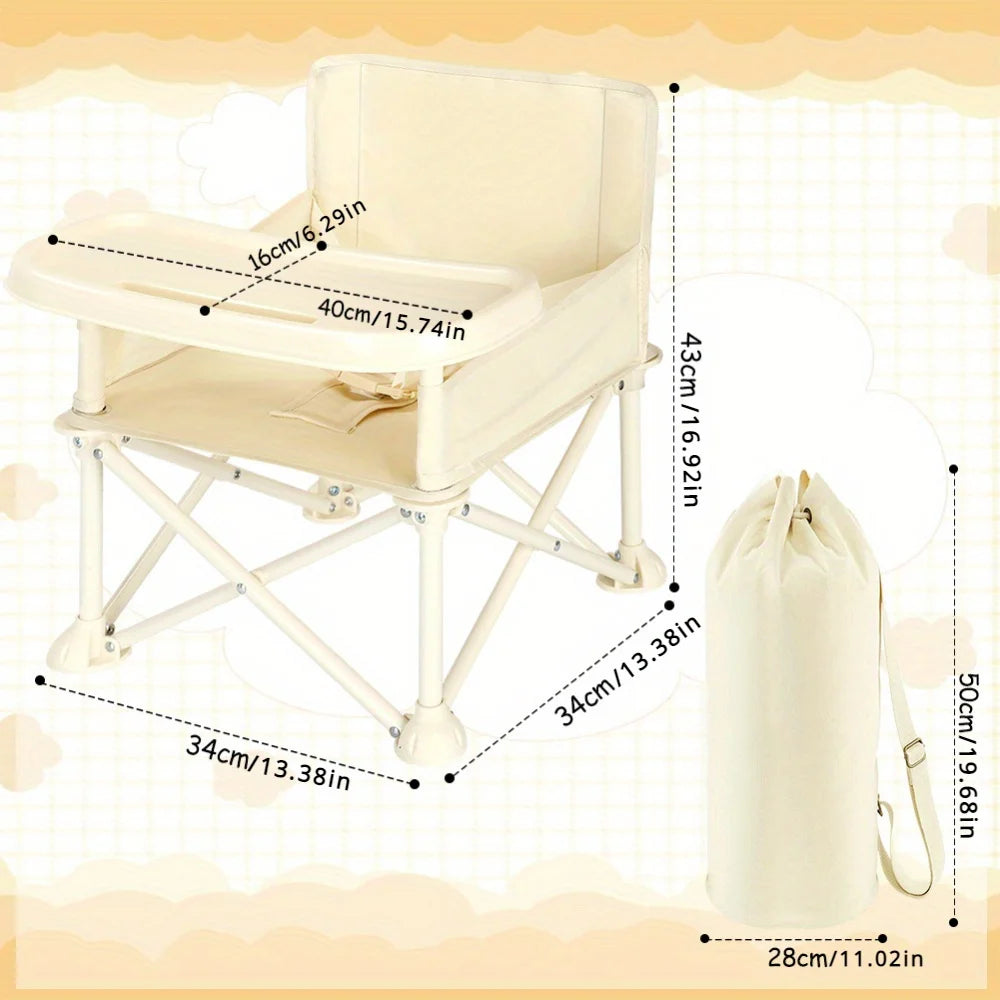
baby feeding seat safety setup with portable high chair features — See it in action
Key features that improve feeding seat safety
A reliable feeding seat should balance safety, comfort, and practicality. Focus on features that help keep the baby secure while making daily cleaning and use easier.
Stable, easy-clean surfaces and materials
- Strong trays and seating surfaces should resist movement during feeding.
- Wipeable materials help remove food residue from areas babies frequently touch.
- Removable trays make it easier to clean hidden areas where crumbs can collect.
Supportive padding and removable covers
Removable covers or liners can improve comfort while making regular cleaning simpler. Choose materials that dry quickly and allow caregivers to remove food buildup from seams and contact areas.
Secure attachment and baby feeding seat harness systems
A baby feeding seat harness is one of the most important safety features. Look for properly designed restraints, including 3-point or 5-point harness systems depending on the seat design. Straps should hold the baby securely without restricting comfortable movement or being positioned incorrectly.
Portable and foldable designs
For families who travel often, a portable high chair or foldable booster seat can make safe feeding easier outside the home. Portable options should fold securely, remain stable during use, and attach only to chairs that meet the manufacturer's requirements.
Safe materials and durable construction
Choose feeding seats made from durable, baby-friendly materials with clear safety information. Food-contact surfaces should be easy to clean, and the seat should maintain its structure after repeated use.
High Chair vs. Booster Seat: Which Is Safer?
Choosing between a high chair and a booster seat depends on your baby's developmental stage, your available space, and how you plan to use the seat. Both options can support safer feeding when used correctly, but they have different stability requirements and safety considerations.
| Safety Feature | Standalone High Chair | Baby Booster Seat with Straps | Portable Feeding Seat |
|---|---|---|---|
| Stability | Designed with its own base and seating structure | Depends on secure attachment to a suitable adult chair | Requires correct setup according to manufacturer instructions |
| Harness system | Usually includes built-in restraint straps | Uses seat straps to secure the baby and attach to the chair | May include adjustable harness and support features |
| Best use | Daily meals at home with dedicated feeding space | Travel, smaller homes, and visits to family | Restaurants and on-the-go feeding routines |
| Main safety check | Confirm the base is stable and locked correctly | Confirm both the chair seat and back attachments are secure | Verify compatibility, attachment points, and weight limits |
High Chair Safety Basics
A baby high chair provides a dedicated feeding space with a stable base, tray, and restraint system. Before each use, check that the chair sits evenly on the floor, locking mechanisms are engaged, and the harness is correctly positioned.
High chair safety depends on more than the chair design alone. Babies should remain seated upright, avoid standing or leaning excessively, and use the restraint system according to the manufacturer's instructions.
Baby Booster Seat Safety Basics
A booster seat with straps can be a convenient option for families who need a compact feeding solution, but it must always be attached to a strong, suitable adult chair. The booster should not slide, tip, or move when the baby shifts position.
Check that attachment straps secure both the seat area and chair back when required. A booster seat should never be placed on unstable chairs, stools, folding surfaces, or elevated areas such as tables or countertops.
For families who need flexibility at home and while traveling, a portable model such as the Portable Baby High Chair can provide a practical balance of easy setup, portability, and cleaning convenience.
How parents use feeding seats in everyday situations
A safe baby feeding seat should fit naturally into your family's routine. Different environments require different safety checks, especially when moving between home, restaurants, and outdoor spaces.
- Restaurant meals: A portable high chair can help create a familiar feeding environment, but always inspect the restaurant setup first. Check that attachment points are secure, the surface is stable, and the seat does not shift during use.
- Family visits: A booster seat with straps can be useful when visiting grandparents or relatives. Bring a familiar seat and confirm the available chair meets the product requirements before attaching it.
- Outdoor feeding: For picnics or outdoor meals, prioritize a stable surface, protection from environmental hazards, and a seat design that is easy to clean after food spills.
- Daily home feeding: Keep the feeding area organized by checking harnesses regularly, removing food residue, and storing the seat safely when not in use.
How to choose a safe baby feeding seat in 5 steps
- Check seating compatibility: For booster seats, measure your chair size and confirm the seat can attach securely to both the seat and back support when required.
- Review age, weight, and developmental limits: Choose a feeding seat that matches your baby's current abilities rather than relying only on age recommendations.
- Inspect the restraint system: Look for secure feeding seat straps, adjustable harness points, and easy-to-use buckles that keep your baby properly positioned.
- Choose easy-maintenance materials: Removable trays and wipe-clean surfaces make it easier to maintain a hygienic feeding environment.
- Consider portability: If you travel frequently, choose a seat that folds securely and fits your storage needs without compromising stability.
Consider the product link below when comparing a specific portable option:
Portable Baby High Chair — a practical option built for quick setup, easy cleaning, and travel-ready folding.
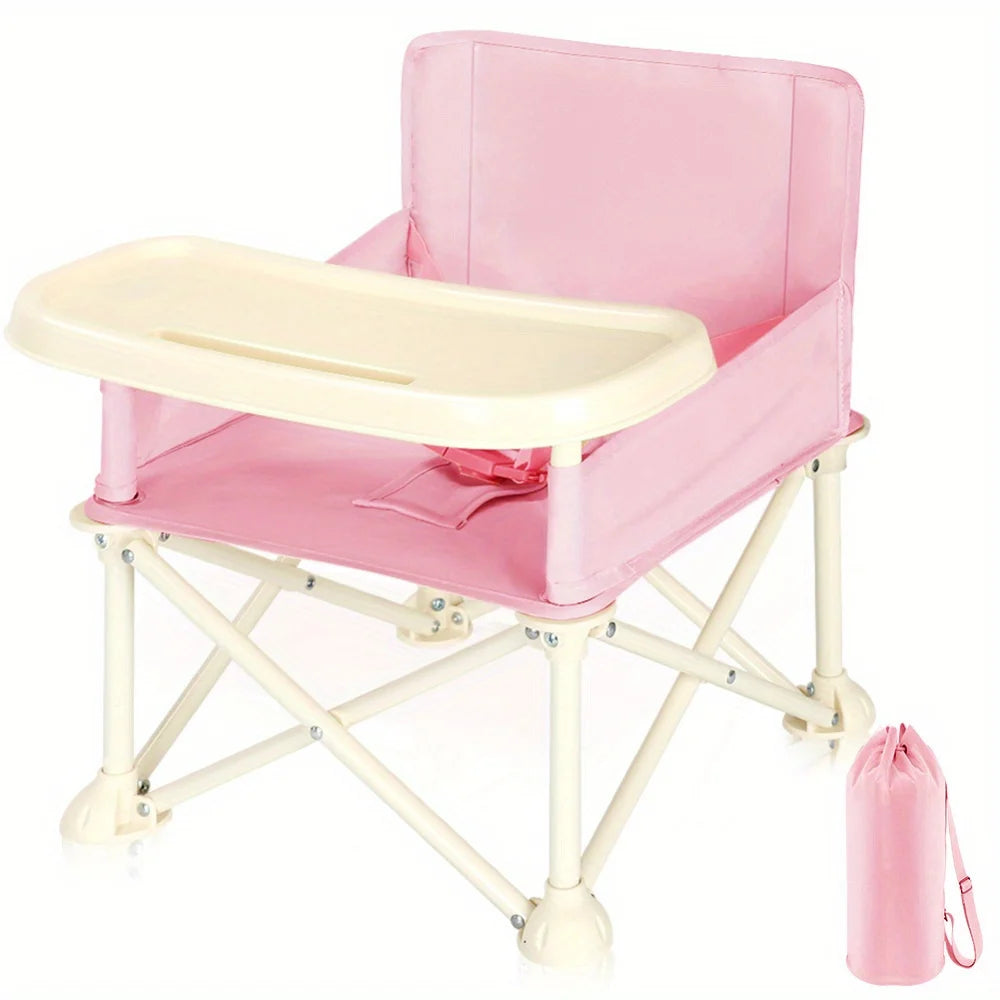
portable high chair for restaurants and safe baby feeding setup — See it in action
How to Secure a Baby Feeding Seat Safely
Check the Seat Before Every Use
- Inspect the frame, locking parts, straps, and buckles for damage.
- Confirm all attachment points are connected correctly before placing the baby inside.
- Remove the seat from use if any critical safety component is broken or missing.
Use the Harness and Straps Correctly
- Fasten the baby feeding seat harness according to the manufacturer's instructions.
- Adjust feeding seat straps so they are secure without causing discomfort.
- Never rely on the tray alone to hold a baby safely in position.
Test Stability and Attachment
- Make sure the feeding seat cannot slide, tip, or detach before every meal.
- For booster seats, verify the adult chair is strong, stable, and compatible.
- Keep the seat on a level surface away from hazards such as hot drinks, cords, or sharp objects.
Practical Benefits of a Safe Baby Feeding Seat Setup
A well-designed baby feeding seat can make daily meals easier by creating a more organized and predictable feeding routine. Parents commonly notice improvements when they consistently use secure restraints, stable seating surfaces, and easy-clean components.
Common practical benefits reported by caregivers include:
- Less cleanup after meals: Removable trays and wipeable surfaces help reduce food buildup on furniture, floors, and clothing.
- More consistent feeding routines: A familiar seat setup helps babies recognize mealtime expectations and practice eating in a supported position.
- Easier travel preparation: Portable feeding seats allow families to maintain safer feeding habits outside the home when used correctly.
- Improved confidence during meals: Secure harness systems and stable attachments help caregivers feel more prepared during feeding time.
Parent experiences often highlight practical improvements such as faster cleaning, simpler restaurant visits, and easier transitions between home and travel feeding environments. However, every feeding seat should still be used according to the manufacturer's safety instructions and checked regularly for wear or damage.
Pros & Cons: Understanding Feeding Seat Safety Trade-Offs
✅ Pros
- Creates a dedicated and more stable feeding space for babies.
- Proper harness systems can help reduce slipping and unsafe movement when used correctly.
- Portable options make it easier to maintain safer feeding routines while traveling.
- Easy-clean trays and removable components simplify daily maintenance.
- Different designs allow families to choose between home use, travel use, or restaurant feeding.
❌ Cons
- Portable and feature-rich feeding seats may require a higher upfront investment.
- Booster seats depend on having a compatible, stable adult chair for safe attachment.
- Straps, buckles, and attachment points require regular inspection and cleaning.
- Some models may take additional storage space when not in use.
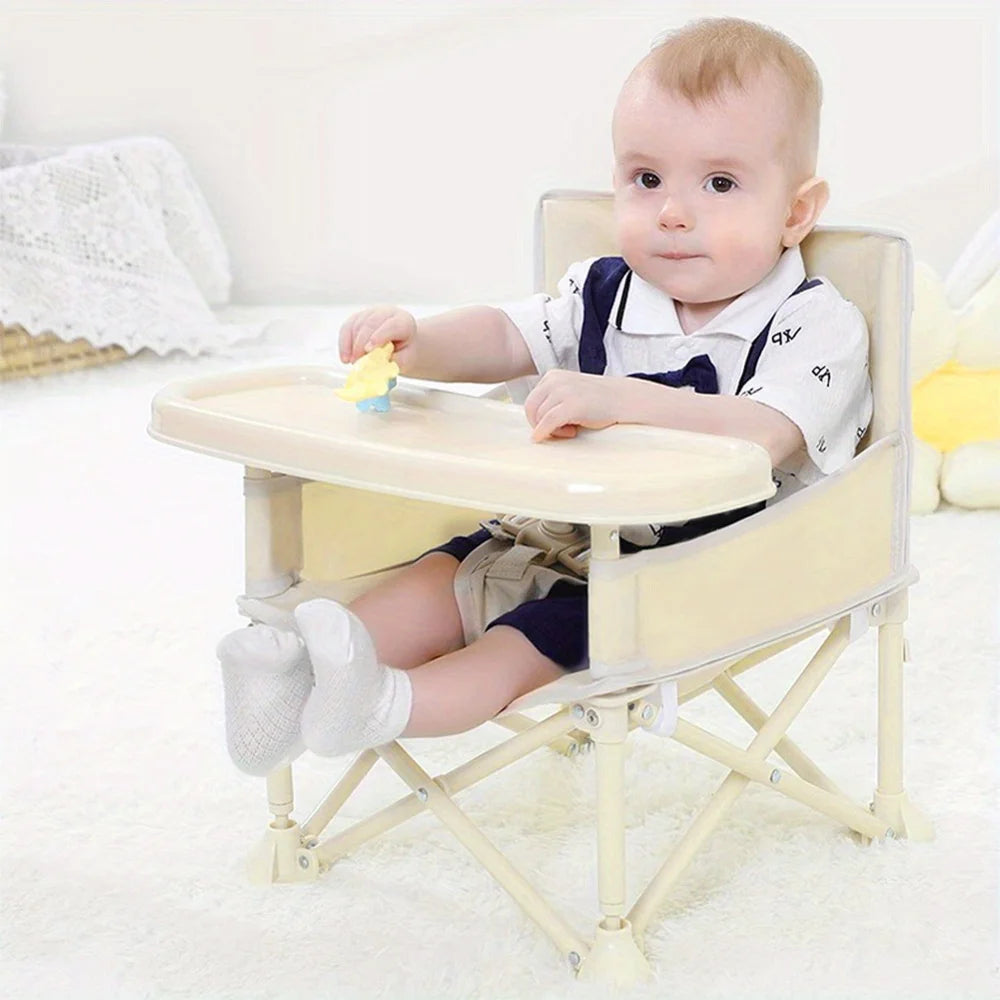
portable high chair for restaurants + safe baby feeding seat setup — See it in action
How to Choose a Safe Baby Feeding Seat: Buying Checklist
- Check safety information: Review manufacturer instructions, recommended age or weight limits, and required usage guidelines.
- Inspect the restraint system: Look for secure buckles, adjustable feeding seat straps, and a baby seat belt harness designed for the specific model.
- Verify product condition: Avoid seats with missing parts, damaged harnesses, broken trays, or unknown safety history.
- Consider maintenance needs: Choose designs with accessible cleaning areas and replaceable components when available.
- Review attachment requirements: Booster seats should only be used with chairs that meet compatibility requirements.
Mini FAQ: Baby Feeding Seat Safety
When can a baby safely use a feeding seat?
A baby can typically use a feeding seat when they have the developmental ability to sit upright with good head and neck control. Age recommendations vary by product, so parents should follow the manufacturer's guidelines instead of relying on age alone.
Should a baby always wear the feeding seat harness?
Yes. The baby feeding seat harness should be used every time the seat is designed to include one. The harness helps keep the baby correctly positioned and should never be replaced by the tray alone.
How tight should a baby feeding seat harness be?
A baby feeding seat harness should fit securely without being uncomfortably tight. Straps should sit in the correct position according to the seat design, remain fastened during feeding, and allow the baby to breathe and move comfortably.
Can a booster seat be placed on any chair?
No. A booster seat with straps should only be attached to a stable adult chair that meets the manufacturer's requirements. Avoid chairs that are unstable, damaged, too narrow, or unable to support secure attachment.
Are trays enough to keep a baby safe?
No. A tray is designed as a feeding surface, not a primary restraint. Safe feeding seat use depends on proper harness use, correct positioning, and a stable seat setup.
Can I put a baby feeding seat on a table?
No. Placing a baby feeding seat or high chair on a table, countertop, or elevated surface increases fall risk. Feeding seats should only be used on the floor or attached to appropriate surfaces according to the product instructions.
How do I know if a high chair is stable?
A stable high chair should sit evenly on the floor, have a secure frame, function correctly, and remain steady when the baby moves. Check that locking parts, feet, and restraint components are working before each use.
What should I check before using a restaurant high chair?
Inspect the restaurant high chair for cracks, loose parts, missing straps, unstable legs, or damaged restraints. Make sure it sits securely on a level surface and that your baby can be positioned safely before beginning the meal.
Baby Feeding Seat Safety Checklist
Use this quick checklist before every meal to create a safer feeding environment. Small setup checks can help prevent common feeding seat problems and keep your baby comfortable during mealtimes.
- Harness is correctly fastened and snug: Check that the baby feeding seat harness or baby seat belt harness is secured according to the manufacturer's instructions. Straps should fit comfortably without being loose or incorrectly positioned.
- Seat is stable and properly attached: Confirm the high chair is locked securely or that a booster seat with straps is firmly attached to a compatible adult chair.
- Baby is positioned upright and centered: Keep your baby seated in the intended position with proper support. Avoid allowing leaning, standing, or sliding out of the seat.
- Adult remains within reach during feeding: Stay close throughout meals to respond quickly to spills, movement, or feeding concerns.
- Unsafe objects and hazards are out of reach: Remove cords, hot drinks, sharp utensils, small objects, and other hazards from the feeding area.
Final thoughts: choosing a safe baby feeding seat setup
A thoughtfully selected baby feeding seat can make everyday meals more organized, comfortable, and safer when used correctly. The best setup combines stable construction, properly fitted harnesses, easy-clean materials, and a design that matches your family's routine.
Whether you choose a high chair for daily home feeding, a booster seat with straps for visits and travel, or a portable option for restaurants, focus on safety features first. Correct attachment, appropriate positioning, and regular maintenance help create a reliable feeding environment as your baby develops new eating skills.
Want to compare a practical travel-friendly option? Check Portable Baby High Chair for a balance of portability, easy cleaning, and safety features that suit busy families.
Mini FAQ: Baby Feeding Seat Safety
When can a baby safely use a feeding seat?
A baby can usually use a feeding seat when they have stable upright sitting ability, good head and neck control, and the developmental readiness to participate in supported feeding. Always follow the specific age, weight, and usage recommendations provided by the manufacturer.
Should a baby always wear the feeding seat harness?
Yes. If the feeding seat includes a harness, it should be used during every meal. A properly adjusted harness helps keep the baby positioned safely and should not be replaced by the tray.
How tight should a baby feeding seat harness be?
A baby feeding seat harness should be secure enough to prevent slipping while still allowing comfortable breathing and movement. Check that feeding seat straps sit in the correct location and are adjusted according to the product instructions.
Can a booster seat be placed on any chair?
No. A baby booster seat safety setup requires a sturdy, compatible adult chair. Avoid using booster seats on unstable chairs, stools, folding furniture, or surfaces that cannot support secure attachment.
Are trays enough to keep a baby safe?
No. Trays are designed for feeding and support, not as the main restraint system. Safe baby feeding seat use depends on proper harness use, stable positioning, and correct installation.
Can I put a baby feeding seat on a table?
No. A baby feeding seat or high chair should never be placed on tables, countertops, or other elevated surfaces. These setups increase the risk of falls and tipping accidents.
How do I know if a high chair is stable?
A stable high chair should sit evenly on the floor, have a secure frame, and remain steady when your baby moves. Before each use, check the legs, locking mechanisms, tray attachment, and harness condition.
What should I check before using a restaurant high chair?
Before placing your baby in a restaurant high chair, inspect the seat for cracks, loose parts, missing straps, and unstable legs. Confirm that it sits securely on a level surface and that the restraint system works properly.
Related Articles:
- Messy Travel Mealtime Issues: How to Feed Baby Cleanly on the Go
- No High Chair Available? Hacks for Safe Baby Mealtime Anywhere
Pillar Articles:





