

Does a mini washer portable really make small-load laundry easier?
Yes. A mini washer portable makes washing small loads faster, more convenient, and more economical than using a full-size washing machine for just a few garments. Whether you need to clean baby clothes, delicate fabrics, workout gear, underwear, or travel essentials, these compact machines use less water, consume less electricity, and complete wash cycles quickly. For apartment living, RV travel, dorm rooms, and busy families, they provide an efficient solution without the cost or hassle of frequent laundromat visits.
⏱ 8 min read
Mini Washer Portable Buying Guide: Top Picks for Efficient Laundry
Choosing the right mini washer portable can save time, reduce utility costs, and simplify everyday laundry. From compact apartment living to camping trips and newborn laundry, today's portable washing machines come in several styles with different capacities, washing performance, and convenience features. This portable washing machine buying guide explains who benefits most from a portable washer mini, what to look for before buying, and how to choose the best model for your lifestyle.
See portable mini washer options
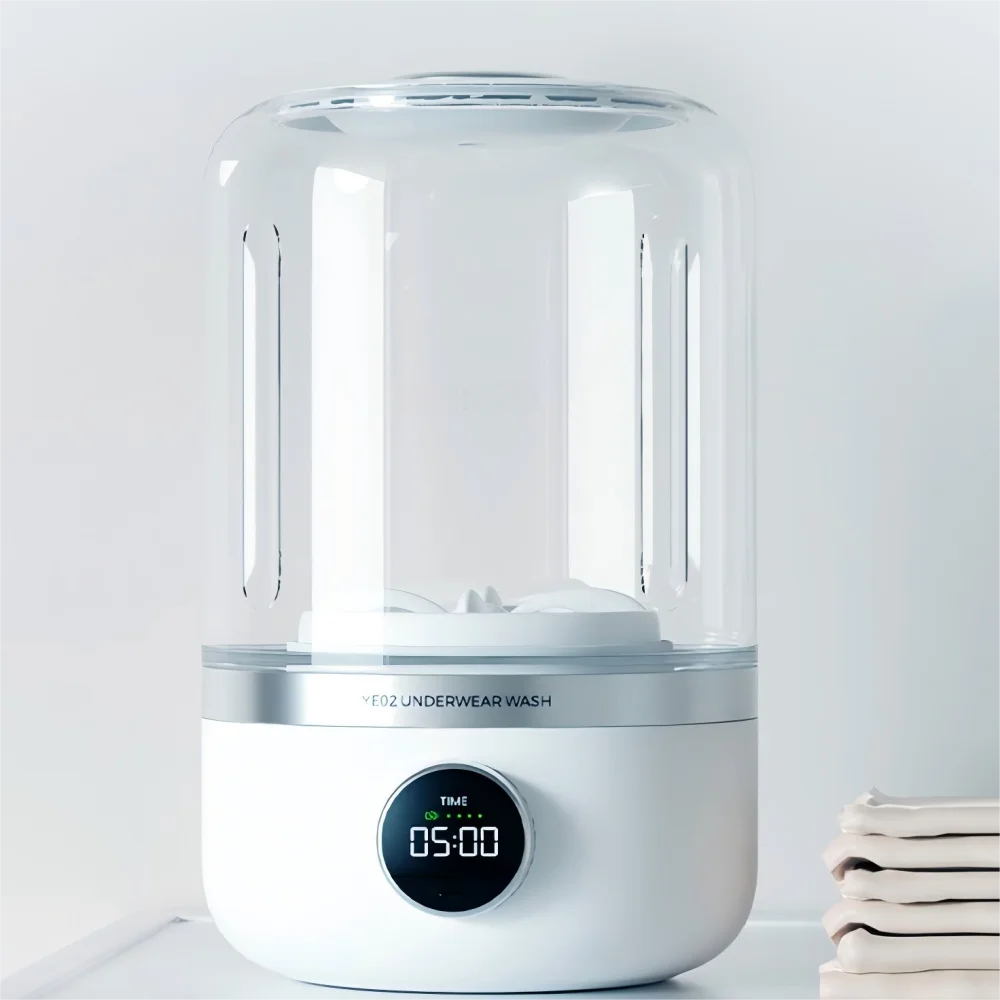
mini washer portable + small load laundry — See it in action.
Quick buyer summary: How to choose the right mini washing machine
If you're shopping for your first mini washing machine, focus on four essentials before comparing models: your available space, the amount of laundry you wash each week, your preferred level of automation, and your budget.
- Best for apartments: A compact electric portable washer with a 3–7 lb capacity offers the best balance of convenience and cleaning performance.
- Best for baby clothes: Choose a gentle-wash model designed for delicate fabrics and frequent small loads.
- Best for travel, camping, or RVs: Lightweight manual or foldable portable washers are easy to transport and require minimal storage space.
- Best value: Semi-automatic portable washers typically provide the strongest mix of washing power, portability, and affordability.
Most buyers should choose a portable washing machine if they regularly wash small loads instead of waiting for full baskets. However, households that frequently wash bulky blankets, heavy towels, or large family loads may be better served by a standard full-size washer.
Who should buy a mini washing machine?
A portable mini washing machine is ideal for people who need frequent, small-scale laundry without dedicating space to a conventional washer. It works especially well for:
- Apartment residents: Save space while avoiding shared laundry rooms.
- Dorm students: Wash everyday essentials without leaving campus housing.
- RV owners and campers: Clean clothing where traditional laundry facilities aren't available.
- Parents with babies: Quickly wash bibs, burp cloths, socks, and baby outfits between larger laundry days.
- Anyone washing delicates: Reduce wear on fabrics that normally require hand washing.
For most users, a mini washer portable isn't intended to replace a full-size washing machine. Instead, it complements one by handling daily essentials quickly while saving water, detergent, and electricity for small loads.
Types of mini washing machines
Manual portable clothes washer
A manual portable clothes washer relies on hand-powered agitation instead of electricity. It's an excellent choice for camping, road trips, cabins, and emergency situations where power or plumbing is unavailable.
- Best for: Camping, travel, RVs, off-grid living
- Advantages: Lightweight, inexpensive, no electricity required, highly portable
- Limitations: Smaller loads, manual effort required, limited spin drying
- Typical price: Budget-friendly
Semi-automatic portable washer
Semi-automatic models typically feature separate wash and spin tubs. They provide stronger cleaning performance than manual washers while using less water and electricity than full-size machines.
- Best for: Apartments, small homes, frequent laundry
- Advantages: Faster drying, larger capacity, efficient water use
- Limitations: Requires moving clothes from wash tub to spinner
- Typical price: Mid-range
Fully automatic portable washer
Fully automatic portable washers perform washing, rinsing, and spinning in a single drum. They offer the greatest convenience for everyday use while remaining compact enough for apartments and condos.
- Best for: Daily household laundry and busy families
- Advantages: One-touch operation, automatic water management, consistent cleaning
- Limitations: Higher purchase price and slightly larger footprint
- Typical price: Mid- to premium-range
Foldable ultrasonic washer
Foldable ultrasonic and compact electric mini washers are designed for lightweight garments, baby clothes, underwear, and delicate fabrics. Many models collapse for convenient storage after use.
- Best for: Baby laundry, delicates, travel, quick refresh cycles
- Advantages: Compact storage, gentle washing action, low water consumption
- Limitations: Small capacity and limited effectiveness on heavily soiled clothing
- Typical price: Budget to mid-range
How mini washing machines actually work
Although portable washing machines vary in design, most operate using the same basic process. The wash tub agitates clothing using rotating pulsators or impellers while detergent loosens dirt and stains. Fresh water is then used to rinse garments before excess moisture is removed through spinning or manual wringing.
- Wash cycle: Most portable units complete a wash cycle in approximately 10–20 minutes.
- Spin performance: Built-in spinners remove a significant amount of water but usually don't leave clothing completely dry.
- Water supply: Depending on the model, water can be added manually, through a faucet adapter, or via a standard inlet hose.
- Power requirements: Manual washers require no electricity, while electric models use considerably less energy than traditional full-size machines.
- Cleaning limitations: Compact machines perform best on everyday clothing and small loads rather than bulky comforters or heavy blankets.
Comparison table: Which type is best?
| Type | Typical Capacity | Noise | Portability | Best Applications | Main Trade-off |
|---|---|---|---|---|---|
| Manual portable washer | 1–4 lbs | Very Low | Excellent | Camping, travel, emergencies | Requires manual effort |
| Semi-automatic washer | 4–10 lbs | Moderate | Good | Apartments, everyday laundry | Separate wash and spin process |
| Fully automatic washer | 6–12 lbs | Low to Moderate | Moderate | Small homes, frequent use | Higher purchase cost |
| Foldable ultrasonic washer | 0.5–2 lbs | Very Low | Excellent | Baby clothes, delicates, travel | Very limited load size |
What features should you look for?
- Choose the right capacity: Individuals usually need 2–4 lb capacity, while families washing baby clothes regularly benefit from 3–7 lb models that reduce the number of wash cycles.
- Evaluate wash and spin performance: A dedicated spin basket shortens drying time and is especially useful in apartments without dryers.
- Check drainage and water connections: Verify whether the machine connects directly to a faucet, fills manually, or drains into a sink or bucket.
- Consider noise and vibration: Rubber feet, balanced drums, and quality motors help reduce disturbance in apartments and dorm rooms.
- Look for portability features: Integrated handles, foldable designs, compact dimensions, and lightweight construction make transport and storage much easier.
- Inspect build quality: Durable plastics, corrosion-resistant tubs, and reliable warranty coverage generally indicate better long-term value.
How to choose the right model for your needs
Apartment living
Apartment residents benefit most from compact electric or semi-automatic portable washers that fit beside a sink or inside a closet. Prioritize quiet operation, a reliable spin cycle, and a capacity of 3–7 lbs for everyday clothing.
RV and camping
When space and power are limited, manual portable washers or lightweight foldable models are easier to transport and store. Look for low water consumption and simple drainage into a bucket or outdoor drain where permitted.
Dorm rooms
Students often need quick washes for shirts, socks, activewear, and towels. A compact machine with fast cycles and minimal setup can reduce trips to shared laundry facilities while saving time throughout the semester.
Baby laundry and delicate fabrics
Families washing baby clothes every day should choose gentle wash programs and avoid overloading the tub. Washing smaller loads separately helps prevent lint transfer and reduces wear on delicate fabrics.
Recommended mini washing machine categories
The best portable washing machine depends on where and how you plan to use it. The categories below help narrow your options before comparing individual models.
Best for apartments
Electric portable mini washers provide the best combination of cleaning performance, capacity, and convenience. They're well suited to daily laundry, frequent small loads, and households that want a practical alternative to shared laundry rooms.
Compact ultrasonic or gentle-cycle portable washers are ideal for bibs, burp cloths, onesies, socks, and other delicate garments. Their gentle washing action helps reduce fabric wear while using very little water.
Best for travel and camping
Manual portable clothes washers remain the most dependable option when electricity isn't available. They're lightweight, durable, and easy to pack for road trips, camping adventures, cabins, and emergency preparedness kits.
Best manual washer
If maximum portability is your priority, a simple hand-powered washer delivers reliable cleaning with virtually no maintenance. Although it requires more effort than electric models, it's an excellent value for occasional use.
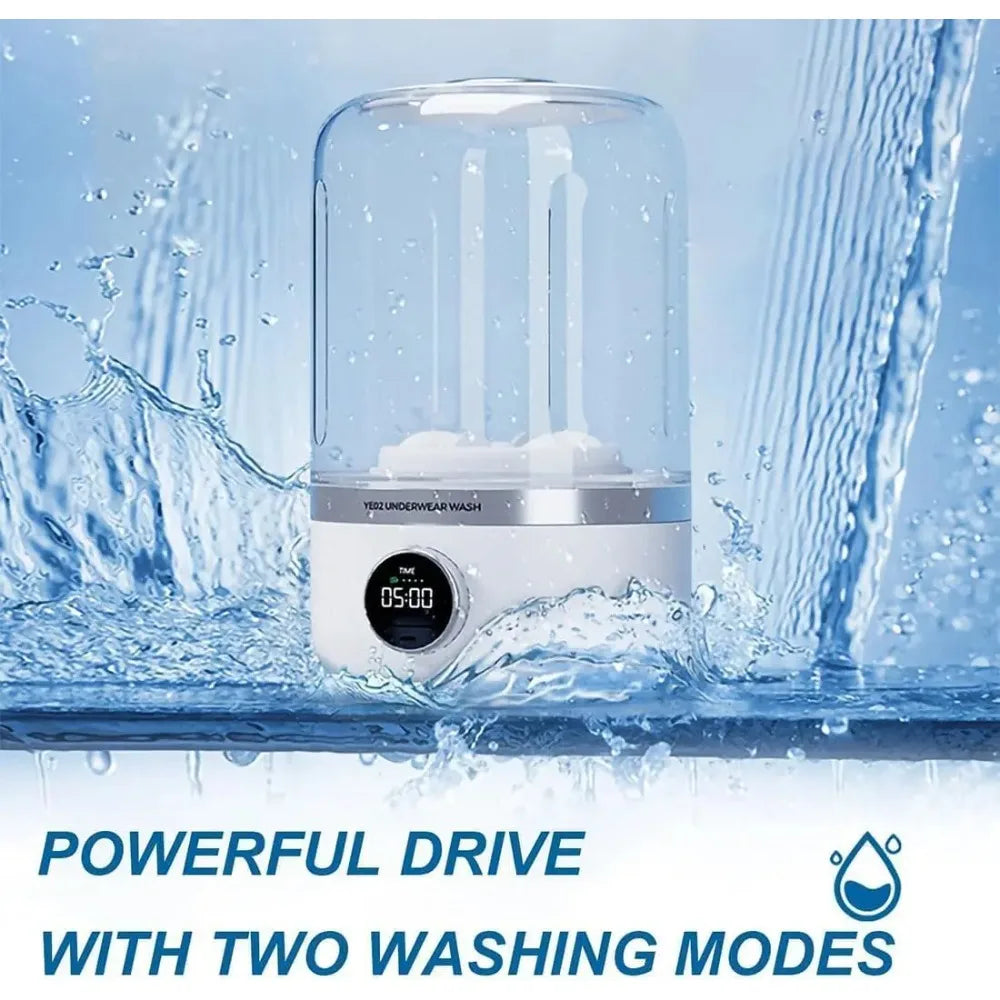
small load laundry + portable washer mini — See it in action.
Compare mini washers
Portable vs. compact full-size washing machine
| Feature | Portable Mini Washer | Compact Full-Size Washer |
|---|---|---|
| Space required | Very small; easy to store | Requires dedicated installation space |
| Laundry capacity | Small daily loads | Family-sized loads and bulky bedding |
| Water and electricity use | Low per cycle | Higher per wash but larger capacity |
| Portability | Easy to move for travel or storage | Designed for permanent placement |
| Best choice | Apartments, dorms, RVs, baby laundry | Large households with regular heavy laundry |
Price expectations and operating costs
The total cost of owning a mini washing machine extends beyond its purchase price. Factoring in electricity, water usage, durability, and maintenance helps you identify the best long-term value for your household.
| Category | Typical Cost | Best For |
|---|---|---|
| Manual portable washer | Lowest purchase cost | Occasional travel and camping |
| Foldable compact washer | Budget to mid-range | Baby clothes and delicates |
| Semi-automatic washer | Mid-range | Frequent apartment laundry |
| Fully automatic portable washer | Highest initial investment | Maximum convenience and regular use |
- Water consumption: Mini washers typically require significantly less water than full-size machines because they clean much smaller loads.
- Electricity usage: Compact motors generally consume less power per cycle, making them economical for frequent small loads.
- Maintenance costs: Routine cleaning and proper storage can minimize repair expenses and extend the appliance's lifespan.
- Best value: Buyers who wash small loads several times each week often recover the purchase cost through convenience, reduced utility use, and fewer laundromat visits.
Maintenance tips to extend lifespan
Regular maintenance helps portable washing machines continue performing efficiently while reducing odors, mold, and premature wear.
- Clean the wash tub regularly using warm water and a mild cleaning solution to remove detergent residue.
- Leave the lid or cover open after each cycle so moisture can evaporate completely.
- Empty and clean drain hoses periodically to prevent blockages and unpleasant odors.
- Store foldable or portable models in a dry location away from direct sunlight when not in use.
- Avoid exceeding the recommended load capacity, which places unnecessary strain on the motor and spinning mechanism.
- Inspect power cords, water hoses, and connections periodically for signs of wear before each use.
Common buying mistakes to avoid
- Choosing the wrong capacity: Buying a machine that's too small often results in multiple wash cycles, while an oversized model may waste valuable storage space.
- Ignoring drainage requirements: Verify where wastewater will drain before purchasing, especially for apartments, dorms, and RVs.
- Expecting dryer-level spin performance: Most portable washers remove excess water but still require clothes to air dry or finish drying in a conventional dryer.
- Using the wrong detergent: Excess detergent creates excessive foam that can reduce cleaning performance and complicate rinsing.
- Buying for unsuitable workloads: Portable washers are designed for everyday clothing, baby garments, underwear, and delicates—not heavy comforters, rugs, or large family laundry loads.
Recommendations by buyer type
Selecting the right mini washing machine depends on your available space, laundry habits, and expectations. Matching the machine to your daily routine will provide the best long-term value.
- Apartment residents: Choose a fully automatic or semi-automatic portable washer with a 3–7 lb capacity for the best balance of convenience and cleaning performance.
- Parents washing baby clothes: A gentle-cycle compact washer is ideal for frequent loads of bibs, onesies, socks, and other delicate garments.
- Travelers and campers: Manual portable washers remain the most practical choice where electricity or plumbing is unavailable.
- Occasional users: Foldable compact washers are easy to store and work well for quick refreshes of lightweight clothing.
Buy the mini washer portable
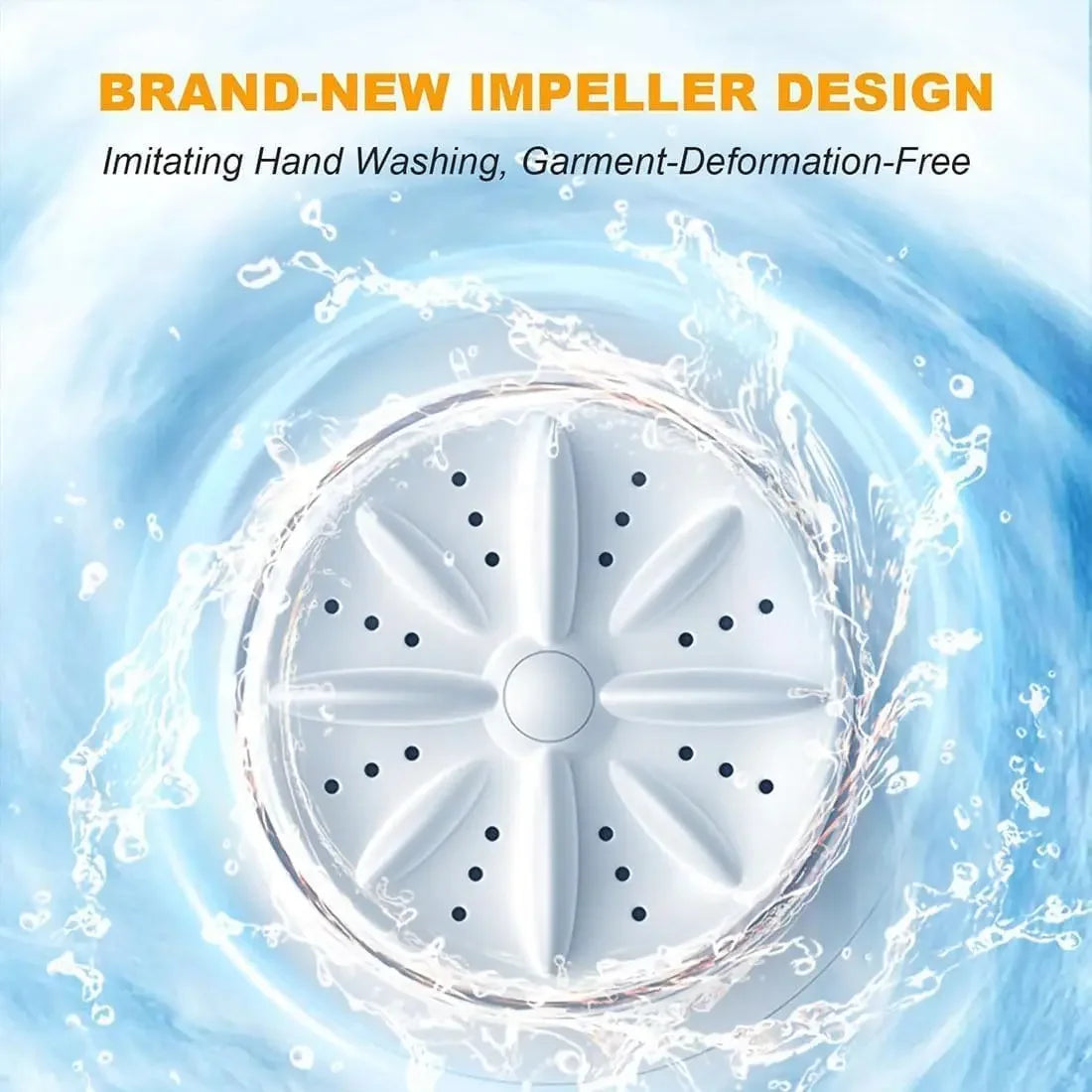
portable washer mini + travel portable washing machine — See it in action.
Frequently asked questions
-
How do I choose the right size portable washing machine?
Choose a capacity based on your typical laundry volume. A 2–4 lb model suits individuals and travelers, while a 3–7 lb machine is better for apartments and families washing baby clothes regularly. -
What features should I look for in a portable washing machine?
Prioritize appropriate capacity, an effective spin cycle, quiet operation, reliable drainage, durable construction, and compatibility with your available water connection. -
Are manual portable washing machines worth buying?
Yes. They're an excellent choice for camping, RV travel, emergency preparedness, and occasional laundry where electrical power isn't available. -
Can a mini washing machine wash towels and jeans?
Most portable washers can handle one or two lightweight towels or a pair of jeans if they fall within the recommended load limit. Large comforters, heavy blankets, and oversized loads should be washed in a full-size machine. -
Do portable washing machines need plumbing?
Not always. Many models fill manually or connect temporarily to a faucet, while most drain directly into a sink, shower, or bucket. -
How much water and electricity does a mini washing machine use?
Portable washers generally consume substantially less water and electricity than conventional washing machines because they clean much smaller loads. -
What is the difference between semi-automatic and fully automatic portable washers?
Semi-automatic models usually have separate wash and spin tubs that require transferring clothes between them. Fully automatic machines complete washing, rinsing, and spinning in one drum with minimal user involvement. -
Who should avoid buying a mini washing machine?
Large households that routinely wash bulky bedding, heavy towels, or several loads each week will usually benefit more from a standard full-size washing machine.
Schema-ready FAQ (short answers)
-
Q: Is a portable mini washing machine worth it?
A: Yes. It's an excellent solution for frequent small loads, saving water, electricity, and time. -
Q: Which mini washer is best for travel?
A: A lightweight manual portable washer or compact foldable model is typically the easiest to transport. -
Q: How do I care for the mini washer?
A: Clean the drum regularly, leave the lid open after use, and inspect hoses and drain lines periodically.
Whether you're looking for a small portable washing machine for apartment living, a compact washer for baby clothes, or a travel-friendly solution for camping and RV adventures, choosing the right mini washer portable can make everyday laundry more convenient and efficient. For detailed specifications and current availability, visit the product page: portable mini washing machine .
Related reading: find more practical baby solutions in Baby Care Essentials and gear to make life simpler in Mom Essentials .
Pillar Article: Mini Portable Washing Machines: Top Options Reviewed for Small Spaces
Other Related Articles:
- Compact Portable Washer Machine: Reviews for Tiny Laundry Spaces
- Portable Small Washer Machine Reviews: Pros, Cons, and Top Picks
- Washing Delicates in Washing Machine: Best Small Washers to Try
- Small Portable Washers Compared: Which One Fits Your Home Best
Explore More:





