

Small Portable Washers Compared: Which One Fits Your Home Best
Choosing between a mini laundry machine and a regular washing machine is easier when you understand the trade-offs. Small portable washers are ideal for apartments, dorms, RVs, and homes with limited laundry space, while traditional washers excel at handling larger, heavier loads. This guide compares capacity, cleaning performance, operating costs, installation, and long-term value to help you decide which option best fits your home.
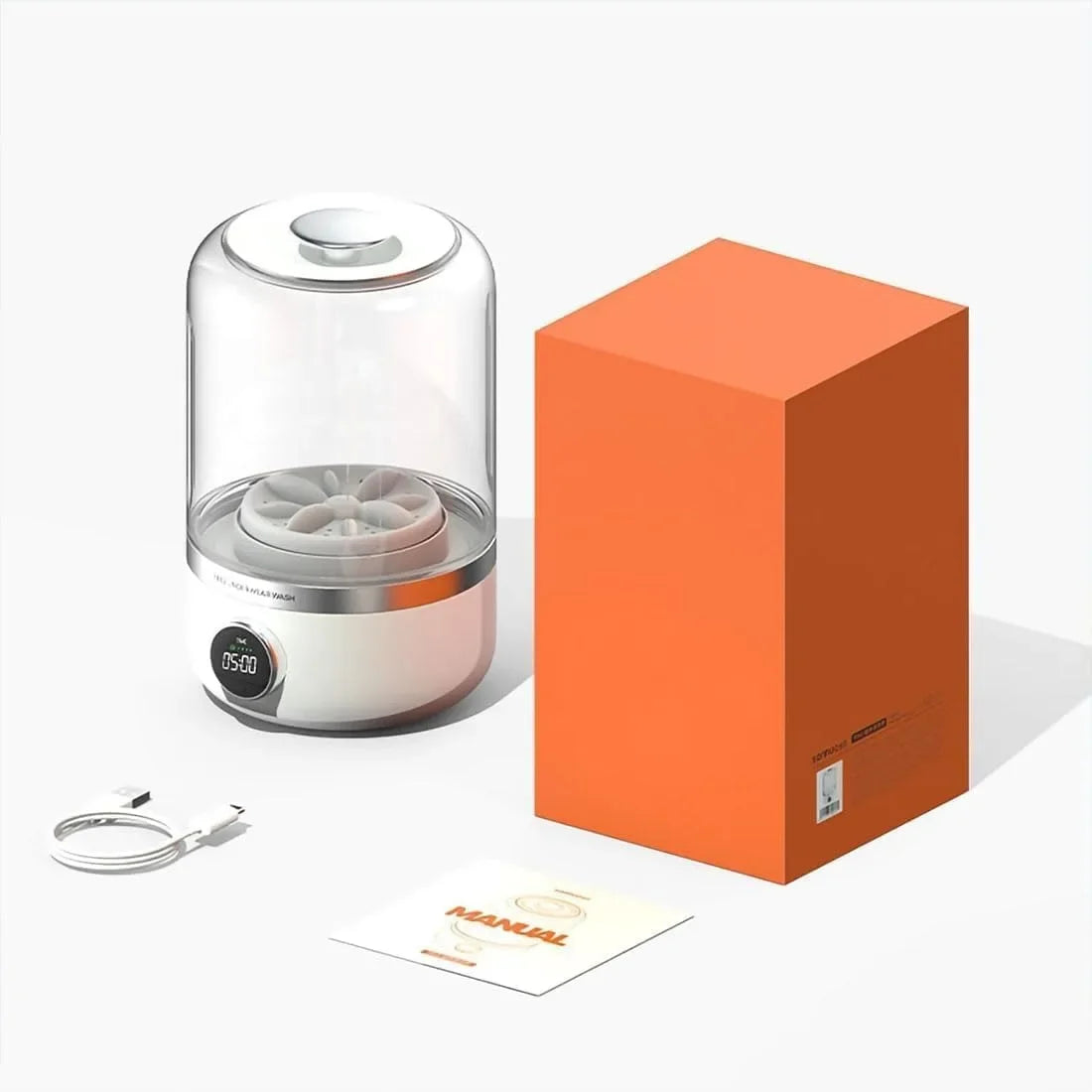
Small portable washers and compact laundry solutions for limited spaces.
Mini Laundry Machine vs Regular Laundry Machine: Quick Comparison
| Feature | Mini Laundry Machine | Regular Laundry Machine |
|---|---|---|
| Typical Capacity | 2–5 kg per load | 7–12+ kg per load |
| Space Needed | Countertop, closet, bathroom, or apartment corner | Dedicated laundry area |
| Water & Energy Use | Lower for small loads | Higher overall but efficient for large loads |
| Installation | Often connects to a faucet or fills manually | Permanent plumbing and drain connection |
| Best For | Singles, couples, students, RV owners | Families and frequent large loads |
When comparing a mini laundry machine vs regular laundry machine , the biggest differences are capacity, portability, and installation requirements. Mini models prioritize flexibility, while full-size washers maximize convenience for larger households.
What Is a Mini Laundry Machine and How Does It Work?
A mini laundry machine performs the same basic washing process as a traditional washer but in a much smaller footprint. Most units agitate clothing with a compact motor, drain dirty water, and either spin clothes partially dry or transfer them to a separate spin compartment.
Portable Washers
Portable washers are designed for renters and apartment dwellers. Many connect temporarily to a sink faucet and drain directly into a sink or bathtub.
Countertop Washers
Countertop models are extremely compact and work well for baby clothes, delicates, gym wear, or other very small loads.
Twin-tub machines separate washing and spinning into two compartments. Although they require moving clothes manually, they often complete loads faster than similarly sized single-tub units.
Compact Automatic Washers
Automatic compact washers closely resemble traditional machines, offering wash and spin cycles with minimal user intervention. They are popular among renters seeking a portable washing machine vs traditional washer that requires little setup.
Mini Laundry Machine vs Regular Laundry Machine: Key Differences
Capacity
A full-size washer can clean several days' worth of laundry in one cycle, while a mini machine handles smaller daily loads more efficiently.
Cleaning Performance
If you wonder, do portable washers work , the answer is yes for everyday clothing, towels, baby clothes, and lightly soiled garments. Traditional washers generally perform better with heavily soiled workwear and oversized fabrics.
Cycle Time
Mini machines often finish washing quickly, though multiple loads may be necessary for larger households.
Water and Energy Use
Because they wash less clothing per cycle, compact machines generally use less water and electricity for routine small loads.
Portability and Storage
The biggest advantage of a mini washer is mobility. Many units can be stored in a closet after use, unlike permanently installed full-size machines.
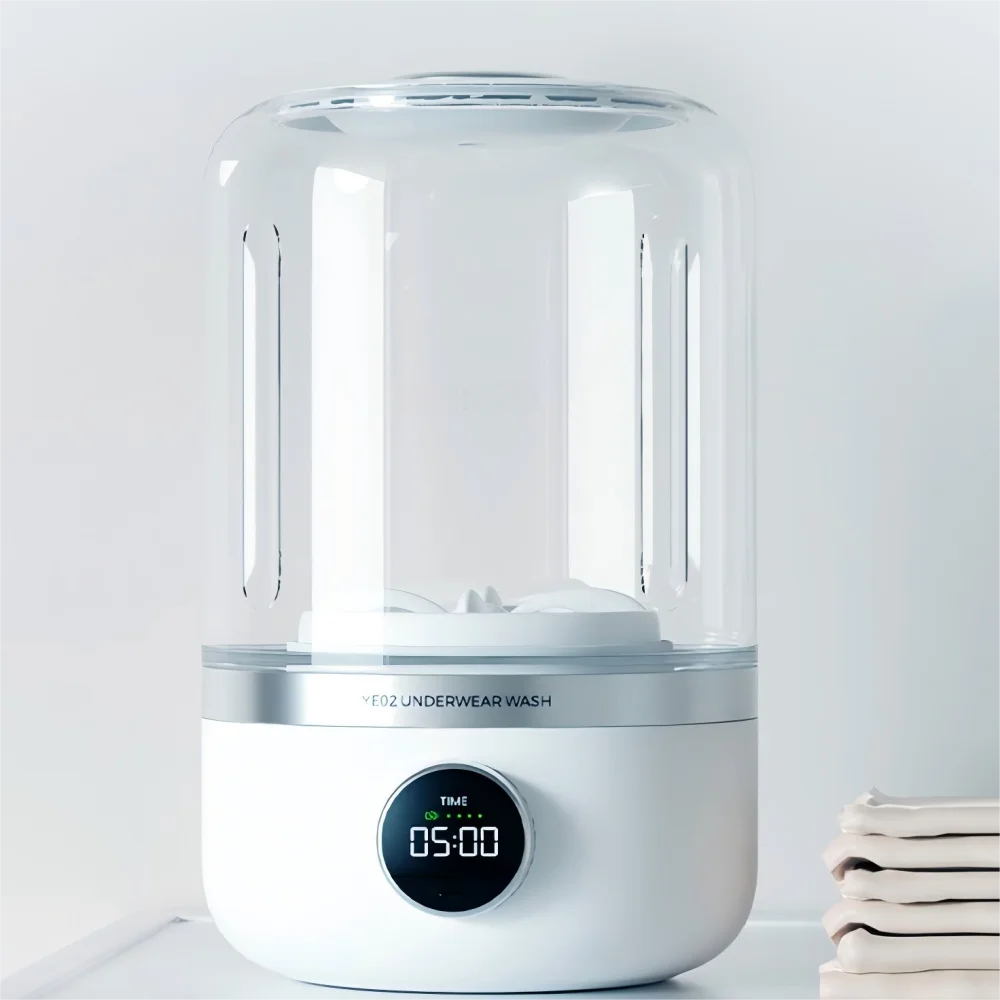
Portable washing machines fit comfortably into apartments and other compact living spaces.
How Much Laundry Can Each Machine Handle?
Loads for Singles and Couples
Most compact washing machines for small spaces comfortably wash several shirts, undergarments, lightweight pants, or a few towels in one load.
Loads for Families
Families with children typically generate enough laundry to benefit from a regular washing machine, reducing the number of cycles required each week.
Bulky Items and Bedding
Comforters, thick blankets, sleeping bags, and oversized bedding often exceed the capacity of small washing machines for apartments. Full-size machines remain the better choice for these items.
Which Cleans Better? Real-World Performance Comparison
Light Everyday Laundry
Portable washers perform well with everyday clothing, office wear, baby garments, and lightly worn fabrics.
Heavily Soiled Clothes
Mud-covered clothing, heavily stained uniforms, and thick fabrics generally benefit from the stronger motors and larger drum movement found in regular washers.
Delicates and Specialty Fabrics
Mini machines are often gentler on delicate fabrics because smaller loads reduce friction during washing. However, always follow garment care labels regardless of machine type.
Cost Comparison: Purchase Price and Long-Term Ownership
Upfront Cost
Mini laundry machines usually cost significantly less than standard washers, making them attractive for renters, students, and first-time apartment residents.
Utility Costs
Smaller loads require less detergent, less water, and less electricity, reducing ongoing operating expenses for people who rarely accumulate large amounts of laundry.
Maintenance and Repairs
Regular cleaning of filters, hoses, and drain systems helps extend the lifespan of both portable and full-size machines. Simpler portable models may also have fewer components requiring service.
Installation, Plumbing, and Space Requirements
Apartment Setups
A washing machine for small spaces typically connects temporarily to a kitchen or bathroom faucet and drains into a nearby sink, making installation straightforward for renters.
RV and Dorm Use
Portable units are especially useful where permanent plumbing modifications are not possible.
Dedicated Laundry Rooms
Homes with dedicated laundry areas usually benefit more from full-size washers, especially when handling frequent or large family loads.
Pros and Cons of Mini Laundry Machines
Advantages- Excellent for apartments, dorms, cabins, and RVs.
- Lower water and electricity consumption.
- Easy to store when not in use.
- Ideal for frequent small loads.
- Smaller capacity.
- Not suitable for large comforters or bulky bedding.
- Multiple loads may be required for families.
Pros and Cons of Regular Laundry Machines
Advantages- Handles large household laundry efficiently.
- Better cleaning power for heavily soiled clothing.
- Larger spin cycles remove more moisture before drying.
- Requires considerably more installation space.
- Higher purchase price and utility usage.
- Not easily moved after installation.
Choosing the right washer depends on your available space, laundry habits, and household size.
Who Should Buy a Mini Laundry Machine vs a Regular Laundry Machine?
Apartment Dwellers
A portable washer for small apartment living is often the most practical solution when laundry hookups are unavailable.
Students
Students living in dormitories or shared housing can save time and avoid laundromat visits with a compact washer.
RV Owners and Travelers
Portable models are well suited to RV travel, vacation cabins, and temporary accommodations where permanent appliances are impractical.
Families and Large Households
Large families typically benefit more from the capacity and convenience of a traditional washer, especially when washing bedding, towels, and children's clothing frequently.
Final Verdict: Which Option Is Better for Your Situation?
There is no universal winner in the mini laundry machine vs regular laundry machine comparison. A mini washer is an excellent choice if you prioritize portability, lower operating costs, and limited living space. A traditional washing machine remains the better investment for households with heavy weekly laundry demands, bulky bedding, or multiple family members. Selecting the right machine ultimately depends on your available space, laundry volume, and lifestyle.
Frequently Asked Questions
Do portable washers work as well as regular washing machines?
They perform very well for everyday clothing, baby garments, delicates, and lightly soiled items, but regular washers generally outperform them when cleaning heavily stained or bulky laundry.
Are portable washers worth it for apartment living?
Yes. They provide convenient in-home laundry without requiring permanent plumbing, making them especially valuable for renters.
How do I choose the right size portable washing machine?
Estimate the amount of laundry you typically wash each week, measure your available space carefully, and choose a capacity that balances convenience with storage requirements.
Can a mini washing machine wash blankets or comforters?
Small lightweight blankets may fit some models, but thick comforters and oversized bedding usually require a full-size washing machine.
Do mini washing machines use less water and electricity?
Yes. Because they clean smaller loads, they generally consume less water, detergent, and electricity per wash.
Do portable washing machines require plumbing?
Most do not require permanent plumbing. Many connect temporarily to a sink faucet and drain into a sink or bathtub.
How long do mini laundry machines typically last?
With proper maintenance and moderate use, many quality portable washers provide several years of reliable service.
What household size is best suited for a mini washing machine?
Mini washers are best suited for singles, couples, students, RV owners, and households with relatively small daily laundry needs.
Pillar Article: Mini Portable Washing Machines: Top Options Reviewed for Small Spaces
Other Related Articles:
- Compact Portable Washer Machine: Reviews for Tiny Laundry Spaces
- Portable Small Washer Machine Reviews: Pros, Cons, and Top Picks
- Mini Washer Portable Buying Guide: Top Picks for Efficient Laundry
- Washing Delicates in Washing Machine: Best Small Washers to Try
Explore More:





