

Does a wipe warmer really reduce nighttime diaper change stress?
Yes — a wipe warmer can make nighttime diaper changes more comfortable by reducing the shock of cold wipes, especially for babies who become alert or fussy during changes. However, it works best as one part of a calm nighttime diaper routine that also includes dim lighting, quick movements, and minimal stimulation.
⏱ 8 min readNighttime Diaper Change Stress Reduced with Smart Warming Features
Nighttime diaper changes can feel challenging when every small disruption risks waking a sleepy baby. The best approach combines a prepared changing area, gentle handling, low lighting, and simple comfort strategies that help babies return to sleep faster. A portable wipe warmer can be one helpful tool for parents who want a more comfortable experience during late-night changes.
Smart Baby Gadgets
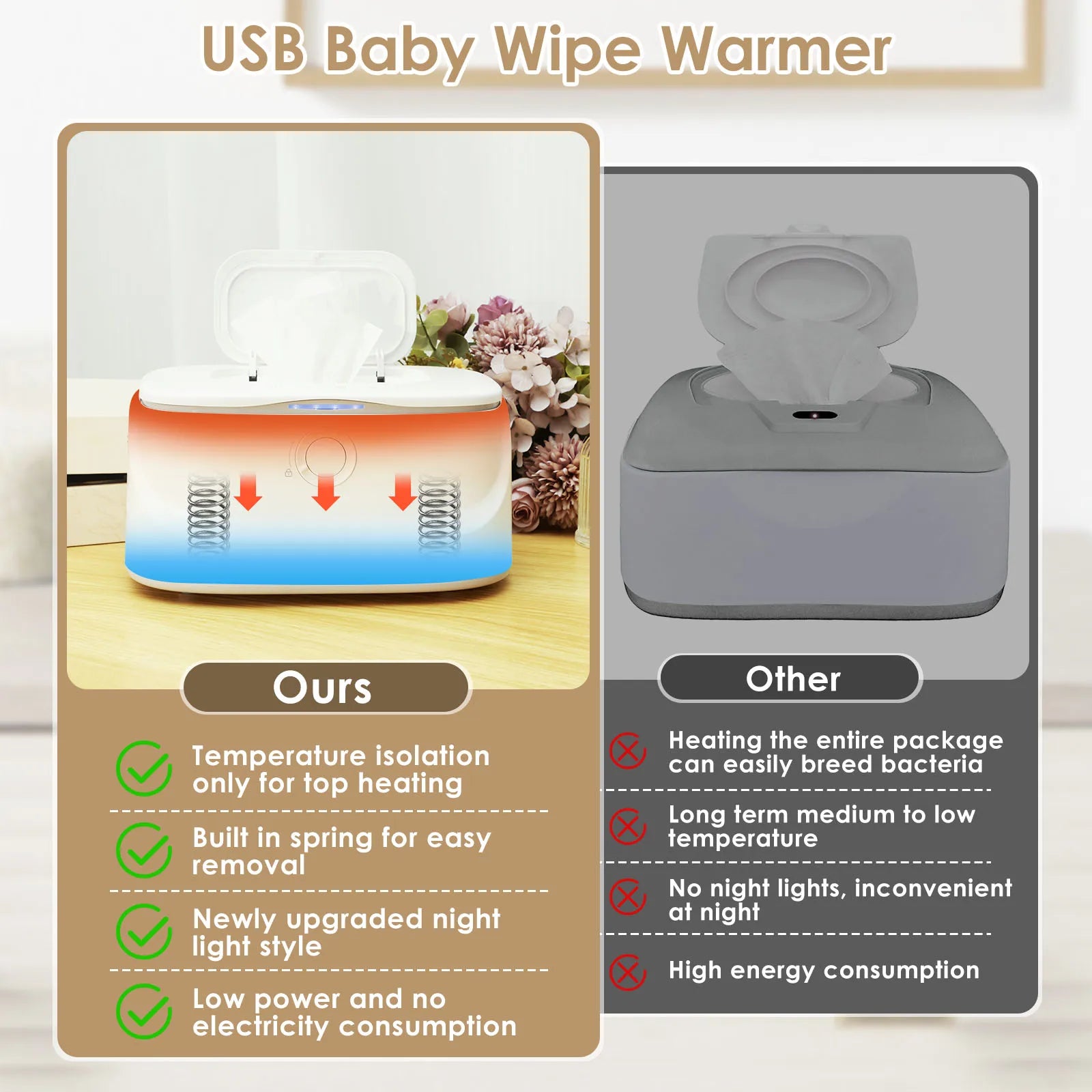
Warm wipes for calmer nights — nighttime diaper changes made gentler. See it in action
Why nighttime changes feel so hard
Nighttime diaper changes are difficult because they happen when both parents and babies are naturally ready for sleep. A sudden light, cold wipe, or too much movement can interrupt the relaxed state needed for an easy return to rest.
Parents often manage several challenges at once: working in low light, handling a sleepy baby, avoiding unnecessary interaction, and finishing quickly before a feeding or sleep window is disrupted. Understanding these factors is the first step toward learning how to change a diaper at night without waking baby.
Why nighttime diaper changes disrupt baby sleep
Babies are more likely to wake fully when a diaper change includes bright lights, cold sensations, loud sounds, or extended engagement. A calm nighttime diaper changing routine focuses on keeping the environment boring and predictable so the baby understands it is still sleep time.
- Use soft lighting instead of bright overhead lights
- Prepare supplies before bedtime to avoid searching during changes
- Keep talking and eye contact to a minimum
- Move slowly but efficiently to reduce stimulation
When babies usually need overnight diaper changes
Newborn night diaper change frequency is usually higher because newborns feed often and have smaller bladders. Many newborns need diaper checks during nighttime feeds, while older babies may gradually go longer between changes depending on their sleep habits, diaper absorbency, and comfort.
Parents should balance protecting skin health with preserving sleep. A wet or soiled diaper generally needs attention, but not every overnight movement requires a full wake-up routine.
How warm wipes help — quick answer
Direct answer: Warm wipes can make nighttime diaper changes more comfortable by reducing the sudden cold sensation that may cause fussing or alertness. They do not guarantee that a baby will stay asleep, but they can support a smoother change when combined with a quiet environment and gentle handling.
Key benefits of warm wipes (short list)
- Creates a gentler sensation during diaper changes
- May reduce fussing caused by cold wipes
- Helps maintain a calmer nighttime routine
- Supports faster transitions back to sleep
Top warming features that reduce stress
Not all wipe warmers are equal. Parents should focus on comfort, safe operation, and practical use rather than choosing a warmer based only on extra features.
How to use a wipe warmer safely (step-by-step)
A wipe warmer can support a calmer nighttime diaper routine when it is used correctly. The goal is to provide a comfortable wipe temperature while keeping the changing area clean, safe, and simple to manage during sleepy overnight care.
- Place the warmer on a stable surface away from the edge of a changing table and away from water sources.
- Follow the manufacturer's instructions for loading wipes and maintaining moisture levels. Avoid adding more wipes than recommended.
- Check the wipe temperature before use by testing it on your wrist to make sure it feels comfortably warm, not hot.
- Keep the lid closed between uses to help prevent wipes from drying out and to maintain a consistent routine.
- Clean the warmer regularly according to the manufacturer's guidance to keep the container hygienic for baby care.
Safety and simplicity matter most during overnight changes. A wipe warmer should make the routine easier, not create extra steps that interrupt your baby's sleep environment.
Baby Care Essentials
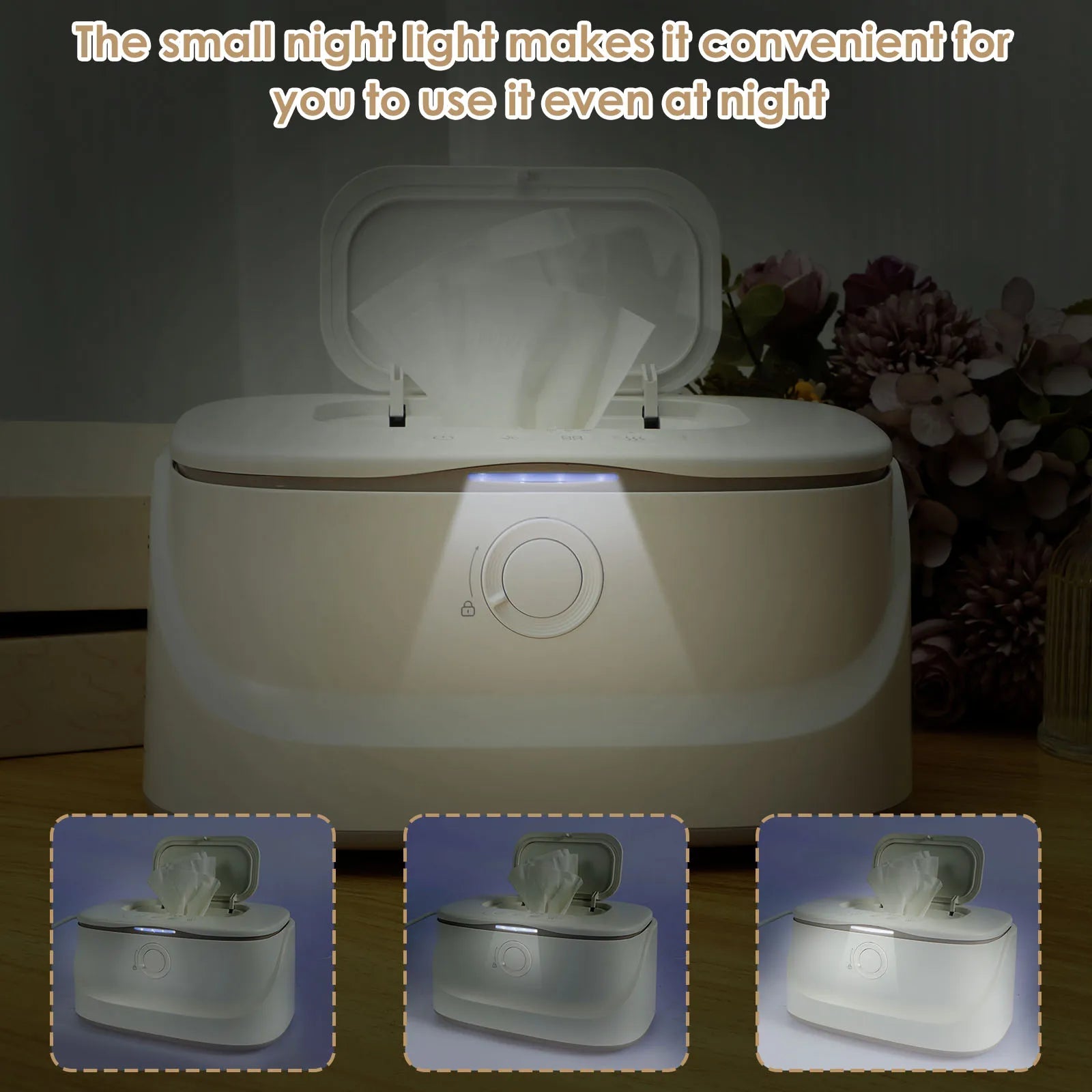
Warm wipes reduce jolt and fuss — nighttime diaper changes smoother, calmer. See it in action
Step-by-step low-light diaper changing method
Knowing how to change a diaper at night without waking baby is mostly about reducing stimulation. A predictable sequence helps your baby recognize that nighttime changes are temporary and that sleep will continue afterward.
Use dim lighting instead of bright overhead lights
Bright lights can signal daytime and make it harder for babies to settle again. Use a soft night light or the lowest practical lighting level so you can safely complete the change without creating unnecessary alertness.
Change quickly while keeping baby calm
Prepare everything before starting: a clean diaper, wipes, cream if needed, and any changing supplies should already be within reach. Keep movements gentle, avoid playful interaction, and use a quiet voice or minimal talking.
Resettle baby after the diaper change
After changing, return your baby to the same calm environment used before the change. Avoid extra activity, bright screens, or extended interaction. A consistent nighttime diaper changing routine helps reinforce that waking briefly does not mean playtime has started.
How warm wipes can make night changes more comfortable
Warm wipes for diaper change routines can be especially helpful for babies who react strongly to the cold sensation of room-temperature wipes. The main benefit is comfort: a warmer wipe may feel gentler against sensitive skin and reduce the sudden temperature change that can cause fussing.
Benefits of warm wipes for newborn comfort
- Creates a softer, more comfortable diaper change experience
- May help reduce crying caused by cold wipes
- Supports a calmer transition between feeding, changing, and sleeping
- Fits easily into a prepared nighttime care routine
When a wipe warmer may help
A smart diaper warmer can be useful for families dealing with frequent nighttime changes, newborn fussiness during diapering, or parents who want to minimize disruptions during overnight care. A portable option can also be convenient for moving between rooms or keeping supplies organized near different changing areas.
For parents looking for a travel-friendly option, a USB-powered warmer can be added to a diaper station setup: /products/usb-baby-wipe-warmer-led-light .
Common mistakes that wake babies during diaper changes
Many nighttime wake-ups happen because the changing process becomes too stimulating. Small adjustments can help reduce baby wake ups during diaper change routines.
- Turning on bright lights: Use soft lighting whenever possible to maintain a sleep-friendly environment.
- Searching for supplies: Prepare diapers, wipes, and creams before bedtime so the change is faster.
- Too much interaction: Keep conversations, eye contact, and playfulness for daytime hours.
- Changing the routine every night: A consistent process helps babies understand that nighttime changes are brief and predictable.
The best nighttime diaper changes are not necessarily the fastest ones — they are the ones that keep your baby comfortable while avoiding unnecessary stimulation.
Newborn vs Older Baby Nighttime Diaper Changes
How often to change a newborn diaper at night
Newborn night diaper change frequency is usually higher because newborns feed frequently and have smaller bladder capacity. Many parents change diapers during overnight feeds, especially when the diaper is wet or soiled, to help protect delicate skin and maintain comfort.
As babies grow, nighttime diaper needs can change. Some babies may need fewer changes as they sleep for longer stretches and use more absorbent overnight diapers. The goal is to balance hygiene, skin protection, and preserving restful sleep.
When older babies may sleep through changes
Older babies who sleep longer may not always need a diaper change during every nighttime waking. If the diaper remains dry and the baby is comfortable, avoiding unnecessary stimulation can help maintain sleep patterns.
Parents can adjust their overnight diaper routine baby schedule based on their child's age, feeding pattern, skin sensitivity, and diaper performance.
How to Prevent Nighttime Diaper Leaks and Discomfort
Nighttime leaks can interrupt sleep just as much as an uncomfortable diaper change. Creating a reliable overnight diaper routine helps reduce wetness, irritation, and unexpected wake-ups.
Choosing the right overnight diaper fit
A good overnight diaper should fit securely around the waist and legs without leaving pressure marks. A diaper that is too loose may allow leaks, while one that is too tight can cause discomfort during long sleep periods.
- Choose a diaper size that matches your baby's current fit, not only age recommendations
- Check that leg openings create a gentle seal without gaps
- Consider overnight diapers designed for longer absorbency
- Change before the longest sleep stretch when possible
Preventing diaper rash during overnight sleep
Keeping skin healthy overnight starts with clean, dry diaper habits. If your baby is prone to irritation, allow the skin to dry before putting on a fresh diaper and use barrier products when recommended by your pediatrician.
Comfortable diapers, gentle wipes, and a consistent nighttime diaper changing routine can work together to reduce discomfort that may interrupt sleep.
Which warmer fits your family?
A wipe warmer should fit your daily routine rather than add extra complexity. Consider where nighttime changes happen most often and choose a setup that keeps supplies easy to reach.
- Frequent night changes in different rooms: A portable USB warmer can be useful for parents who move between the nursery, bedroom, or living area. Product example: /products/usb-baby-wipe-warmer-led-light .
- Dedicated changing station: A warmer placed near your main diaper station can keep wipes ready when overnight changes happen regularly.
- Travel or flexible routines: A compact option can help families maintain familiar diaper-changing habits outside the home.
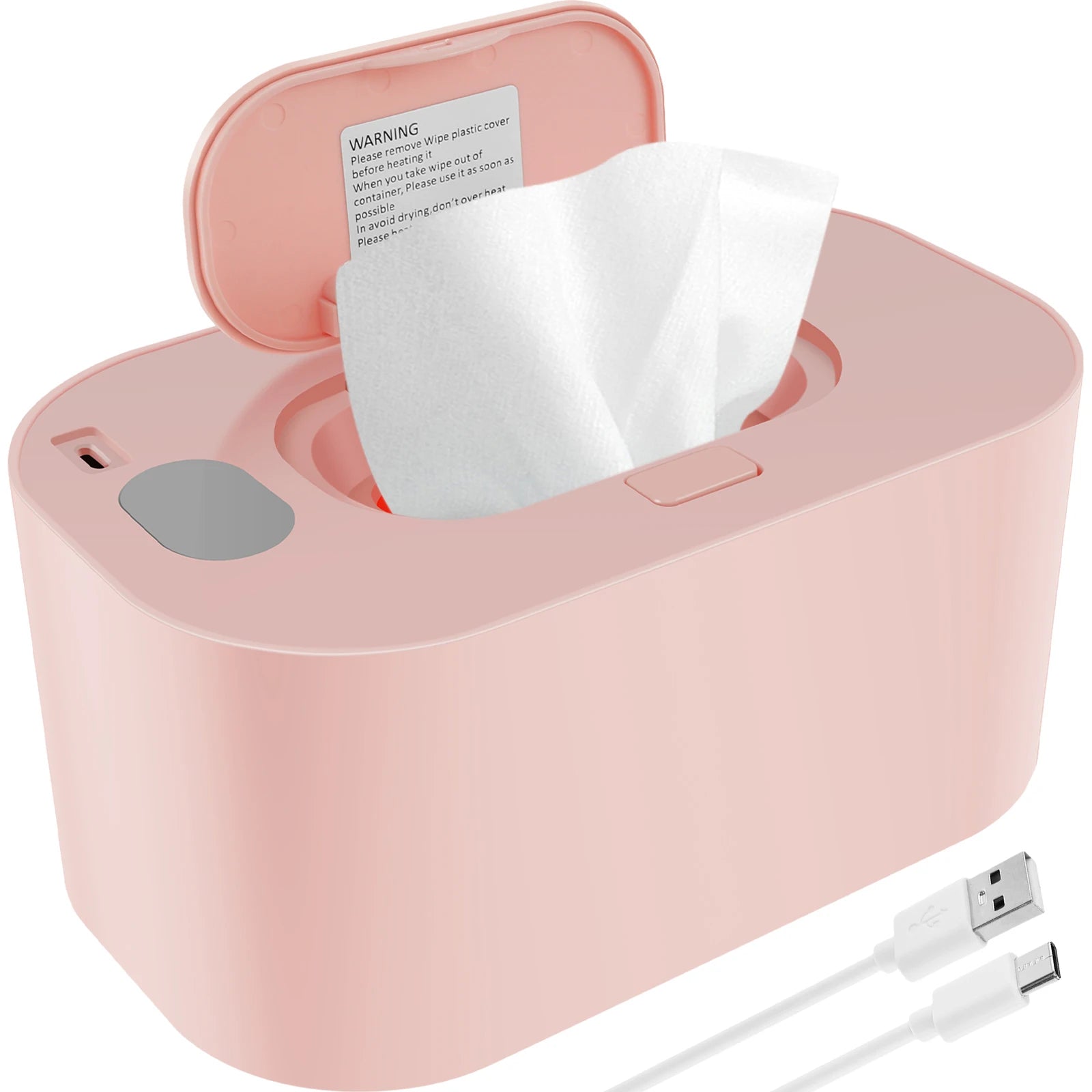
Portable warmers for gentle, fast nighttime diaper changes — warm wipes, calm babies. See it in action
USB Baby Wipe Warmer
Frequently Asked Questions About Night Diaper Changes
-
Should I wake my newborn for a diaper change at night?
Many newborns need overnight diaper changes, especially after feeding or when the diaper is wet or soiled. If your baby is sleeping comfortably, follow guidance from your pediatrician and consider your baby's age, skin sensitivity, and feeding routine.
-
How often should I change my baby's diaper overnight?
The answer depends on your baby's age, feeding schedule, and diaper absorbency. Newborns often need more frequent changes, while older babies may go longer stretches when using an appropriate overnight diaper.
-
How can I change a diaper at night without waking my baby?
Keep the room dim, prepare supplies before bedtime, avoid unnecessary interaction, and use calm movements. A predictable routine helps keep baby asleep during diaper change.
-
Should I use lights during a nighttime diaper change?
Yes, but choose soft, low lighting instead of bright overhead lights. The goal is to see safely while avoiding signals that encourage your baby to become fully awake.
-
Do warm wipes help during nighttime diaper changes?
Warm wipes may make diaper changes more comfortable by reducing the cold sensation of regular wipes. They are most helpful when combined with a calm environment and gentle nighttime routine.
-
Can an overnight diaper prevent leaks while my baby sleeps?
Overnight diapers with the right fit and absorbency can help reduce leaks, but no diaper works perfectly for every baby. Proper sizing and regular skin checks are still important.
Small adjustments before and during nighttime diaper changes can make the routine smoother. Prepare supplies ahead of time, keep stimulation low, prioritize comfort, and use helpful tools only when they simplify care.
Related gear for a calmer night: Sleep & Comfort , Baby Hygiene Gadgets , and Baby Care Essentials .
Frequently asked
- How quickly should I test a new warmer?
- Test temperature on your wrist, check for uneven heat, and run it empty for a cycle to flush manufacturing residues before first use.
- Can I use scented wipes?
- Unscented wipes are best for newborn skin; scents can irritate sensitive skin when heated.
Pillar Article: USB Baby Wipe Warmer Benefits Explained for Smooth Day and Night Changes
Other Related Articles:
Explore More:





