

Are Silicone Toothbrushes Safe? What Dentists Want You to Know
A non toxic silicone toothbrush is generally considered safe for daily oral care when it is made from high-quality food-grade or medical-grade silicone and used correctly. Silicone toothbrushes are designed to provide gentle cleaning with flexible silicone bristles that reduce harsh friction on gums while supporting comfortable brushing habits.
Food-grade silicone is commonly used in products that come into contact with the body because it is durable, flexible, and resistant to moisture absorption. Medical-grade silicone follows stricter standards for biocompatibility and is often used in healthcare applications. When choosing a silicone toothbrush, checking material quality, manufacturer information, and safety certifications can help ensure a safer choice.
Many adults and parents choose silicone toothbrushes because they are soft, easy to clean, and comfortable for sensitive mouths. However, safety does not mean every silicone toothbrush works the same way. Brush design, cleaning technique, and individual oral health needs still determine results.
Non Toxic Silicone Toothbrush Comparison for Daily Use
⏱ 8 min read
Non toxic silicone toothbrush options are becoming popular among families and adults looking for gentler daily brushing solutions. If you have experienced gum discomfort, sensitivity, or irritation from traditional toothbrush bristles, changing brush materials may improve comfort. This guide explains how silicone toothbrushes work, compares silicone vs regular toothbrush designs, reviews benefits and drawbacks, and helps you choose the right option for sensitive gums, kids, and everyday oral care.

Non toxic silicone toothbrush design for gentle daily oral care See it in action
How Do Silicone Toothbrushes Work?
A silicone toothbrush works by using flexible silicone bristles or cleaning surfaces that contact teeth and gums with a softer brushing action. Instead of relying only on stiff scrubbing movements, silicone designs combine gentle friction with surface massage to loosen food particles and support daily plaque control.
Silicone bristle toothbrush designs typically clean through:
- Gentle surface contact: Flexible silicone tips adapt to tooth shapes and gum contours.
- Massage action: Softer material stimulates gums without aggressive pressure.
- Reduced friction: Smooth silicone surfaces may feel more comfortable for sensitive users.
While silicone toothbrushes can support good oral hygiene, they are not automatically more effective than every nylon toothbrush. Proper brushing technique, brushing time, and consistency remain important factors for removing plaque.
Silicone Toothbrush vs Regular Toothbrush
Choosing between a silicone toothbrush and a traditional toothbrush depends on comfort preferences, cleaning needs, and oral sensitivity. Both designs can be useful, but they offer different experiences.
Plaque Removal
Traditional nylon bristles have been widely studied and can provide effective plaque removal when used correctly. Silicone toothbrushes focus on gentler contact and may be preferred by users who find standard bristles uncomfortable.
Comfort and Gum Health
A silicone vs bristle toothbrush comparison shows that silicone designs often feel softer because the material bends more easily. This can make them appealing for people with sensitive gums or those who brush too aggressively.
Durability and Hygiene
Silicone toothbrush materials are non-porous, meaning they absorb less moisture compared with many traditional brush heads. This makes cleaning easier and can help reduce odor buildup when maintained properly.
Best Uses for Each
| Feature | Regular Nylon Toothbrush | Silicone Toothbrush |
|---|---|---|
| Cleaning Style | Scrubbing with nylon bristles | Gentle silicone contact and massage |
| Gum Comfort | May feel harsh for sensitive users | Soft and flexible feel |
| Maintenance | Requires regular replacement | Easy surface cleaning |
| Best For | Traditional brushing routines | Sensitive gums, kids, comfort-focused users |
Silicone Toothbrush Benefits and Drawbacks
Understanding silicone toothbrush benefits and limitations helps determine whether this design matches your oral care needs.
- Gentler brushing experience: Flexible silicone can reduce harsh contact with gums.
- Easy cleaning: Non-porous silicone surfaces are simple to rinse and maintain.
- Comfort for sensitive mouths: Soft materials may improve brushing comfort.
- Durable material: Silicone handles daily use and repeated washing well.
Potential drawbacks include:
- Some users may prefer the stronger scrubbing sensation of nylon bristles.
- Not every silicone toothbrush design provides the same level of cleaning coverage.
- Users still need proper brushing habits for effective plaque control.
For many people, a silicone toothbrush is a comfort-focused alternative rather than a replacement for good brushing technique.
Who Should Use a Silicone Toothbrush?
Babies and Toddlers
Silicone toothbrushes are popular for young children because soft materials can make early brushing routines more comfortable. Parents introducing Baby Care Tips & Advice often look for gentle oral care tools that encourage positive habits.
Adults With Sensitive Gums
Silicone toothbrush adults often choose these designs because flexible materials may feel less irritating than firm bristles. They can be a helpful option for people who experience discomfort during regular brushing.
People With Braces or Dental Work
People with orthodontic appliances or dental restorations should consider their dentist’s recommendations before changing brushing tools. A silicone toothbrush may provide comfort, but specific cleaning requirements can vary.
Who Should Avoid Them
Anyone with specific dental concerns, untreated gum problems, or professional cleaning recommendations should follow guidance from their dental provider before switching toothbrush types.
Families comparing gentle-care solutions may also explore products from Baby Hygiene Gadgets or safety-focused resources from Health & Safety.
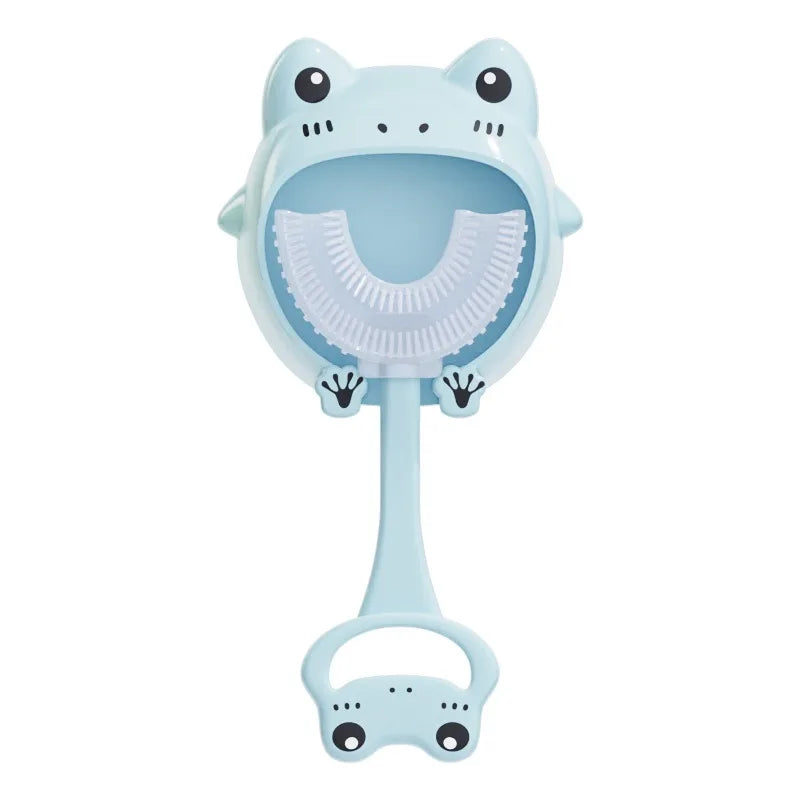
Silicone toothbrush comparison showing gentle bristle flexibility See it in action
How to Choose the Best Silicone Toothbrush
The best silicone toothbrush should match your comfort needs, brushing habits, and household requirements. Before buying, consider these features:
- Material quality: Choose food-grade silicone or trusted medical-grade silicone options.
- Brush design: Consider flat silicone surfaces, silicone bristles, or U-shape designs.
- Handle quality: A comfortable grip improves daily brushing consistency.
- Replacement availability: Check whether replacement parts or brush heads are easy to find.
For parents looking for guided brushing support, the U-Shape Silicone Toothbrush offers a child-friendly design focused on even coverage and comfort.
Cleaning, Maintenance, and Replacement
Proper maintenance helps extend the life of a silicone toothbrush while supporting better hygiene.
- Rinse thoroughly after every brushing session.
- Remove toothpaste residue from silicone surfaces.
- Allow the toothbrush to air dry in an open area.
- Follow manufacturer instructions for sterilizing or replacement.
Replace a silicone toothbrush when the material becomes damaged, loses shape, or no longer performs comfortably. Many manufacturers recommend replacement schedules based on usage and product design.
Households with cleaning routines may also explore tools from Sterilization Devices.
Myths vs Facts About Silicone Toothbrushes
Myth: Silicone toothbrushes cannot clean teeth.
Fact: Silicone toothbrushes can support daily cleaning when used correctly, although effectiveness depends on design and brushing habits.
Myth: Silicone toothbrushes never need replacement.
Fact: Silicone is durable, but toothbrushes still require replacement when worn or damaged.
Myth: All silicone toothbrushes are automatically non toxic.
Fact: Material quality matters. Look for reputable products made with appropriate silicone standards.
Myth: Silicone toothbrushes remove all bacteria permanently.
Fact: Regular cleaning and proper storage are still necessary for any toothbrush.
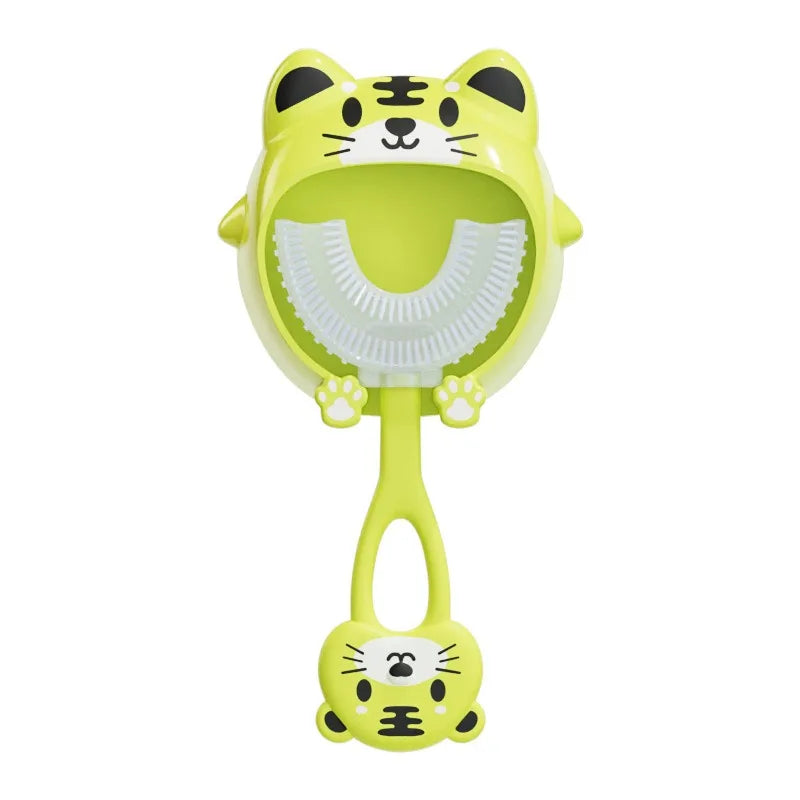
Gentle toothbrush for sensitive gums in everyday use See it in action
Frequently Asked Questions
Can a silicone toothbrush replace a regular toothbrush?
Yes, many people use silicone toothbrushes as their everyday brushing tool. However, results depend on the toothbrush design, brushing technique, and personal oral care needs.
Do silicone toothbrushes remove plaque effectively?
Silicone toothbrushes can help remove plaque when used properly. Consistent brushing habits and complete tooth coverage remain essential.
Are silicone toothbrushes safe for babies and adults?
When made from quality silicone materials and used according to instructions, silicone toothbrushes are considered a safe option for many babies, children, and adults.
How often should a silicone toothbrush be replaced?
Replacement timing depends on product recommendations, but many toothbrushes are replaced every 3–6 months or sooner if damaged.
Can silicone toothbrushes damage enamel or gums?
Silicone toothbrushes are designed to provide gentle cleaning. Using excessive pressure with any toothbrush can contribute to discomfort, so gentle technique is recommended.
What is the difference between food-grade and medical-grade silicone?
Food-grade silicone is designed for safe contact with food and consumer products, while medical-grade silicone follows additional standards for healthcare applications.
Related Guide: U Shape Kids Toothbrush Comparison: Which Is Safest?





