

Is it safe to position a pillow for infant neck support during sleep?
Answer: No. Most healthy infants should not sleep with a pillow, including ergonomic neck pillows, because soft items in a baby's sleep space can increase the risk of suffocation. When parents search for how to position a pillow for infant neck support , the safest guidance is usually to avoid pillow positioning during sleep and instead focus on a firm, flat sleep surface, back sleeping, and appropriate awake-time support.
Quick answer: Infants should not sleep with pillows
The American Academy of Pediatrics (AAP) safe sleep recommendations advise keeping pillows, loose bedding, and other soft objects out of an infant's sleep area. Although some products are marketed as an ergonomic baby pillow setup for alignment or comfort, newborns generally do not need pillows to maintain a healthy sleeping posture.
Pillows can create gaps around a baby's face, restrict movement, or interfere with breathing if an infant moves into an unsafe position. A natural baby neck support sleeping position comes from placing the baby flat on their back on a firm mattress, allowing their head and neck to move freely.
Common misconceptions include the idea that pillows can prevent flat head syndrome, improve reflux, or strengthen neck muscles. In most cases, these concerns are better addressed through supervised activities, proper handling, and guidance from a healthcare professional.
Pillow ergonomic neck setup: Safe infant neck support and sleep positioning guide
Many parents wonder whether a pillow ergonomic neck setup can help a newborn sleep more comfortably. While supportive products may seem useful, understanding infant sleep safety is essential. This guide explains how newborn neck development works, why pillows are generally avoided during sleep, and safer ways to support healthy neck strength and alignment.
Sensory Toys
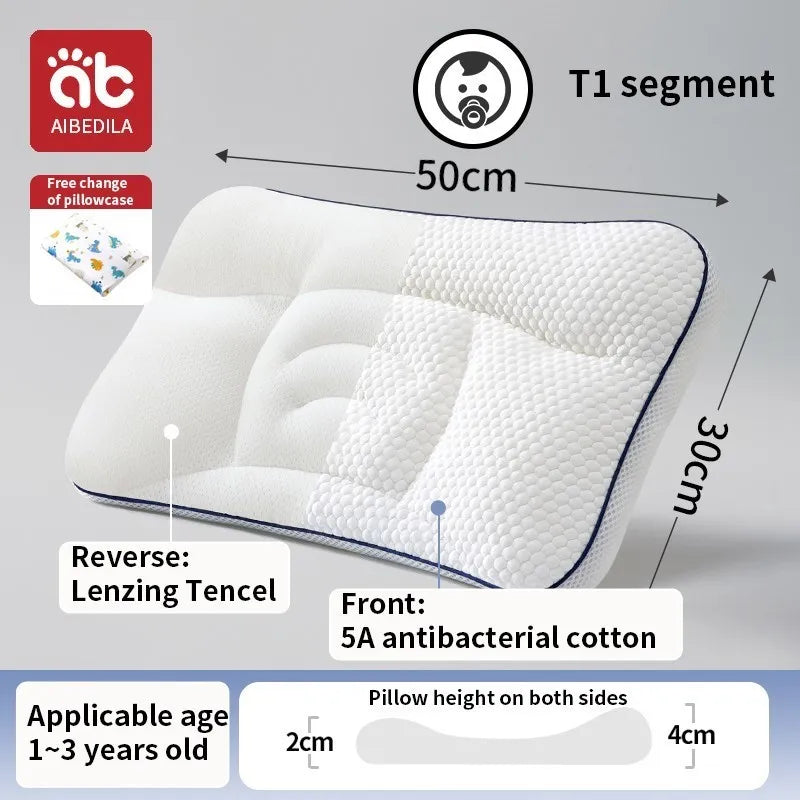
pillow ergonomic neck + ergonomic sleep pillow concept — See it in action
Do infants need neck support while sleeping?
Healthy newborns typically do not require a pillow or special neck support device while sleeping. Their neck muscles are still developing, but their bodies are naturally designed to sleep safely on a firm, flat surface without added elevation.
Parents searching for how to support newborn neck during sleep should focus on safe sleep practices rather than adding cushions or positioning products. During sleep, babies need freedom to move their head naturally instead of having their neck held in a fixed position.
Neck development happens gradually:
- Newborn to 2 months: Babies have limited head control and need support when being held, fed, or moved.
- Around 3–4 months: Many infants begin improving head and neck control during awake activities.
- Around 4–6 months: Many babies gain stronger control of their head movements.
Supporting development comes from interaction, movement, and supervised activities—not from placing a pillow under the baby's head during sleep.
Understanding infant neck development and sleep posture
Newborn anatomy is different from adult anatomy. A baby's head is proportionally larger, neck muscles are weaker, and coordination is still developing. These differences make safe positioning especially important.
A healthy neutral head position does not require an ergonomic pillow. When placed on their back on a firm surface, most infants naturally turn their head from side to side and adjust their position as they develop.
Following infant sleep positioning tips means avoiding unnecessary repositioning. Parents do not need to constantly correct head direction unless recommended by a pediatrician. Natural movement during sleep is part of normal development.
Safe infant sleep positioning: Step-by-step crib setup
A safe sleep environment supports healthy breathing and reduces preventable risks. Follow these steps for a safer setup:
- Choose a firm mattress: Use an approved infant sleep surface with a fitted sheet only.
- Place baby on the back: Back sleeping is the recommended position for every sleep period unless a medical professional provides different instructions.
- Remove pillows and soft items: Do not place pillows, blankets, stuffed toys, or sleep positioners in the crib.
- Keep the sleep space simple: A clear crib reduces potential hazards.
- Share a room safely: Room-sharing allows caregivers to stay nearby while the baby sleeps in their own sleep area.
Safe sleep checklist
- No pillows or loose bedding
- Firm, flat sleep surface
- Baby placed on the back
- No sleep positioners or soft cushions
- Comfortable room temperature
Baby Care Essentials
When is neck support appropriate outside of sleep?
Neck support can be important during supervised awake activities, but it should not be used as an unsupervised sleep solution.
During feeding
During breastfeeding or bottle feeding, parents should support the baby's head and neck while keeping the body aligned. A comfortable feeding position can help babies swallow and feed more effectively.
While being carried
Newborns need gentle head support when being picked up, carried, or transferred because they cannot fully control their neck muscles yet. Supporting the neck with your hand or arm is different from placing a pillow in a sleep environment.
In supervised awake time
During tummy time and play, parents can encourage natural neck and upper-body strength. If an infant requires specialized support because of a medical concern, recommendations should come from a healthcare provider.
Conditions often confused with needing a pillow
Some parents search for an infant neck support pillow because they notice changes in head shape, posture, or comfort. However, pillows are not considered treatment for most infant conditions.
Flat head syndrome
Flat head syndrome, also called positional plagiocephaly, can happen when pressure repeatedly affects one area of the baby's skull. Common management approaches include supervised tummy time, varying awake positions, and medical evaluation when needed. A pillow does not replace these strategies.
Torticollis
Torticollis occurs when neck muscles cause a baby’s head to tilt or turn in one direction. Treatment may include stretching exercises or physical therapy recommended by a healthcare professional rather than an ergonomic pillow.
Reflux
Infant reflux is common, but raising the sleep surface or using pillows is not generally recommended as a treatment. Parents concerned about reflux symptoms should discuss safe options with their pediatrician.

ergonomic sleep pillow and infant comfort concepts — See it in action
Safe alternatives to promote healthy neck development
Instead of relying on an ergonomic baby pillow setup, parents can encourage healthy neck development through everyday activities:
- Supervised tummy time: Helps strengthen neck, shoulder, and back muscles.
- Position changes while awake: Changing carrying and play positions reduces prolonged pressure on one area.
- Safe holding techniques: Support the head and neck during carrying, feeding, and transfers.
- Age-appropriate movement: Encourage activities that match developmental milestones.
When to contact your pediatrician
Speak with a healthcare provider if you notice:
- Persistent head tilt or difficulty turning the head
- Delayed head or neck control milestones
- Breathing concerns during sleep
- Ongoing feeding discomfort
- Questions about newborn pillow positioning or sleep safety
A pediatric professional can determine whether additional support, evaluation, or therapy is needed.
Frequently asked questions
How should I position a pillow for infant neck support during sleep?
You generally should not position a pillow under an infant's head during sleep. Safe pillow use for infants usually means avoiding pillows and keeping the sleep environment clear.
Are infant neck support pillows safe for newborns?
Most experts recommend avoiding pillows for newborn sleep because soft products can increase suffocation risks. Any specialized support product should only be used according to professional guidance.
Can a baby sleep with a pillow after 6 months?
Parents should follow current pediatric sleep recommendations because readiness depends on individual development. Discuss pillow introduction with your pediatrician if you are unsure.
How do I support my newborn's neck without using a pillow?
Support your newborn's neck during feeding, carrying, and transfers. During sleep, use a firm, flat surface and allow natural head movement.
What is the safest sleeping position for an infant?
The safest general recommendation is placing infants on their back on a firm, flat sleep surface without pillows, loose bedding, or soft objects.
Can a pillow prevent flat head syndrome?
No. Flat head prevention usually focuses on supervised tummy time, awake position changes, and monitoring head shape with professional guidance when needed.
Is a neck support pillow recommended for babies with reflux?
No pillow or sleep positioner should be used for reflux without medical advice. Speak with a pediatrician about safe reflux management.
When should I talk to a pediatrician about my baby's neck position?
Contact a pediatrician if your baby has a persistent head tilt, limited movement, delayed milestones, breathing concerns, or discomfort.
Related product collections: Sleep & Comfort • Baby Care Essentials • Massage & Relaxation
Pillar Article: Infant breathable mattress benefits: Why airflow design improves sleep
Other Related Articles:
Explore More:





