

Does an infant breathable mattress really help newborn sleep?
Answer: Yes—an infant breathable mattress can improve newborn comfort by promoting better airflow around the baby's body, helping reduce heat and moisture buildup during sleep. While a breathable mattress for newborn sleep may support a cooler, drier sleeping environment, it is not a substitute for established safe sleep practices. The greatest breathable infant mattress benefits come when a firm, well-fitting mattress is used in a bare crib with the baby placed on their back.
⏱ 18 min read
Infant breathable mattress benefits: Why airflow design improves sleep
Many parents worry about overheating, restless sleep, and choosing the safest possible crib mattress for their newborn. An infant breathable mattress is designed with airflow-focused materials that help regulate temperature, reduce moisture accumulation, and maintain a firm, supportive sleep surface. In this guide, you'll learn how breathable crib mattresses work, what current evidence says about their benefits, how different materials compare, and what features matter most when selecting a mattress that supports comfortable, safe newborn sleep.
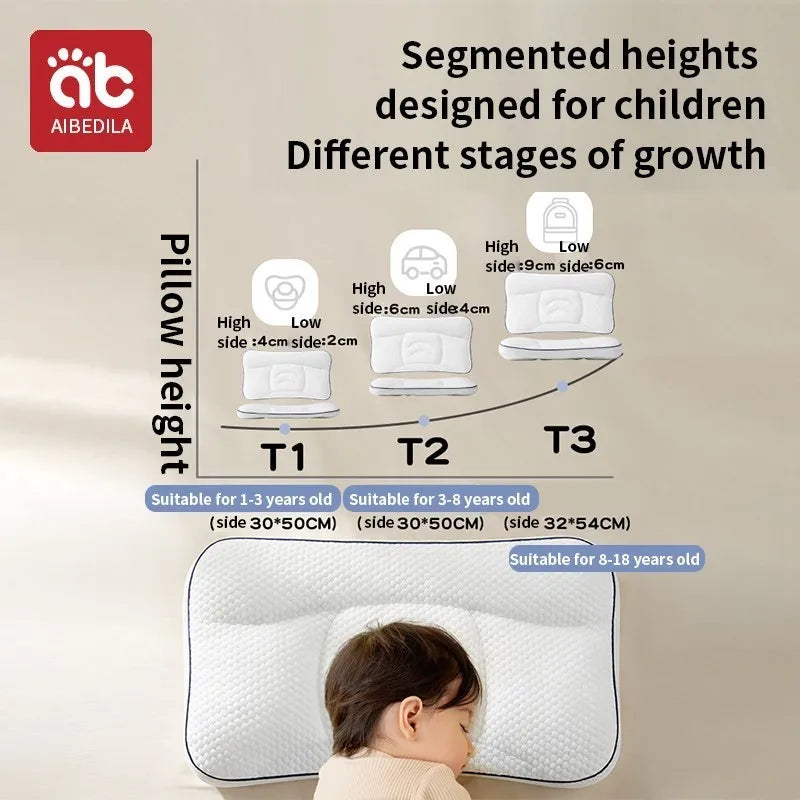
Infant breathable mattress with soft breathable material — See it in action.
Does an infant breathable mattress really help newborn sleep?
What is an infant breathable mattress?
An infant breathable mattress is a crib mattress built with materials and internal structures that encourage air movement through the sleep surface. Instead of trapping heat like some traditional solid foam designs, breathable models often use open-cell foams, 3D mesh fabrics, ventilated cores, or supportive coil systems that improve airflow while maintaining the firm surface recommended for infants.
What current evidence says
Current research supports maintaining a comfortable sleep temperature for infants, and breathable mattress designs can help reduce excess heat and humidity around the baby. However, no mattress alone has been proven to prevent suffocation or sudden infant death syndrome (SIDS). Pediatric safe sleep recommendations continue to emphasize a firm mattress, a fitted sheet, back sleeping, and a crib free of pillows, blankets, bumpers, and soft toys.
What parents should realistically expect
Parents may notice fewer sleep disruptions caused by overheating, improved moisture control, and easier mattress maintenance. The breathable infant mattress benefits are primarily related to comfort, airflow, and hygiene—not replacing safe sleep practices. Choosing a well-designed mattress should be viewed as one part of creating a healthy sleep environment.
Why airflow matters for infant sleep
An infant breathable mattress helps regulate the baby's immediate sleep microclimate by encouraging continuous air circulation around the body. Better ventilation reduces trapped warmth, limits moisture buildup, and creates a more comfortable sleeping surface throughout naps and overnight sleep.
Heat, humidity, and sleep quality
Newborns have immature temperature regulation systems, making them more sensitive to overheating than older children and adults. A mattress that allows heat and moisture to dissipate can help keep babies comfortable, reducing sweating that may otherwise contribute to fussiness or frequent waking.
How airflow beats traditional foam
- Ventilated materials allow warm air to escape more efficiently.
- Air channels and breathable fabrics encourage moisture evaporation.
- A drier sleep surface helps maintain comfort throughout longer sleep periods.
- Improved ventilation also helps keep the mattress fresher between routine cleanings.
Which baby gear suits your newborn best? Read on!
Materials and technologies explained
Understanding mattress construction makes it easier to compare products beyond marketing claims. Different materials influence airflow, firmness, durability, cleaning convenience, and long-term performance.
3D mesh construction
Three-dimensional mesh fabrics create thousands of tiny air passages throughout the sleep surface. These layers improve airflow while remaining supportive enough for infant sleep when combined with a firm mattress core.
Breathable foam and coils
Modern breathable crib mattresses commonly use open-cell foam, perforated foam, hybrid foam-and-coil systems, or innerspring designs. Open-cell structures allow air to move more freely than dense solid foam, while supportive coil systems naturally leave space for ventilation throughout the mattress.
Washable covers
Many premium infant breathable mattresses include removable, machine-washable covers made from moisture-wicking fabrics. Regular cleaning helps maintain airflow performance while reducing odors, allergens, and everyday messes from spit-up or diaper leaks.
GREENGUARD Gold and CertiPUR-US certifications
When comparing mattresses, look for recognized certifications such as GREENGUARD Gold for low chemical emissions and CertiPUR-US certification for qualifying foam materials. These certifications do not replace safe sleep guidelines, but they can provide additional confidence regarding material quality and indoor air standards.
Comparison table: breathable vs. traditional crib mattresses
Choosing the best crib mattress depends on balancing airflow, firmness, ease of cleaning, durability, and budget. Every infant mattress should provide a firm, well-fitting sleep surface, while breathable designs add features that improve ventilation and moisture management.
| Mattress Type | Airflow | Firmness | Cleaning | Durability | Typical Price |
|---|---|---|---|---|---|
| Open-cell foam with perforations | High | Firm to medium-firm | Removable cover | Good | Mid |
| Layered mesh & foam core | Very high | Firm | Machine-washable cover on many models | Very good | Mid-high |
| Traditional solid foam | Low | Firm | Varies by manufacturer | Good | Low |
| Innerspring crib mattress | Medium | Very firm | Some removable covers | Excellent | Varies |
Parents concerned about overheating often prefer mesh-layered or open-cell foam mattresses because they provide greater airflow. Regardless of construction, always verify that the mattress fits snugly inside the crib without gaps and meets current infant sleep safety recommendations.
How to use an infant breathable mattress safely
A breathable mattress improves comfort only when paired with safe sleep habits. Following established infant sleep recommendations remains the most important way to reduce avoidable sleep risks.
- Place the mattress on a flat, stable crib or bassinet base designed for the mattress size.
- Use only a properly fitted crib sheet with no pillows, blankets, positioners, bumpers, or stuffed toys.
- Always place your baby on their back for every sleep unless your healthcare provider advises otherwise.
- Maintain a comfortable nursery temperature and dress your baby appropriately to avoid overheating.
- Replace or wash the mattress cover promptly after spills or accidents to maintain cleanliness and airflow.
Key product features to look for
When comparing infant breathable mattresses, prioritize features that improve safety, durability, and everyday usability rather than marketing claims alone.
- Open-cell or ventilated core: Encourages continuous airflow throughout the mattress.
- Firm infant sleep surface: Supports healthy sleep positioning without excessive sinkage.
- Moisture-wicking removable cover: Helps keep the sleep surface dry and simplifies cleaning.
- Edge-to-edge support: Maintains consistent firmness across the entire mattress.
- Hypoallergenic materials: May reduce irritation for babies with sensitive skin.
- Machine-washable cover: Makes routine maintenance easier for busy caregivers.
- Recognized safety certifications: Look for certifications that verify low emissions or foam quality where applicable.
Parents looking for an additional comfort accessory during supervised awake time can also explore our baby neck pillow orthopedic support .
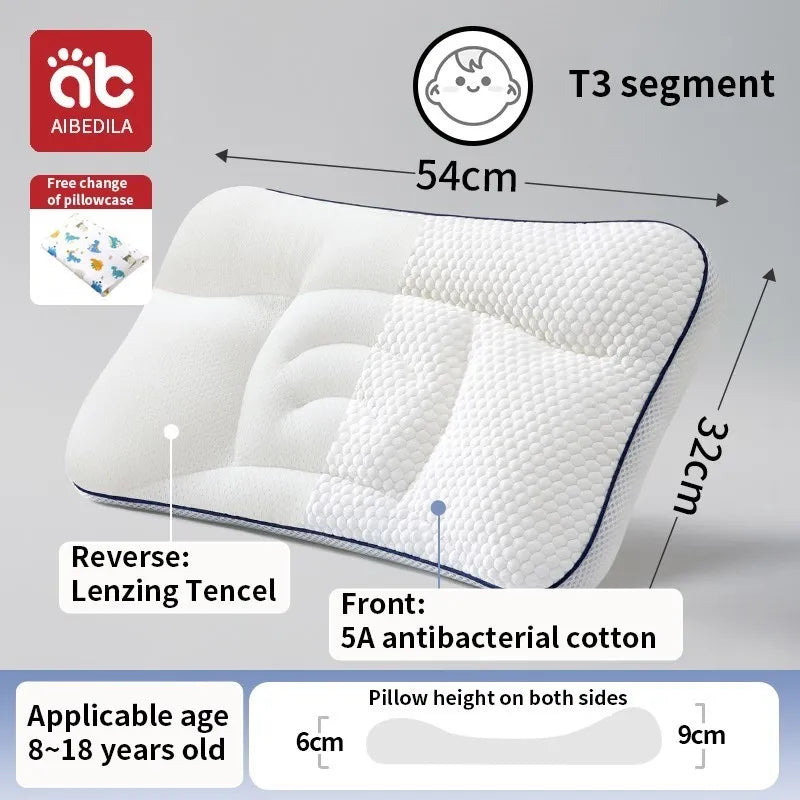
Soft breathable material with an airflow-focused mattress design — See it in action.
How to choose the best breathable mattress for infants
Selecting the right infant breathable mattress starts with safety rather than extra features. Use this checklist to compare products and narrow your options with confidence.
- Prioritize firmness. The mattress should provide a firm, flat sleep surface that supports your baby without excessive sinking.
- Check the fit. Choose a mattress designed for your crib or bassinet so there are no unsafe gaps around the edges.
- Look for breathable construction. Open-cell foam, ventilated cores, or 3D mesh designs can improve airflow and moisture management.
- Verify certifications. Products with certifications such as GREENGUARD Gold or CertiPUR-US can provide added confidence regarding material quality and low emissions.
- Choose practical maintenance features. A removable, machine-washable cover makes routine cleaning easier throughout infancy.
- Review warranty and durability. A quality mattress should maintain its firmness and shape throughout your baby's crib stage.
Parents looking for additional comfort accessories during supervised awake time may also consider our baby neck pillow orthopedic support .
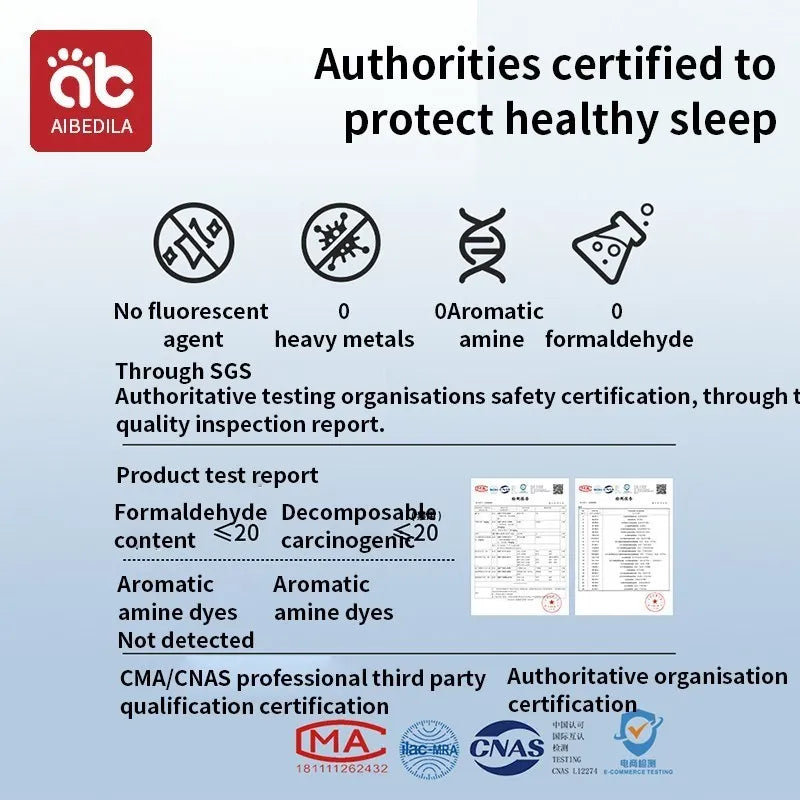
Infant breathable mattress with airflow-focused construction — See it in action.
Care and maintenance
Routine cleaning helps preserve airflow, hygiene, and the overall lifespan of an infant breathable mattress.
Cleaning the cover
- Wash removable covers according to the manufacturer's instructions.
- Allow the cover to dry completely before putting it back on the mattress.
- Clean spills promptly to prevent stains and lingering odors.
Preventing mold and odors
- Keep the nursery well ventilated whenever possible.
- Avoid storing the mattress in damp areas.
- Spot-clean the mattress core only as recommended by the manufacturer, avoiding excessive moisture.
- Air the mattress occasionally if recommended for your model.
When to replace a crib mattress
Replace the mattress if it loses firmness, develops permanent indentations, shows signs of damage, or no longer fits securely inside the crib. A firm, supportive surface remains one of the most important features for safe infant sleep.
Mini FAQ
Are breathable mattresses safe for newborns?
Yes. When used with a firm sleep surface, a fitted sheet, and a bare crib, breathable mattresses are considered appropriate for newborns. They improve airflow but do not replace established safe sleep recommendations.
Do breathable mattresses reduce overheating?
Many breathable mattress designs improve ventilation and help reduce heat and moisture buildup, making it easier to maintain a comfortable sleeping environment for babies.
Can a breathable mattress prevent SIDS?
No. There is no evidence that any mattress can prevent sudden infant death syndrome (SIDS). Continue following safe sleep guidance by placing babies on their backs and keeping the sleep space free of loose bedding and soft objects.
Are breathable mattresses worth the extra cost?
For many families, the added airflow, washable materials, and easier maintenance justify the higher price. The best value depends on your budget, climate, and desired features, but safety and firmness should always take priority over premium extras.
How do I clean a breathable crib mattress?
Wash removable covers regularly, clean spills as soon as possible, follow the manufacturer's care instructions for the mattress core, and ensure every component is completely dry before reuse.
Final thoughts: choosing calmer nights
An infant breathable mattress can make your baby's sleep environment cooler, drier, and more comfortable by improving airflow and reducing heat buildup. While these breathable infant mattress benefits may help reduce overheating and support more restful sleep, they should always be viewed as part of a complete safe sleep strategy rather than a standalone solution.
When comparing options, prioritize a firm sleep surface that fits your crib correctly, uses breathable materials, includes independently recognized safety certifications where available, and features a removable washable cover for easy maintenance. Combined with consistent safe sleep habits, these features provide the greatest long-term value for growing families.
Explore complementary sleep and comfort items in Sleep & Comfort and find practical guides in Baby Care Tips & Advice .
Tags: infant breathable mattress, breathable infant mattress benefits, breathable mattress for newborn sleep, baby mattress airflow design, breathable crib mattress safety, airflow mattress, breathable bedding, infant comfort, newborn sleep safety
Related Articles:
- Adjustable height pillow features that boost infant comfort and posture
- Pillow ergonomic neck setup: How to position it for infant comfort
Pillar Articles:





