

Does replaceable baby nail pads really protect delicate skin and extend device life?
Answer: Replaceable baby nail pads can provide a gentle, controlled surface for an electric nail file for infants when used correctly. The right pad texture, low-speed setting, and regular replacement help maintain consistent filing while supporting safer nail care for newborns . However, the most important factors are choosing age-appropriate tools, using proper technique, and avoiding pressure against delicate skin.
⏱ 8 min readReplaceable Baby Nail Pads Explained: Safer Nail Care for Newborns
Trimming tiny baby nails can feel stressful for new parents. Newborn nails grow quickly, and sharp edges may accidentally scratch delicate skin or a baby’s face during normal movement. A safe baby nail care routine focuses on gentle tools, good lighting, proper positioning, and calm handling. This guide explains how to trim infant fingernails safely, when to begin nail care, how electric nail files and other tools compare, and how to choose a method that fits your baby’s age.
Baby Care Essentials
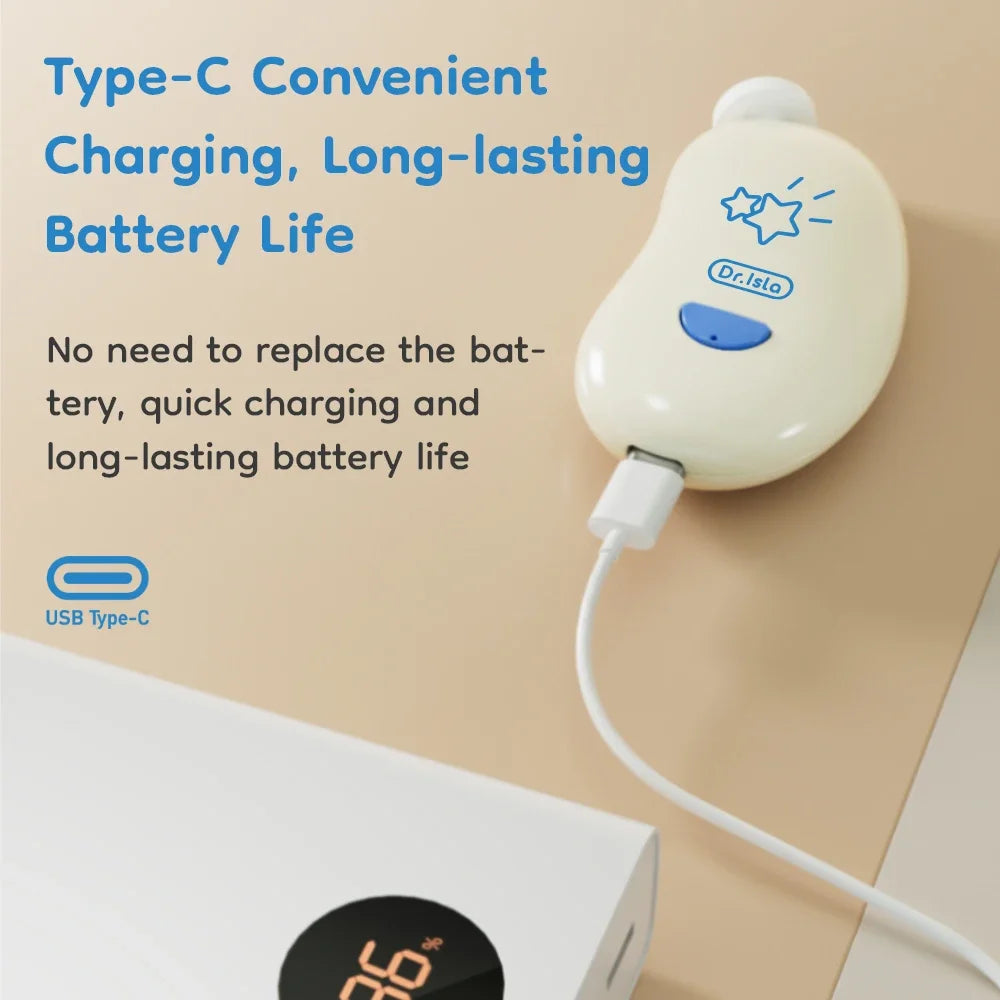
replaceable baby nail pads, nail care for newborns — See it in action.
Safe baby nail care tips: why trimming matters and when to start
Newborn nail care is an important part of early hygiene because babies naturally move their hands frequently and may have sharp nail edges. Although newborn nails are usually thin and flexible, they can still create accidental scratches if they become uneven or too long.
Parents can usually begin gentle nail care soon after birth when needed. The goal is not to cut nails extremely short, but to smooth rough edges and keep nails comfortable. Many babies need fingernails trimmed once or twice a week because infant nails often grow quickly, while toenails typically need less frequent attention.
Why regular infant nail care matters
- Helps reduce facial scratches: Smooth nail edges can lower the chance of accidental marks from normal hand movements.
- Supports comfort: Short, smooth nails are less likely to catch on clothing or blankets.
- Builds a safe routine: Consistent trimming helps parents become familiar with their baby’s nail growth patterns.
- Prevents overgrown edges: Waiting too long may make nails harder to manage calmly.
For safe newborn nail trimming, choose a time when your baby is relaxed, such as after feeding, during a quiet period, or when another caregiver can help hold and comfort the baby.
What are replaceable baby nail pads?
Replaceable baby nail pads are small filing attachments designed for electric baby nail trimmers. They use a gentle abrasive surface to gradually smooth nail edges instead of cutting through the nail with a blade. Different textures are available for different stages of development, allowing parents to choose a softer option for newborns and a slightly stronger surface as nails become thicker.
When used correctly, an electric nail file for infants can make baby fingernail care easier because the filing motion is controlled and does not require squeezing a clipper around a tiny finger. Replaceable surfaces also help maintain consistent performance because worn pads can be exchanged instead of continuing to use a rough or ineffective filing surface.
How an electric baby nail file works — quick steps
- Choose an age-appropriate filing pad designed for babies.
- Secure the pad correctly on the nail trimmer.
- Select the lowest speed setting when working with young infants.
- Guide the file gently along the nail edge without pressing into the skin.
- Finish by checking for remaining sharp corners or rough areas.
Choose the safest baby nail care tools
Choosing the right tool is one of the most important parts of how to trim baby nails safely . Different tools work better for different ages, comfort levels, and parent preferences.
Baby nail clippers vs scissors vs emery boards vs electric files
| Tool | Advantages | Considerations |
|---|---|---|
| Baby nail clippers | Fast and practical for experienced parents; designed with smaller cutting edges | Requires careful positioning to avoid catching nearby skin |
| Baby nail scissors | Provides control when trimming small edges | Needs steady hands and good visibility |
| Emery boards | Simple, quiet, and useful for smoothing sharp corners | Manual filing may take longer with active babies |
| Electric baby nail files | Gradually smooth nails with controlled filing motion | Requires selecting the correct pad and speed setting |
How to keep nail tools clean
- Wash hands before starting a trimming session.
- Clean tools according to the manufacturer’s instructions.
- Keep baby nail tools separate from adult grooming tools.
- Store files, clippers, and accessories in a dry, clean container.
- Replace worn filing surfaces when they no longer work smoothly.
Why gentle filing can be safer for babies
Direct answer: Gentle filing methods can reduce stress during infant nail care because they remove small amounts of nail gradually. Instead of making a quick cut near tiny fingers, parents can slowly smooth the edge while maintaining better control.
The safest approach is not only about the tool itself. Technique matters just as much: use adequate lighting, support the baby’s finger securely, avoid rushing, and stop if your baby becomes uncomfortable.
Benefits of controlled filing
- Creates smoother nail edges with less sudden movement.
- Allows parents to work slowly around small fingers.
- Can be easier for babies who resist traditional clippers.
- Helps maintain a consistent nail care routine.
How to choose the right pad (grit and material)
Selecting the correct filing surface is important for gentle infant nail care . Baby nails are softer than adult nails, so aggressive surfaces are usually unnecessary.
- Extra fine or soft foam pads: Best suited for newborns and very young infants because they provide gentle smoothing.
- Fine grit pads: Useful for growing babies who need regular shaping and edge smoothing.
- Medium grit pads: Generally better reserved for older babies with stronger nails and should be used carefully.
- Soft materials: Baby-specific foam or fine filing surfaces are preferable to coarse adult nail tools.
Quick checklist when choosing a filing pad
- Confirm the pad is designed for infant use.
- Match the pad type with your baby’s age and nail thickness.
- Check that the attachment fits your nail trimmer model.
- Replace worn pads when the surface becomes smooth or less effective.
Step-by-step: how to trim baby nails safely
Direct answer: The safest way to trim baby nails is to create a calm environment, support each finger carefully, remove only the sharp edge, and avoid cutting too close to the skin.
- Prepare your baby: Choose a calm moment when your baby is relaxed. Some parents prefer after feeding, during quiet awake time, or while another adult provides comfort.
- Set up your tools: Use clean baby nail tools, good lighting, and a comfortable position where you can clearly see each nail.
- Hold the finger correctly: Gently separate the fingertip from the nail area so the tool only contacts the nail.
- Trim small amounts: Avoid removing too much length at once. Smooth the edge gradually instead of trying to create a very short nail.
- Check for sharp corners: After trimming, inspect each nail and gently smooth any remaining rough areas.
- Stay calm: If your baby becomes restless, pause and continue later rather than rushing the process.
Age-specific nail care guidance
Baby nails change as children grow, so the safest infant nail care approach depends on age, nail thickness, and how comfortable your baby is during trimming. A method that works well for a newborn may need small adjustments as your baby becomes more active.
Newborns
During the newborn stage, nails are usually soft and thin but can still develop sharp edges quickly. Focus on gentle smoothing rather than removing too much length. Many parents find that filing is easier because newborn fingers are very small and require careful handling.
- Use extra-fine filing surfaces designed for newborns.
- Trim or smooth only when you can clearly see the nail edge.
- Avoid rushing because newborn fingers move unpredictably.
- Ask another caregiver to help support the baby if needed.
Young infants
As babies grow, nails often become stronger and may need more regular attention. Young infants may also move their hands more frequently, making calm positioning even more important.
- Continue using baby-specific tools rather than adult grooming products.
- Create a consistent routine so your baby becomes familiar with the process.
- Check fingernails regularly because growth can vary between babies.
Older babies
Older babies are often more active, which can make baby fingernail care challenging. Choosing a calm moment and using a secure grip can make trimming safer.
- Consider trimming during quiet activities or when another adult can assist.
- Smooth rough corners instead of cutting nails extremely short.
- Adjust your approach as nails become thicker and stronger.
Should you trim nails after a bath or while baby sleeps?
Both timing methods can work, and the best choice depends on your baby’s temperament and your comfort level. Many parents prefer trimming after a bath because nails may feel softer, while others choose a quiet sleeping moment to reduce movement.
Trimming after a bath
- Potential benefit: Warm water may soften nails slightly, making edges easier to smooth.
- Best practice: Dry your baby’s hands first and make sure you have a stable grip before trimming.
- Remember: Soft nails still require careful technique because nearby skin is delicate.
Trimming while baby sleeps
- Potential benefit: A sleeping baby may move less during the process.
- Best practice: Use good lighting so you can see the nail edge clearly.
- Avoid: Continuing if your baby wakes or becomes unsettled.
A common myth is that there is only one “perfect” time to cut newborn nails. In reality, safe technique matters more than timing. Choose a moment when both you and your baby are calm.
Common mistakes that increase the risk of cuts
Even with baby-specific tools, small technique mistakes can make nail trimming harder. Understanding common problems can help parents create safer safe baby nail care tips routines.
- Cutting nails too short: Removing too much length may irritate delicate skin around the nail.
- Pulling the fingertip skin: Pressing or stretching the finger too aggressively can make the nail area harder to see.
- Poor lighting: Shadows can make tiny nails difficult to identify clearly.
- Using adult tools: Larger clippers or rough files may not provide the control needed for small fingers.
- Rushing the process: A quick trim while your baby is moving increases the chance of mistakes.
What to do if you accidentally nick your baby's skin
Accidents can happen during safe newborn nail trimming , especially when parents are still learning. If a small nick occurs, stay calm and focus on gentle care.
- Stop trimming and comfort your baby.
- Apply gentle pressure with a clean cloth if there is minor bleeding.
- Keep the area clean and avoid unnecessary touching.
- Continue monitoring the area during normal care routines.
Contact your pediatrician if you notice signs that the area is not healing normally, such as increasing redness, swelling, warmth, discharge, or other concerns about your baby’s comfort.
Baby nail care checklist
A simple checklist can make baby fingernail care safer and more consistent. Preparing before and after each session reduces distractions and helps maintain clean habits.
Before trimming
- Wash your hands and prepare clean baby nail tools.
- Choose a well-lit area where you can see tiny nails clearly.
- Make sure your baby is comfortable and supported.
- Check that your tool or filing surface is suitable for infant use.
- Have a clean cloth nearby for routine cleanup.
After trimming
- Inspect nails for sharp corners or rough edges.
- Clean and store tools according to manufacturer instructions.
- Keep baby grooming items separate from household grooming tools.
- Replace worn accessories when they no longer provide smooth results.
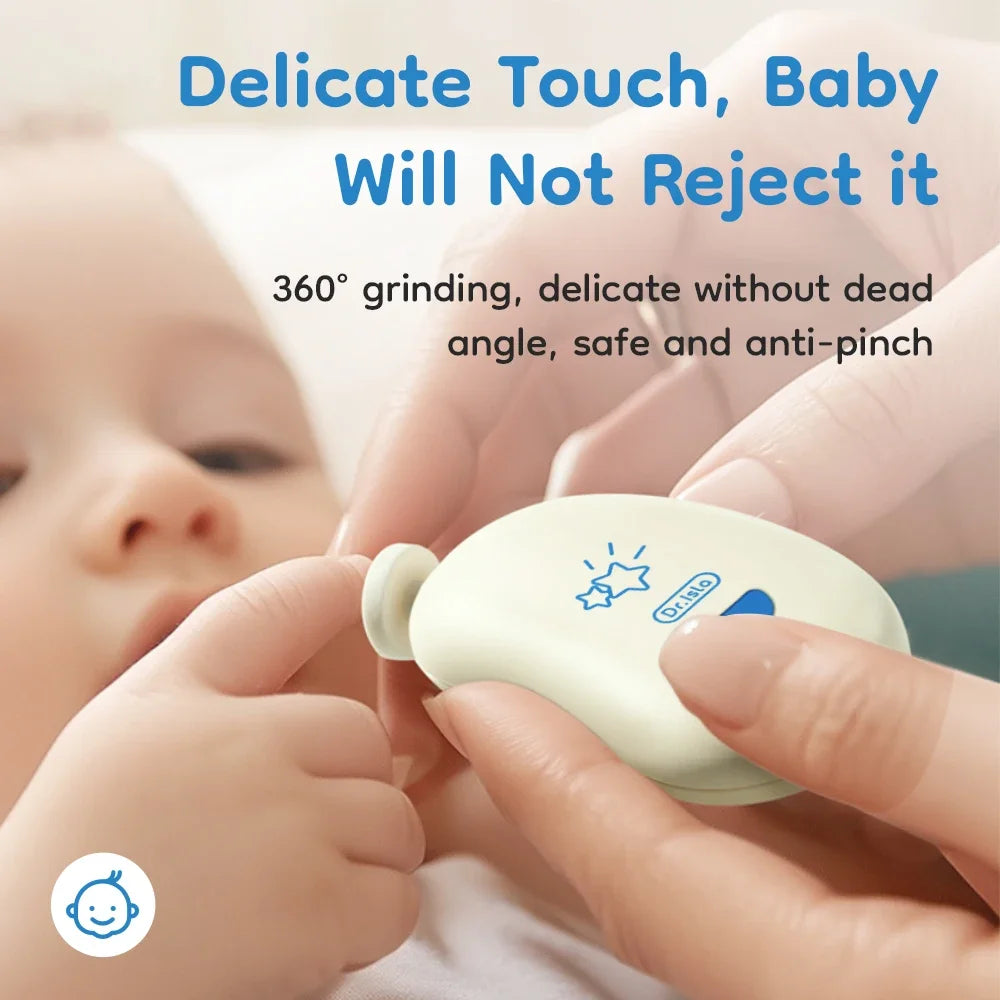
nail care for newborns, electric nail file for infants — See it in action.
Frequently asked questions
-
When should I start trimming my newborn's nails?
Answer: You can begin gentle newborn nail care whenever nails become long enough to create sharp edges or scratches. Many parents start within the first few weeks after birth by smoothing or carefully trimming only the parts that need attention. -
How often should I trim my baby's fingernails?
Answer: Fingernails often need trimming once or twice a week because they grow quickly during infancy. Check your baby’s nails regularly and trim when edges become sharp, uneven, or long enough to scratch. -
Is it better to use baby nail clippers or a file?
Answer: Both can work when used correctly. Baby nail clippers provide quick trimming, while a gentle file or electric nail file can offer more gradual control. The best choice depends on your comfort level, your baby’s movement, and your ability to see the nail clearly. -
Can I trim my baby's nails while they are sleeping?
Answer: Yes, some parents find that trimming during sleep is easier because babies may move less. Use good lighting, keep a secure grip on each finger, and stop if your baby wakes or becomes uncomfortable. -
Should I trim baby nails after a bath?
Answer: Trimming after a bath can be convenient because nails may feel softer, but it is not required. The safest time is when your baby is calm, your hands are steady, and you have enough visibility to work carefully. -
What should I do if I accidentally cut my baby's finger?
Answer: Stop trimming and gently comfort your baby. Apply light pressure with a clean cloth if there is minor bleeding, keep the area clean, and contact your pediatrician if you notice signs of infection or if you have concerns about healing. -
How can I stop my baby from scratching their face?
Answer: Regular nail checks, gentle smoothing of sharp edges, and keeping nails at a comfortable length can help reduce accidental scratches. Some parents also use soft clothing with fold-over cuffs during the early newborn stage. -
Do newborn toenails need trimming as often as fingernails?
Answer: Usually not. Toenails generally grow more slowly than fingernails, so they may require less frequent trimming. Check them regularly and smooth or trim only when needed.
Related Articles:
- Newborn Nail Polish Tips: How to Apply Without Risk
- Infant Safe Nail Polish: Protecting Delicate Nails With Style
Pillar Articles:





