

What makes a safe toothbrush for kids?
A safe toothbrush for kids reduces toothbrush injuries by using soft, rounded bristles, non toxic materials, and an age-appropriate head size. The safest options balance gentle cleaning with comfort, follow oral hygiene instructions for pediatric patients, and avoid sharp edges or overly rigid designs that can hurt gums or cheeks.
Safe Toothbrush for Kids Compared: What Parents Miss
⏱ 7 min read — Safe toothbrush for kids choices often look simple, yet everyday brushing can hide real safety risks. From toothbrush injuries caused by stiff bristles to concerns about non toxic toothbrush materials, many parents unknowingly choose designs that make brushing harder instead of safer. This guide compares common options and reveals what most parents miss.
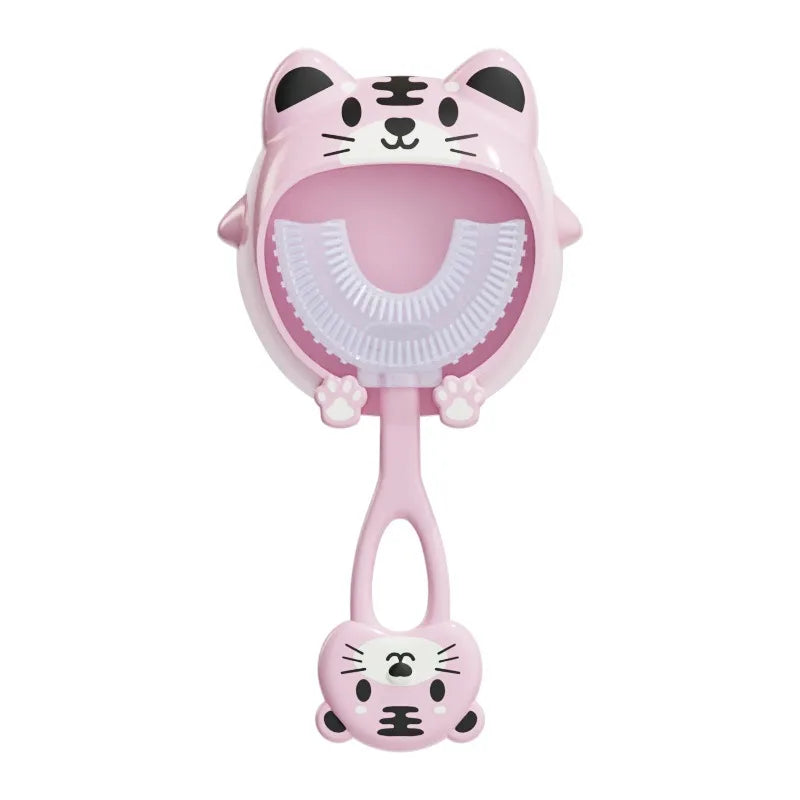
Safe toothbrush for kids design comparison — see how shape and softness prevent toothbrush injuries 💡 See it in action
Why Toothbrush Safety Matters More Than You Think
Brushing seems harmless, but kids often chew, bite, or move suddenly. A poorly designed toothbrush can poke gums, scratch cheeks, or trigger gag reflexes. A safe toothbrush for kids is not just about cleaning teeth—it’s about preventing daily micro-injuries that make children fear brushing.
Many pediatric dentists note that discomfort during brushing leads to resistance, rushed routines, and inconsistent habits. Choosing the right tool supports calmer mornings, better cooperation, and healthier smiles long-term.
Common Toothbrush Injuries Parents Overlook
Toothbrush injuries rarely look dramatic. Instead, they show up as sore gums, small cuts, or kids refusing to open their mouth. These issues often trace back to design flaws rather than brushing technique.
- Stiff bristles causing gum irritation
- Narrow heads poking soft tissue
- Hard plastic edges scratching cheeks
- Slippery handles leading to sudden slips
These problems are common in rushed routines, especially when kids brush independently before they’re fully coordinated.
Comparing Kids Toothbrush Designs Side by Side
Not all kids toothbrushes are built the same. Below is a simple comparison parents can use when evaluating safety, comfort, and daily usability.
| Design Type | Pros | Cons |
|---|---|---|
| Traditional Straight Brush | Familiar shape, easy to find | Higher risk of toothbrush injuries if bristles are firm |
| Small Head Manual Brush | Better control, fits small mouths | Requires good brushing technique |
| U-Shaped Silicone Brush | Even pressure, gentler on gums | Less precise if used incorrectly |
Parents often assume “smaller is safer,” but head shape, flexibility, and material matter just as much.
Why Non Toxic Materials Make a Difference
A non toxic toothbrush reduces exposure to questionable plastics and dyes, especially important since kids chew on brushes. Materials free from BPA, PVC, and harsh chemical coatings lower risk during daily use.
Soft silicone or medical-grade materials also flex under pressure, reducing gum trauma. Parents report fewer complaints and more willingness to brush when the texture feels comfortable.
This matters most for toddlers and preschoolers who explore with their mouths and lack refined motor control.
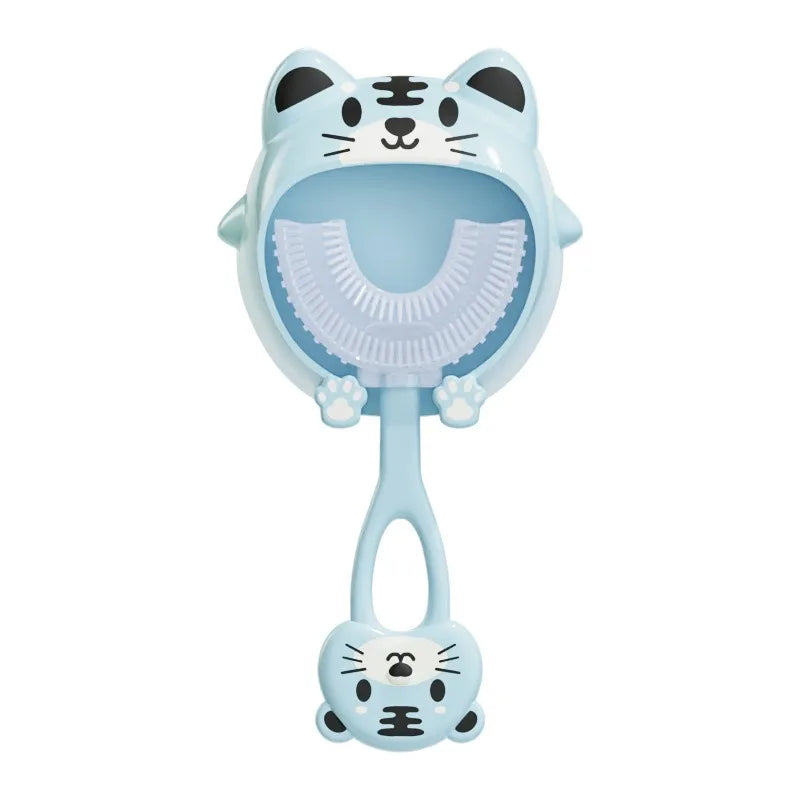
Non toxic toothbrush materials help reduce irritation and daily brushing stress 💡 See it in action
How Oral Hygiene Instructions for Pediatric Patients Affect Safety
Even the safest toothbrush can cause issues if used incorrectly. Oral hygiene instructions for pediatric patients emphasize gentle pressure, slow movements, and supervision until skills develop.
- Use light pressure—bristles should bend slightly, not flatten
- Guide younger children’s hands during brushing
- Avoid letting kids run or play with toothbrushes
- Replace brushes regularly to maintain softness
When tools and instructions work together, brushing becomes calmer and more effective.
Which Toothbrush Fits Your Child Best?
There’s no single perfect option. The safest choice depends on age, sensitivity, and brushing habits.
- Toddlers: Softer, flexible designs with wide heads reduce poking risks
- Preschoolers: Ergonomic handles support independence with control
- Sensitive gums: Ultra-soft bristles or silicone materials help prevent soreness
Parents juggling busy routines often prefer designs that minimize effort while maximizing comfort.
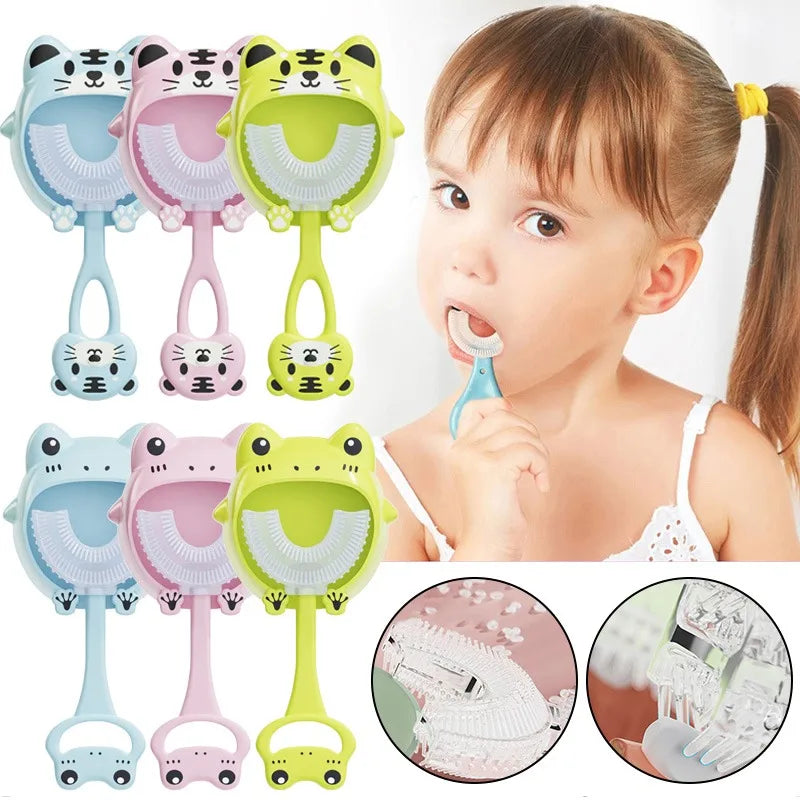
Choosing a safe toothbrush for kids supports better habits and fewer toothbrush injuries 💡 See it in action
Quick Parent FAQ
How often should a kids toothbrush be replaced?
Most pediatric dentists recommend replacing a kids toothbrush every 2–3 months or sooner if bristles spread. Worn bristles increase toothbrush injuries and reduce cleaning effectiveness.
Are silicone toothbrushes safe for daily use?
Yes, when made from non toxic materials, silicone brushes are gentle and flexible. They’re especially helpful for children with sensitive gums or early brushing resistance.
Can improper brushing cause long-term issues?
Repeated gum irritation can make kids avoid brushing, affecting oral health over time. Following oral hygiene instructions for pediatric patients helps build safe, lasting habits.
Related Guide: U Shape Kids Toothbrush Comparison: Which Is Safest?





