

Does a small bathroom baby bath setup really work?
Yes — a small bathroom baby bath can be safe and comfortable when you choose space-saving gear, organize a clear workflow, and use simple safety checks. A compact setup reduces stress, keeps water temperature steady, and lets you focus on baby comfort without needing a full-size tub.
⏱ 8 min readSmall Bathroom Baby Bath: How to Fit Comfort and Safety
Struggling with tiny tub space and messy bath routines? You’re not alone. This guide walks through smart layouts, compact gear, and safety-first habits that turn even the smallest bathroom into a calm, efficient wash zone for your newborn. Expect step-by-step setups, real parent tips, and product-tested solutions that save time and increase confidence.
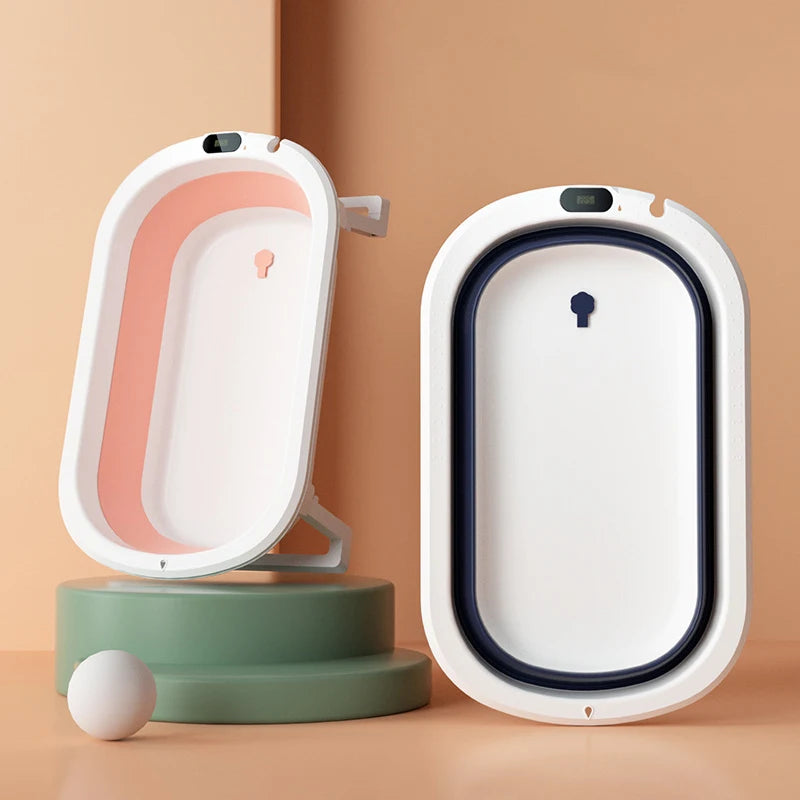
small bathroom baby bath - KentDO See it in action
Why bathroom size matters for baby bath
Small spaces limit movement and storage, which raises stress during bath time. But size alone doesn’t determine safety or comfort—layout, workflow, and the right compact tools do. With the right plan, a 4' x 6' bathroom can be better than a large bathroom that’s disorganized.
What makes a small bathroom baby bath safe?
A small bathroom baby bath is safe when you maintain a one-person-at-a-time rule, use non-slip surfaces, keep water under 37°C (98.6°F), and have everything within arm’s reach. Compact gear that locks securely and clear visual checks (temperature strips, bath seats) reduce risk and increase caregiver confidence.
Space-smart setup: essentials and layout
Start by mapping a small work triangle: water source, changing area, and storage — all within a couple of steps. This reduces carrying wet babies across slippery floors.
- Work triangle: Tub or basin near sink, changing pad on counter or fold-down surface, storage above or beside.
- One-step reach: Keep towel, soap, thermometer, and clean diaper in a single reachable zone.
- Floor safety: Non-slip mat and a small bath rug that dries quickly help prevent slips.
Compact layout example
Place a foldable tub on the counter or in the sink for newborns. Use a wall-mounted organizer for supplies. When the baby grows, move the tub to the floor and use a low stool for caregiver comfort.
Compact gear that fits small bathrooms
Choosing compact, multi-use items is the key to making a small bathroom baby bath both functional and calming.
Must-have compact items
- Foldable baby tub: Collapses flat for storage and sits on counters or floors.
- Temperature tools: A quick-read thermometer or temperature strip avoids guesswork.
- Grip bath seat: Support for mid-roll infants; remove when not needed.
- Wall organizer: Holds shampoo, towels, and diapers within reach.
- Soft absorbent towel with hood: Dries quickly and wraps baby fast to reduce chill.
Want to see a compact option that many parents love? Check the Baby Foldable Bath Tub for quick setup and easy storage.
How monitoring devices add confidence
Small bathrooms often have fluctuating water pressure or temperature. Using a thermometer from the Temperature Tools collection or a baby monitor from Monitoring Devices helps you keep an eye on the room and baby without leaving the wet area.
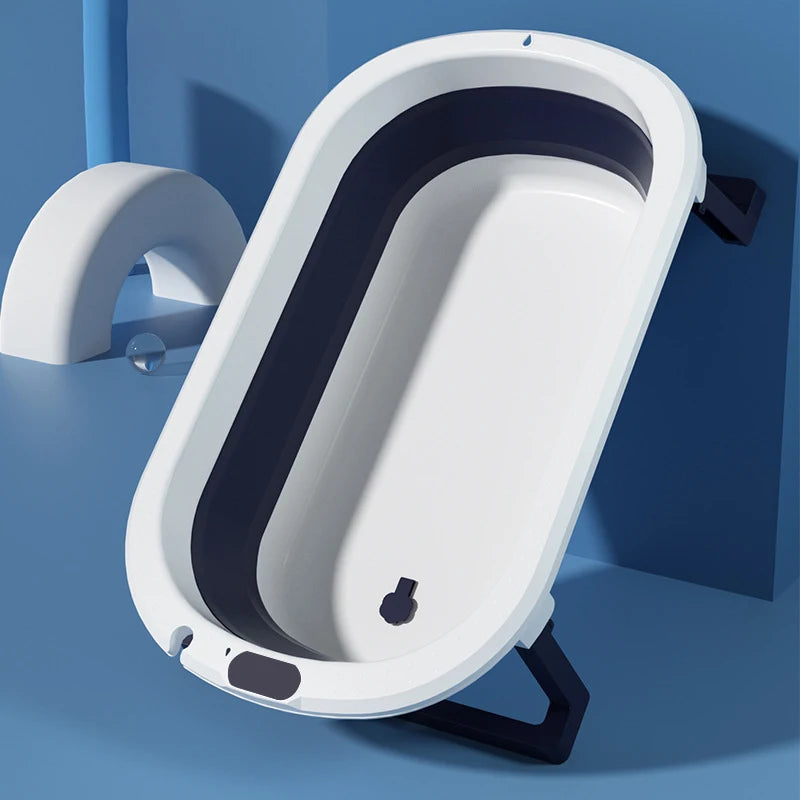
small bathroom baby bath - KentDO See it in action
Step-by-step: a calm bath routine in 7 moves
- Gather everything first: towel, diaper, clothes, soap, thermometer. Place within arm’s reach.
- Fill tub/sink to a shallow 5–8 cm (2–3") and check temperature (around 37°C / 98.6°F).
- Undress baby on a dry changing pad close to the tub; keep one hand on baby at all times.
- Use a soft cloth to wash face and head, then quickly lower torso and legs into water.
- Rinse with a cupped hand; keep movements gentle and verbal reassurance steady.
- Lift using a secure hold and wrap immediately in a hooded towel to keep warm.
- Change and dress baby in the warm area. Dry the tub and store gear to prevent clutter.
Which baby gear suits your newborn best? Read on!
Quick comparison: folding tubs vs. sink baths
A folding tub is best for parents who want structure and gradual use as baby grows; sink baths work when space is extremely tight and for the very youngest newborns. Both are safe if the caregiver follows temperature rules and keeps all items within reach.
| Option | Best for | Pros | Cons |
|---|---|---|---|
| Folding tub | Newborn to toddler | Stable, ergonomic, stores flat | Needs flat storage space |
| Sink bath | Tiny bathrooms, first weeks | No extra gear, counter height | Less room as baby grows |
Tiny-bath storage hacks
- Vertical storage: Use wall-mounted pockets for shampoo, washcloths, and small toys.
- Behind-door racks: Hang quick-access towels and diapers.
- Stackable bins: Under-sink bins that slide keep items dry and organized.
- Multi-use products: Choose items that fold or double as seats and storage.
Real parent stories & proof
“Our first bathroom was only 3'x6' — the foldable tub changed everything. Bath time went from stressful to 10–12 minutes of calm.” — Mia, mom of two.
“We used the sink for the first month, then moved to a tub on the counter. Keeping everything within reach made me feel safer and less panicked.” — Jordan, first-time dad.
Pros & cons at a glance
✅ Pros
|
❌ Cons
|
How the Baby Foldable Bath Tub fits specific needs
Short answer: the Baby Foldable Bath Tub (linked below) fits parents who need quick setup, low storage profile, and a stable bathing surface. It works for newborns with a reclined position and grows with your child.
- For small bathrooms: Collapses flat to tuck behind a cabinet.
- For busy parents: Fast drain and quick dry materials reduce chores.
- For safety-focused caregivers: Non-slip base and temperature-friendly material.
See the product here: Baby Foldable Bath Tub
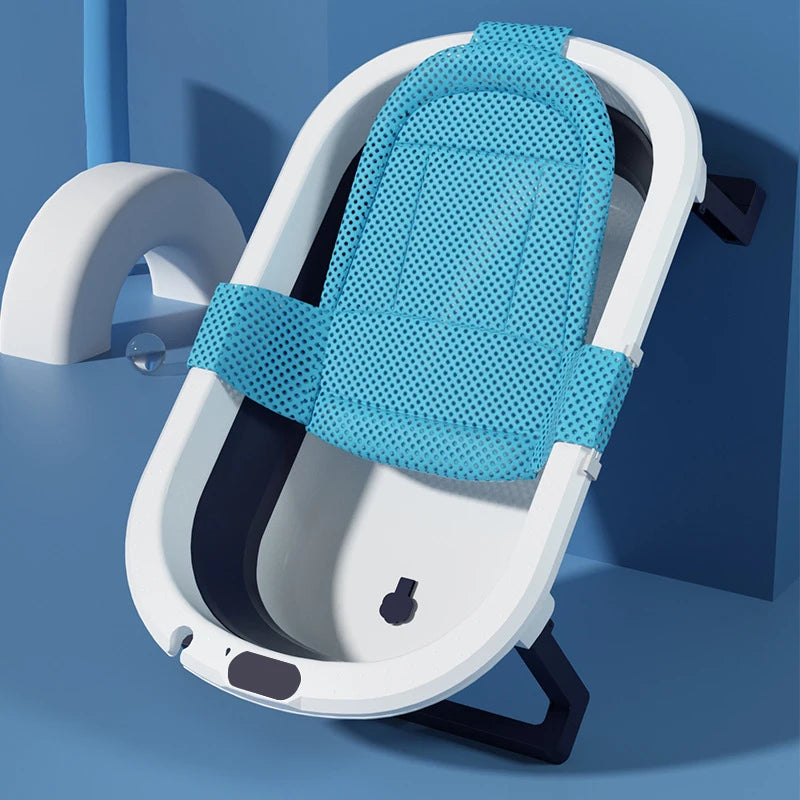
small bathroom baby bath - KentDO See it in action
Quick safety checklist before every bath
- Water temperature checked with a thermometer or temperature strip.
- Everything needed within arm’s reach.
- Floor dry and non-slip mat in place.
- One adult in charge; avoid leaving baby unattended even for a second.
- Drain or empty the tub immediately after use to avoid accidental falls.
Space optimizations for growing babies
As baby grows, switch from sink to floor tub, and then to a larger tub. Keep the foldable tub for travel or quick rinses. Convert a small cabinet into a changing station by adding a padded top and locking latches for safety.
Mini FAQ
- How warm should bath water be for a newborn? Answer: Aim for approximately 37°C (98.6°F). Use a quick-read thermometer or temperature strip to confirm.
- Can I bathe my baby in the sink safely? Answer: Yes, for the first few weeks—if you clear the sink, line it with a non-slip pad, and keep all items within arm’s reach.
- Where should I store the foldable tub? Answer: Behind a cabinet door, under the sink, or hung vertically on a wall hook — anywhere dry and easily reachable.
Closing thoughts: small bathroom, big comfort
Small bathrooms ask for intentional planning, not compromise. With a compact layout, the right foldable or sink option, and a simple safety routine, you can make bath time a calm ritual that supports bonding and sleep later that night.
Related collections: Baby Bath Accessories , Temperature Tools , Monitoring Devices .
Pillar Article: Newborn Bath Routine: Tailored Tips for Different Baby Needs
Other Related Articles:
Explore More:
UPGRADE PLAN { "outline": [ { "action": "MODIFY", "h2": "Best Baby Bath for Small Bathroom: Quick Recommendations", "h3": [ "Best overall compact baby bathtub", "Best foldable baby bathtub for small bathrooms", "Best sink insert for newborns" ], "focus": [ "Immediate product recommendations by bathroom type", "Highlight space-saving features", "Match products to parent needs" ], "keywords": [ "best baby bath for small bathroom", "compact baby bathtub", "foldable baby bathtub for small bathroom" ] }, { "action": "MODIFY", "h2": "Does a small bathroom baby bath setup really work?", "h3": [ "What makes a baby bath practical in limited space?" ], "focus": [ "Address concerns about tiny bathrooms", "Explain realistic space requirements", "Introduce compact bathing solutions" ], "keywords": [ "baby bath for small bathroom", "how to bathe baby in small bathroom" ] }, { "action": "MODIFY", "h2": "How to Choose a Baby Bath for a Small Bathroom", "h3": [ "Measure your bathroom and storage space", "Consider folded and unfolded dimensions", "Check newborn support and age range" ], "focus": [ "Buying criteria", "Footprint evaluation", "Caregiver comfort and safety" ], "keywords": [ "small space baby bathtub", "infant bath solutions for limited space" ] }, { "action": "ADD", "h2": "Best Small Bathroom Baby Bath Types Compared", "h3": [ "Foldable baby bathtubs", "Sink-compatible baby baths", "Inflatable baby tubs", "Compact rigid baby tubs" ], "focus": [ "Compare storage methods", "Explain ideal use cases", "Show advantages and limitations" ], "keywords": [ "foldable baby bathtub for small bathroom", "portable baby bathtub for apartments" ] }, { "action": "ADD", "h2": "Baby Bath Comparison Table: Size, Storage, and Safety Features", "h3": [], "focus": [ "Include folded dimensions", "Include age range and newborn support", "Compare weight, price, and portability" ], "keywords": [ "compact baby bathtub", "best baby bath for small bathroom" ] }, { "action": "MODIFY", "h2": "Space-Smart Setup for a Small Bathroom Baby Bath", "h3": [ "Small bathroom layout examples", "Where to store a baby bathtub", "Drainage and drying requirements" ], "focus": [ "Optimize limited bathroom layouts", "Prevent mold and water buildup", "Improve daily convenience" ], "keywords": [ "space saving baby bath ideas", "newborn bath in small space" ] }, { "action": "MODIFY", "h2": "Step-by-Step: How to Bathe Baby in a Small Bathroom", "h3": [], "focus": [ "Prepare essentials before bathing", "Create safe bathing workflow", "Simplify cleanup in limited space" ], "keywords": [ "how to bathe baby in small bathroom", "baby bath safety small bathroom" ] }, { "action": "MODIFY", "h2": "Foldable Tubs vs Sink Baths vs Other Compact Options", "h3": [], "focus": [ "Compare portability", "Compare newborn suitability", "Explain bathroom compatibility" ], "keywords": [ "foldable baby bathtub for small bathroom", "small space baby bathtub" ] }, { "action": "MODIFY", "h2": "Tiny Bathroom Storage Ideas for Baby Bath Gear", "h3": [ "Vertical storage solutions", "Under-sink storage options" ], "focus": [ "Reduce clutter", "Improve drying workflow", "Maximize apartment bathroom space" ], "keywords": [ "space saving baby bath ideas", "portable baby bathtub for apartments" ] }, { "action": "REMOVE", "h2": "Real parent stories & proof", "h3": [], "focus": [ "Replace with practical use-case examples", "Add scenario-based recommendations" ], "keywords": [] }, { "action": "MODIFY", "h2": "Pros & Cons of Small Bathroom Baby Baths", "h3": [ "Advantages of compact baby baths", "Limitations to consider" ], "focus": [ "Set realistic expectations", "Support purchase decisions" ], "keywords": [ "compact baby bathtub", "baby bath for small bathroom" ] }, { "action": "MODIFY", "h2": "Safety Checklist Before Every Small Bathroom Baby Bath", "h3": [ "Stable surface and positioning", "Water temperature and supervision", "Safe use by age stage" ], "focus": [ "Newborn safety guidance", "Prevent slips and tipping", "Highlight constant supervision" ], "keywords": [ "baby bath safety small bathroom", "newborn bath in small space" ] }, { "action": "MODIFY", "h2": "How Baby Baths Change as Your Child Grows", "h3": [], "focus": [ "Outgrowing timelines", "Convertible options", "Long-term value" ], "keywords": [ "compact baby bathtub", "infant bath solutions for limited space" ] }, { "action": "MODIFY", "h2": "Mini FAQ", "h3": [], "focus": [ "Answer common buying questions", "Cover shower-only bathrooms", "Explain when babies outgrow tubs" ], "keywords": [ "baby bath for small bathroom", "portable baby bathtub for apartments" ] }, { "action": "REMOVE", "h2": "Closing thoughts: small bathroom, big comfort", "h3": [], "focus": [ "Replace with buying summary", "Reinforce recommendation categories" ], "keywords": [] } ], "internal_links": [ "newborn essentials guide", "baby bath safety tips", "baby grooming essentials", "diaper changing station ideas", "portable baby gear" ], "faq": [ "Can I use a baby bath if I do not have a bathtub?", "What type of baby bathtub fits the smallest bathroom?", "Can a foldable baby bathtub be used in a shower?", "What baby bath fits a small apartment bathroom?", "When does a baby outgrow a compact bathtub?" ], "trim": [ "Generic emotional claims about small bathrooms", "Parent story section without measurable examples", "Repeated mentions of comfort and convenience", "Broad baby bath education not related to buying decisions", "Unfocused monitoring device discussion" ] } Approved linked products: - Baby Foldable Bath Tub (/products/baby-foldable-bath-tub) - Baby Foldable Bath Tub (/products/baby-foldable-bath-tub) Product Rules - Keep all approved products. - Only approved products may contain affiliate links. - You may add real competitor products when useful. - Competitor products must not contain links unless already present. - Only create comparison tables when they genuinely improve the article. RULES - Apply every instruction in the Upgrade Plan. - Keep all existing affiliate links unchanged. - Keep all existing internal links unchanged. - Keep all existing image URLs unchanged. - Preserve sections such as Related Articles, Related Posts and Recommended Reading. - Avoid duplicate headings. - Insert new sections only where specified. - Improve clarity, topical coverage, EEAT and readability. - Expand weak sections only when required. - Use natural keyword placement. - Keep semantic HTML clean. YEAR UPDATE If visible article text contains "2005", replace it with "2026". Do not modify years inside: - URLs - href attributes - image filenames OUTPUT REQUIREMENTS Return ONLY the final upgraded HTML article. The output must be valid HTML and ready to publish. Do NOT return: - Markdown - Explanations - Notes - Code fences - JSON - XML Return the HTML beginning with the first HTML element and ending with the last HTML element.





