

Baby Bath Space Saving: Solutions for Small Bathrooms and Tubs
Creating a safe newborn bath routine doesn't require a large bathroom. With thoughtful organization, compact bathing equipment, and a consistent routine, parents can make bath time calm, comfortable, and safe even in limited spaces. Whether you're preparing for your baby's first bath or looking to simplify daily care, the right setup helps reduce stress while keeping everything within easy reach.
What is the best newborn bath routine?
A simple newborn bath routine begins with preparing everything before you start, bathing your baby in warm water for just a few minutes, drying them immediately afterward, and keeping them warm throughout the process. During the first weeks, sponge baths are recommended until the umbilical cord stump falls off. Once healed, parents can transition to a small infant tub while continuing to bathe newborns only two to three times per week unless additional cleaning is needed.
Curious how to make bath time safer and easier in a tiny space? Explore smart picks and beginner-friendly setups below.
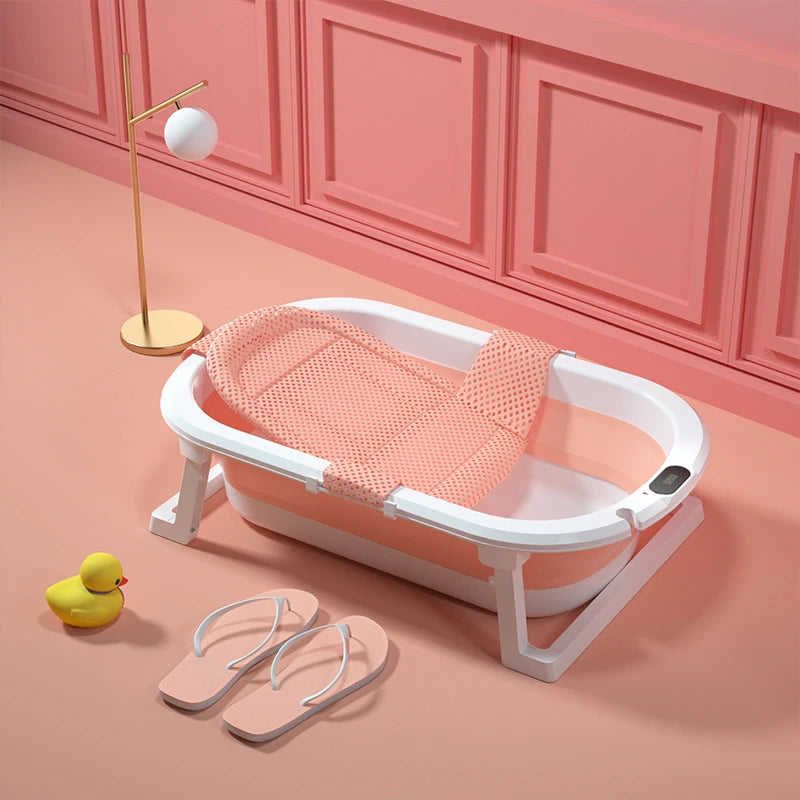
baby bath space saving - KentDO Mom & Baby — See it in action.
Why Space-Saving Bath Solutions Matter
Limited bathroom space shouldn't prevent you from building a safe newborn bathing routine. A well-organized setup helps parents keep one hand on their baby, reduces unnecessary movement, and ensures towels, washcloths, and bathing supplies remain within reach. Good organization also shortens bath time, helping babies stay warm and comfortable.
Common challenges in small bathrooms
- Very little counter or storage space for bathing essentials.
- Bulky baby tubs that are difficult to store between baths.
- Limited room to safely dry and dress your baby afterward.
- Extra clutter that increases the risk of slips or misplaced supplies.
By planning your bath area before each session, you can create a safer environment without sacrificing comfort or convenience.
Top Space-Saving Baby Bath Solutions
Simple ways to create a safer bath routine
The goal isn't simply to save space—it's to make bathing easier while supporting your newborn safely. Compact equipment and smart organization allow caregivers to focus on their baby instead of searching for supplies.
- Foldable tubs store flat after use, making them practical for apartments and smaller homes.
- Infant bath supports help position newborns securely while reducing strain on caregivers.
- Wall-mounted organizers keep soap, washcloths, and thermometers within easy reach.
- Compact sink bathing setups can work during the newborn stage when used safely and according to manufacturer instructions.
Benefits of an organized bath area
- Reduces clutter around wet floors.
- Keeps essential supplies within arm's reach.
- Makes bath time quicker and less stressful.
- Improves comfort for both baby and caregiver.
How to Set Up a Compact, Safe Bath Area
Preparing your bathing area before bringing your baby to the water is one of the easiest ways to improve safety. Spend a few minutes organizing supplies so your attention remains on your newborn throughout the bath.
Quick 6-step setup
- Choose a compact bathing option that fits comfortably in your available space.
- Place the tub or support on a stable, non-slip surface.
- Arrange soap, washcloths, towels, diapers, and clean clothing within easy reach.
- Fill the tub with warm water and verify the temperature before placing your baby inside.
- Keep the room comfortably warm to help prevent your newborn from becoming chilled.
- After bathing, empty, rinse, and allow all equipment to dry completely before storing it.
Why preparation matters
Completing every step before bath time allows you to keep one hand on your baby whenever they are near water. This simple habit reduces distractions and supports a calmer, more consistent newborn bath routine.
Newborn Bath Safety Tips Every Parent Should Know
Safe bathing habits are more important than the type of bathtub you use. Whether you're giving a sponge bath or using an infant tub, careful supervision, proper water temperature, and thoughtful preparation help prevent accidents while keeping your baby comfortable.
Safe water depth
Only add enough water to cover your baby's lower body—typically about 2 to 3 inches (5 to 8 cm) for an infant tub. Babies can drown in very small amounts of water, so shallow water combined with constant supervision is always the safest approach.
- Fill the tub before placing your baby inside.
- Test the water using your wrist, elbow, or a bath thermometer.
- Keep water comfortably warm at approximately 37–38°C (98.6–100.4°F).
- Never add hot water while your baby is in the tub.
Never leave your baby unattended
Even answering the door, grabbing a towel, or silencing your phone can take your attention away long enough for an accident to occur. If you must leave the room for any reason, always take your baby with you.
- Prepare towels, diapers, and clothing before starting.
- Keep one hand supporting your baby whenever they are in or near water.
- Avoid distractions such as mobile phones during bath time.
Signs your baby may be too cold
Newborns lose body heat quickly because they have limited ability to regulate their temperature. Watch for signs that your baby needs to be dried and warmed immediately.
- Persistent crying during or after the bath.
- Cool hands, feet, or skin.
- Shivering or noticeable skin mottling.
- Becoming unusually sleepy or difficult to settle.
Keeping the bathroom warm, limiting baths to about 5 to 10 minutes, and wrapping your baby in a soft towel immediately afterward can help maintain a comfortable body temperature.
If you're looking for a compact bathing solution after your baby's umbilical cord has healed, our Foldable Bath Tub provides convenient storage while supporting an organized bath routine.
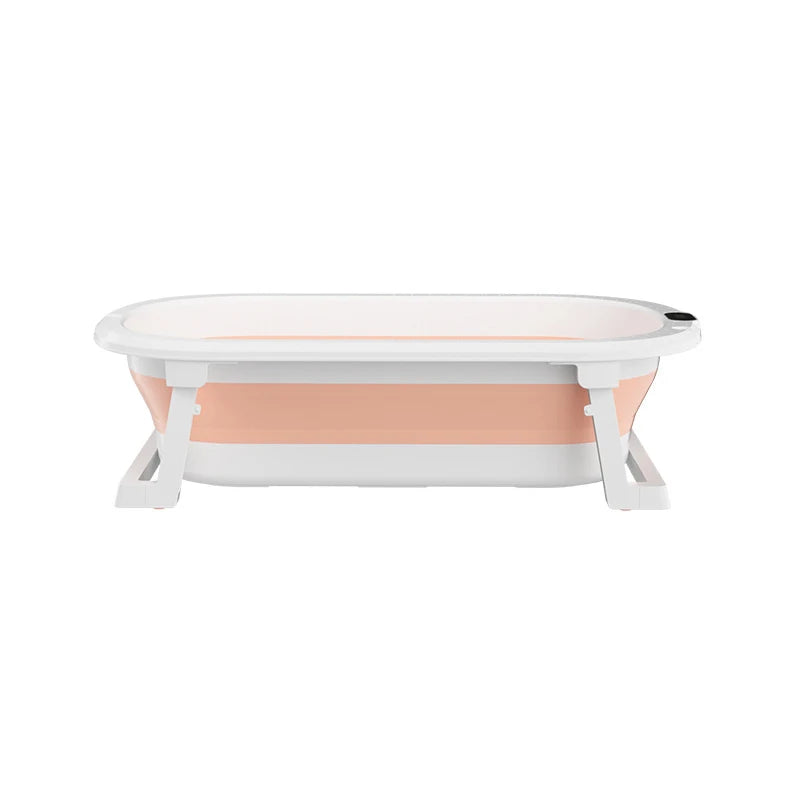
baby bath space saving - KentDO Mom & Baby — See it in action.
Quick safety checklist before every bath
- Room is warm and free from drafts.
- Clean towel and fresh clothes are prepared.
- Bath water is checked before placing your baby inside.
- Soap and washcloth are within arm's reach.
- Your full attention remains on your baby throughout the bath.
Once your baby is ready for an infant tub, a compact option like the Foldable Bath Tub can make storage easier while supporting a consistent bathing routine.
Mini-FAQ
1. When can I give my newborn the first bath?
Most healthcare professionals recommend waiting at least 24 hours after birth before the first bath whenever possible. Until the umbilical cord stump falls off and heals completely, sponge baths are generally the safest option.
2. How often should I bathe my newborn?
For most healthy newborns, bathing two to three times per week is sufficient. Daily cleaning of the face, neck folds, hands, and diaper area is usually all that's needed between baths.
3. Why are sponge baths recommended before the cord stump falls off?
Keeping the umbilical cord stump as dry as possible helps promote natural healing and may reduce the risk of irritation or infection. Sponge baths clean your baby effectively without soaking the healing area.
4. What is the ideal bath water temperature?
Bath water should be approximately 37–38°C (98.6–100.4°F). Always check the temperature before placing your baby into the water using a bath thermometer or the inside of your wrist or elbow.
5. How long should a newborn bath last?
A newborn bath generally lasts between 5 and 10 minutes. Short baths help prevent your baby from becoming cold while still allowing enough time for gentle cleaning.
6. Can I bathe my newborn every day?
Daily baths are usually unnecessary and may dry your baby's delicate skin. If you enjoy a bedtime bath as part of your routine, you can use plain warm water on most days and reserve cleanser for when it's needed.
7. What should I do if my baby cries during bath time?
Stay calm, speak softly, and keep your baby warm by exposing only the area you're washing. Checking the room temperature and water temperature often resolves common causes of discomfort.
8. Should I moisturize my newborn after a bath?
Many newborns do not need lotion after every bath. If your baby's skin appears dry, your pediatrician may recommend applying a gentle, fragrance-free moisturizer immediately after patting the skin dry.
Wrap-Up: Build a Safe and Simple Newborn Bath Routine
A successful newborn bath routine is built on preparation, gentle handling, and consistent safety practices rather than the size of your bathroom. By organizing supplies in advance, using age-appropriate bathing methods, and maintaining a comfortable water temperature, you can make every bath a calm and positive experience for both you and your baby.
As your child grows, your routine will naturally evolve, but the fundamentals remain the same: never leave your baby unattended, keep baths brief and warm, and choose equipment that fits both your family's needs and your available space.
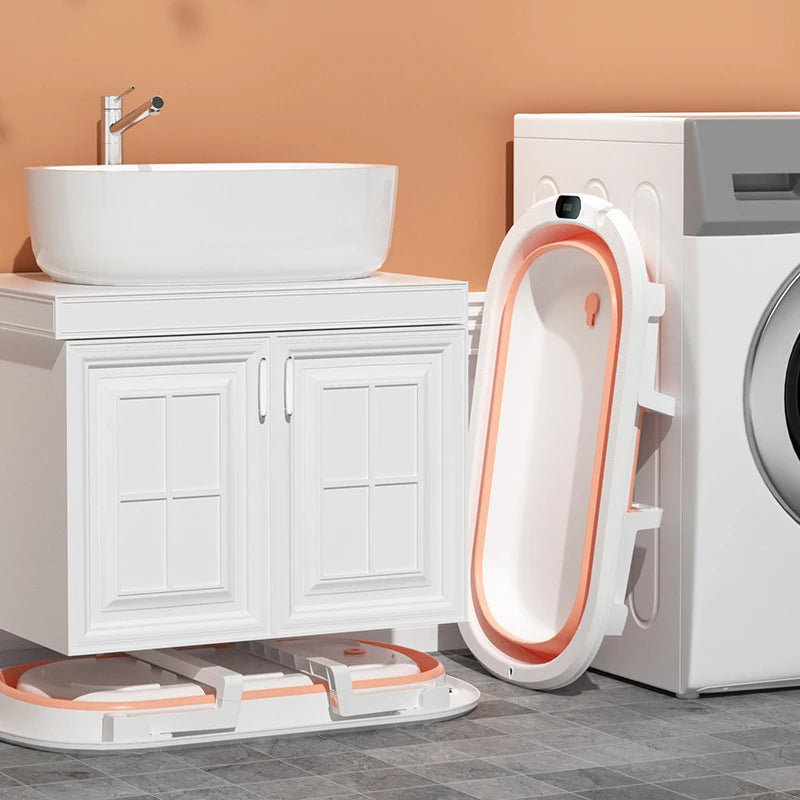
baby bath space saving - KentDO Mom & Baby — See it in action.
When you're ready to transition to an infant tub, our Foldable Bath Tub pairs well with essentials from the Baby Bath Accessories collection to help keep your bathing routine organized.
Related Articles:
- Small Bathroom Baby Bath: How to Fit Comfort and Safety
- Baby Bath Space Saving: Solutions for Small Bathrooms and Tubs
Pillar Articles:





