

Does a quick towel and routine stop a toddler from getting cold after bath?
Yes. A warm, absorbent towel paired with a simple post-bath routine helps most toddlers stay comfortable after bathing. Wrapping your child immediately, drying the head first, and dressing them in warm clothing reduces heat loss from evaporation and supports a steady body temperature before bedtime.
⏱ 7 min read
Toddler Cold After Bath? Towels and Routines That Keep Warmth In
If your toddler cold after bath moments happen every evening, you're far from alone. Many healthy toddlers feel chilly for a few minutes after leaving warm bath water because their wet skin loses heat quickly. The good news is that a few evidence-based changes—from using the right towel to preparing the room before bath time—can make bath time much more comfortable while helping your child settle for sleep.
toddler cold after bath - KentDO See it in action
Toddler Cold After Bath? What Parents Should Know
If you're wondering why is my toddler cold after bath , the answer is usually simple: toddlers lose body heat faster than adults once they leave warm water. A brief period of feeling cool or mild shivering is often normal and typically resolves within a few minutes after drying and dressing.
In most cases, your child is not becoming ill because of the bath itself. The key is minimizing heat loss by preparing everything before bath time so your toddler spends as little time as possible wet and uncovered.
Can a Bath Cause a Cold? Myth vs. Fact
Viruses cause colds, not baths
One of the most common parenting myths is that taking a bath causes a cold. In reality, colds are caused by viruses, not by warm water or getting chilled afterward. A toddler may feel temporarily cold after bathing, but that alone does not create a viral infection.
Why toddlers may shiver after bathing
Toddler shivering after bath usually happens because water evaporates from the skin, carrying away body heat. As the body works to restore its normal temperature, mild shivering helps generate warmth. This response is especially common in younger children whose temperature regulation is still developing.
Why Toddlers Feel Cold After a Bath
Body temperature changes after bathing
Toddlers have a higher surface-area-to-body-mass ratio than adults, so they lose heat more quickly. Warm bath water opens blood vessels near the skin, and once they leave the tub, evaporation rapidly cools the body—particularly if hair and skin remain damp.
Brief shivering that stops after drying, cuddling, and dressing is usually expected. Most children warm up within several minutes when wrapped in a dry towel and moved into a comfortably heated room.
Signs Your Toddler Is Too Cold vs. Actually Sick
Normal chills
- Mild shivering lasting only a few minutes.
- Cool hands or feet immediately after the bath.
- Stops shivering after drying and dressing.
- Returns to normal play or bedtime routine quickly.
Symptoms that need medical attention
If you're searching for baby cold after bath what to do , remember that prolonged chills alone are uncommon. Contact your pediatrician if your toddler has:
- Persistent shivering despite warming measures.
- Fever, difficulty breathing, or unusual sleepiness.
- Bluish lips or fingertips.
- Poor responsiveness or refusal to drink fluids.
These symptoms may indicate illness rather than ordinary post-bath cooling.
How to Keep Your Toddler Warm After a Bath
Warm towel routine
- Prepare pajamas, diaper, and towel before starting the bath.
- Warm the towel slightly by placing it in a warm room or briefly using warm water, then wring it thoroughly so it is warm—not hot or dripping.
- Wrap your toddler immediately after lifting them from the tub.
Drying quickly
Dry the head first because significant heat is lost through the scalp. Pat the skin instead of rubbing aggressively to reduce irritation while removing moisture efficiently.
Dressing immediately
Dress your toddler in a warm onesie or sleepwear before applying lotions or continuing the bedtime routine. Layer clothing according to the room temperature rather than overdressing, which may cause overheating.
Quick tip: Which baby gear suits your toddler best? Read on!
toddler cold after bath - KentDO See it in action
Toddler Bath Temperature Safety
Ideal room temperature
Keeping the bathroom comfortably warm helps reduce the temperature difference between the bath and the surrounding air. Close windows that create drafts and prepare the next room before finishing the bath.
Ideal bath water temperature
The ideal bath temperature for toddlers is approximately 98°F to 100°F (37°C to 38°C) . Water that is too hot can dry the skin and increase overheating, while cooler water may make children uncomfortable sooner.
Always test the water with a reliable bath thermometer or your inner wrist before placing your toddler into the tub.
Choosing Towels That Help Retain Warmth
The best towels combine absorbency, softness, and warmth while remaining gentle on delicate skin.
Cotton vs. muslin
Muslin dries quickly and remains breathable, making it ideal for toddlers who become warm easily. Cotton terry absorbs more water and generally provides greater insulation in colder climates.
Hooded towels
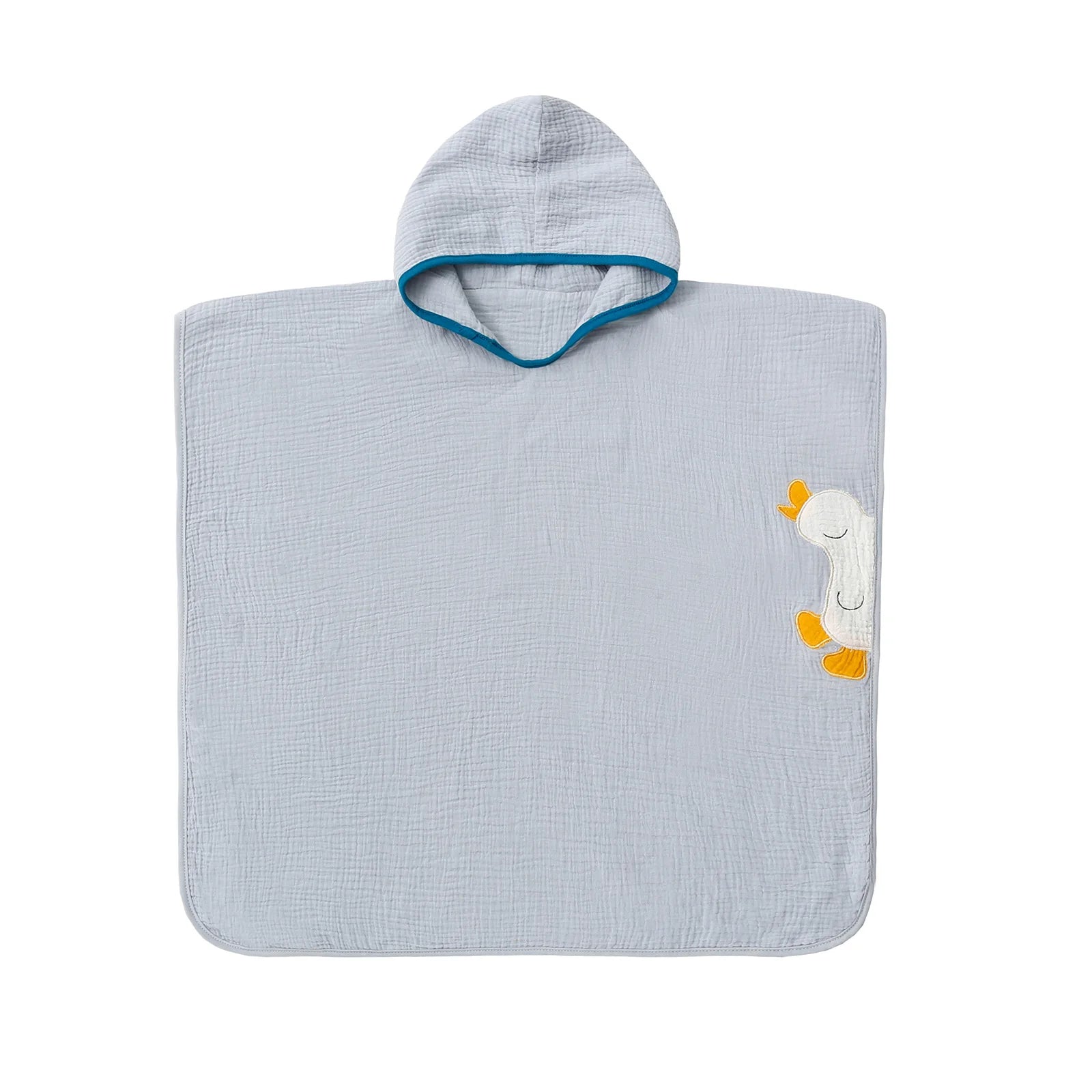
A hooded towel helps reduce heat loss from the head and keeps hair contained while you finish drying the body.
High-GSM options
Higher-GSM towels contain denser fibers that hold warmth longer but require more drying time. Lightweight muslin is often easier to travel with and dries faster between uses.
- High GSM terry: Excellent warmth during winter months.
- Layered muslin: Breathable and quick drying.
- Organic cotton: Gentle for sensitive skin.
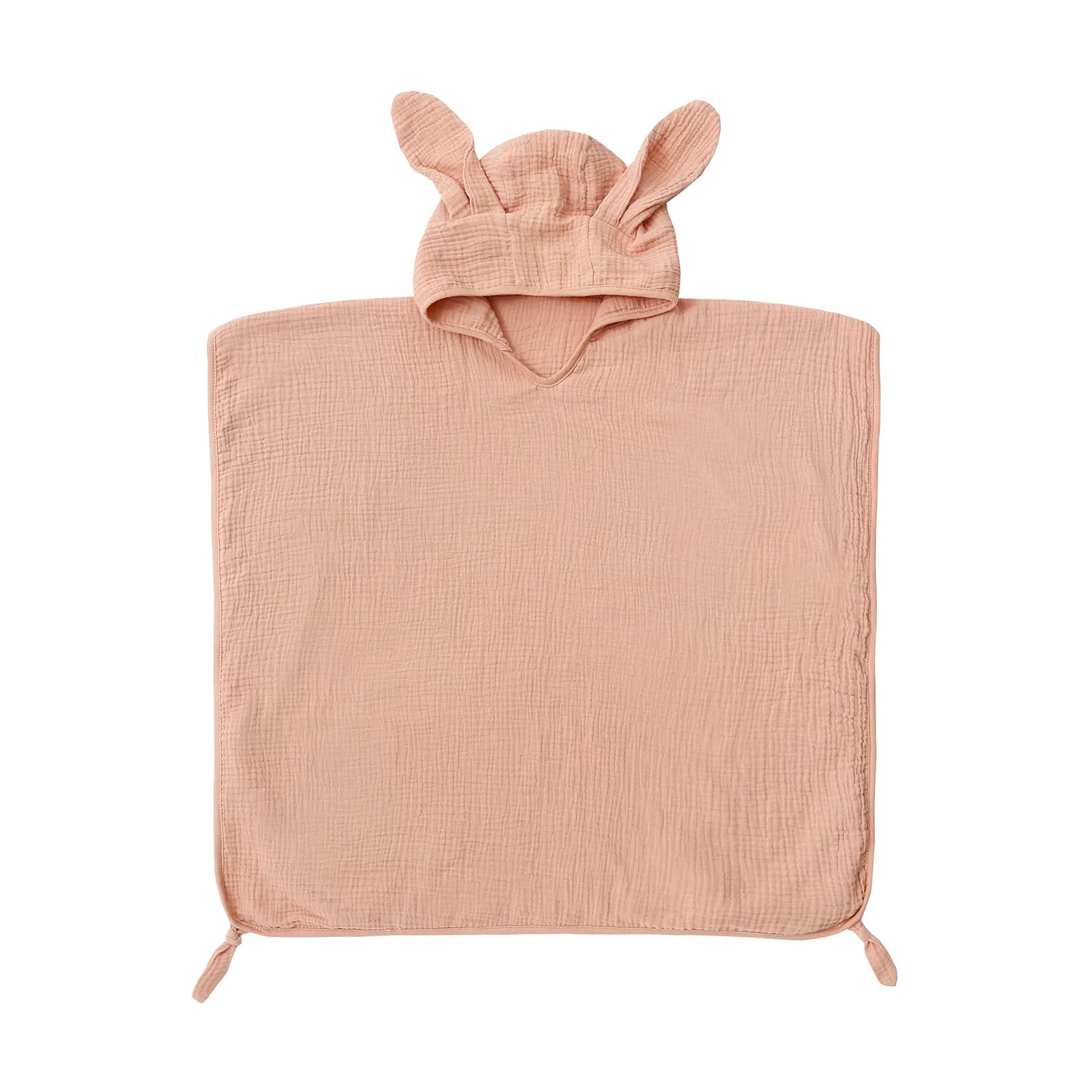
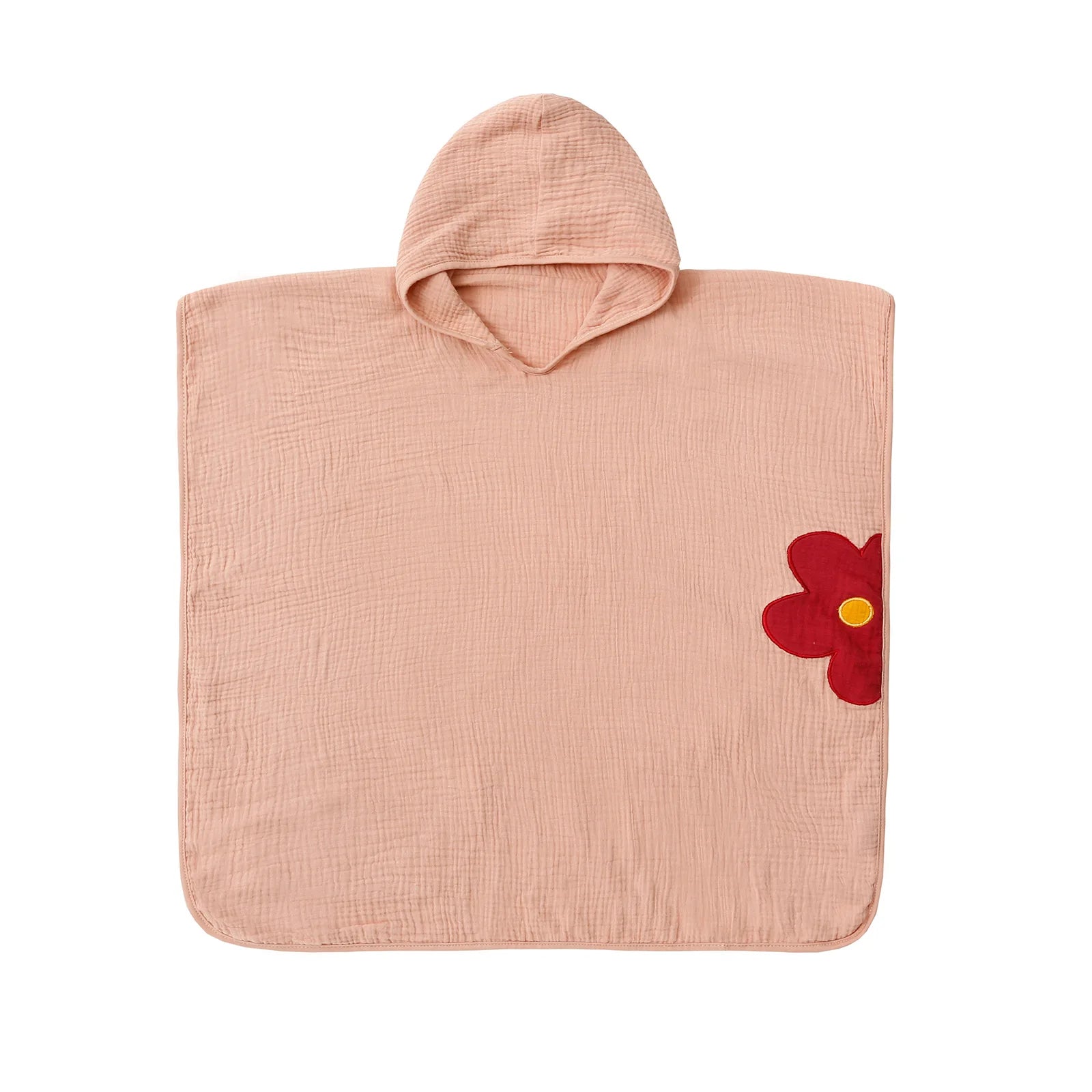
For parents looking for a lightweight solution, the muslin baby hooded poncho towel combines breathable fabric with full head coverage for quick post-bath wrapping.
| Towel type | Warmth | Drying speed | Best for |
|---|---|---|---|
| Layered muslin hooded | Moderate | Fast | Everyday use, warmer climates |
| High-GSM terry | High | Slow | Cold bathrooms and winter |
| Organic cotton blend | Moderate | Medium | Sensitive skin |
Quick Comparison of Toddler Towel Types
- Muslin hooded: Excellent breathability, lightweight, dries quickly, ideal for daily use.
- Terry hooded: Superior insulation, highly absorbent, best for cooler homes.
- Microfiber: Fast drying but may feel cooler against the skin unless pre-warmed.
toddler cold after bath - KentDO See it in action
Frequently Asked Questions
-
Can a toddler catch a cold from taking a bath?
No. Colds are caused by viruses, not by bathing. A warm bath may leave your toddler feeling chilly afterward, but it does not cause viral infections.
-
Why does my toddler shiver after a bath?
Shivering is usually a normal response as the body replaces heat lost through evaporation. It should stop after your child is dried, wrapped, and dressed.
-
What is the ideal bath temperature for toddlers?
Bath water should generally stay between 98°F and 100°F (37°C to 38°C), which feels comfortably warm without increasing burn risk.
-
How can I keep my toddler warm after bathing?
Prepare the room ahead of time, wrap your toddler immediately in a hooded towel, dry the head first, and dress them promptly in warm sleepwear.
-
How quickly should I dry my toddler after a bath?
Ideally within the first 30 seconds after leaving the tub to minimize heat loss from wet skin.
-
When should I worry if my toddler stays cold after a bath?
If your child remains unusually cold despite warming measures, develops a fever, has trouble breathing, or appears unusually sleepy or difficult to wake, contact your pediatrician promptly.
Related collections: Baby Bath Accessories · Sleep & Comfort · Baby Care Essentials
Pillar Article: Baby Towel Hurts Skin? Gentle Alternatives for Sensitive Types
Other Related Articles:
Explore More:





