

Baby Towel Hurts Skin? Gentle Alternatives for Sensitive Types
If your baby cries during drying time or develops redness after every bath, the towel may be part of the problem. While a rough baby towel can irritate delicate skin, the right fabric, washing routine, and gentle drying technique can help protect your baby's natural skin barrier. Learn how to recognize towel-related irritation, choose a softer alternative, and keep bath time comfortable for sensitive skin.
⏱ 8 min read
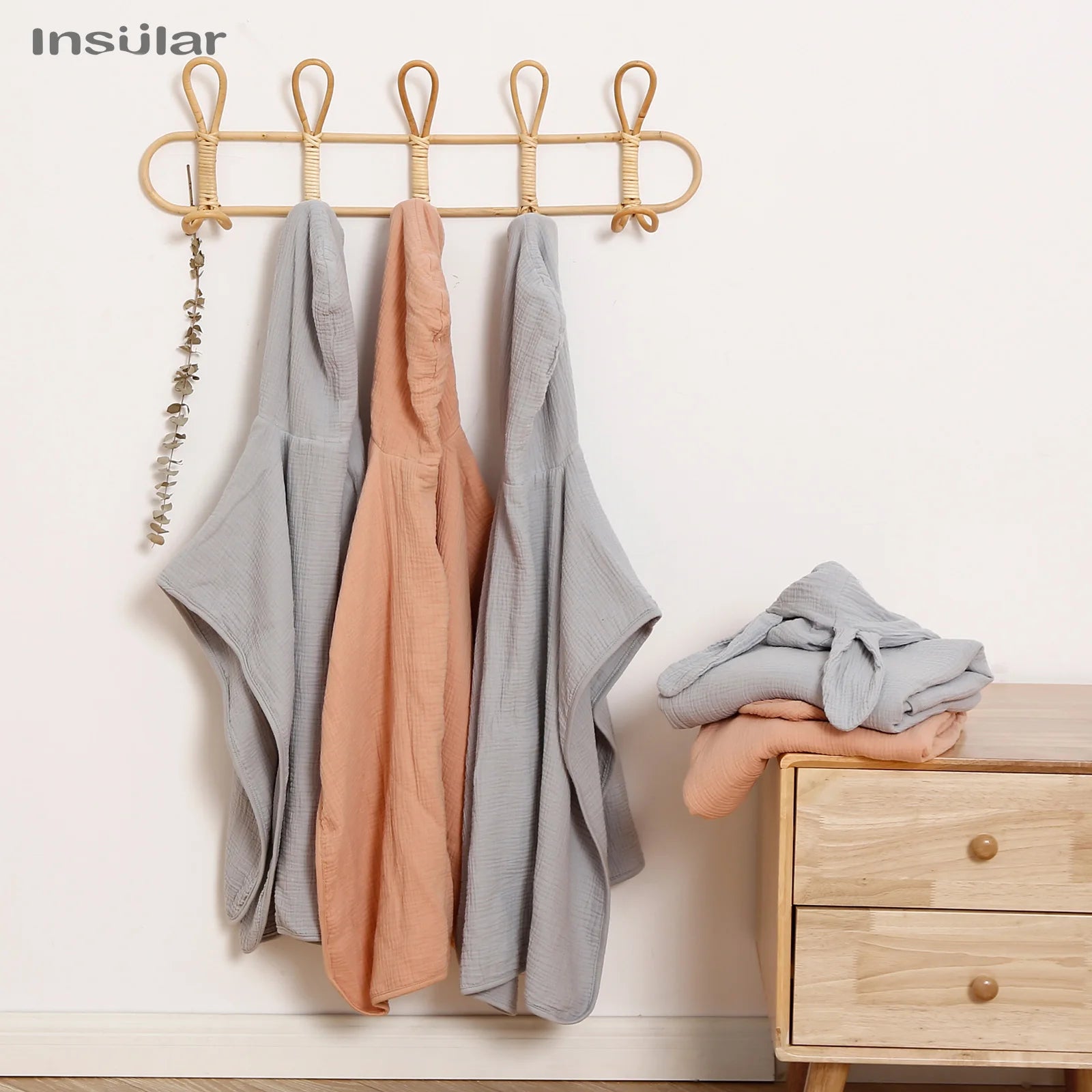
Soft, gentle towels that help protect delicate baby skin during every bath.
Does a baby towel really hurt skin?
Yes—baby towel hurts skin when rough fibers, detergent residue, or improper drying techniques create unnecessary friction on a baby's delicate skin. Most healthy skin recovers quickly, but babies with eczema, dry skin, or allergies may experience more noticeable redness, irritation, or discomfort. Choosing a soft, hypoallergenic towel and following gentle skincare habits significantly reduces the risk.
Why Baby Towels Can Hurt Sensitive Skin
Why a baby's skin is more sensitive than an adult's
A newborn's skin barrier is thinner and loses moisture more easily than adult skin. Because it is still developing, even gentle friction can leave temporary redness. Premature babies and infants with eczema often have an even weaker protective barrier, making them more vulnerable to irritation from fabrics, soaps, and temperature changes.
Is the towel really the cause?
Not always. Although baby towel irritates skin in some cases, redness after bath time may also result from:
- Very warm bath water.
- Dry indoor air.
- Frequent bathing.
- Eczema flare-ups.
- Contact dermatitis from skincare products or detergents.
If irritation only appears after towel drying and improves after switching towels or changing laundry products, the towel is a likely contributor.
Common Reasons a Baby Towel Causes Skin Irritation
Friction from rough or worn fabric
Older towels gradually become rough as fibers break down. Rubbing rather than gently patting the skin can cause baby skin irritation from towel friction, especially around the face, neck, arms, and skin folds.
Detergent residue and fragrance sensitivity
Even an extremely soft towel may irritate sensitive skin if detergent residue remains in the fibers. Strong fragrances, dyes, and optical brighteners may trigger irritation in babies with sensitive skin.
Eczema, contact dermatitis, and allergies
If your baby already has eczema or contact dermatitis, towel friction may worsen existing inflammation. In these situations, the towel is usually not the root cause but can make symptoms more noticeable.
Overbathing, heat, and dry skin
Long baths, hot water, and low indoor humidity strip away natural oils. Dry skin becomes more vulnerable, so even soft towels may feel irritating afterward. Limiting bath time and moisturizing promptly helps restore the skin barrier.
How to Tell Whether the Towel Is the Problem
Signs of towel-related irritation
- Redness appears immediately after drying.
- Skin calms within an hour or two.
- Irritation improves after switching to a softer towel.
- Red patches appear only where the towel rubs.
Signs of an underlying skin condition
- Persistent dry, flaky skin.
- Recurring itchy rashes.
- Cracked or oozing skin.
- Redness that continues between baths.
These symptoms may suggest eczema or another skin condition rather than towel irritation alone.
When to see a pediatrician
Contact your pediatrician if your baby develops widespread rash, severe itching, blisters, signs of infection, fever, or skin irritation that does not improve after changing towels, detergents, and skincare routines.
How to Prevent Baby Skin Irritation After Bath Time
Pat dry instead of rubbing
Rather than rubbing vigorously, gently press the towel against your baby's skin to absorb water. This simple technique dramatically reduces friction.
- Use lukewarm water.
- Keep baths around 5–10 minutes.
- Use mild, fragrance-free cleansers.
- Avoid excessive scrubbing.
Moisturize immediately after drying
Apply a gentle baby moisturizer within a few minutes of drying while the skin is still slightly damp. This helps lock in moisture and strengthen the natural skin barrier.
Avoid common post-bath mistakes
- Do not overdry the skin.
- Avoid heavily scented lotions if your baby has sensitive skin.
- Change into soft, breathable clothing after bathing.
- Replace towels that feel scratchy or stiff.
How to Choose the Best Towel for Sensitive Baby Skin
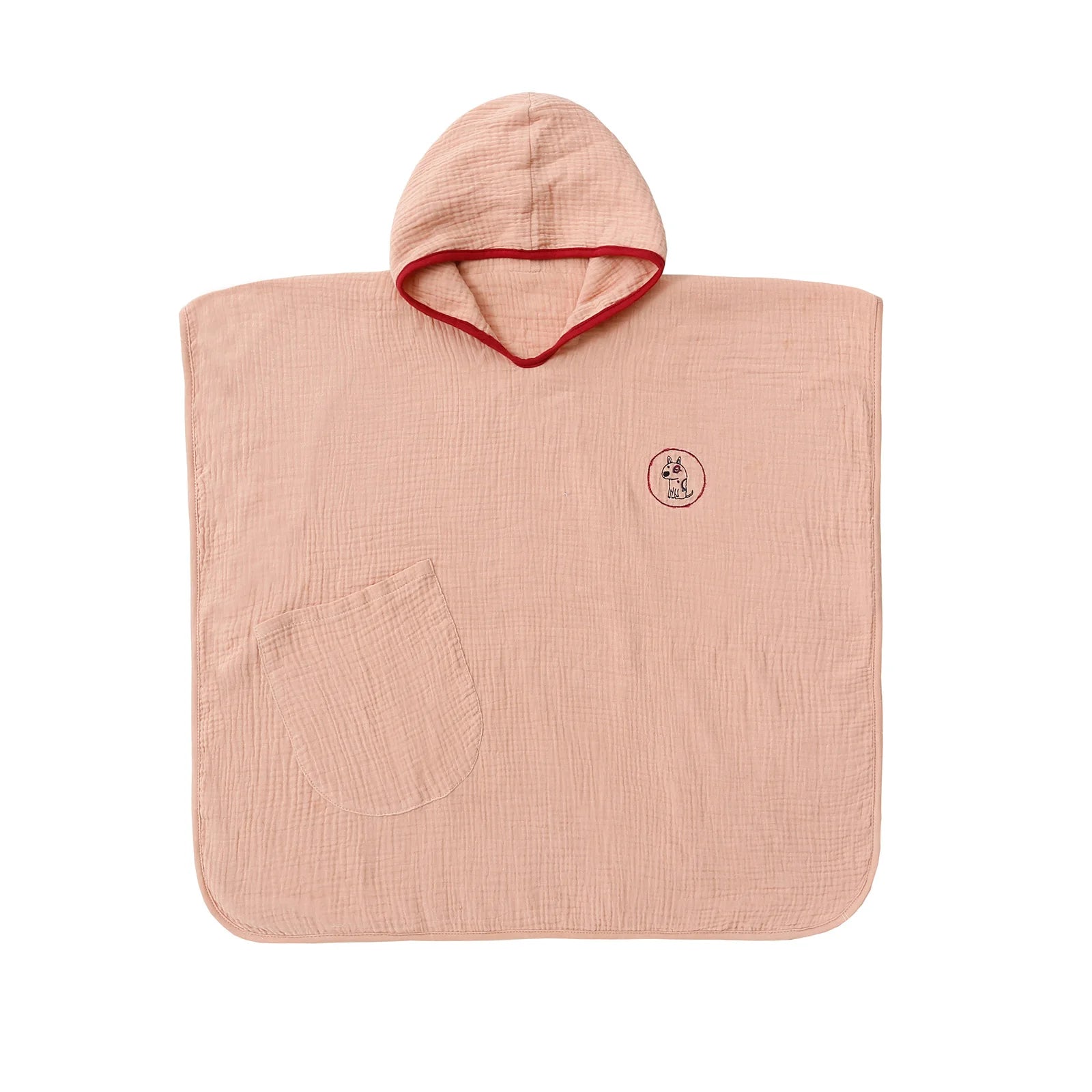
Hypoallergenic fabrics help reduce friction and improve comfort for babies with sensitive skin.
Cotton vs bamboo baby towels
| Feature | Organic Cotton | Bamboo Blend |
|---|---|---|
| Softness | Excellent | Excellent |
| Breathability | Very good | Very good |
| Moisture absorption | High | Very high |
| Sensitive skin suitability | Excellent | Excellent |
| Durability | Excellent | Good with proper care |
Both materials work well for sensitive babies. Bamboo baby towel benefits include exceptional softness and moisture absorption, while organic cotton remains highly durable and breathable.
What makes a towel hypoallergenic?
When learning how to choose a soft baby towel, look for:
- Organic or OEKO-TEX certified fabrics.
- Minimal dyes and harsh chemical finishes.
- High absorbency without heavy weight.
- Soft loops that remain gentle after repeated washing.
A hooded design also reduces unnecessary rubbing while keeping babies warm. The Muslin Baby Hooded Poncho Towel is designed to wrap babies comfortably while minimizing friction during drying.
When to replace rough towels
Even premium towels eventually lose softness. Replace them if they:
- Feel rough after washing.
- Become less absorbent.
- Show frayed loops or thinning fabric.
- Retain odors despite proper washing.
How to Wash Baby Towels Safely
Use fragrance-free detergent
Choose a gentle, fragrance-free detergent formulated for sensitive skin whenever possible. Extra rinse cycles help remove detergent residue.
Avoid fabric softeners
Fabric softeners can leave residue that reduces absorbency and may irritate delicate skin. They also coat fibers, making towels less effective over time.
Dry towels to maintain softness
- Wash baby towels separately from heavily soiled laundry.
- Use warm—not excessively hot—water.
- Tumble dry on low heat or air dry.
- Replace towels once they become rough or stiff.
Following these simple laundry habits helps maintain a soft baby towel for sensitive skin and reduces the likelihood of irritation after every bath.
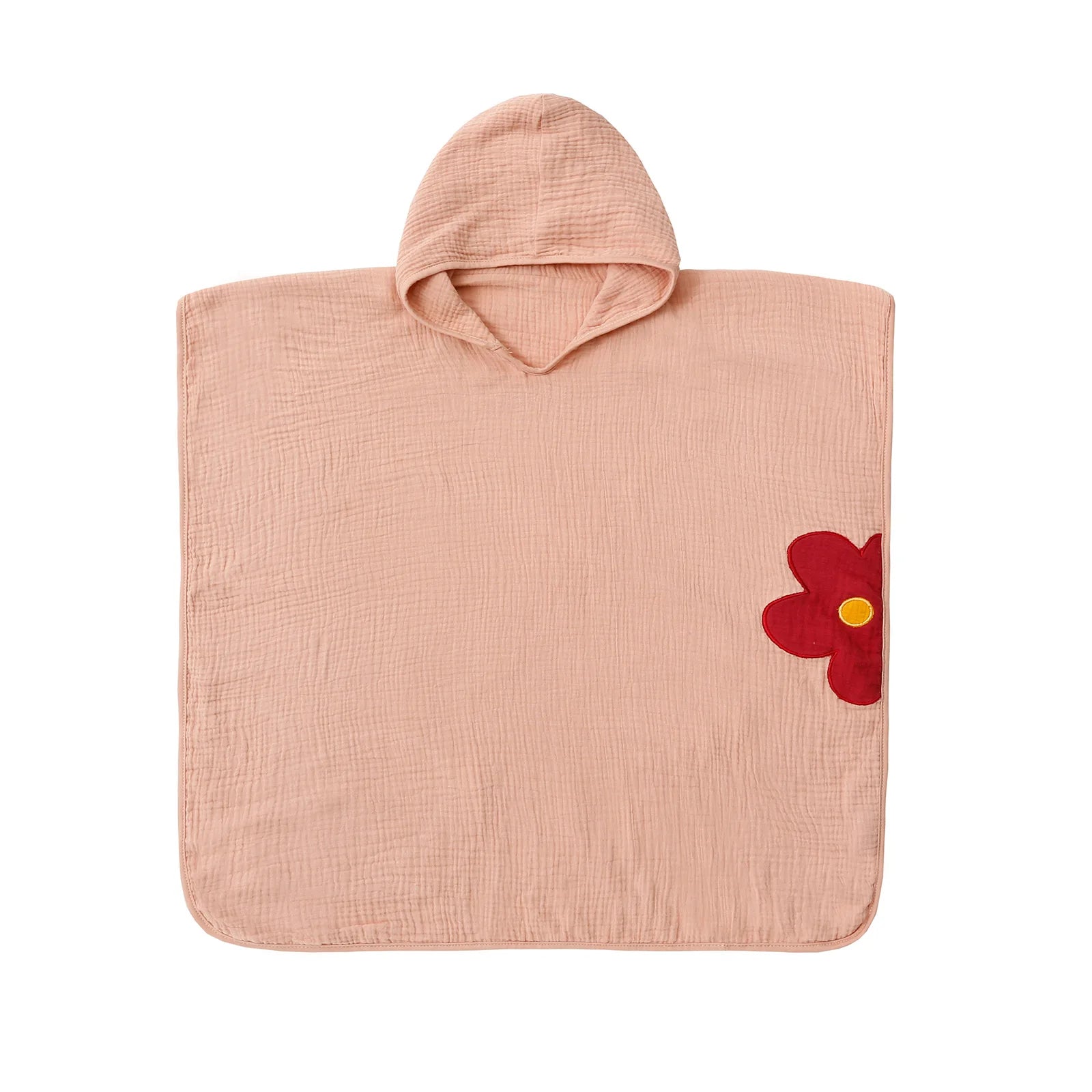
Choosing soft, properly maintained towels helps keep bath time comfortable for sensitive babies.
Frequently Asked Questions
Why does my baby's skin turn red after using a towel?
Temporary redness is often caused by friction from rough fibers or rubbing too firmly. Switching to a gentler towel and patting the skin dry usually helps.
Can a rough towel cause a baby rash?
A rough towel may contribute to irritation or worsen existing dry skin and eczema, but persistent rashes should be evaluated for other underlying causes.
Is bamboo or cotton better for sensitive baby skin?
Both are excellent choices. Bamboo towels offer exceptional softness and absorbency, while organic cotton provides outstanding durability and breathability.
Can laundry detergent make towels irritate skin?
Yes. Fragrances, dyes, and detergent residue may remain in towel fibers and contribute to irritation in babies with sensitive skin.
How can I dry my baby without irritating the skin?
Use a soft hypoallergenic towel, gently pat instead of rub, and apply moisturizer immediately afterward to help protect the skin barrier.
How often should baby towels be replaced?
Replace towels whenever they become rough, frayed, or noticeably less absorbent. Depending on care and frequency of use, many families replace them every 6–12 months.
Should I stop using the towel if my baby has eczema?
You don't necessarily need to stop using towels, but choose the softest option available, avoid rubbing, and follow your pediatrician's skincare recommendations.
When should I contact a pediatrician?
Seek medical advice if redness becomes severe, develops blisters or drainage, spreads rapidly, is accompanied by fever, or fails to improve after eliminating possible irritants.
Related Articles:
- Toddler Cold After Bath? Towels and Routines That Keep Warmth In
- Rough Baby Bath Towel Issues and the Best Fixes for Delicate Skin
Pillar Articles:





