

What Causes Toothbrush Injuries to Gums in Children?
Toothbrushing injuries children experience often happen when rigid brushes collide with sudden movement, poor grip, excessive brushing pressure, or sensitive developing gums. A toothbrush injury to gums may range from temporary redness to small cuts or bruising, while more significant gum trauma can occur if a child falls or suddenly jerks during brushing. Choosing an age-appropriate toothbrush, using gentle technique, and supervising young children help reduce injury risk while supporting healthy oral care habits.
Toothbrushing Injuries Children Face With Regular Brushes
⏱ 6 min read
Toothbrushing injuries children face are more common than many parents expect. A simple daily routine can become stressful when a child slips, bites down suddenly, or resists brushing. Understanding why these injuries happen—and how safer brushing habits and child-friendly toothbrushes can help—makes it easier to protect growing mouths while building lifelong oral hygiene habits.
Have you ever worried about your child moving unexpectedly while brushing and hurting their gums or lips? You're not alone. Young children are still developing coordination, making sudden movements difficult to predict. Combined with an adult-style toothbrush or brushing too forcefully, these moments can result in unnecessary gum irritation or mouth injuries.

Toothbrushing injuries children face often begin with everyday tools. See it in action.
Why Toothbrushing Injuries Happen
Most toothbrushing injuries children experience are accidental rather than the result of poor parenting. Toddlers are still learning balance, hand control, and how much pressure to apply during brushing. These developmental factors make them more vulnerable to toothbrush injury to gums.
Common causes include:
- Sudden head turns or unexpected movement while brushing
- Using too much brushing pressure
- Hard or worn bristles rubbing against delicate gum tissue
- Adult-sized toothbrushes that are difficult for small hands to control
- Walking or running with a toothbrush in the mouth
- Falls in wet bathrooms during brushing
It's also helpful to distinguish temporary gum irritation from true gum trauma. Mild redness that disappears shortly after brushing is often caused by friction or brushing technique. In contrast, persistent bleeding, cuts, swelling, or pain may indicate an actual toothbrush injury that deserves closer attention.
Common Signs of Toothbrush-Related Gum Injury
Most toddler toothbrush injuries are minor, but recognizing early signs helps prevent further irritation.
- Bleeding during or immediately after brushing
- Red or swollen gums
- Small cuts where the toothbrush contacted the gums
- Soreness when eating or brushing again
- Sensitivity to hot or cold foods
- Reluctance or fear of brushing after an uncomfortable experience
Occasional mild bleeding can occur when children are adjusting to improved oral hygiene, especially if plaque has accumulated. However, repeated bleeding, worsening soreness, or visible gum damage should not be ignored.
Can Brushing Too Hard Damage Gums?
Yes. Parents often ask, "Can a toothbrush damage gums?" The answer is yes if excessive force is used consistently. Although children's gums heal quickly, repeated pressure can cause gum trauma, discomfort, and even contribute to gum recession over time.
A useful guideline is to brush with only enough pressure to bend the bristles slightly—not flatten them completely. Gentle circular motions clean effectively without scraping delicate gum tissue.
Using too much force may lead to:
- Repeated gum irritation
- Small toothbrush cut gums injuries
- Increased tooth sensitivity
- Premature enamel wear over many years
- Fear of future brushing sessions
How Regular Toothbrushes May Increase Injury Risk
Many regular toothbrushes are designed for older children or adults rather than toddlers. Their size, stiffness, and shape can make child oral safety more challenging during everyday brushing.
| Feature | Regular Toothbrush | Child-Friendly Toothbrush |
|---|---|---|
| Handle | Narrow and rigid | Wider, easier for small hands to grip |
| Brush Head | Larger or pointed | Rounded, age-appropriate size |
| Bristles | May be medium or firm | Soft bristles or soft silicone |
| Control | Requires greater coordination | Designed for developing motor skills |
Even the safest toothbrush cannot eliminate injuries if children walk, run, or play while brushing. Adult supervision remains an important part of child oral safety, particularly for toddlers and preschool-aged children.
Silicone Toothbrush vs Regular Toothbrush: Which Is Safer?
When comparing a silicone toothbrush vs regular toothbrush, the material is only one factor to consider. Soft silicone designs may reduce gum irritation because they flex more easily on contact, while traditional soft-bristle toothbrushes remain an excellent choice when used correctly.
Silicone toothbrushes may be especially helpful for children with sensitive gums or those who resist brushing because of discomfort. However, they do not replace proper brushing technique or routine dental care.
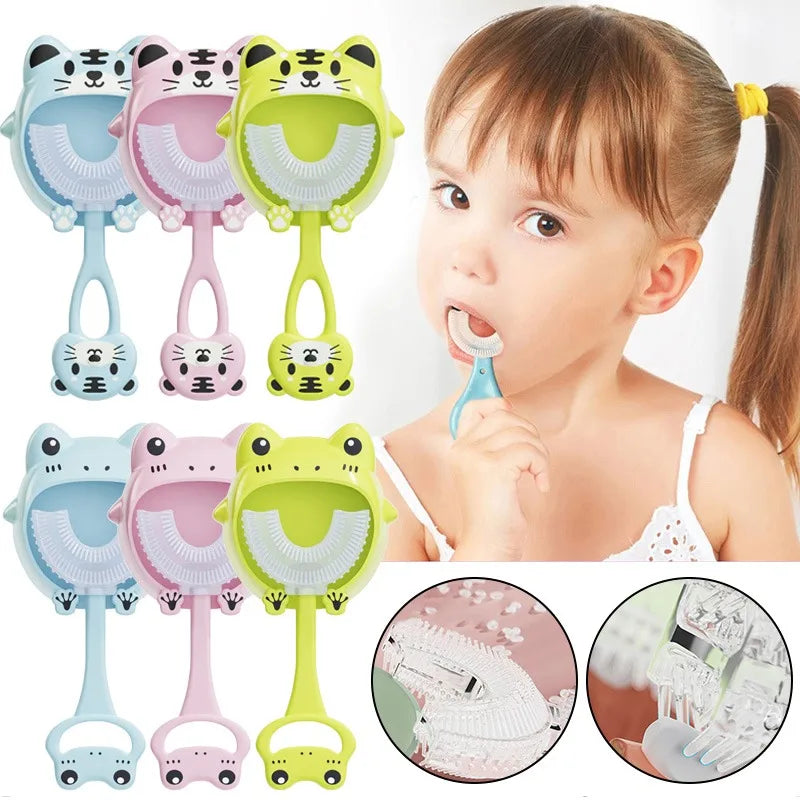
Comparing silicone toothbrush vs regular toothbrush designs highlights differences in flexibility and comfort.
How to Brush Teeth Without Hurting Your Child's Gums
Learning how to prevent toothbrush injuries in children starts with consistent, gentle technique.
- Position the toothbrush at about a 45-degree angle toward the gumline.
- Use light circular motions rather than scrubbing back and forth.
- Apply only enough pressure to slightly bend the bristles.
- Brush for approximately two minutes, covering every tooth surface.
- For toddlers, allow them to practice before finishing the brushing yourself.
- Encourage children to remain standing still instead of walking around with the toothbrush.
Parent-assisted brushing is recommended until children develop enough coordination to clean effectively on their own.
How to Choose a Safer Toothbrush for Toddlers
Reducing toothbrushing injuries children face starts with choosing a toothbrush designed for their age and developmental stage.
- Choose soft bristles or soft medical-grade silicone.
- Select an age-appropriate brush head that comfortably fits inside the mouth.
- Look for an easy-to-grip handle that improves control.
- Replace the toothbrush every three months or sooner if the bristles become frayed.
- Discard any toothbrush after illness if recommended by your dental professional.
Parents looking for additional guidance can also explore our Health & Safety resources, Baby Care Essentials , and Baby Hygiene Gadgets collections for products that support safe daily routines.
The U-Shape Kids Toothbrush is designed with soft silicone and an age-appropriate shape that may improve comfort for some children, although proper brushing technique and supervision remain essential regardless of toothbrush style.
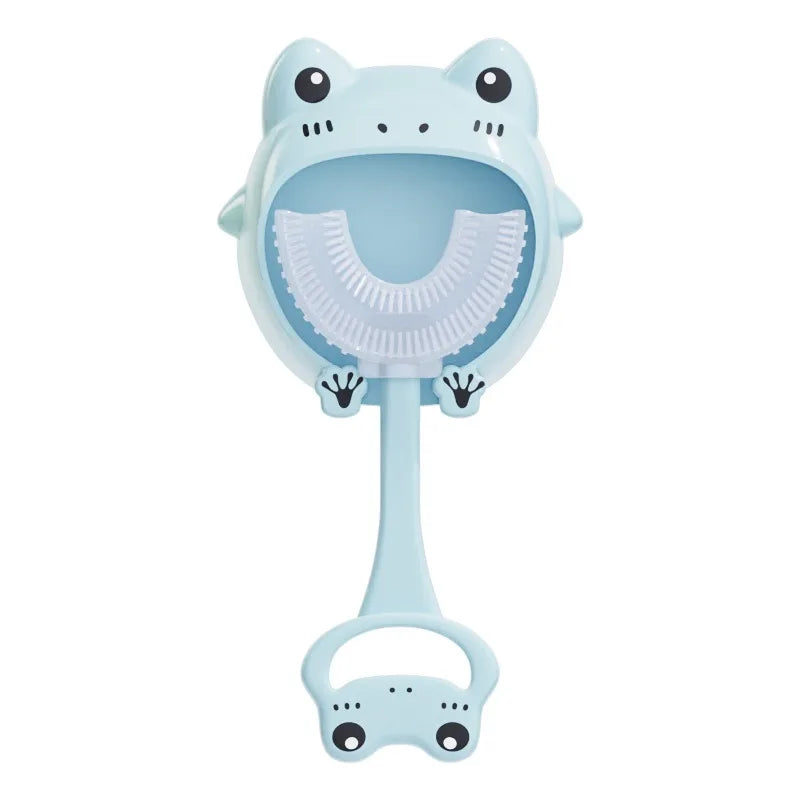
Choosing an age-appropriate toothbrush helps reduce unnecessary gum irritation.
What to Do If a Toothbrush Injures Your Child's Gums
Most minor toothbrush injuries heal quickly with simple home care.
- Stop brushing the injured area temporarily if it is actively bleeding.
- Rinse gently with clean water.
- Offer cool water or cold foods if the area feels sore.
- Switch to a softer toothbrush if current bristles appear too firm or worn.
- Use gentler brushing pressure during healing.
- Monitor the area over the next 24 to 48 hours.
If the injury resulted from a fall with the toothbrush in the mouth, or if the cut appears deep, seek prompt dental or medical evaluation rather than attempting home treatment alone.
When to See a Dentist About Toothbrush Injuries
While many gum injuries improve within a day or two, professional evaluation is recommended if your child has:
- Bleeding that does not stop after gentle pressure
- Persistent swelling or increasing pain
- Deep cuts or puncture wounds
- Difficulty eating, swallowing, or opening the mouth
- Repeated gum injuries despite changing brushing habits
- Signs of gum recession or ongoing tooth sensitivity
A dentist can determine whether the injury is limited to the gums or if additional treatment is needed to protect your child's developing teeth and oral tissues.
Frequently Asked Questions
Are toothbrush injuries common in toddlers?
Yes. Toddlers have developing coordination and are more likely to move unexpectedly during brushing. Most injuries are minor, but using an age-appropriate soft toothbrush and supervising brushing helps reduce risk.
Can brushing too hard cause gum recession in children?
Repeated excessive brushing pressure may irritate the gums and contribute to gum recession over time. Gentle circular brushing with light pressure is both safer and effective.
Is a silicone toothbrush safer than a regular toothbrush?
A silicone toothbrush may reduce gum irritation because of its flexibility, but safety also depends on using the correct size, gentle technique, and appropriate supervision. Both silicone and soft-bristle toothbrushes can be suitable when used properly.
What toothbrush is safest for toddlers?
A toothbrush with a small head, soft bristles or soft silicone, an easy-to-grip handle, and an age-appropriate design is generally the safest choice for toddlers.
How can I stop my child's gums from bleeding after brushing?
Reduce brushing pressure, replace worn toothbrushes, and use a soft toothbrush. If bleeding continues for several days or is accompanied by swelling or pain, schedule a dental examination.
Related Guide: Silicone Toothbrush Benefits Children for Safer Daily Brushing





