

Does a U Shape Toothbrush Really Work for Kids and Families?
A U shape toothbrush can make brushing easier for many children, but realistic expectations matter. Its mouthpiece design helps clean multiple tooth surfaces at once, encourages better brushing habits, and often reduces resistance during daily routines. However, effectiveness depends on choosing the correct size, using the proper technique, and brushing for the recommended time. While it can be an excellent option for young children and reluctant brushers, it should still be combined with regular dental checkups and good oral hygiene habits.
U Shape Toothbrush Guide Based on Family Test Results
This u shape toothbrush guide explores how silicone U-shaped toothbrushes perform for toddlers, children, and families. You'll learn how the 360° design works, compare a silicone toothbrush vs regular toothbrush, discover realistic benefits and limitations, review leading options for different age groups, and learn proper brushing techniques that help maximize plaque removal while protecting developing teeth and gums.
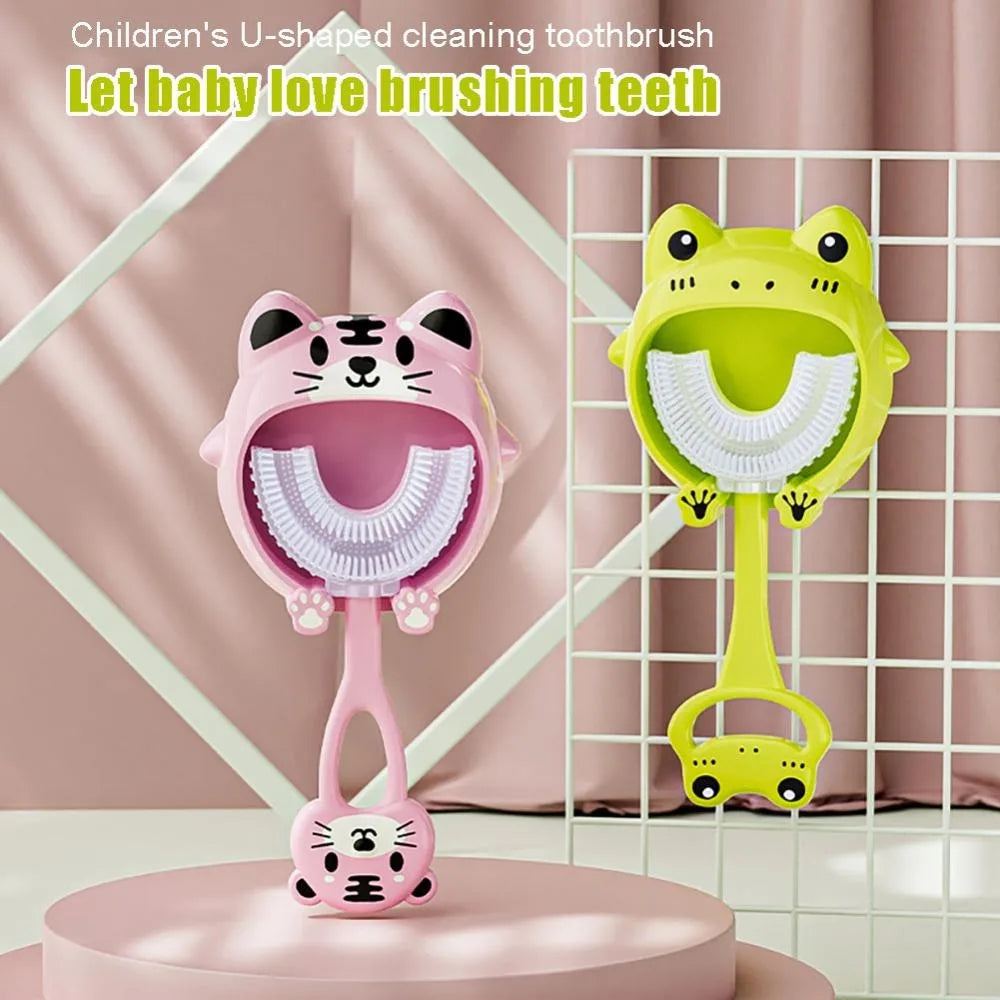
See it in action: U shaped toothbrush guide and real-world brushing performance.
What Is a U Shaped Toothbrush and How Does It Work?
A U shaped toothbrush uses a mouthpiece that surrounds both the upper and lower teeth. Instead of brushing one tooth at a time, the brush cleans multiple surfaces simultaneously while the user gently bites down and moves the handle side to side.
360° brush head design
The U-shaped head is molded to follow the natural curve of the dental arch. This allows more tooth surfaces to contact the brush at once, making brushing easier for young children who struggle with traditional techniques.
Silicone vs nylon bristles
Many children's models use soft food-grade silicone that feels gentle on sensitive gums. Others combine silicone with nylon bristles for improved plaque removal. Silicone generally provides greater comfort, while nylon often delivers stronger mechanical cleaning when used correctly.
How brushing coverage differs
Unlike conventional toothbrushes that require precise angles and brushing strokes, a U shape toothbrush distributes contact across several teeth simultaneously. This can improve brushing consistency, although children should still spend the recommended brushing time to achieve thorough cleaning.
- Brushes multiple teeth at once.
- Designed for developing mouths.
- Encourages independent brushing.
- Helps establish daily oral care routines.
Do U Shaped Toothbrushes Really Work? Evidence, Dentist Opinions & Who They Help
Are U shaped toothbrushes effective?
Yes—when properly sized and used correctly. Many families find that children brush longer, complain less, and become more willing to brush independently. However, no toothbrush can compensate for brushing too quickly or using poor technique.
Who should use a U shape toothbrush?
- Toddlers learning to brush.
- Children who dislike conventional toothbrushes.
- Kids with sensitive gums.
- Families trying to make brushing routines less stressful.
What the current evidence says
Current research suggests that U shaped toothbrushes can improve brushing compliance and comfort for some users. Dentist opinions generally emphasize that fit, technique, brushing duration, and supervision remain more important than brush shape alone. For children, these brushes work best as part of a complete oral hygiene routine that includes fluoride toothpaste and regular dental visits.
Best U Shaped Toothbrushes: Reviews & Comparison
Different families have different needs. Choosing the correct size and design often matters more than selecting the most expensive option.
| Category | Recommended Choice | Best For | Highlights |
|---|---|---|---|
| Best for Toddlers | Soft silicone U-shaped brush | Ages 2–4 | Gentle mouthpiece, flexible silicone, easy grip |
| Best for Kids | U Shape Kids Toothbrush | Ages 4–12 | Comfortable fit, simple daily use, child-friendly design |
| Best for Adults | Adult-sized U-shaped brush | Teens & adults | Larger mouthpiece and firmer brushing surface |
Silicone Toothbrush vs Regular Toothbrush: Which Cleans Better?
Choosing between a silicone toothbrush vs regular toothbrush depends on age, brushing skill, and comfort preferences.
| Feature | Silicone U Shape | Regular Toothbrush |
|---|---|---|
| Plaque removal | Good with correct fit and technique | Excellent with proper manual brushing |
| Brushing Time | Typically 1–2 minutes | Usually 2 minutes |
| Comfort | Very gentle on gums | Depends on bristle softness |
| Ease for Kids | High | Moderate |
| Learning Curve | Short | Requires more brushing technique |
| Best Users | Young children and reluctant brushers | Older children and adults with established brushing skills |
How to Use a U Shaped Toothbrush Correctly
Step-by-step guide
- Apply a pea-sized amount of fluoride toothpaste.
- Place the brush evenly over the upper and lower teeth.
- Gently bite to secure the mouthpiece.
- Move the handle side to side while maintaining light pressure.
- Continue brushing for about two minutes.
- Rinse both the mouth and toothbrush thoroughly.
Common mistakes
- Choosing the wrong brush size.
- Brushing for less than two minutes.
- Pressing too hard.
- Skipping back teeth.
- Not replacing worn brush heads.
How long should you brush?
Even though the brush covers more tooth surfaces at once, dentists still recommend brushing for approximately two minutes to achieve consistent plaque removal.
U Shaped Toothbrush Safety: Is It Safe for Toddlers and Children?
Most silicone U shaped toothbrushes are designed with safety in mind. Their flexible construction helps reduce accidental poking and excessive pressure on delicate gums.
- Ages 2–4: Adult supervision is recommended.
- Ages 5–8: Encourage independent brushing while checking technique.
- Ages 9–12: Children can typically brush independently with occasional supervision.
Adult supervision
Parents should monitor brushing until children consistently demonstrate proper technique and adequate brushing time.
When not to use
- If the brush is too large or too small.
- If the silicone becomes cracked or damaged.
- If your dentist recommends a different brushing method because of orthodontic treatment or specific oral health needs.
U Shaped Toothbrush Pros and Cons
| Advantages | Limitations |
|---|---|
|
|
How to Choose the Best U Shaped Toothbrush
- Choose the correct size: Match the mouthpiece to your child's age and dental arch.
- Check the material: Look for high-quality food-grade silicone or hybrid bristles.
- Evaluate the handle: A non-slip grip makes brushing easier for young children.
- Consider replacement heads: Replaceable heads reduce long-term costs and improve hygiene.
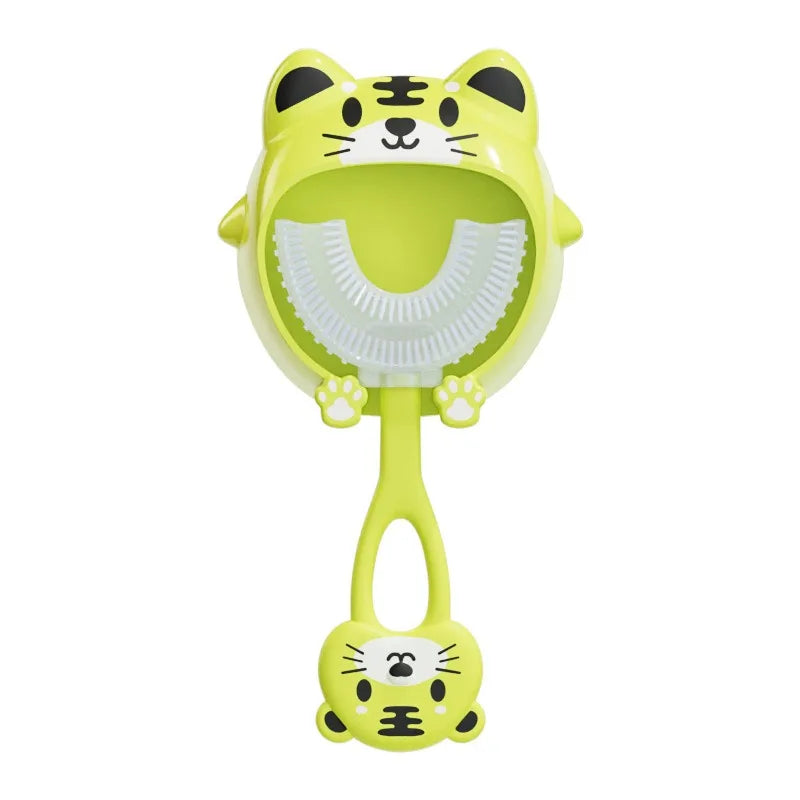
Real-world comfort and ease of use with a properly fitted U shaped toothbrush.
Cleaning, Maintenance & Replacement
- Rinse thoroughly after every use.
- Allow the brush to air dry in an upright holder.
- Store away from closed, damp containers whenever possible.
- Replace the brush or replacement head every 3–4 months, or sooner if it becomes worn or damaged.
- Inspect silicone regularly for tears or deformation.
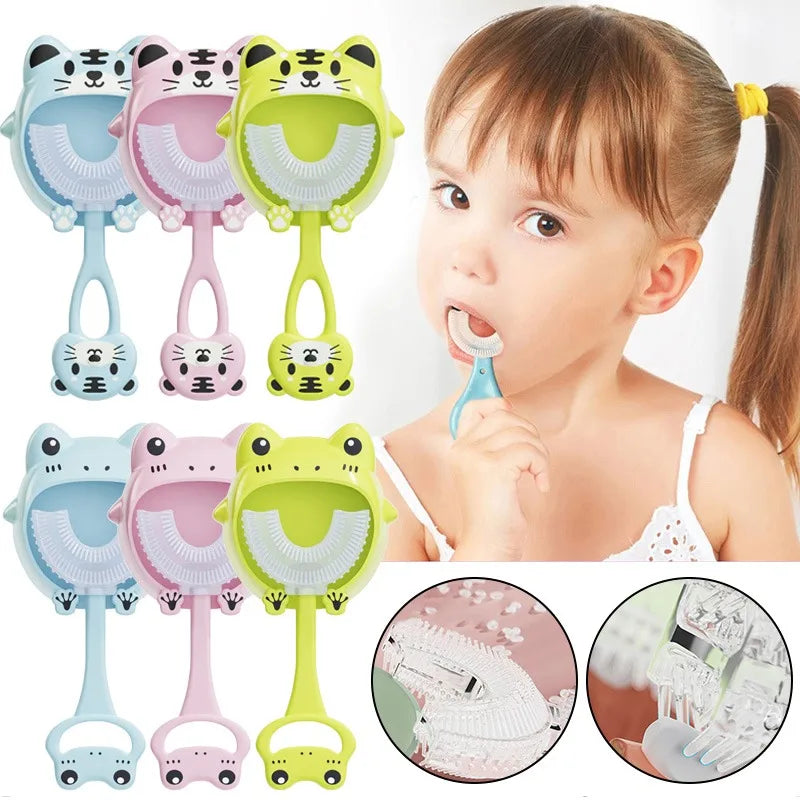
Compare comfort, safety, and ease of use when choosing a U shaped toothbrush for your family.
Frequently Asked Questions
-
Do U shaped toothbrushes actually remove plaque?
Yes, they can remove plaque effectively when the brush fits properly, is used with fluoride toothpaste, and brushing lasts the recommended two minutes. -
Are U shaped toothbrushes recommended by dentists?
Many dentists consider them a useful option for children who struggle with conventional brushing, although proper technique and regular dental care remain essential. -
Are U shaped toothbrushes safe for toddlers?
Most models designed for toddlers use soft silicone and rounded edges, making them gentle on gums when used under adult supervision. -
How long should you brush with a U shaped toothbrush?
Aim for approximately two minutes, just as you would with a traditional toothbrush. -
Can adults use a U shaped toothbrush?
Yes. Adult-sized models are available, but they should be selected according to mouth size. -
How often should a U shaped toothbrush be replaced?
Replace it every three to four months or immediately if the silicone becomes worn, torn, or damaged. -
Are silicone bristles better than regular toothbrush bristles?
Silicone offers excellent comfort and gum protection, while traditional nylon bristles may provide stronger mechanical plaque removal when used correctly. -
Can a U shaped toothbrush replace a traditional toothbrush?
For many families, yes. However, individuals with braces, complex dental conditions, or special oral care needs should follow their dentist's recommendations.
Related Guide: Buy U Shape Kids Toothbrush: Real Parent Reviews





