

15 Easy Sensory Play for 3 Year Olds (Fun Activities by Sense)
Sensory Play for 3 Year Olds: 15 Easy Activities by Sense
Three-year-olds are curious, energetic, and constantly exploring the world around them. If you’ve ever watched your toddler pour water between cups, dig through a pile of rice, or jump across the couch cushions, you’ve already seen sensory play in action.
Sensory activities help toddlers learn through hands-on experiences. By touching, moving, listening, and observing, children develop important skills like coordination, balance, creativity, and early problem-solving. The best part? Many great sensory play activities for 3 year olds use simple materials you already have at home.
Below you'll find 15 easy sensory activities organized by sense—touch, movement, sound, and visual exploration. Each activity includes quick setup instructions, materials, and developmental benefits to make playtime both fun and meaningful.
Why Sensory Play Is Important for 3 Year Olds
Sensory play allows toddlers to explore their environment through the five senses and body movement. At age three, children begin experimenting more intentionally with textures, sounds, and movement patterns.
Key Developmental Benefits of Sensory Play
- Fine motor skill development through pouring, scooping, squeezing, and sorting
- Gross motor coordination through jumping, balancing, and crawling
- Cognitive exploration by experimenting with cause and effect
- Language development as children describe textures, colors, and sounds
- Self-regulation through calming sensory experiences
- Play-based learning that supports preschool readiness
What Makes Sensory Activities Ideal for 3 Year Olds
Compared with younger toddlers, three-year-olds typically have longer attention spans and stronger coordination. This allows them to enjoy slightly more complex sensory play like sorting objects, balancing along a line, or experimenting with different sounds.
Activities should still be simple, open-ended, and supervised to ensure safety.
Quick Safety Tips for Sensory Play with Toddlers
- Always supervise sensory play activities.
- Avoid small choking hazards when working with toddlers.
- Use non-toxic materials and child-safe household items.
- Keep water activities shallow and supervised.
- Follow toy safety standards such as ASTM and CPSC guidelines for toddler products.
For more toddler development ideas and activity guides, explore helpful resources in the Baby Growth & Learning Tips section.
15 Sensory Play Activities for 3 Year Olds (Organized by Sense)
Touch & Tactile Sensory Activities
Tactile activities stimulate a child's sense of touch and help strengthen hand muscles and coordination.
Activity 1: Rice Sensory Bin Treasure Hunt
Setup time: 5 minutes
Materials:
- Large container
- Dry rice
- Small toys or plastic animals
- Scoop or spoon
Instructions: Hide toys in the rice and invite your child to dig through the bin to find treasures.
Developmental benefits: Enhances tactile exploration and fine motor skills.
Activity 2: Homemade Play Dough Exploration
Setup time: 10 minutes
Materials:
- Flour
- Salt
- Water
- Food coloring
Instructions: Mix ingredients to create play dough. Encourage your child to roll, flatten, and shape it.
Benefits: Strengthens hand muscles and creativity.
Activity 3: Water Pouring Station
Setup time: 3 minutes
Materials:
- Cups
- Small pitchers
- Plastic bowls
Instructions: Fill a shallow bin with water and let your toddler pour between containers.
Benefits: Builds hand-eye coordination and fine motor control.
Activity 4: Shaving Foam Texture Play
Setup time: 2 minutes
Materials:
- Shaving foam
- Tray or plastic table
Instructions: Spray foam on a tray and let your child draw shapes or letters.
Benefits: Encourages sensory exploration and pre-writing skills.
Activity 5: Nature Texture Tray
Setup time: 10 minutes
Materials:
- Leaves
- Small stones
- Bark
- Pinecones
Instructions: Create a tray with natural textures for your toddler to explore.
Benefits: Develops sensory awareness and curiosity about nature.
Movement & Balance Sensory Activities
These activities stimulate the vestibular system and provide proprioceptive input, helping children understand how their body moves through space.
Activity 6: Pillow Jump Path
Setup time: 3 minutes
Materials:
- Couch cushions
- Pillows
Instructions: Arrange pillows on the floor and let your toddler jump from one to the next.
Benefits: Improves balance and gross motor skills.
Activity 7: Animal Walk Game
Setup time: 1 minute
Instructions: Call out animals and demonstrate movements like bear walks, frog jumps, or elephant stomps.
Benefits: Builds coordination and body awareness.
Activity 8: DIY Balance Line
Setup time: 2 minutes
Materials:
- Painter’s tape
Instructions: Create a straight or zigzag line on the floor for your child to walk along.
Benefits: Strengthens balance and focus.
Activity 9: Rolling Ball Ramp
Setup time: 3 minutes
Materials:
- Cardboard ramp
- Small balls
Instructions: Roll balls down the ramp and watch them travel.
Benefits: Combines movement play with visual tracking.
Activity 10: Blanket Swing
Setup time: 2 minutes
Materials:
- Large blanket
Instructions: Two adults gently swing a child sitting in the blanket.
Benefits: Provides calming vestibular sensory input.
Sound & Listening Sensory Activities
Activity 11: DIY Sound Shakers
Setup time: 5 minutes
Materials:
- Plastic bottles
- Rice, beans, or pasta
Instructions: Fill bottles with different materials and compare sounds.
Benefits: Encourages auditory exploration.
Activity 12: Mystery Sound Game
Setup time: 5 minutes
Instructions: Make sounds behind your back using objects like keys or paper. Ask your child to guess the sound.
Benefits: Strengthens listening skills.
Visual Sensory Activities
Activity 13: Color Sorting Sensory Bin
Setup time: 5 minutes
Materials:
- Colored pom-poms
- Bowls
Instructions: Ask your child to sort items by color.
Benefits: Supports early learning and visual discrimination.
Activity 14: Light and Shadow Wall
Setup time: 3 minutes
Materials:
- Flashlight
- Toys
Instructions: Shine light on a wall and create shadow shapes.
Benefits: Encourages curiosity and visual exploration.
Activity 15: Bubble Watching and Popping
Setup time: 2 minutes
Materials:
- Bubble solution
Instructions: Blow bubbles and let your child pop them.
Benefits: Improves hand-eye coordination.
Common Household Materials for Sensory Play
- Rice and pasta
- Play dough
- Water containers
- Pillows and blankets
- Nature items
- Flashlights
- Plastic cups and spoons
Many parents also add simple sensory toys from collections like Sensory Toys to extend playtime and learning opportunities.
Sensory Play Progression: Ages 2–4
How Sensory Play Changes from Age 2 to Age 4
| Age | Typical Sensory Play | Skills Developed |
| 2 years | Simple touching, pouring, exploring textures | Basic motor coordination |
| 3 years | Sorting, balancing, sound exploration | Fine motor skills and problem solving |
| 4 years | Complex pretend play and experiments | Creativity and early STEM thinking |
Looking for more activity inspiration for toddlers? Browse additional resources inside the Baby Growth & Learning collection.
Printable Sensory Activity Cards for Quick Play
Many parents find it helpful to keep a set of simple activity cards nearby for quick play ideas. These cards can include instructions for sensory bins, movement games, and creative exploration.
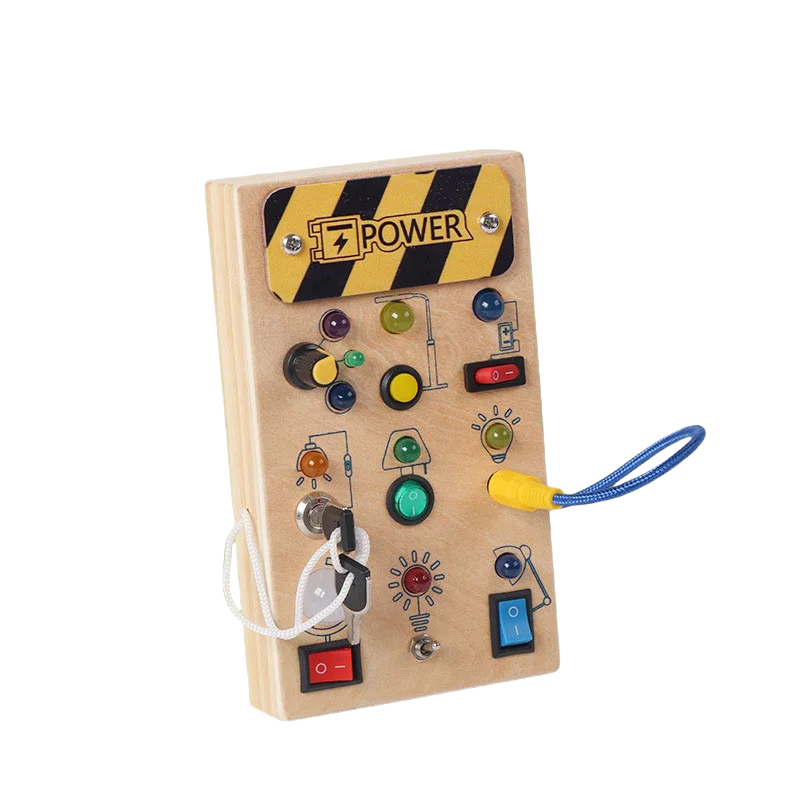
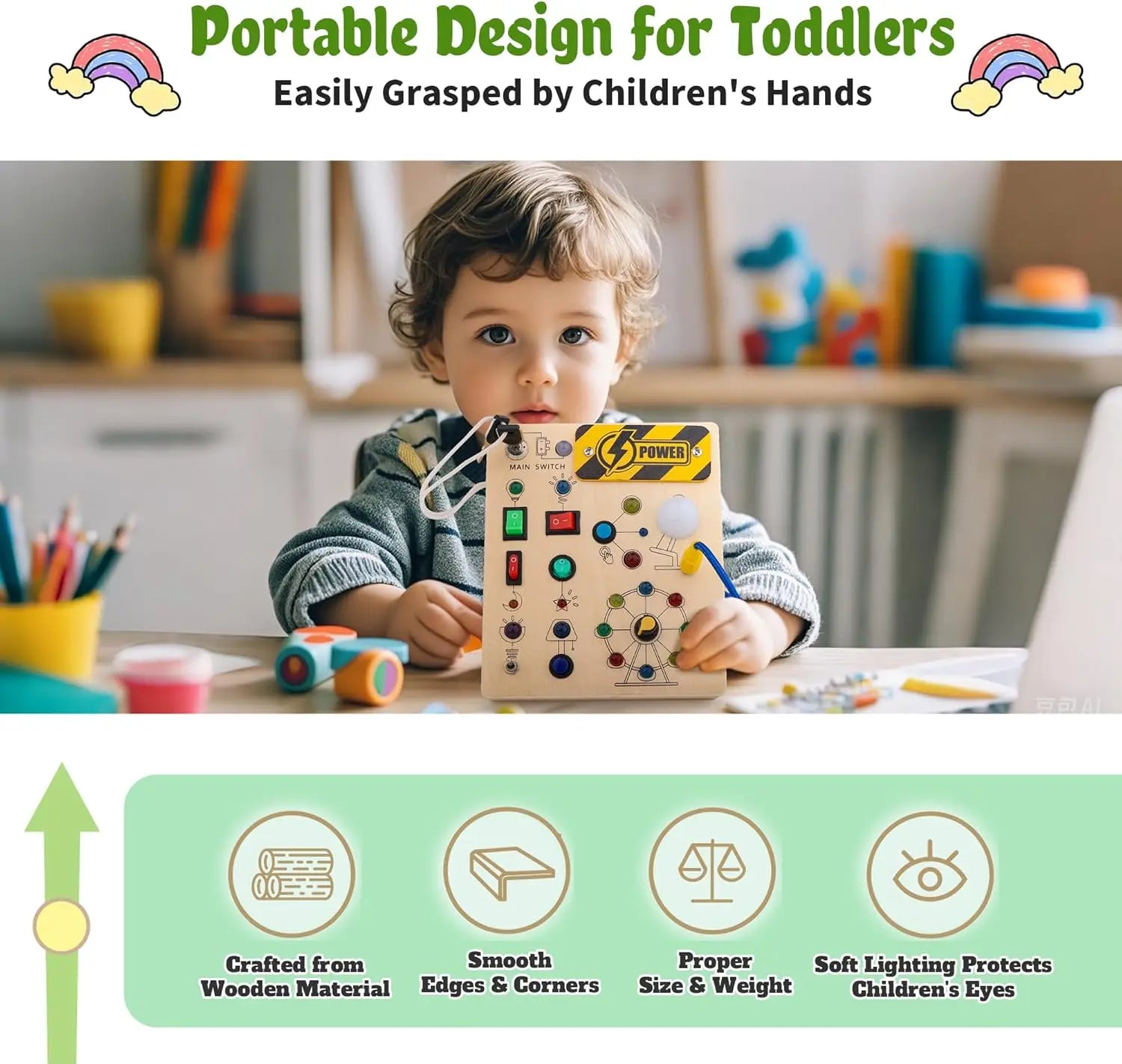
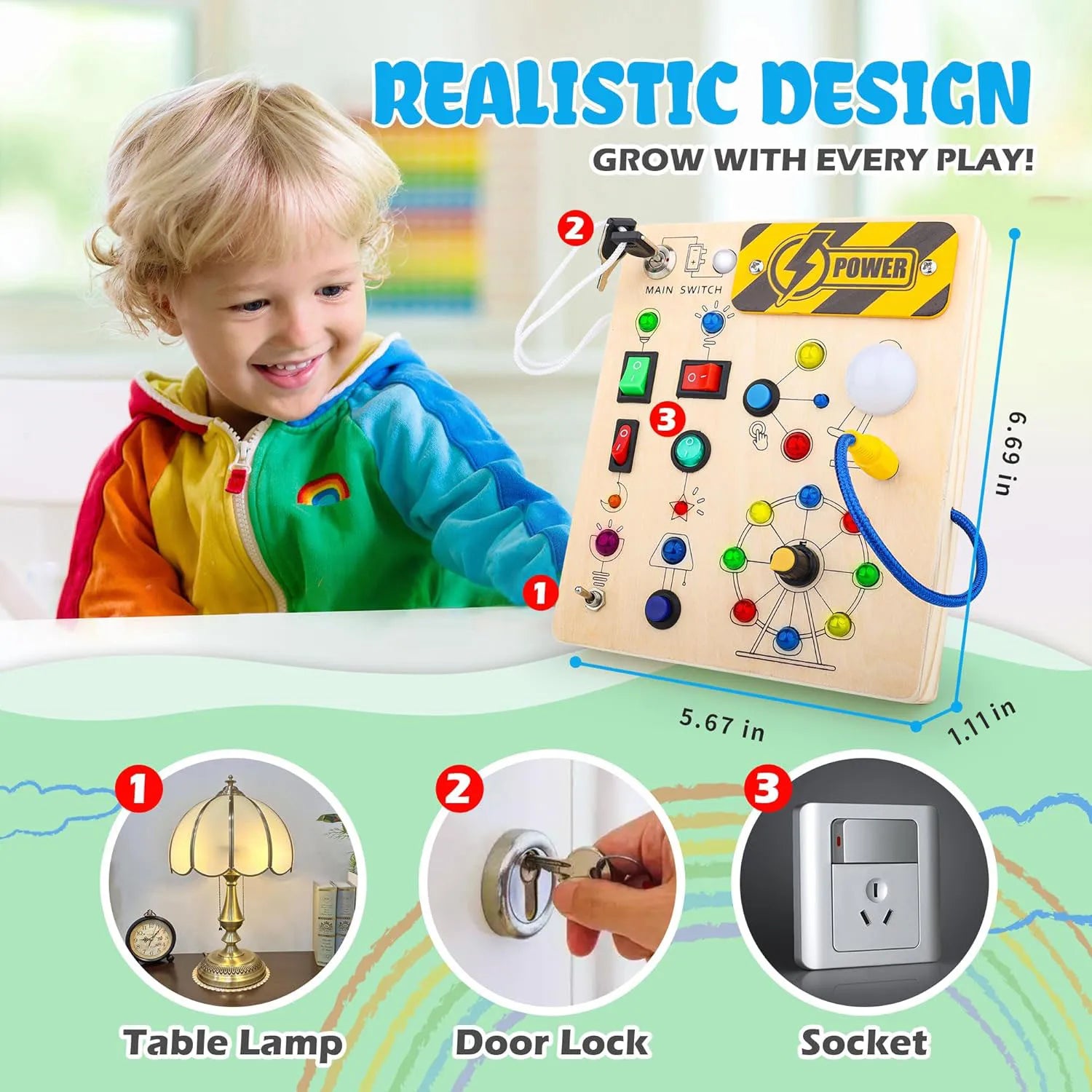
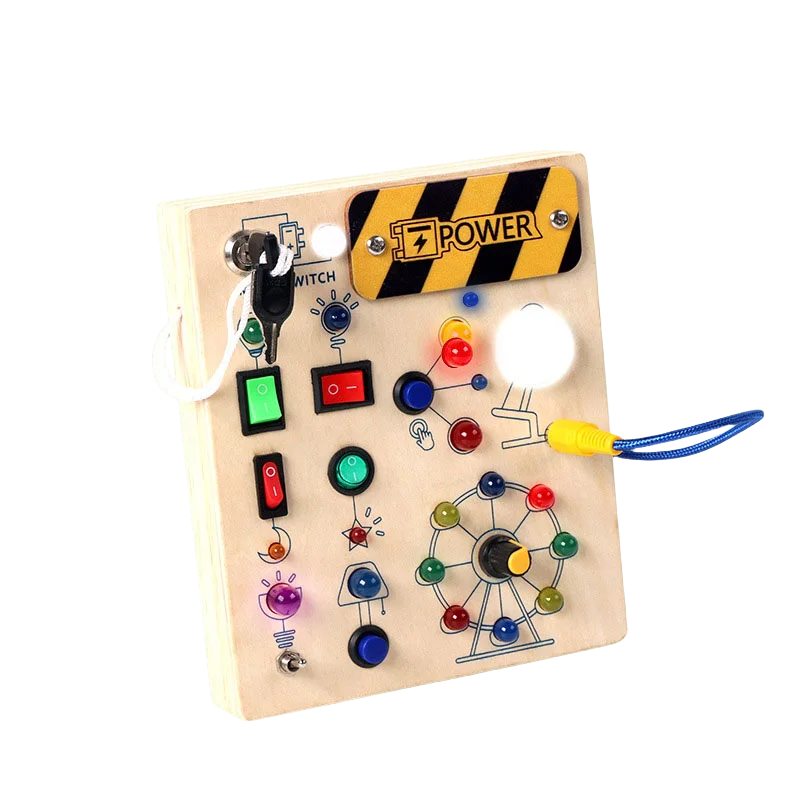
Some families also introduce hands-on learning toys such as the Montessori Busy Board with LED Lights for Fun Learning. This interactive board features switches, buttons, and soft LED lights that encourage toddlers to explore cause and effect while strengthening fine motor skills and hand-eye coordination.
Because it is compact and travel-friendly, it can be useful during quiet time, car rides, or independent play sessions.
You can also discover other practical parenting products inside the Mom Essentials collection.
Conclusion
Sensory play is one of the most effective ways to support toddler development. Simple activities like digging through sensory bins, balancing on tape lines, or popping bubbles allow children to explore the world while building critical skills.
With just a few minutes of setup and common household materials, you can create engaging sensory play for 3 year olds that supports creativity, coordination, and early learning.
Start by choosing one or two activities each day, and gradually expand your play toolkit as your child grows and becomes more curious.
Pillar Article: Best Preschool Educational Toys by Skill: Motor, Cognitive, Language & STEM (Ages 3–5)





