

80+ Quiet Time Activities for Preschoolers (0-Prep, Printable & Mess-Free Ideas)
80+ Quiet Time Activities for Preschoolers (0-Prep, Printable & Calm Play)
Quiet time can be one of the most challenging parts of a preschool routine. Whether you're a parent managing afternoon rest at home or a teacher transitioning between activities in a classroom, young children often need structured options to stay calm and engaged.
Quiet time activities for preschoolers are simple, low-noise activities designed to help children relax while still learning and playing independently. The best quiet activities encourage focus, creativity, and fine motor skills without requiring constant adult supervision.
This guide features 80+ calm activity ideas organized by type and setup time. You'll find:
- 0-prep quiet play ideas
- Printable activities for learning and coloring
- Independent play activities that build focus
- Mess-free sensory bins
- Quiet crafts and fine motor tasks
- Books, puzzles, and calming tabletop games
Each activity includes simple materials and tags such as 0-Prep, Printable, and Mess-Free to help you quickly find the right option during quiet time.
What Are Quiet Time Activities for Preschoolers?
Quiet time activities for preschoolers are calm, low-energy activities that children can complete independently during rest periods. These activities typically involve minimal movement, soft voices, and focused attention.
Common examples include coloring, puzzles, sensory bins, picture books, matching games, and quiet crafts.
Why Quiet Play Matters in Early Childhood Development
Quiet play is more than just a way to manage classroom noise—it supports several important areas of early childhood development:
- Emotional regulation – helps children calm down and manage transitions
- Independent play skills – builds confidence in self-directed activities
- Fine motor development – strengthens hand muscles and coordination
- Attention span – encourages sustained focus
- Creative thinking – allows imagination to flourish
These benefits make quiet activities an essential part of preschool classroom routines and home learning environments.
How Quiet Time Fits Into Preschool Classroom Routines
Most preschool schedules include a daily quiet period after lunch or active play. This helps children rest their bodies and reset their energy levels.
Teachers often rotate calm learning centers during this time, allowing students to choose quiet tasks like puzzles, drawing, or sensory exploration.
For additional parenting resources about early learning routines, visit the Baby Growth & Learning Tips guide.
Quick Comparison: Types of Quiet Time Activities
| Activity Type | Prep Level | Best For | Skill Development |
| Coloring Pages | Printable | Independent play | Fine motor skills |
| Puzzles | Low Prep | Quiet focus | Problem solving |
| Sensory Bins | Medium Prep | Hands-on learning | Sensory exploration |
| Montessori Busy Boards | 0-Prep | Independent play | Hand-eye coordination |
| Quiet Crafts | Low Prep | Creative expression | Fine motor control |
0-Prep Quiet Time Activities for Preschoolers
Movement-Free Independent Play Ideas
- Picture book browsing (0-Prep)
- Quiet storytelling with stuffed animals
- Finger tracing letters on paper
- Sorting colored blocks
- Stacking cups challenge
- Shadow matching with toys
- Sorting buttons by color
- Sticker sorting sheets
- Quiet dollhouse play
- Building small block towers
- Magnetic letter exploration
- Shape sorting trays
- Tracing shapes on paper
Quiet Thinking Games
- I Spy observation game
- Find the color challenge
- Memory tray game
- Guess the animal game
- Picture matching cards
- Spot the difference pages
- Quiet counting game
- Alphabet hunt in books
- Pattern recognition games
- Sorting toys by size
Printable Quiet Time Activities for Preschoolers
Printable worksheets are perfect when you need quick quiet play ideas that reinforce early learning skills.
Printable Coloring and Calm Worksheets
- Animal coloring pages
- Alphabet tracing worksheets
- Number tracing pages
- Pattern coloring sheets
- Seasonal coloring pages
- Color-by-number worksheets
- Simple maze puzzles
- Dot-to-dot pictures
- Shape tracing sheets
- Quiet mindfulness coloring pages
Parents looking for more printable learning tools can also explore products in the Baby Growth & Learning collection.
Quiet Printable Learning Games
- Matching cards
- Alphabet puzzle cards
- Mini memory games
- Picture matching worksheets
- Sorting charts
- Counting puzzles
- Printable board games
- Animal classification sheets
Independent Play Activities That Build Focus
Puzzle Games for Kids
- Wooden jigsaw puzzles
- Shape sorting puzzles
- Animal matching boards
- Magnetic puzzle boards
- Number puzzles
- Alphabet puzzles
- Logic puzzle cards
- Tangram puzzles
Puzzles strengthen focus, problem-solving skills, and visual perception—making them excellent quiet time activities.
Montessori-Style Quiet Play Activities
Montessori activities encourage independent exploration using hands-on learning tools.
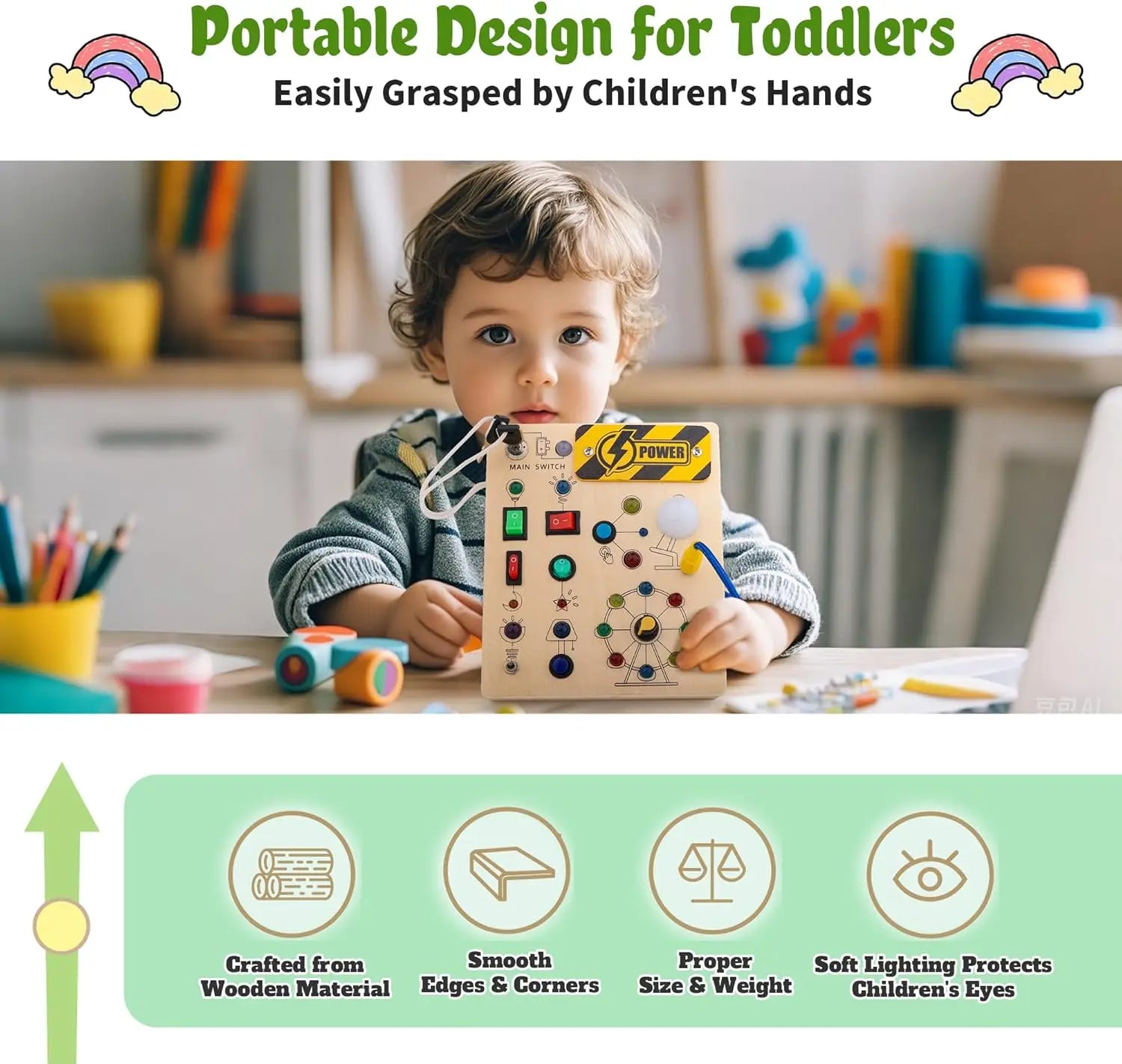
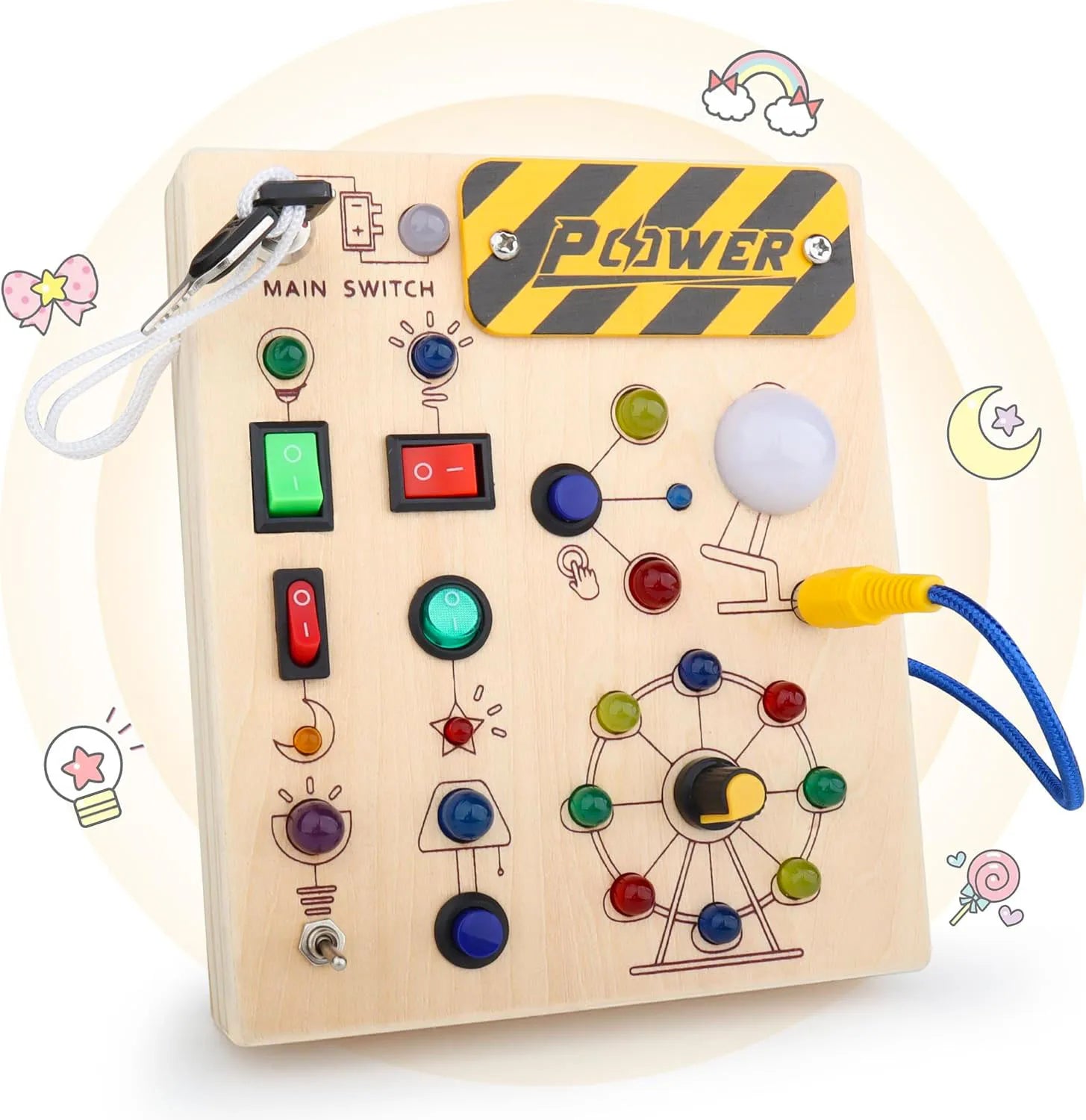
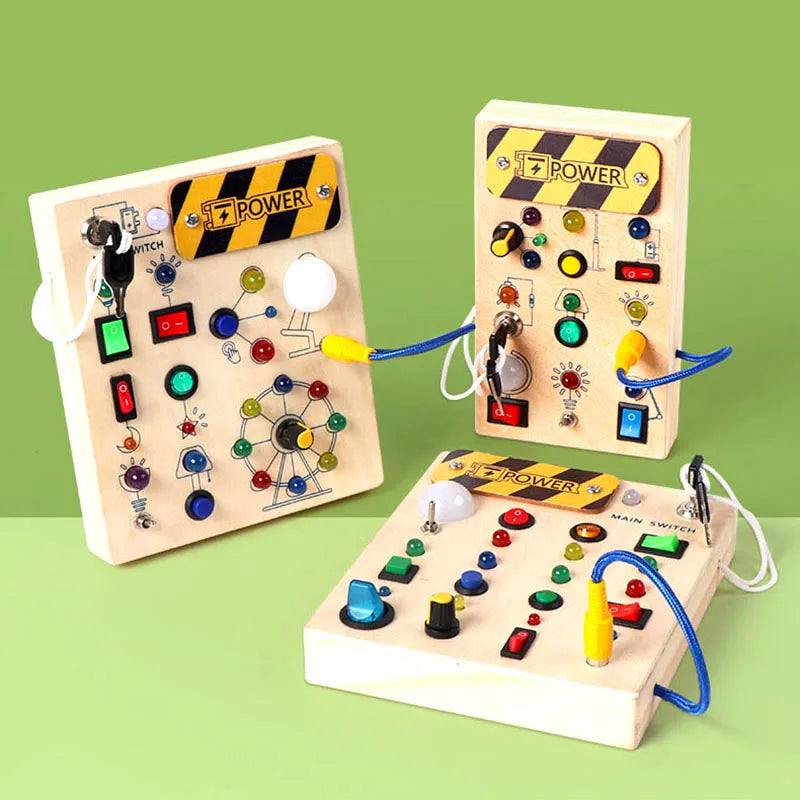
One effective option is a sensory busy board with switches and interactive elements. A Montessori Busy Board with LED Lights for Fun Learning allows preschoolers to explore buttons, switches, and lights quietly while developing fine motor coordination and hand-eye control.
- Switch-and-light busy boards
- Button and zipper practice boards
- Lock and latch boards
- Threading beads activity
- Stacking rings challenge
- Sorting trays
Quiet Sensory Bin Activities for Calm Play
Mess-Free Sensory Bin Ideas
- Rice sensory bin
- Pom-pom sorting bin
- Bean scoop station
- Button treasure hunt
- Foam letter sensory bin
- Pasta sorting activity
- Colored sand tray
- Magnetic fishing bin
- Mini animal discovery bin
- Nature sensory bin
Fine Motor Sensory Activities
- Tweezer pom-pom transfer
- Bead scooping station
- Pipe cleaner threading
- Button stacking challenge
- Clothespin color matching
- Coin sorting game
- Small object sorting trays
For additional calming sensory toys, parents often browse the Sensory Toys collection.
Quiet Crafts and Hands-On Learning Activities
Low-Mess Quiet Crafts
- Sticker collage
- Paper plate animals
- Shape collage art
- Crayon rubbing art
- Foam sticker pictures
- Simple paper weaving
- Paper chain making
- Color sorting art
- Nature leaf collage
- Stamping art
Fine Motor Craft Activities
- Bead threading
- Pipe cleaner sculpture
- Button art boards
- Punch-hole threading craft
- Yarn wrapping cardboard
- Mini weaving cards
Books and Puzzle Activities for Quiet Reading Time
Children's Picture Books for Quiet Time
- Wordless picture books
- Animal storybooks
- Interactive lift-the-flap books
- Nature exploration books
- Alphabet books
- Counting storybooks
Calm Puzzle and Brain Game Ideas
- Simple logic cards
- Pattern block puzzles
- Wooden tangram puzzles
- Matching tile games
- Quiet board games
How to Teach Preschoolers Independent Quiet Play
Step-by-Step Quiet Time Routine
- Start with short quiet periods (10–15 minutes).
- Provide 2–3 activity choices.
- Demonstrate how to use the activity quietly.
- Encourage independent exploration.
- Gradually extend quiet time length.
Tips for Making Quiet Time Successful
- Create a calm environment with soft lighting.
- Use activity bins to organize options.
- Rotate toys weekly to maintain interest.
- Choose activities that require minimal adult help.
- Introduce sensory tools or busy boards for focused play.
For additional parenting strategies and development tips, explore the Baby Care Tips & Advice resource center.
Conclusion
Quiet time doesn't have to be a struggle. With the right activities, preschoolers can learn to enjoy calm moments that build independence, focus, and creativity.
Rotating between coloring, puzzles, sensory bins, crafts, and quiet reading helps children stay engaged while developing essential early learning skills.
Hands-on tools like sensory toys and Montessori busy boards can also make quiet play more engaging. If you're building a calm activity corner at home, explore educational toys in the Baby Growth & Learning section.
Pillar Article: Best Preschool Educational Toys by Skill: Motor, Cognitive, Language & STEM (Ages 3–5)





